AI-Driven Content Creation: Boost US Media Output by 40%
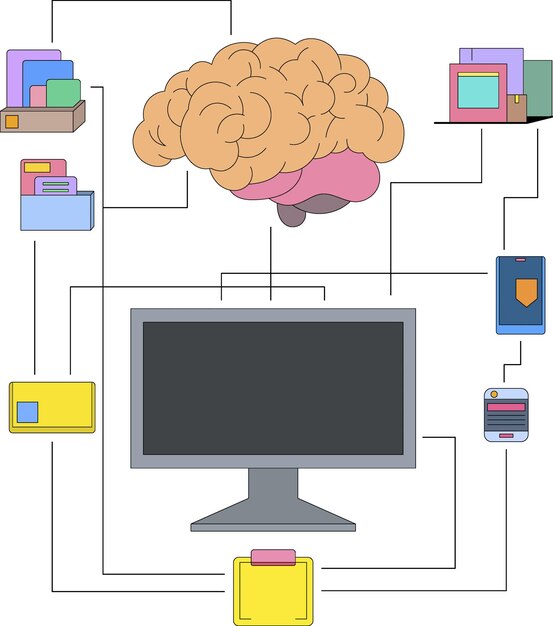
AI-Driven Content Creation: Automating Content Generation for 40% Faster Output in US Media transforms how US media outlets produce content by leveraging artificial intelligence to accelerate workflows, enhance content quality, and significantly increase output efficiency.
In the fast-evolving landscape of US media, AI-Driven Content Creation: Automating Content Generation for 40% Faster Output in US Media is revolutionizing traditional content creation processes, promising a new era of efficiency and productivity.
Exploring AI-Driven Content Creation in US Media
The integration of artificial intelligence (AI) into content creation is rapidly reshaping the US media landscape. This technological shift promises to streamline processes and increase content generation output, offering media organizations a competitive edge in today’s fast-paced digital world. The potential impact on various aspects of content creation, from news articles to marketing materials, is significant.
This article delves into the specifics of AI-driven content creation within the US media context, exploring its applications and potential benefits. We’ll examine how automating content generation can lead to a 40% faster output and discuss the challenges and opportunities that come with this transformation.
Understanding AI’s Role in Content Generation
AI’s role in content generation is multifaceted, extending beyond simple automation. It involves sophisticated algorithms that can analyze data, understand context, and generate coherent and engaging content. This technology is increasingly being used to augment human creativity and improve overall content quality.
By understanding the various ways AI can be applied, media organizations can better leverage its potential to enhance their content creation workflows.
Natural Language Processing (NLP)
Natural Language Processing (NLP) is a key component of AI-driven content creation, enabling machines to understand and generate human language. NLP algorithms can analyze text, extract meaning, and even produce new content based on that understanding.
This technology is used in a variety of applications, including:
- Article Summarization: Quickly condensing long articles into concise summaries.
- Topic Modeling: Identifying key themes and topics within a large corpus of text.
- Content Optimization: Suggesting improvements to grammar, style, and readability.
Machine Learning (ML) for Content
Machine Learning (ML) algorithms are trained on vast datasets to identify patterns and make predictions, making them invaluable for content creation. These algorithms can learn from past successes and failures to improve the quality and effectiveness of generated content.
ML can be used to:
- Generate Headlines: Creating eye-catching headlines that attract readers.
- Write Product Descriptions: Producing compelling copy for e-commerce platforms.
- Personalize Content: Tailoring content to individual user preferences.
In conclusion, AI technologies like NLP and ML are pivotal in automating and enhancing content generation, providing US media outlets with tools to create more engaging and efficient content.
The Impact of Automation on US Media Output
The implementation of AI in content creation workflows has a direct impact on the speed and volume of content produced by US media outlets. Automation can streamline repetitive tasks, freeing up human journalists and content creators to focus on more creative and strategic work.
This increase in output can lead to greater audience engagement and improved revenue streams for media organizations.

Increasing Content Velocity
One of the primary benefits of AI-driven content creation is the increased speed at which content can be produced. Automated tools can generate articles, reports, and marketing materials in a fraction of the time it would take a human writer.
This increased content velocity enables media organizations to:
- Cover Breaking News Faster: Quickly disseminate information to the public.
- Publish More Content Regularly: Keep audiences engaged with a steady stream of new material.
- Respond to Trends Quickly: Capitalize on emerging topics and conversations.
Enhancing Content Personalization
AI can also be used to personalize content, tailoring it to the interests and preferences of individual users. This level of personalization can lead to higher engagement rates and increased customer loyalty.
Personalized content can include:
- Customized News Feeds: Delivering news stories relevant to a user’s interests.
- Targeted Marketing Messages: Crafting ads that resonate with specific demographics.
- Personalized Recommendations: Suggesting content based on past viewing habits.
In summary, the automation driven by AI significantly enhances US media output by increasing content velocity and enabling personalization, leading to improved audience engagement and revenue opportunities.
Case Studies: AI Success Stories in US Media
Several US media organizations have already implemented AI-driven content creation strategies with notable success. These case studies provide valuable insights into the practical applications and benefits of integrating AI into media workflows.
By examining these success stories, other media outlets can gain a better understanding of how to leverage AI to improve their own content creation processes.
The Associated Press (AP) and Automated Reporting
The Associated Press (AP) has been using AI to automate the reporting of corporate earnings, freeing up human journalists to focus on more in-depth investigative work. This has allowed the AP to cover a larger number of companies and provide more comprehensive coverage of the financial sector.
The Washington Post and Heliograf
The Washington Post developed Heliograf, an AI system that automatically generates short news articles on topics such as sports and elections. Heliograf has been used to cover events like the Olympics and has proven to be an effective tool for quickly reporting factual information.
BuzzFeed and Personalized Quizzes
BuzzFeed uses AI to create personalized quizzes that are tailored to individual user preferences. These quizzes are designed to be engaging and shareable, helping to drive traffic to the BuzzFeed website and increase user engagement.
These case studies highlight the diverse applications of AI in US media, from automated reporting to personalized content creation, demonstrating its potential to enhance efficiency and engagement.

Challenges and Considerations
While AI-driven content creation offers numerous benefits, it also presents several challenges and considerations. These include ethical concerns, the need for human oversight, and the potential for bias in AI algorithms.
Addressing these challenges is crucial for ensuring that AI is used responsibly and effectively in US media.
Ethical Considerations
One of the primary ethical considerations is the potential for AI-generated content to be used to spread misinformation or propaganda. It is important to ensure that AI systems are not used to create or amplify false or misleading information.
The Need for Human Oversight
AI-generated content should always be reviewed by human editors to ensure accuracy, clarity, and ethical considerations. Human oversight is essential for preventing errors and biases from propagating in the content.
Addressing Bias in AI Algorithms
AI algorithms can be biased based on the data they are trained on. It is important to carefully evaluate the data used to train AI systems and to implement measures to mitigate potential biases.
In conclusion, while AI-driven content creation offers immense potential, addressing ethical concerns, ensuring human oversight, and mitigating biases are crucial for its responsible and effective implementation in US media.
Future Trends in AI and Media
The field of AI is constantly evolving, and future trends promise even more sophisticated and integrated content creation capabilities. From advanced NLP models to more personalized content experiences, the possibilities are vast.
Staying informed about these trends will be essential for US media organizations looking to remain competitive and innovative.
Advanced NLP Models
Future NLP models will be able to understand and generate human language with even greater accuracy and nuance. This will enable AI systems to create more sophisticated and engaging content.
Personalized Content Experiences
AI will be used to create even more personalized content experiences, tailoring content to individual user preferences and behaviors. This will lead to higher engagement rates and increased customer loyalty.
Integration with Other Technologies
AI will be increasingly integrated with other technologies, such as virtual reality (VR) and augmented reality (AR), to create immersive and interactive content experiences.
In summary, future trends in AI and media point towards more sophisticated, personalized, and integrated content creation capabilities, offering US media organizations exciting opportunities to innovate and engage audiences in new ways.
Preparing for the AI-Driven Future
To fully leverage the potential of AI-driven content creation, US media organizations must prepare strategically. This involves investing in AI infrastructure, training staff, and developing clear ethical guidelines.
By taking these steps, media outlets can ensure they are well-positioned to succeed in the AI-driven future.
- Investing in AI Infrastructure: Implementing the necessary hardware and software to support AI content creation.
- Training Staff: Providing staff with the skills and knowledge needed to work with AI tools.
- Developing Ethical Guidelines: Establishing clear guidelines for the responsible use of AI in content creation.
In conclusion, preparing for the AI-driven future involves strategic investments, comprehensive training, and the development of ethical guidelines, ensuring that US media organizations can effectively harness AI’s potential while maintaining integrity and quality.
| Key Point | Brief Description |
|---|---|
| 🚀 Faster Output | AI automates content generation, boosting output by 40% in US Media. |
| 🎯 Personalization | AI enables content personalization, tailoring experiences to user preferences. |
| 🤖 NLP & ML | NLP and ML algorithms enhance content quality and automate tasks. |
| 🛡️ Ethical Use | Ethical considerations and human oversight are crucial for responsible AI implementation. |
Frequently Asked Questions
▼
AI speeds up content creation by automating tasks like writing headlines, summarizing articles, and personalizing content. This frees up human writers to focus on more complex and creative tasks.
▼
Ethical considerations include the potential for spreading misinformation, biases in algorithms, and the need for human oversight to ensure accuracy and fairness in AI-generated content.
▼
AI is unlikely to completely replace human journalists. Instead, it serves as a tool to augment their capabilities, allowing them to focus on investigative reporting and in-depth analysis, while AI handles routine tasks.
▼
Content best suited for AI automation includes factual reporting, product descriptions, and personalized quizzes. These types of content require less creativity and more data processing, making them ideal for AI.
▼
Media organizations can prepare by investing in AI infrastructure, training staff to work with AI tools, and developing ethical guidelines for the responsible use of AI in content creation processes.
Conclusion
AI-Driven Content Creation: Automating Content Generation for 40% Faster Output in US Media is reshaping the US media landscape. By embracing AI, media organizations can increase efficiency, enhance personalization, and drive innovation. However, it’s crucial to address ethical considerations and ensure human oversight to harness AI’s potential responsibly.