AI in Human Resources: Boost Recruitment & Retention by 10%

AI in Human Resources is revolutionizing recruitment and employee retention, offering tools to streamline processes, enhance candidate selection, and personalize employee experiences, with the potential to improve retention rates by 10%.
The integration of AI in Human Resources: Streamline Recruitment and Improve Employee Retention by 10% is no longer a futuristic concept but a present-day reality. With AI tools transforming how companies attract, hire, and retain talent, are you ready to explore the strategic advantages of artificial intelligence in your HR department?
Understanding the Role of AI in Modern Human Resources
Artificial Intelligence (AI) is rapidly changing various sectors, and Human Resources (HR) is no exception. AI tools are not just automating tasks; they’re fundamentally reshaping how HR departments operate, offering unprecedented opportunities for efficiency and strategic decision-making.
From recruitment to employee development, AI offers a wide array of applications that can significantly enhance HR processes. By leveraging AI, HR professionals can focus on more strategic initiatives, such as improving employee engagement and fostering a positive workplace culture.
Key Applications of AI in HR
AI’s impact on HR is multifaceted. Understanding its key applications is essential for leveraging its full potential. Here are some critical areas where AI is making a significant difference:
- Recruitment and Selection: AI algorithms can analyze resumes and assess candidates, improving the speed and quality of hiring.
- Employee Engagement: AI-driven tools can monitor employee sentiment and provide insights for enhancing engagement and reducing turnover.
- Training and Development: AI can personalize learning experiences, making them more effective and aligned with individual career goals.
- HR Automation: AI-powered chatbots and virtual assistants can handle routine tasks, freeing up HR staff for more strategic work.
Moreover, AI can enhance diversity and inclusion efforts by mitigating biases in hiring and promotion processes.
Streamlining Recruitment Processes with AI
Recruitment is one of the most time-consuming and resource-intensive functions within HR. However, AI offers innovative tools to streamline this process, making it more efficient and effective.
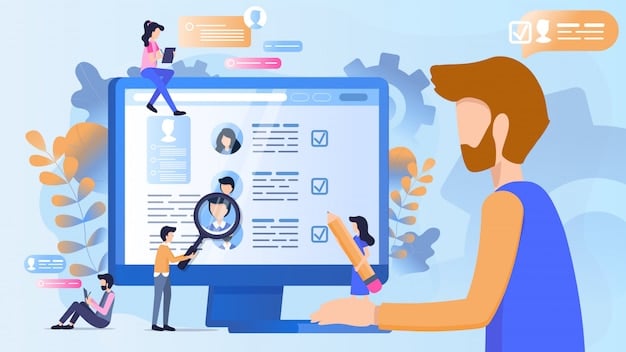
AI-powered recruitment solutions can automate various stages of the hiring process, from sourcing candidates to conducting initial screenings. This not only saves time but also ensures a more data-driven and objective approach to hiring.
Benefits of AI in Recruitment
Implementing AI in recruitment can yield numerous benefits. Some of the most significant include:
- Improved Efficiency: AI automates repetitive tasks, such as resume screening and initial candidate assessments, saving significant time and resources.
- Enhanced Candidate Quality: AI algorithms can identify candidates who are not only qualified but also a good fit for the company culture.
- Reduced Bias: AI can mitigate unconscious biases in the hiring process, promoting diversity and inclusion.
Ultimately, AI enhances the quality and efficiency of the recruitment process, leading to better hiring decisions and reduced costs.
AI offers a unique ability to analyze large volumes of data, which can lead to more informed and strategic recruitment decisions.
Enhancing Employee Retention Through AI-Driven Strategies
Employee retention is a critical concern for many organizations. High turnover rates can be costly and disruptive, impacting productivity and morale. AI offers innovative solutions for improving employee retention by understanding and addressing the factors that drive employee satisfaction and engagement.
By analyzing employee data, AI can identify patterns and insights that enable HR professionals to proactively address potential issues and create a more supportive and engaging work environment.
How AI Improves Employee Retention
AI improves it by making personalized recommendations and more. It’s like having someone on your staff who cares about each employee’s individual needs.
Here are some strategies on how AI improves employee retention:
- Personalized Learning: Recommend training courses that are best fit for them, to help them succeed in their career.
- Feedback Loop: Gather information from the employee to improve how the company is ran.
- Career Pathing: Laying out a path for the employee so they can see themselves at the company for years to come.
Using AI can help save the company money and wasted time in the long run.
AI’s ability to process and analyze large datasets makes it a powerful tool for creating a more sustainable and engaging workforce.
Personalizing Employee Experiences with AI
Personalization is a key driver of employee engagement and satisfaction. AI enables HR departments to create personalized experiences for employees, making them feel valued and supported.
By understanding individual preferences and needs, AI can tailor various aspects of the employee experience, from learning and development to benefits and recognition. This level of personalization can significantly enhance employee loyalty and retention.

Benefits of Personalized Employee Experiences
Offering personalized experiences to those who work at the company can improve many things, morale being one of them.
- Increased Engagement: Personalized experiences make employees feel valued and connected to the organization.
- Improved Performance: Tailored learning and development programs enhance skills and performance.
- Enhanced Loyalty: Personalized benefits and recognition programs demonstrate appreciation and foster loyalty.
AI-driven personalization can transform these strategies in a big way.
AI-driven personalized experiences can create a more meaningful and fulfilling work environment, impacting both the employer and employee.
Addressing Ethical Considerations in AI-Driven HR
While AI offers tremendous potential for HR, it also raises important ethical considerations. It’s crucial to address these challenges to ensure that AI is used responsibly and ethically and not cause concern.
Data privacy, bias mitigation, and transparency are paramount. Implementing AI in HR requires a thoughtful and ethical approach.
Key Ethical Considerations
Here are some key ethical considerations.
- Data Privacy: Protecting employee data and ensuring compliance with privacy regulations.
- Bias Mitigation: Implementing strategies to mitigate biases in AI algorithms and ensure fair and equitable outcomes.
- Transparency: Being transparent about how AI is used in HR processes and providing employees with clear information about how their data is being used.
Ethical considerations are essential to ensure that AI is used to create a more inclusive workplace.
Addressing ethical issues ensures AI can build trust and reliability.
Measuring the Impact of AI on HR Performance
Measuring the impact of AI on HR performance is essential for demonstrating its value and making informed decisions about future investments. Tracking key metrics and evaluating outcomes can help organizations assess the effectiveness of their AI initiatives.
Quantitative and qualitative measures can provide a comprehensive view of AI’s impact on recruitment, retention, and employee satisfaction.
Key Metrics for Evaluating AI Performance
There are many ways to test the AI system’s results.
Here are metrics to find out how the AI model is doing:
- Recruitment Efficiency: Time-to-hire, cost-per-hire, and quality-of-hire metrics.
- Retention Rates: Employee turnover rates and retention rates.
- Employee Engagement: Employee satisfaction scores, engagement survey results, and feedback from employee engagement programs.
Measuring AI’s performance can deliver valuable numbers.
Consistent tracking of these metrics helps organizations fine-tune their AI strategies and maximize their return on investment.
| Key Point | Brief Description |
|---|---|
| 🤖 AI in Recruitment | Streamlines candidate sourcing, screening, and selection processes. |
| ❤️ Employee Retention | Identifies factors influencing employee satisfaction to reduce turnover. |
| 💼 Personalization | Tailors learning, benefits, and recognition to individual needs. |
| 🛡️ Ethical Concerns | Addresses data privacy, bias mitigation, and transparency for responsible AI use. |
FAQ
▼
AI automates resume screenings, initial candidate assessments, and scheduling, significantly reducing the time and resources required for the hiring process. This allows HR professionals to focus on final interviews and strategic decisions.
▼
Yes, AI algorithms can be designed to minimize unconscious biases by focusing on objective criteria and skills. However, it’s crucial to regularly audit and refine AI systems to ensure they are fair and equitable.
▼
AI analyzes employee data to provide personalized learning paths, recommend relevant benefits, and offer tailored recognition programs, fostering higher engagement and satisfaction among employees.
▼
Key ethical considerations include protecting employee data privacy, mitigating algorithmic bias, ensuring transparency in AI processes, and providing clear information to employees about how their data is being used.
▼
The impact of AI on employee retention can be measured by tracking turnover rates, conducting employee satisfaction surveys, analyzing engagement levels, and comparing these metrics before and after the implementation of AI solutions.
Conclusion
The integration of AI in Human Resources: Streamline Recruitment and Improve Employee Retention by 10% presents a transformative opportunity for HR departments to enhance their efficiency, effectiveness, and strategic impact. By streamlining recruitment, personalizing employee experiences, and proactively addressing retention issues, AI can help organizations create a more engaged, productive, and sustainable workforce. However, it is essential to address ethical considerations and carefully measure the impact of AI initiatives to ensure responsible and beneficial implementation.