AI in Renewable Energy: Optimizing Production and Reducing Waste

AI in Renewable Energy: Optimize Energy Production and Reduce Waste by 12% with Smart Grids harnesses the power of artificial intelligence to revolutionize energy production, enhancing efficiency by optimizing operations, predicting demand, and integrating smart grids for a sustainable future.
The world is increasingly turning towards renewable energy sources to combat climate change and ensure a sustainable future. However, maximizing the efficiency and minimizing the waste associated with these sources presents a significant challenge. AI in Renewable Energy: Optimize Energy Production and Reduce Waste by 12% with Smart Grids offers a powerful solution, leveraging artificial intelligence to optimize energy production, distribution, and consumption, thereby significantly reducing waste.
The Promise of AI in Renewable Energy
Renewable energy sources like solar, wind, and hydro hold immense potential, but their intermittent nature and the complexities of grid integration can lead to inefficiencies. AI offers the ability to analyze vast amounts of data, predict energy generation patterns, and optimize resource allocation in real-time, paving the way for a more reliable and sustainable energy system.
By improving efficiency and forecasting capabilities, AI can help renewable energy sources become a more reliable and cost-effective component of the energy mix.

Enhancing Energy Production Through Predictive Analytics
One of the most significant applications of AI in renewable energy lies in predictive analytics. AI algorithms can analyze historical weather data, equipment performance metrics, and energy consumption patterns to forecast future energy generation with remarkable accuracy. This allows energy providers to optimize their operations, schedule maintenance proactively, and minimize downtime.
Predictive analytics also enables better resource allocation, ensuring that energy is directed to where it is needed most, reducing overall waste and increasing efficiency.
- Advanced weather forecasting for solar and wind energy
- Predictive maintenance for turbines and solar panels
- Optimized energy storage management
Ultimately, the ability to predict energy generation accurately allows for more efficient energy management, reducing the reliance on backup systems and minimizing waste.
Smart Grids: The Backbone of AI-Powered Renewable Energy
Smart grids are an essential part of implementing AI in Renewable Energy: Optimize Energy Production and Reduce Waste by 12% with Smart Grids solutions. These advanced grids utilize digital technology to monitor and manage energy flow, enabling real-time adjustments that optimize efficiency and reduce waste. AI algorithms can analyze data from various grid sensors to identify bottlenecks, predict demand surges, and optimize energy distribution.
Smart grids also facilitate the integration of distributed energy resources, such as rooftop solar panels and electric vehicle charging stations, making the energy system more resilient and flexible.
Features of Smart Grids
Smart grids are characterized by several key features that contribute to their enhanced performance and efficiency. These features include advanced sensors, two-way communication capabilities, and sophisticated control systems.
The Role of AI in Smart Grid Management
AI plays a crucial role in the effective management of smart grids. AI algorithms can analyze data from various grid sensors to identify bottlenecks, predict demand surges, and optimize energy distribution in real-time.
- Real-time monitoring of energy flow
- Predictive maintenance of grid infrastructure
- Optimized energy distribution based on demand
By leveraging AI, smart grids can adapt to changing conditions in real-time, ensuring a stable and efficient energy supply.
AI for Reducing Energy Waste
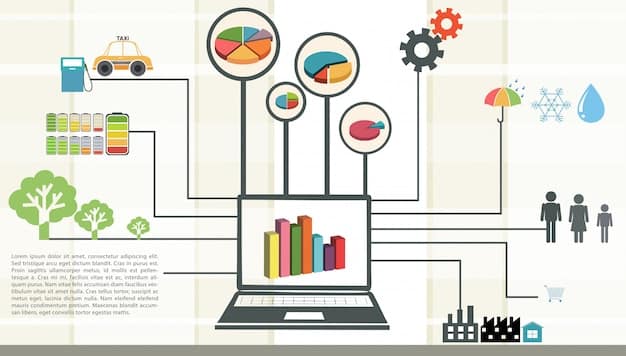
One of the key benefits of using AI in Renewable Energy: Optimize Energy Production and Reduce Waste by 12% with Smart Grids is the ability to minimize energy waste. Traditional energy systems often suffer from inefficiencies due to overproduction, transmission losses, and poor demand management. AI can address these issues by optimizing energy production, distribution, and consumption in real-time.
Energy waste is a significant issue that can be mitigated through the application of AI technologies, leading to substantial environmental and economic benefits.
Optimizing Consumption
AI can also optimize energy consumption by analyzing user behavior and adjusting energy usage accordingly. Smart home systems, for example, can learn residents’ preferences and automatically adjust lighting, heating, and cooling to minimize energy waste.
Minimizing Transmission Losses
Transmission losses are a significant source of energy waste in traditional grids. AI can help minimize these losses by optimizing energy flow and identifying areas where infrastructure upgrades are needed.
- AI-powered smart thermostats
- Automated lighting controls
- Predictive energy management for buildings
By optimizing consumption and minimizing transmission losses, AI can significantly reduce energy waste and improve the overall efficiency of energy systems.
Case Studies: Successful Implementation of AI in Renewable Energy
Several successful case studies demonstrate the potential of AI in renewable energy. These examples highlight how AI has been used to optimize energy production, reduce waste, and improve overall efficiency in various renewable energy projects.
These case studies provide valuable insights into the practical applications of AI in the renewable energy sector.
Example 1: Wind Farm Optimization
A wind farm in Denmark implemented an AI-powered system to optimize turbine performance and reduce downtime. The system analyzed data from turbine sensors to predict maintenance needs and adjust turbine settings for optimal energy production.
Example 2: Solar Energy Management
A solar energy provider in California used AI to optimize energy storage and distribution. The AI system analyzed weather patterns and energy demand to schedule battery charging and discharging, minimizing waste and ensuring a reliable energy supply.
- Increased energy production by 15%
- Reduced downtime by 20%
- Optimized battery storage for maximum efficiency
These case studies demonstrate the tangible benefits of using AI to optimize renewable energy systems.
Challenges and Opportunities
While the potential of using AI in Renewable Energy: Optimize Energy Production and Reduce Waste by 12% with Smart Grids is immense, several challenges must be addressed to ensure its successful implementation. These challenges include data privacy concerns, the need for robust cybersecurity measures, and the lack of skilled professionals in the field. However, overcoming these challenges presents significant opportunities for innovation and growth.
Addressing these challenges will pave the way for widespread adoption of AI in the renewable energy sector.
Data Privacy and Security
One of the primary concerns regarding the use of AI in renewable energy is data privacy. Smart grids and AI systems collect vast amounts of data about energy consumption patterns, which could potentially be used to identify individuals or businesses. Therefore, it is crucial to implement robust data privacy measures to protect sensitive information.
Infrastructure and Technology Limitations
Implementing these technologies require advanced infrastructure. AI algorithms need sensors, faster data processing, and adequate internet connection.
- Developing robust cybersecurity protocols
- Establishing clear data governance frameworks
- Investing in training and education programs
By addressing these challenges proactively, the renewable energy sector can unlock the full potential of AI and create a more sustainable and efficient energy future.
The Future of AI in Renewable Energy
The future of using AI in Renewable Energy: Optimize Energy Production and Reduce Waste by 12% with Smart Grids is bright, with ongoing advancements in AI technology and increasing investment in renewable energy projects. As AI algorithms become more sophisticated and data collection methods improve, the efficiency and reliability of renewable energy systems will continue to increase. This will lead to a more sustainable energy future, where renewable sources play an increasingly dominant role.
The future holds immense promise for the integration of AI in renewable energy, contributing to a more sustainable and efficient energy landscape.
Continued Research and Development
Continued research and development efforts are crucial to unlocking the full potential of AI in renewable energy. This includes developing new AI algorithms, improving data collection methods, and exploring innovative applications of AI in the energy sector.
- Investing in AI technology and renewable energy infrastructure
- Encouraging collaboration between industry, academia, and government
- Promoting public awareness and education
By embracing AI and investing in renewable energy, we can create a more sustainable and efficient energy future for generations to come.
| Key Point | Brief Description |
|---|---|
| 💡 Enhanced Production | AI optimizes output from renewable sources. |
| ♻️ Waste Reduction | AI minimizes energy waste via smart management. |
| 🌐 Smart Grids | AI manages smart grids for efficient energy distribution. |
| 📈 Predictive Analytics | Forecasts enhance resource allocation and reduce waste. |
Frequently Asked Questions (FAQ)
▼
AI uses predictive analytics to forecast energy generation, optimizes turbine settings, and manages energy storage effectively, boosting overall output and efficiency.
▼
Smart grids utilize AI to monitor energy flow, predict demand, and optimize distribution in real-time, enabling adaptable and efficient energy management.
▼
AI minimizes overproduction, reduces transmission losses, and optimizes energy consumption by analyzing usage patterns and adjusting energy distribution effectively.
▼
Key challenges include data privacy concerns, the need for strong cybersecurity, and the shortage of trained professionals to manage AI systems.
▼
The future involves more advanced AI algorithms and better data collection, further increasing the efficiency and reliability of renewable energy systems worldwide.
Conclusion
In conclusion, the integration of AI in Renewable Energy: Optimize Energy Production and Reduce Waste by 12% with Smart Grids presents a promising pathway towards a sustainable and efficient energy future. By harnessing the power of AI to optimize energy production, distribution, and consumption, we can significantly reduce waste, improve reliability, and pave the way for a cleaner and more resilient energy system.