AI in Transportation: Enhancing US Autonomous Vehicle Safety and Efficiency
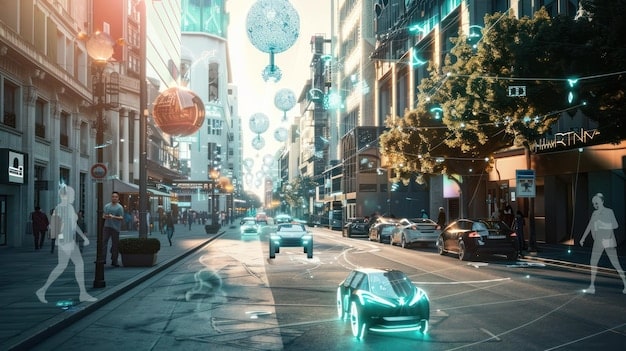
AI in Transportation: Enhancing Safety and Efficiency in US Autonomous Vehicles is revolutionizing the transportation industry by improving safety through advanced driver-assistance systems, increasing efficiency with optimized routes and reduced congestion, and paving the way for fully autonomous vehicles.
The integration of AI in Transportation: Enhancing Safety and Efficiency in US Autonomous Vehicles is becoming increasingly vital for the future of mobility. From reducing accidents to optimizing traffic flow, AI technologies are transforming how we move. This article explores the multifaceted impact of AI on transportation, focusing on its role in enhancing safety and efficiency within the United States.
The Rise of AI in US Transportation
Artificial intelligence is rapidly changing various sectors, and transportation is no exception. The US is at the forefront of adopting AI technologies to enhance safety, boost efficiency, and prepare for the widespread deployment of autonomous vehicles. The integration of AI is not merely a technological upgrade. It’s a fundamental shift in how transportation systems operate and interact with users.
AI’s Role in Enhancing Safety
One of the primary goals of incorporating AI in transportation is to reduce accidents and improve overall safety. Advanced Driver-Assistance Systems (ADAS) are a key component of this effort. These systems use AI to provide drivers with real-time alerts and assistance, helping to prevent collisions.
AI’s Role in Boosting Efficiency
Beyond safety, AI is also pivotal in optimizing transportation efficiency. AI algorithms can analyze traffic patterns, predict congestion, and suggest optimal routes, reducing travel times and fuel consumption. This leads to lowered emissions and more sustainable transportation systems.
- Predictive Maintenance: AI algorithms analyze data from vehicle sensors to predict when maintenance is needed, reducing breakdowns and downtime.
- Smart Traffic Management: AI optimizes traffic signal timings based on real-time conditions, reducing congestion and improving traffic flow.
- Efficient Logistics: AI optimizes delivery routes and schedules, reducing fuel consumption and delivery times for freight companies.
The rise of AI in US transportation represents a significant leap toward safer, more efficient, and sustainable mobility. As technology continues to advance, its impact on transportation will only deepen, revolutionizing how we move people and goods.
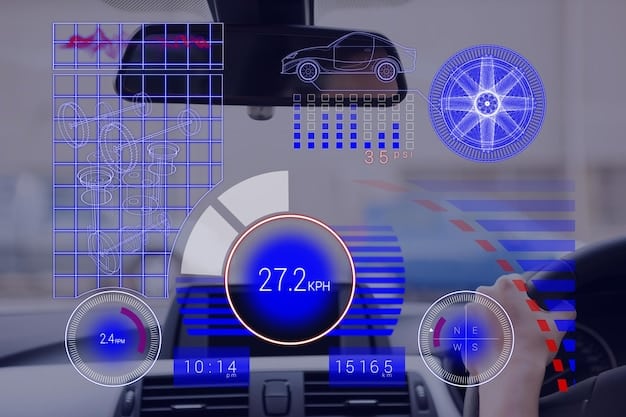
Advanced Driver-Assistance Systems (ADAS)
Advanced Driver-Assistance Systems are at the forefront of the AI revolution in transportation. These systems use a combination of sensors, cameras, and AI algorithms to assist drivers and enhance overall safety on the road. ADAS technologies are designed to mitigate human error, which is a leading cause of accidents.
Key Features of ADAS
ADAS encompasses a range of technologies, each designed to address specific safety concerns. These features work together to create a safer driving environment, reducing the risk of collisions and improving driver awareness.
Benefits of ADAS
The benefits of ADAS extend beyond accident prevention. These systems also contribute to a more comfortable and convenient driving experience, reducing stress and fatigue for drivers. The widespread adoption of ADAS has the potential to save thousands of lives and prevent countless injuries.
- Lane Departure Warning: Alerts drivers when they unintentionally drift out of their lane, preventing sideswipe collisions.
- Adaptive Cruise Control: Maintains a safe following distance from the vehicle ahead, reducing the risk of rear-end collisions.
- Automatic Emergency Braking: Automatically applies the brakes to avoid or mitigate collisions with vehicles or pedestrians.
ADAS technologies represent a significant step toward safer roads and reduced accidents. As these systems become more sophisticated and widely adopted, their impact on transportation safety will continue to grow, paving the way for a future with fewer collisions and safer journeys.
AI-Powered Traffic Management Systems
Efficient traffic management is crucial for reducing congestion, improving air quality, and enhancing the overall transportation experience. AI-powered traffic management systems leverage data analytics, machine learning, and real-time information to optimize traffic flow and minimize delays. These systems are transforming urban mobility by making it smarter and more responsive.
Real-Time Traffic Monitoring
AI systems can analyze data from various sources, including cameras, sensors, and GPS data from vehicles, to monitor traffic conditions in real-time. This enables traffic managers to identify congestion hotspots and respond quickly to incidents.
Predictive Traffic Modeling
AI algorithms can predict future traffic conditions based on historical data, weather forecasts, and event schedules. This allows traffic managers to proactively adjust signal timings and reroute traffic to prevent congestion before it occurs.
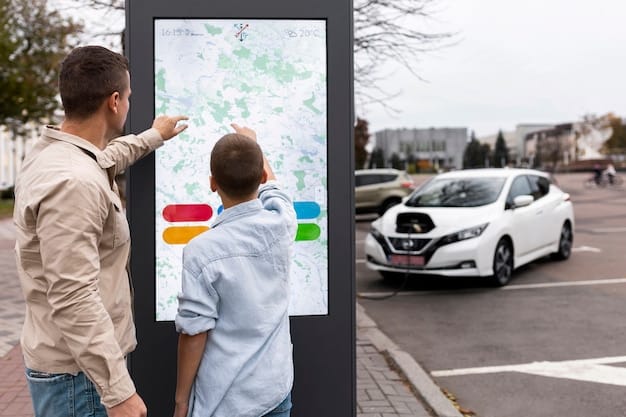
- Dynamic Signal Timing: AI adjusts traffic signal timings in real-time to optimize traffic flow based on current conditions, reducing delays.
- Incident Detection: AI can automatically detect accidents and other incidents, alerting emergency services and rerouting traffic to avoid congestion.
- Adaptive Routing: AI provides drivers with alternate routes based on real-time traffic conditions, helping them avoid congestion and reach their destinations faster.
AI-powered traffic management systems are revolutionizing urban mobility by making it more efficient, responsive, and sustainable. As cities continue to grow and traffic congestion becomes an increasing problem, the role of AI in optimizing traffic flow will become even more critical. These systems are paving the way for a future with smoother commutes, reduced emissions, and enhanced quality of life.
Autonomous Vehicles: The Future of Transportation
Autonomous vehicles represent the pinnacle of AI’s impact on transportation. These self-driving cars have the potential to revolutionize mobility by eliminating human error, reducing accidents, and improving accessibility for individuals who cannot drive. The development and deployment of autonomous vehicles are accelerating, promising a future where transportation is safer, more efficient, and more convenient.
Levels of Automation
Autonomous vehicles are classified into different levels of automation, ranging from Level 0 (no automation) to Level 5 (full automation). Each level represents a different degree of autonomy and driver involvement.
Challenges and Opportunities
The widespread adoption of autonomous vehicles faces several challenges, including regulatory hurdles, technological limitations, and public acceptance. However, the opportunities are immense, including reduced accidents, increased mobility for seniors and individuals with disabilities, and optimized traffic flow.
- Enhanced Safety: Autonomous vehicles can eliminate human error, which is a leading cause of accidents.
- Improved Efficiency: Autonomous vehicles can optimize traffic flow and reduce congestion, leading to shorter commutes and reduced emissions.
- Increased Accessibility: Autonomous vehicles can provide mobility for individuals who cannot drive, such as seniors and individuals with disabilities.
Autonomous vehicles hold immense promise for the future of transportation. As technology continues to advance and regulations evolve, these self-driving cars will become an increasingly common sight on our roads, transforming how we live, work, and travel.
Cybersecurity and Ethical Considerations
As AI becomes more integrated into transportation systems, cybersecurity and ethical considerations become increasingly important. Protecting these systems from cyberattacks and ensuring they are used in a responsible and ethical manner is essential for maintaining public trust and safety. Addressing these challenges is crucial for realizing the full potential of AI in transportation.
Cybersecurity Risks
AI-powered transportation systems are vulnerable to cyberattacks, which could compromise their safety and functionality. Hackers could potentially take control of autonomous vehicles, manipulate traffic signals, or steal sensitive data.
Ethical Dilemmas
The use of AI in transportation raises several ethical dilemmas, particularly in the context of autonomous vehicles. For example, how should an autonomous vehicle be programmed to respond in an unavoidable accident scenario? Who is responsible when an autonomous vehicle causes an accident?
- Data Privacy: Protecting the privacy of individuals whose data is collected by AI-powered transportation systems.
- Algorithmic Bias: Ensuring that AI algorithms do not discriminate against certain groups of people.
- Transparency: Making AI algorithms understandable and explainable to the public.
Addressing cybersecurity risks and ethical dilemmas is essential for the responsible and sustainable integration of AI in transportation. By prioritizing security and ethics, we can ensure that AI technologies are used to enhance safety, efficiency, and equity for all.
Future Trends and Innovations
The future of AI in transportation is brimming with exciting trends and innovations. As technology continues to evolve, we can expect even more sophisticated and transformative applications of AI in this sector. Staying abreast of these developments is crucial for understanding the future of mobility.
AI-Powered Logistics and Supply Chain Management
AI is revolutionizing logistics and supply chain management by optimizing delivery routes, predicting demand, and automating warehousing operations. This leads to reduced costs, faster delivery times, and improved customer satisfaction.
Smart Infrastructure
AI is enabling the development of smart infrastructure, including smart roads, bridges, and tunnels. These structures are equipped with sensors and AI algorithms that monitor their condition, detect potential problems, and optimize their performance. This enhances safety, reduces maintenance costs, and extends the lifespan of infrastructure assets.
- Personalized Transportation: AI will enable personalized transportation services tailored to individual needs and preferences.
- Sustainable Transportation: AI will play a key role in promoting sustainable transportation by optimizing energy consumption, reducing emissions, and encouraging the use of electric vehicles.
- Seamless Multimodal Transportation: AI will facilitate seamless multimodal transportation by integrating different modes of transport into a single, coordinated system.
The future of AI in transportation holds immense potential for transforming how we move people and goods. By embracing these trends and innovations, we can build a transportation system that is safer, more efficient, more sustainable, and more equitable for all.
| Key Point | Brief Description |
|---|---|
| 🚗 ADAS | Advanced systems enhancing driver safety through alerts and assistance. |
| 🚦 Traffic Management | AI optimizes traffic flow using real-time data, reducing congestion. |
| 🤖 Autonomous Vehicles | Self-driving cars aim to reduce accidents and improve mobility. |
| 🔒 Cybersecurity | Protecting AI systems from cyberattacks is crucial for safety. |
FAQ
AI enhances safety through ADAS, which includes features like lane departure warnings and automatic emergency braking. These systems help prevent accidents by mitigating human error and providing drivers with real-time assistance.
AI optimizes traffic flow by analyzing real-time data from various sources. It predicts congestion, adjusts traffic signal timings, and provides alternate routes to reduce delays and improve efficiency.
Autonomous vehicles are classified from Level 0 (no automation) to Level 5 (full automation). Each level represents a different degree of vehicle autonomy and driver involvement, with Level 5 requiring no driver input.
AI-powered transportation systems are vulnerable to cyberattacks, which could compromise their safety and functionality. Hackers could potentially take control of autonomous vehicles or manipulate traffic signals, leading to dangerous situations.
AI promotes sustainable transportation by optimizing energy consumption, reducing emissions, and encouraging the use of electric vehicles. It also improves logistics and supply chain management, leading to more efficient delivery routes.
Conclusion
The integration of AI in Transportation: Enhancing Safety and Efficiency in US Autonomous Vehicles is revolutionizing the way we move, offering unprecedented opportunities to improve safety, boost efficiency, and create a more sustainable transportation system. Addressing the challenges and ethical considerations associated with AI adoption will ensure that these technologies are used responsibly to benefit society as a whole.