AI-powered personalized learning systems in K‑12
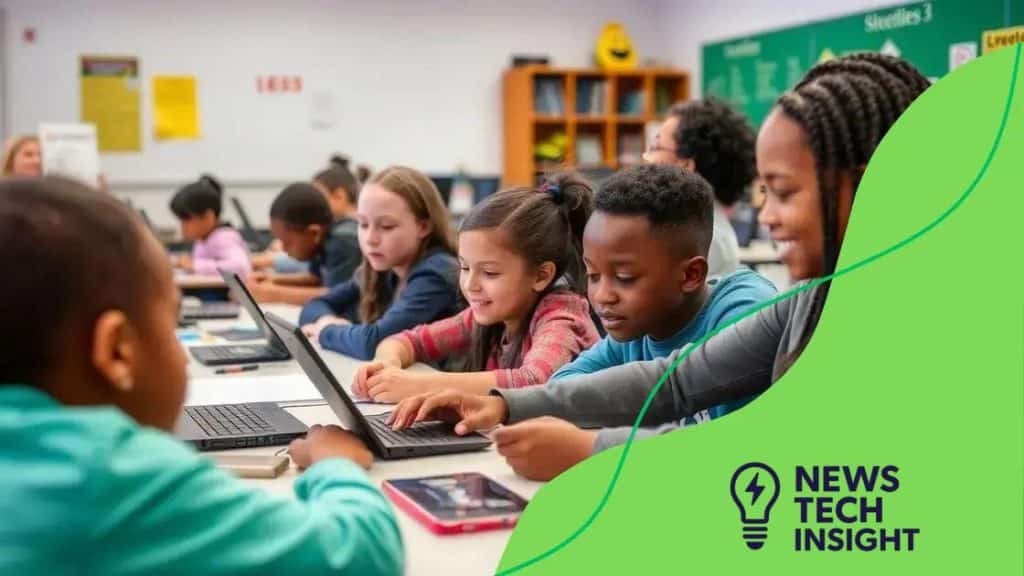
AI-powered personalized learning systems in K-12 enhance education by offering tailored experiences that boost student engagement and performance while addressing individual learning needs through adaptive technology and data analytics.
AI-powered personalized learning systems in K‑12 are transforming the educational landscape, offering tailored experiences that meet individual student needs. Have you ever wondered how technology can change a child’s learning journey? Let’s dive into this fascinating topic!
Understanding AI-powered personalized learning
Understanding AI-powered personalized learning is essential to grasp how this technology revolutionizes education in the K-12 sector. It helps tailor the learning experience for each student, making education more engaging and effective.
What is AI-powered personalized learning?
This approach uses artificial intelligence to assess student performance and preferences. By analyzing data, AI can identify each learner’s strengths and weaknesses.
Key benefits of personalized learning
- Increased student engagement and motivation.
- Targeted support, helping students understand challenging concepts.
- Flexible learning paths suited to individual needs.
The integration of AI in personalized learning also allows for faster feedback. Students receive real-time assessments, enabling them to adjust their study habits quickly. Additionally, teachers can easily monitor progress and intervene when necessary.
Moreover, these systems often incorporate various learning materials like videos, quizzes, and interactive exercises. This variety keeps learners engaged and caters to different learning styles.
How does AI tailor learning experiences?
AI algorithms track student interactions and progress over time. By collecting this data, they can make smart recommendations. For instance, they might suggest specific resources or activities that align with a student’s learning pace.
In essence, AI-powered personalized learning helps create a unique educational journey. It shifts the focus from a one-size-fits-all model to a more individualized approach. This transformation can lead to better learning outcomes and a more enriching experience for students in K-12 education.
Benefits for students and educators in K‑12
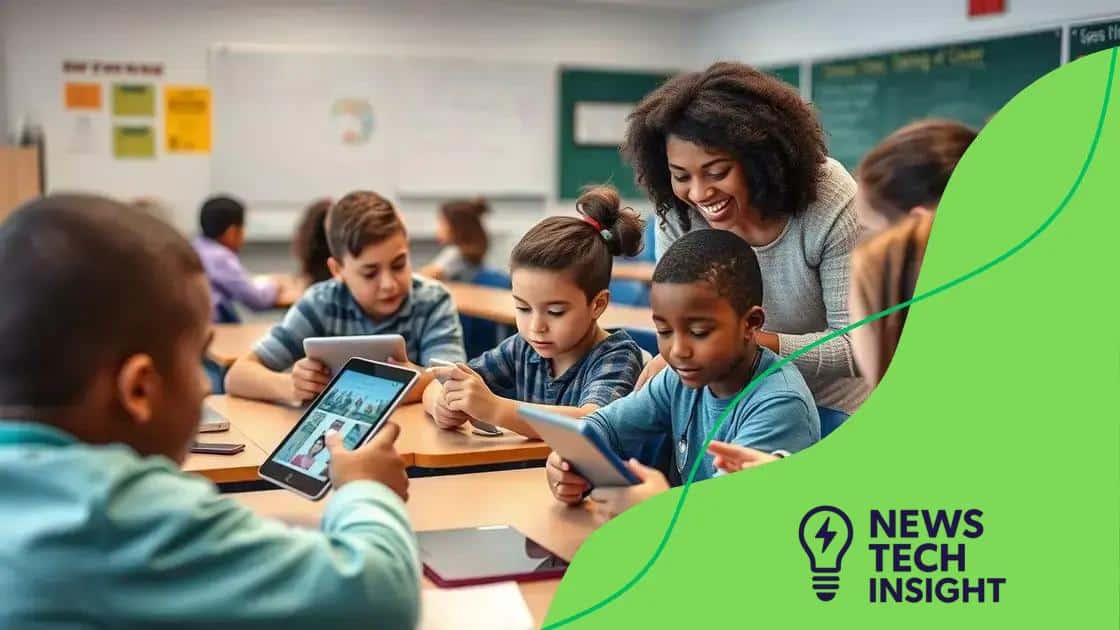
The benefits of AI-powered personalized learning systems for students and educators in K-12 are significant and far-reaching. These systems create a dynamic environment that caters to the unique needs of each learner, enhancing both teaching and learning experiences.
Enhanced engagement for students
One major advantage is increased engagement. When students interact with personalized materials, they tend to stay focused and motivated. This approach allows them to explore subjects at their own pace.
Support for diverse learning styles
Personalized systems are designed to accommodate various learning styles. Whether a student learns better visually, audibly, or kinesthetically, AI can provide tailored resources that resonate with their preferences.
- Visual learners benefit from videos and diagrams.
- Auditory learners engage with podcasts and discussions.
- Kinesthetic learners thrive in hands-on activities.
Furthermore, teachers can benefit significantly from these systems. With AI analytics, educators can better understand student performance and identify areas needing improvement. They gain insights into which teaching methods are most effective for their students.
This data-driven approach enables teachers to make informed decisions about their lessons. They can personalize instructions based on real-time feedback, significantly enhancing educational outcomes.
Increased efficiency in grading
Grading can also become more efficient. Automated tools can quickly assess student work, freeing educators to focus more on instruction and less on paperwork. This leads to more meaningful interactions between teachers and students, fostering a supportive learning environment.
Incorporating AI-powered personalized learning fosters a culture of collaboration between students and educators. Together, they create an optimized learning experience that is not only effective but also enjoyable.
Challenges and considerations in implementation
While implementing AI-powered personalized learning systems in K-12 education brings many benefits, challenges also arise. Understanding these challenges is crucial for successful integration.
Technological infrastructure
One significant hurdle is the need for adequate technological infrastructure. Schools must have reliable internet access and up-to-date devices for all students. Without this foundation, AI systems cannot function effectively.
Training educators
Another challenge involves training educators to use these systems. Teachers must feel comfortable and confident in integrating AI tools into their teaching. Providing ongoing professional development is essential for this transition.
- Professional workshops on AI tools.
- Opportunities for peer collaboration.
- Access to online resources for further learning.
Furthermore, there may be concerns about data privacy. Parents and school administrators often worry about how student data is collected and used. Establishing transparent policies and safeguards can help alleviate these fears.
Also, not all students may respond positively to personalized learning. Some may feel overwhelmed or frustrated by technology. It’s essential to monitor student experiences and provide support where needed, ensuring that all learners benefit.
Budget constraints
Budget constraints can limit the capabilities of schools. Implementing advanced technology often requires significant investment. Schools must carefully consider their budgets, prioritizing spending that best serves student needs.
Ultimately, addressing these challenges requires a collaborative effort among educators, administrators, and technology specialists. By working together, they can create a supportive environment where AI-powered personalized learning thrives.
Future trends in personalized learning systems
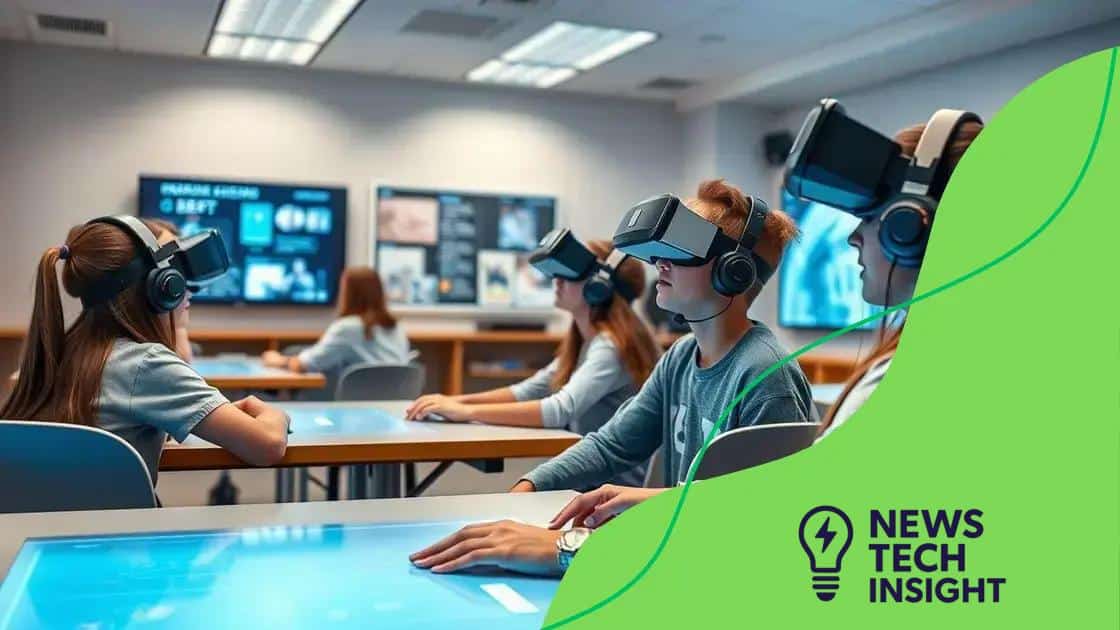
As we look towards the future, personalized learning systems driven by AI will continue to evolve and reshape education in K-12 settings. Anticipating these trends can help educators prepare for what lies ahead.
Increased integration of adaptive technology
One significant trend is the enhanced integration of adaptive technology in personalized learning. These systems will increasingly respond to a student’s unique learning pace and style, providing tailored materials and assessments.
Use of data analytics
Another key development involves the use of data analytics to improve learning outcomes. Schools will increasingly collect and analyze data on student performance, allowing for more informed instructional decisions.
- Identifying learning gaps and strengths.
- Tailoring interventions for individuals or groups.
- Predictive analytics to foresee student performance trends.
This data-driven approach will allow teachers to customize their lessons effectively, ensuring that each student’s needs are met. As technology advances, we may also see the rise of virtual reality (VR) and augmented reality (AR) in personalized learning. These immersive tools can provide students with interactive experiences that deepen understanding.
Another trend is the focus on social-emotional learning (SEL) integrated with personalized systems. As educators recognize the importance of emotional well-being, AI systems may help monitor and support students’ emotional and social needs.
Collaborative learning environments
Moreover, we can expect to see a growth in collaborative learning environments that leverage technology. Students will work together on projects using AI-powered tools that facilitate communication and teamwork.
Ultimately, the future of personalized learning systems will be brighter and more connected. By embracing these trends, educators can create engaging, inclusive, and effective learning experiences for all students.
AI-powered personalized learning systems are transforming education in K-12 schools. They offer unique benefits, such as tailored learning experiences and increased engagement for students. However, challenges like technology needs and data privacy must be addressed. Looking ahead, trends like adaptive technology and social-emotional learning will shape these systems. By embracing these changes, educators can foster an effective and enriching environment that supports every student’s journey.
FAQ – Frequently Asked Questions about AI-Powered Personalized Learning Systems
What are the main benefits of AI-powered personalized learning systems?
These systems offer tailored learning experiences, increased student engagement, and data-driven insights to help educators adapt their teaching strategies.
What challenges do schools face when implementing these systems?
Schools may struggle with technological infrastructure, the need for teacher training, and data privacy concerns.
How will future trends impact AI in personalized learning?
Future trends include increased use of adaptive technology, social-emotional learning integration, and enhanced data analytics for better student support.
How can teachers effectively use AI-powered tools in the classroom?
Teachers can utilize AI tools to monitor student progress, personalize instruction, and create engaging learning environments that foster collaboration.