AI Predictive Maintenance: Slashing Downtime by 15% in US Manufacturing by 2025
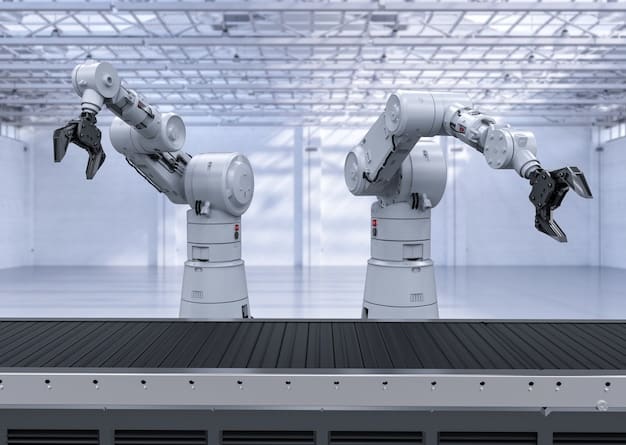
AI-powered predictive maintenance is poised to revolutionize US manufacturing by 2025, leveraging machine learning to analyze equipment data, predict failures, and proactively schedule maintenance, potentially reducing downtime by 15% and significantly boosting operational efficiency.
The US manufacturing sector is on the cusp of a significant transformation, driven by the power of artificial intelligence. AI-powered predictive maintenance can cut downtime by 15% in US manufacturing by 2025, promising increased efficiency and reduced operational costs, forever changing the landscape of how factories operate and maintain their equipment.
The Rise of AI in Predictive Maintenance
Predictive maintenance, powered by artificial intelligence, is rapidly becoming a cornerstone of modern manufacturing. It moves beyond traditional reactive or preventive maintenance, offering a proactive approach that anticipates equipment failures, optimizing maintenance schedules and minimizing disruptions.
This shift is not just about adopting new technology; it’s about fundamentally rethinking how maintenance is managed. By leveraging the vast amounts of data generated by manufacturing equipment, AI algorithms can identify patterns and anomalies that would otherwise go unnoticed, providing insights that enable timely interventions.
What is Predictive Maintenance?
Predictive maintenance uses data analysis tools to monitor the condition of equipment and predict when maintenance should be performed. Its goal is to prevent unexpected equipment failures.
The Role of AI
AI enhances predictive maintenance by automating analysis, identifying complex patterns, and continuously learning from new data. Machine learning algorithms can be trained to recognize subtle indicators of potential issues that human operators might miss.
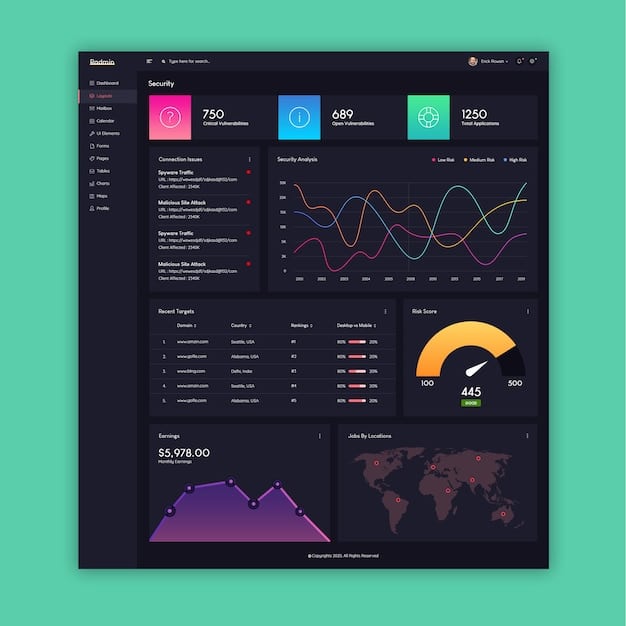
In summary, AI is revolutionizing predictive maintenance, making it more accurate, efficient, and cost-effective. This technology allows manufacturers to optimize their operations, reduce downtime, and improve overall productivity.
Data is the New Oil: How Data Powers AI Maintenance
The effectiveness of AI-powered predictive maintenance hinges on the availability and quality of data. The more data an AI algorithm can access, the more accurate its predictions will be. This data comes from various sources within a manufacturing facility, each providing unique insights into equipment health and performance.
Data collection and analysis enable AI to move beyond simple monitoring and into the realm of prediction. By connecting data points across different systems and time periods, AI can identify correlations and patterns that would be impossible for humans to detect.
- Sensor Data: Sensors attached to equipment monitor temperature, vibration, pressure, and other critical parameters.
- Historical Maintenance Records: Past maintenance logs provide valuable information about failure patterns and the effectiveness of different maintenance procedures.
- Operational Data: Data from manufacturing processes provides context for equipment performance, helping to identify the impact of different operating conditions.
Access to quality data is critical for successful implementation. Manufacturers can leverage data to train AI models to predict equipment failures accurately, optimizing maintenance operations and minimizing downtime.
US Manufacturing at a Crossroads: Downtime Costs
Downtime is a major challenge for US manufacturers, resulting in lost production, increased costs, and reduced competitiveness. The costs associated with downtime can be staggering, often reaching millions of dollars per year for large manufacturing facilities. This financial burden underscores the urgent need for effective solutions that can minimize these disruptions.
Unplanned downtime can disrupt production schedules, delay deliveries, and damage customer relationships. Addressing downtime is not just about saving money; it’s about ensuring the reliability of manufacturing processes and maintaining a competitive edge in the global market. That’s why AI is essential.
The Financial Impact of Downtime
Every hour of downtime can have significant financial implications, including lost revenue, labor costs, and potential penalties for late deliveries.
Operational Challenges
Unplanned downtime can lead to bottlenecks in production, increased stress on equipment, and potential safety hazards for workers.
Addressing downtime is crucial for maintaining the health of the US manufacturing sector. By embracing AI-powered solutions, manufacturers can proactively tackle the root causes of downtime and unlock significant improvements in efficiency and productivity.
Real-World Examples: AI Success Stories in Manufacturing
Several US manufacturers have already experienced the benefits of AI-powered predictive maintenance. These success stories demonstrate the practical applications of AI and the tangible improvements it can bring to manufacturing operations.
From reducing downtime to optimizing maintenance schedules, these examples provide valuable insights into how AI can be implemented effectively. Moreover, they offer concrete proof of the technology’s potential to transform manufacturing.
- Case Study 1: A large automotive manufacturer uses AI to predict failures in its assembly line robots, reducing downtime by 20%.
- Case Study 2: A food processing plant employs AI to optimize maintenance schedules for its packaging equipment, resulting in a 15% reduction in maintenance costs.
- Case Study 3: An aerospace company uses AI to monitor the condition of its CNC machines, preventing unexpected breakdowns and ensuring uninterrupted production.
- Case Study 4: A steel plant implements AI to maintain its furnace, ensuring the safety and efficiency of its processes.
These real-world examples illustrate the diverse applications of AI in manufacturing and the significant benefits it can deliver. By leveraging AI, manufacturers can proactively address maintenance challenges, improve operational efficiency, and drive sustainable growth.
Roadblocks and Pitfalls: Overcoming Implementation Challenges
While the potential of AI-powered predictive maintenance is significant, implementing these solutions can be challenging. Manufacturers must navigate various roadblocks and pitfalls to ensure successful adoption.
From data integration issues to workforce training needs, understanding these challenges is crucial for developing effective implementation strategies. Overcoming these hurdles requires a proactive approach and a commitment to continuous improvement.

Data Integration Challenges
Integrating data from different systems can be complex, requiring careful planning and coordination. Manufacturers must ensure that data is accurate, consistent, and accessible to AI algorithms.
Workforce Training Needs
Implementing AI-powered solutions requires retraining the workforce to interpret AI-generated insights and adapt to automated maintenance processes. Moreover, it’s essential to foster a culture of continuous learning and collaboration.
Manufacturers must proactively address these challenges to unlock the full potential of AI-powered predictive maintenance. By developing robust implementation strategies and investing in workforce training, they can overcome roadblocks and achieve sustainable improvements in efficiency and productivity.
Looking Ahead: The Future of AI in Manufacturing
The landscape of manufacturing is poised for dramatic change with the continued integration of artificial intelligence. Advancements in AI-powered predictive maintenance will play a pivotal role in shaping the industry’s future.
As AI algorithms become more sophisticated, they will be able to provide even more accurate predictions. The integration will allow manufacturers to optimize their operations to an unprecedented level. This ongoing evolution promises to unlock new levels of efficiency and productivity.
Continued Advancements in AI
Ongoing research and development efforts are driving continuous improvements in AI algorithms. These advancements will lead to more accurate predictions and more effective maintenance strategies.
The Rise of Smart Factories
AI is a key enabler of smart factories, where data is seamlessly integrated across all systems. And the integration will empower manufacturers to make data-driven decisions that optimize their operations and drive sustainable growth.
The future of manufacturing is inextricably linked to the evolution of AI. By embracing AI-powered solutions, manufacturers can position themselves for success in an increasingly competitive global market and unlock new opportunities. Additionally, their ongoing commitment to embracing AI solutions will keep manufacturers ahead of the competition.
| Key Point | Brief Description |
|---|---|
| 💡 Predictive Maintenance | Uses data analysis to predict equipment failures. |
| 🤖 Role of AI | Automates analysis and identifies complex patterns. |
| 💰 Downtime Costs | Major financial challenge, leading to lost revenue. |
| 🏭 Smart Factories | AI enables data-driven decisions to optimize operations. |
FAQ
AI-powered predictive maintenance uses artificial intelligence to analyze equipment data and predict when maintenance is needed, preventing unexpected failures.
AI algorithms identify patterns and anomalies in equipment data, providing insights that enable timely maintenance interventions and reducing unplanned downtime.
The main benefits include reduced downtime, optimized maintenance schedules, lower maintenance costs, and improved overall production efficiency.
Data includes sensor data (temperature, vibration), maintenance records, operational data, and environmental conditions to analyze equipment health and performance.
Challenges include data integration complexities, the need for workforce training, and ensuring the accuracy and consistency of data used to train AI algorithms.
Conclusion
AI-powered predictive maintenance offers a transformative approach for US manufacturing aiming to cut downtime and enhance efficiency. By leveraging data analysis, machine learning, and real-world examples, manufacturers can proactively address maintenance challenges, minimize disruptions, and achieve sustainable growth in an increasingly competitive landscape.