AI’s Impact on US Job Market: 3 Emerging Roles for 2026
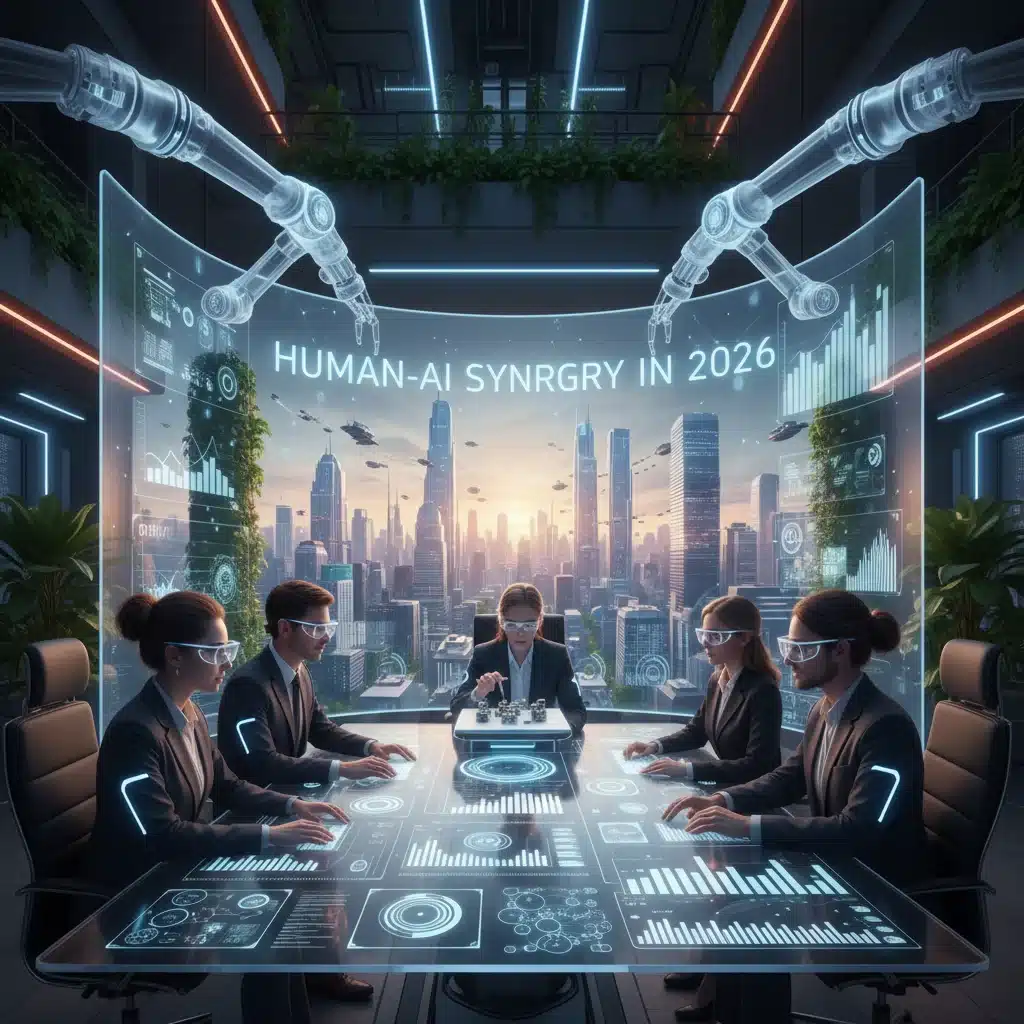
The landscape of the US job market is in the midst of an unprecedented revolution, driven primarily by the rapid advancements in Artificial Intelligence (AI). What was once the realm of science fiction is now an undeniable reality, reshaping industries, redefining job functions, and creating entirely new career paths. As we approach 2026, the influence of AI on the US job market is not merely a forecast but a tangible force, demanding a proactive approach from both individuals and organizations.
For decades, discussions about automation and its potential to displace human workers have been ongoing. However, the current wave of AI, characterized by sophisticated machine learning algorithms, natural language processing, and advanced robotics, presents a more nuanced picture. While some routine and repetitive tasks are indeed susceptible to automation, AI is also proving to be a powerful co-pilot, augmenting human capabilities and fostering innovation. This dual impact necessitates a critical examination of how the AI job market US will evolve and what opportunities lie ahead.
Understanding this evolution is crucial for anyone looking to remain competitive and relevant in the workforce. The shift isn’t just about adapting to new tools; it’s about embracing a new paradigm of work where human creativity, critical thinking, and emotional intelligence are amplified by AI’s analytical power. This article will delve into the profound impact of AI on the US job market, highlight three specific emerging roles that are projected to gain significant prominence by 2026, and provide actionable strategies for individuals to prepare for these exciting new career opportunities.
The AI Revolution: Reshaping the US Job Market
The integration of AI into various sectors of the US economy is not a distant future event; it is happening now. From healthcare and finance to manufacturing and retail, AI is optimizing processes, enhancing decision-making, and creating efficiencies unimaginable just a few years ago. This widespread adoption is fundamentally altering the demand for certain skills and creating a vacuum for new expertise. The AI job market US is becoming increasingly dynamic, requiring continuous learning and adaptation.
One of the most significant impacts of AI is its ability to automate repetitive and data-intensive tasks. This includes everything from data entry and basic customer service to certain aspects of legal research and financial analysis. While this might lead to concerns about job displacement in some sectors, it also frees up human workers to focus on higher-value activities that require uniquely human attributes like creativity, strategic thinking, complex problem-solving, and interpersonal skills. The narrative is shifting from AI replacing jobs to AI transforming jobs.
Moreover, AI is a powerful engine for economic growth. It enables businesses to develop new products and services, reach new markets, and operate more efficiently. This, in turn, creates new industries and expands existing ones, leading to the creation of novel job roles that were previously nonexistent. The challenge, and indeed the opportunity, lies in identifying these emerging roles and equipping the workforce with the necessary skills to fill them. The preparedness of the US workforce for this AI-driven future will be a critical determinant of its economic success and global competitiveness.
The demand for AI-related skills is already skyrocketing. Data scientists, machine learning engineers, AI researchers, and robotics specialists are highly sought after. However, the impact extends beyond these core technical roles. Professionals across all fields will need a foundational understanding of AI, its capabilities, and its ethical implications. This widespread need for AI literacy underscores the transformative nature of this technological shift on the entire AI job market US.
Emerging Role 1: AI Ethics and Governance Specialist
As AI systems become more pervasive and powerful, the ethical considerations surrounding their development and deployment become paramount. Issues such as bias in algorithms, data privacy, accountability for AI decisions, and the societal impact of autonomous systems are no longer theoretical discussions but pressing challenges that require specialized expertise. This is where the role of the AI Ethics and Governance Specialist emerges as a critical component of the future AI job market US.
What does an AI Ethics and Governance Specialist do?
An AI Ethics and Governance Specialist is responsible for ensuring that AI systems are developed and used in a responsible, fair, transparent, and accountable manner. This involves a multidisciplinary approach, blending knowledge of AI technology with ethics, law, public policy, and social science. Their duties may include:
- Developing Ethical Frameworks: Creating guidelines and principles for the ethical design, development, and deployment of AI systems within an organization.
- Bias Detection and Mitigation: Identifying and addressing algorithmic bias in AI models to ensure fair outcomes for all users, regardless of demographic.
- Data Privacy and Security Compliance: Ensuring AI systems comply with data protection regulations (e.g., GDPR, CCPA) and best practices for safeguarding sensitive information.
- Risk Assessment and Management: Evaluating the potential societal, legal, and operational risks associated with AI applications and developing strategies to mitigate them.
- Policy Advocacy and Compliance: Staying abreast of evolving AI regulations and advocating for responsible AI policies, while ensuring internal compliance.
- Transparency and Explainability: Working to make AI decisions more understandable and interpretable to stakeholders, fostering trust and accountability.
- Stakeholder Engagement: Communicating with internal teams, external partners, and the public about ethical AI practices and concerns.
Why is this role emerging?
The rapid proliferation of AI has outpaced the development of robust ethical and regulatory frameworks. High-profile incidents involving biased algorithms, privacy breaches, and unintended consequences have highlighted the urgent need for professionals who can navigate these complex issues. Governments, corporations, and the public are increasingly demanding ethical AI, making this role indispensable in the evolving AI job market US. By 2026, virtually every organization deploying significant AI will require such expertise to manage reputational risk, ensure legal compliance, and build public trust.
How to prepare for this role:
- Education: A strong background in philosophy, ethics, law, public policy, computer science, or a related social science is highly beneficial. Consider pursuing graduate degrees or certifications in AI ethics, responsible AI, or technology policy.
- Technical Understanding: While not necessarily a coder, a foundational understanding of AI/ML concepts, how algorithms work, and common data science practices is crucial to effectively evaluate systems.
- Critical Thinking and Communication: The ability to analyze complex ethical dilemmas, articulate positions clearly, and influence stakeholders is vital.
- Interdisciplinary Skills: Develop skills that bridge technology, law, and social impact. Look for opportunities to work on projects that involve cross-functional teams.

Emerging Role 2: AI Integration and Experience Designer
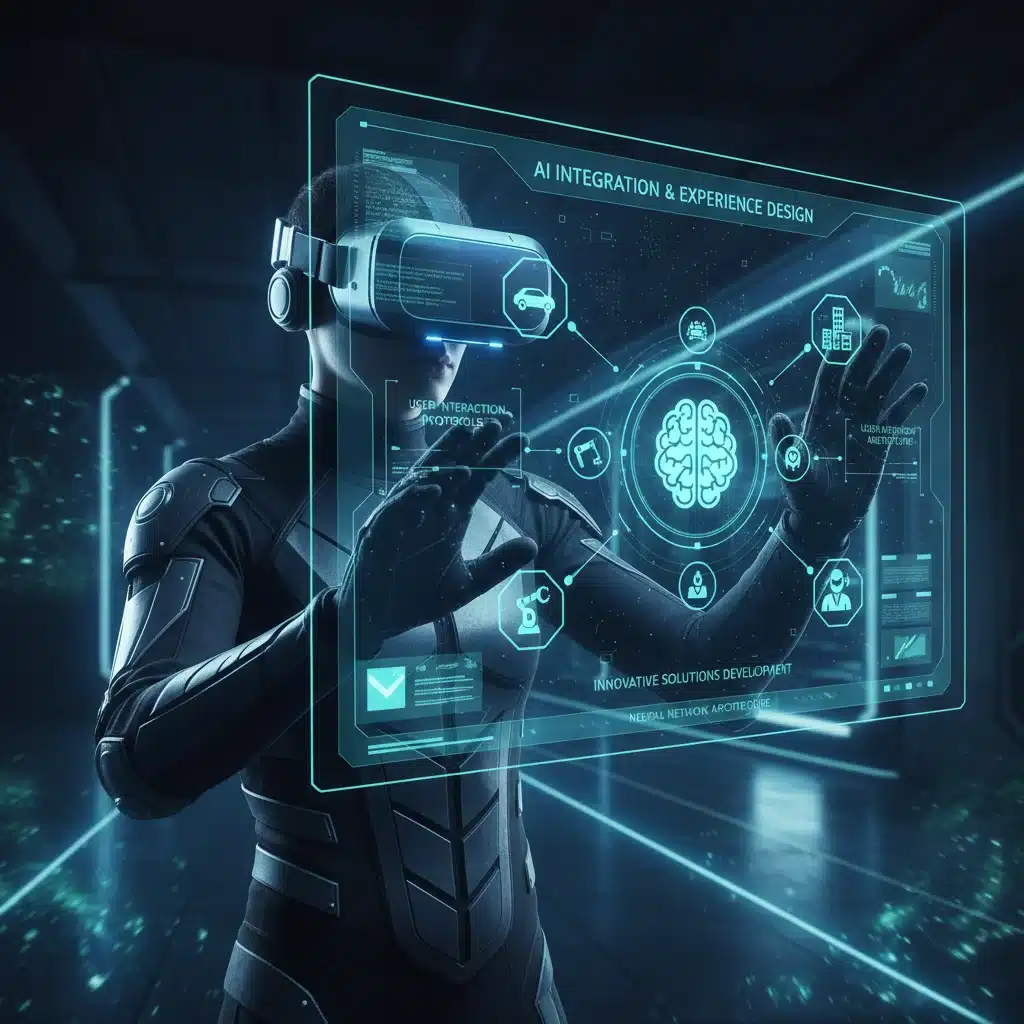
The true value of AI is unlocked when it is seamlessly integrated into existing systems and designed to enhance human experiences rather than complicate them. As AI moves beyond the realm of specialized tools into everyday applications, there is a growing need for professionals who can bridge the gap between complex AI technology and intuitive, user-friendly interfaces. This is the domain of the AI Integration and Experience Designer, a role poised for significant growth in the AI job market US.
What does an AI Integration and Experience Designer do?
This role focuses on designing how users interact with AI-powered products and services, ensuring that these interactions are effective, efficient, and enjoyable. They are concerned with the entire user journey, from initial engagement to long-term adoption. Key responsibilities include:
- User Research for AI: Conducting research to understand user needs, pain points, and behaviors in the context of AI-powered solutions.
- AI System Design: Collaborating with AI engineers and data scientists to design how AI capabilities (e.g., natural language processing, predictive analytics) are exposed and utilized within a product or service.
- Interaction Design: Crafting intuitive and natural interaction models for AI, whether through voice interfaces, chatbots, or intelligent dashboards.
- Prototyping and Testing: Developing prototypes of AI-powered features and conducting user testing to gather feedback and iterate on designs.
- Ethical AI Design Principles: Incorporating principles of transparency, fairness, and trust into the design of AI interactions.
- System Integration Strategy: Planning how new AI components will integrate with existing software infrastructure, ensuring smooth operation and data flow.
- Performance Monitoring and Optimization: Working with development teams to monitor the performance of AI-integrated features and identify areas for improvement based on user feedback and data.
Why is this role emerging?
Early AI applications often suffered from poor usability, leading to user frustration and limited adoption. As AI matures, the focus is shifting from simply making AI work to making AI work *well* for people. Businesses recognize that even the most advanced AI is useless if users can’t understand or effectively interact with it. This demand for human-centered AI design is fueling the growth of this role in the AI job market US, making seamless integration and positive user experience a competitive differentiator.
How to prepare for this role:
- UX/UI Design Foundation: A strong background in User Experience (UX) and User Interface (UI) design principles is essential.
- AI Literacy: Gain a solid understanding of AI capabilities, limitations, and common AI technologies (e.g., machine learning, natural language processing).
- Prototyping Tools: Proficiency in design and prototyping tools (e.g., Figma, Sketch, Adobe XD).
- Communication Skills: Ability to effectively communicate design concepts to technical and non-technical stakeholders.
- Empathy and Problem-Solving: A deep understanding of human psychology and an ability to solve complex user problems through design.
- Systems Thinking: The capacity to understand how different components of a system interact and how AI fits into a larger ecosystem.
Emerging Role 3: AI-Powered Talent & Workforce Strategist
The transformative impact of AI on the workforce extends beyond technical roles; it fundamentally changes how organizations manage their human capital. As AI tools become more sophisticated in areas like recruitment, performance management, training, and workforce planning, a new strategic role is emerging: the AI-Powered Talent & Workforce Strategist. This individual will be crucial for companies navigating the future AI job market US effectively.
What does an AI-Powered Talent & Workforce Strategist do?
This role focuses on leveraging AI technologies to optimize an organization’s human resources strategies, ensuring the right talent is acquired, developed, and retained to meet future business needs. They act as a bridge between HR, IT, and business leadership. Their responsibilities include:
- AI-Driven Workforce Planning: Using AI to forecast future talent needs, identify skill gaps, and predict workforce trends.
- Optimizing Recruitment with AI: Implementing AI tools for candidate sourcing, screening, and assessment to improve efficiency and reduce bias.
- Personalized Learning & Development: Designing AI-powered learning paths and recommending relevant training to upskill and reskill employees for AI-centric roles.
- Performance Management with AI Insights: Utilizing AI to analyze performance data, provide personalized feedback, and identify high-potential employees.
- Ethical AI in HR: Ensuring the fair and ethical application of AI in all HR processes, mitigating bias and ensuring transparency.
- Change Management: Guiding organizations through the cultural and operational shifts required to adopt AI in HR and workforce management.
- HR Technology Implementation: Evaluating, selecting, and overseeing the implementation of AI-powered HR platforms and tools.
Why is this role emerging?
Organizations are realizing that their human capital is their most valuable asset, and AI offers unprecedented opportunities to manage it more strategically. The traditional HR function is evolving beyond administrative tasks to become a data-driven, strategic partner. With AI, talent strategists can make more informed decisions about hiring, retention, and development, directly impacting business performance and competitive advantage. The need to adapt to the changing skill requirements of the AI job market US makes this role indispensable.
How to prepare for this role:
- HR or Business Acumen: A strong foundation in Human Resources, Organizational Development, or Business Management.
- Data Analytics Skills: Proficiency in data analysis, interpretation, and visualization to leverage AI-generated insights.
- AI/ML Fundamentals: An understanding of how AI and machine learning algorithms work, especially in the context of HR applications.
- Change Management Expertise: The ability to lead and manage organizational change effectively.
- Ethical Considerations: A deep awareness of the ethical implications of using AI in talent management, particularly concerning bias and fairness.
- Strategic Thinking: The capacity to connect talent strategies with overall business objectives.
Preparing for the AI-Driven US Job Market: General Strategies
Beyond these specific emerging roles, there are overarching strategies that every professional in the US job market should consider to thrive in an AI-dominated future. The key is to embrace lifelong learning and cultivate uniquely human skills that complement, rather than compete with, AI’s capabilities. The future of the AI job market US is not about humans versus machines, but rather humans *with* machines.
1. Embrace Continuous Learning and Upskilling
The pace of technological change means that skills have a shorter shelf life. Commit to continuous learning through:
- Online Courses and Certifications: Platforms like Coursera, edX, and Udacity offer specialized courses in AI, data science, and related fields.
- Workshops and Bootcamps: Intensive programs can provide hands-on experience and practical skills in emerging technologies.
- Industry Conferences and Webinars: Stay current with the latest trends and network with experts.
- Internal Training Programs: Many organizations are investing in AI literacy and upskilling programs for their employees.
Focus on foundational AI concepts, understanding how AI works, its limitations, and its potential applications in your specific industry. Even if you’re not an AI developer, being AI-literate will be a significant asset.
2. Cultivate Uniquely Human Skills
While AI excels at data processing and pattern recognition, certain human attributes remain irreplaceable. Prioritize developing these skills:
- Critical Thinking and Complex Problem Solving: AI can provide data, but humans interpret, contextualize, and devise innovative solutions to unstructured problems.
- Creativity and Innovation: Generating novel ideas, artistic expression, and out-of-the-box thinking are uniquely human strengths.
- Emotional Intelligence: Understanding and managing emotions, empathy, and building strong interpersonal relationships are crucial for leadership, collaboration, and customer service.
- Communication and Collaboration: Effectively conveying ideas, negotiating, and working in diverse teams become even more important when integrating AI into workflows.
- Adaptability and Resilience: The ability to adjust to new technologies, learn from failures, and navigate uncertainty will be paramount.
3. Develop a ‘Human-AI Collaboration’ Mindset
Instead of viewing AI as a threat, see it as a powerful tool that augments your abilities. Learn how to effectively collaborate with AI systems:
- Understand AI’s Strengths and Weaknesses: Know what AI does well (e.g., data analysis, automation) and where it falls short (e.g., nuanced judgment, ethical reasoning).
- Learn to Prompt and Interact with AI: As AI tools like generative AI become common, the ability to formulate effective prompts and interpret AI outputs will be a valuable skill.
- Focus on Augmentation: Identify how AI can take over tedious tasks, allowing you to concentrate on strategic, creative, and human-centric work.
4. Network and Build Your Personal Brand
In a rapidly changing job market, connections and visibility are more important than ever:
- Industry Events: Attend conferences, meetups, and online forums related to AI and your field.
- Online Presence: Maintain an updated LinkedIn profile, showcasing your skills and interest in AI.
- Thought Leadership: Share insights, write articles, or participate in discussions to establish yourself as a knowledgeable professional in the evolving AI job market US.
Conclusion: Navigating the Future AI Job Market US
The impact of AI on the US job market is profound and undeniable. While it presents challenges, it also unlocks a wealth of opportunities for those prepared to adapt and evolve. The emerging roles of AI Ethics and Governance Specialist, AI Integration and Experience Designer, and AI-Powered Talent & Workforce Strategist are just a few examples of the new career paths being forged by this technological revolution. These roles underscore a fundamental shift: success in the AI era will require a blend of technical understanding, uniquely human skills, and a proactive approach to lifelong learning.
For individuals, the call to action is clear: invest in continuous skill development, foster critical thinking and creativity, and embrace a collaborative mindset with AI. For organizations, the imperative is to strategically integrate AI, prioritize ethical deployment, and invest in upskilling their workforce to harness AI’s full potential. The future AI job market US is not one to be feared, but rather one to be shaped and capitalized upon through strategic preparation and a commitment to human-AI synergy. By understanding these shifts and preparing accordingly, we can collectively build a more innovative, productive, and equitable future workforce.