Best Email Marketing Software for US Businesses in 2025: A Comprehensive Review

Email marketing software is crucial for US businesses in 2025, and this review explores top platforms, analyzing features, pricing, and user experience to help you choose the best fit.
Choosing the right email marketing software: A review of the best platforms for US businesses in 2025 can be a game-changer for your business. With so many options available, finding the perfect fit can feel overwhelming. This article breaks down the top contenders, equipping you with the knowledge to make an informed decision.
Now, let’s delve into the best email marketing platforms for US businesses in 2025.
Understanding your specific business needs is the first step in selecting the right email marketing software. Consider factors like the size of your business, the complexity of your campaigns, and your budget. With these considerations in mind, let’s explore the leading platforms that could revolutionize your email strategy.
Top Email Marketing Platforms for US Businesses
To select the best solutions in 2025, understanding the functionalities and the diverse range of applications for email marketing is essential. From customer relationship management to lead nurturing, this software plays a pivotal role. This section offers insight into several distinguished email marketing platforms, carefully curated for businesses operating across the United States.
Each platform has its own unique set of benefits and drawbacks. The factors to consider when finding what fits your business demands including, but is not limited to, ease of use, scalability, features, pricing and customer support.
Mailchimp: The All-in-One Marketing Powerhouse
Mailchimp is a well-known and recognized platform. It is a user-friendly service that offers a wide range of features, making it a great choice for businesses of all sizes. Its strength lies in its ease of use and comprehensive marketing tools, streamlining email campaign design and management.
Mailchimp offers a variety of features like email automation, list segmentation, and reporting. The platform also enables users to connect their marketing efforts by providing integration with other marketing automation services and e-commerce platforms.
Here are some key benefits and features of Mailchimp:
- User-Friendly Interface: Mailchimp’s drag-and-drop email builder makes it easy to create visually appealing campaigns, even without coding knowledge.
- Automation: Set up automated email sequences to nurture leads and engage customers based on specific triggers or behaviors.
- Segmentation: Target your audience with precision by segmenting your email lists based on demographics, interests, or purchase history.
- Analytics: Track the performance of your email campaigns with detailed reports on open rates, click-through rates, and conversions.
Overall, Mailchimp is an excellent choice for businesses requiring inclusive email marketing software that is intuitive to use.
HubSpot Email Marketing: Seamless Integration with CRM
HubSpot delivers personalized customer service and enhanced customer engagement. HubSpot is much more than just a marketing tool; it’s a comprehensive CRM platform that offers a variety of tools to support you to manage client relations to customer service. With HubSpot, businesses are able to manage all marketing sales and repair efforts.
HubSpot Email Marketing’s incorporation with their CRM allows user access to an entire image of their customers, enabling them to develop more effective, personalized emails.
Features that HubSpot offers include:
- CRM Integration: Seamlessly connects with HubSpot’s CRM to leverage customer data for personalized email campaigns.
- Personalization: Create highly targeted emails with personalized content based on customer data.
- A/B Testing: Optimize your email campaigns by testing different subject lines, content, and calls to action.
- Marketing Automation: Automate repetitive tasks and nurture leads with powerful marketing automation workflows.
HubSpot is a great tool for companies that desire a single solution for customer interactions and marketing.
Sendinblue: Affordable Email Marketing for Growing Businesses
Sendinblue is an email marketing platform that provides email marketing automation and SMS tools to businesses that are expanding more rapidly than expected. Sendinblue stands apart with its competitive pricing and ease of use, which makes it a choice for SMBs seeking complete marketing automation functionalities, all within their budget.
Some features from Sendinblue:
- SMS Marketing: Engage customers with SMS marketing campaigns for promotions, updates, and reminders.
- Transactional Emails: Send automated transactional emails like order confirmations and password resets.
- Landing Pages: Create custom landing pages to capture leads and drive conversions.
- Marketing Automation: Automate your marketing efforts with workflows, segmentation, and lead scoring.
Sendinblue allows businesses to get involved with their email marketing and customer service through many channels, so it is a very comprehensive and cost efficient platform. This tool is very useful for small-to-mid sized companies searching for ways to enhance their marketing engagement.
In conclusion, selecting the most appropriate platform depends on what the business intends to do with its marketing strategy. Consider factors such as the ease of use, scalability options, specific needs, and available resources. By understanding the capabilities of platforms, a business will be enabled to optimize their marketing strategies and achieve better results.
Key Features to Look for in Email Marketing Software
The key features you should be looking for in email marketing software will vary based on your unique business requirements and goals. However, several important features can significantly impact the effectiveness of your email marketing campaigns. When choosing email marketing software, it is crucial to ensure it meets the specific needs of your business.
Email marketing software is not just about sending emails; it’s about connecting with your audience, building relationships, and driving conversions.
Email Automation
An essential element of any email marketing software is email automation. Email automation enables companies to transmit targeted, automated emails to subscribers according to pre-determined trigger points or practices. Automating the email messages guarantees that subscribers are brought interesting content in the ideal moment.
Examples of email automation:
- Welcome Emails: Automatically send a welcome email to new subscribers, introducing your brand and offering a special discount.
- Abandoned Cart Emails: Remind customers about items left in their shopping carts, encouraging them to complete the purchase.
- Birthday Emails: Send personalized birthday emails with special offers to celebrate your customers.
Segmentation and Personalization
Segmentation and personalization is a crucial part of running a successful marketing campaign. Segmentation is where the audience is split in smaller parts and the emails that are sent are catered to each niche part of the overall audience. Personalization allows companies to change emails based on the interests, habits and information collected from each customer.
Examples for personalization in email marketing:
- Personalized Subject Lines: Use the subscriber’s name in the subject line to increase open rates.
- Dynamic Content: Display different content based on the subscriber’s location, industry, or purchase history.
- Product Recommendations: Recommend products based on the subscriber’s past purchases or browsing behavior.
By knowing the key features, businesses can make the most of their strategy, maximizing the value of emails sent and their contact with customers. This tactic is crucial for fostering important relationships and ensuring marketing strategies drive actual results.
Analytics and Reporting
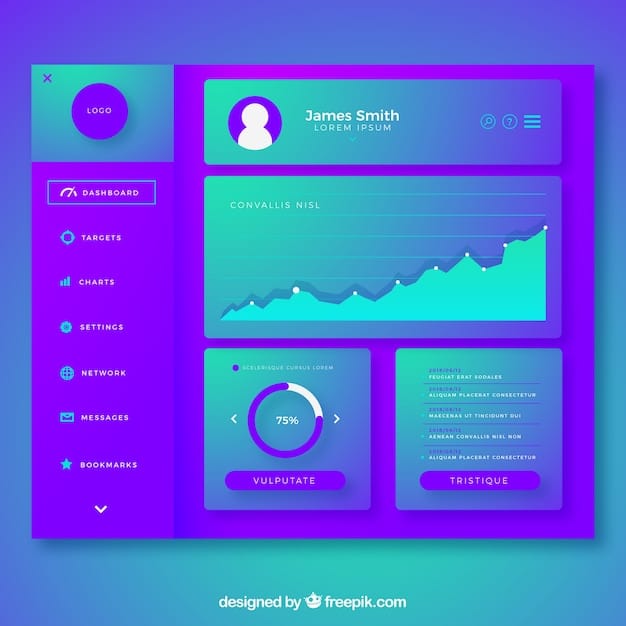
Robust analytics and reporting capabilities are very necessary. By assessing the proper information, businesses are able to get insights on the overall performance of their email campaigns, and in turn they are equipped with the knowledge about how to improve their strategies over the long run.
The metrics to review in email marketing:
- Open Rates: Measures the percentage of subscribers who opened your email.
- Click-Through Rates (CTR): Tracks the percentage of subscribers who clicked on a link in your email.
- Conversion Rates: Shows the percentage of subscribers who completed a desired action, such as making a purchase.
All in all, the functionalities described in this segment enable businesses to create personalized, data-driven campaigns, that in turn lead to increased engagement and sales.
By understanding and leveraging these core features, US businesses may ensure that their email campaigns have the best impact, achieving improved customer engagement and higher ROI.
Integration Capabilities with Other Business Tools
For a cohesive workflow, integration capabilities with other business tools are crucial. The goal is to streamline your marketing processes and improve efficiency, so it is essential to consider how well any email marketing software integrates with other tools.
Connecting your email marketing platform with other tools ensures data flows smoothly between your various business systems. This integration allows for data driven decision-making, improves customer relations, etc.
CRM Systems
CRM systems make certain that every customer communication across sales, marketing, and consumer support are incorporated into an efficient database. Integration with email marketing software allows the use of customer records to better customize email content.
These are integrations with CRM Systems:
- Salesforce: Using the integration with Salesforce, businesses can use their customer accounts to trigger emails and set up lead nurturing expeditions that maximize sales opportunities by increasing the level of personalization in the email messages.
- Microsoft Dynamics 365: Through Dynamics 365 integration, agencies can align their deals and marketing endeavors. That way, they can send customized email messages to leads to maximize lead conversion to sales.
- Zoho CRM: Zoho provides its user-friendly design as well as the scalability to integrate email marketing, customer service administration and sales, and makes sure that the customer is interacting with the Zoho environment across numerous touch points.
E-commerce Platforms
E-commerce platforms supply the basis for online sales operations; the integration can improve customer communication and growth of income with personalized marketing by email.
Examples that can be done when integrating with E-commerce Platforms include:
- Shopify: Shopify integration lets agencies send customized emails, along with cart abandonment alerts, focused on customers’ buying conduct, and that encourages repeat purchases.
- WooCommerce: Integration with WooCommerce enables the businesses to phase emails based on the ordering records and preferences of their customers. It ends in elevated customer pleasure and increased revenue.
- BigCommerce: BigCommerce’s integration helps in personalizing e-mail marketing initiatives, that could consist of sending promotions or updates that enhance the enjoyment of clients while shopping on-line.
Analytics Platforms
Through integration with analytics systems, the effectiveness will become measurable with email marketing efforts and it will be possible to enhance campaigns through facts-pushed optimization.
Analytics platforms:
- Google Analytics: This integration lets marketers track the website online site visitors and conversions as a result of their e-mail campaigns. This allows them to optimize their content and goal for higher results.
- Adobe Analytics: The integration with Adobe Analytics offers superior insights into client behavior across all the channels. This integration allows agencies to create tremendously focused and individualized electronic mail messages.
In summary, integrating different business marketing tools greatly impacts the effectiveness of email marketing software. Integrating CRM systems and e-commerce platforms can improve customer engagement, streamline workflows and increase sales numbers.
Pricing Models and ROI Considerations
Several pricing structures from free plans to enterprise level agreements exist, so choosing what is cost-effective may be an undertaking. Understanding these models and how an email marketing platform is essential.
An important part of determining if the cost of email marketing software is worth it is the returns that the business is getting from its investment. It’s critical to evaluate if the email marketing software selected will eventually deliver the wanted Return on Investment given strategic cost management and the proper use of resources.
Understanding Different Pricing Models
The platforms feature different pricing structures, and knowing them let companies pick the solutions appropriate for their finances and operational scale. The pricing strategies may be roughly labeled into four.
Pricing Model structures in email marketing:
- Free Plans: Free plans offer basic capabilities and are suitable for small businesses or individuals with limited requirements. These plans may have restrictions on the number of subscribers or emails sent per month.
- Tiered Pricing: Tiered pricing plans offer different levels of features and capabilities at varying price points. These plans are suitable for businesses with growing email marketing needs.
- Usage-Based Pricing: Usage-based pricing plans charge based on the number of emails sent or subscribers managed. These plans are suitable for businesses with fluctuating email marketing needs.
- Enterprise Pricing: Enterprise pricing plans offer custom solutions and dedicated support for large organizations with advanced requirements. These plans typically involve negotiating a contract with the vendor.
Calculating ROI from Email Marketing Campaigns
To estimate the email marketing efforts’ Return on Investment, estimate the earnings and compare them to the expenses. Use metrics together with conversion rates, customer lifetime price, and click-through rates to determine the effectiveness of the techniques.
Some key elements of ROI from email marketing:
- Increased Sales: Calculate the revenue generated from email marketing campaigns by tracking sales and conversions attributed to email.
- Customer Retention: Measure the impact of email marketing on customer retention rates and customer lifetime value.
- Cost Savings: Consider the cost savings achieved through email marketing compared to other marketing channels.
Choosing the most suitable pricing model and understanding how it can increase ROI allows organizations to optimize their e-mail strategies by increasing profitability and supporting long-term commercial success.
Future Trends in Email Marketing
Email marketing will continue to evolve, incorporating new technologies, best practices, and trends in the future. Remaining up to date is essential for organizations seeking to harness the entire potential of email marketing.
As technology advances, email marketing evolves to stay in its relevant role and meets the requirements of digital agencies.
Artificial Intelligence (AI) in Email Marketing
AI has the ability to substantially optimize and personalize e-mail advertising in numerous approaches. AI algorithms analyze huge units of information to supply insights into customer conduct and preferences, allowing entrepreneurs to create focused and individualized campaigns.
Benefits of AI in Email Marketing:
- Personalized Recommendations: AI-powered recommendation engines can suggest products or content based on individual customer preferences and behaviors.
- Predictive Analytics: AI can predict campaign performance and optimize email content, subject lines, and send times for maximum impact.
- Chatbots: AI-powered chatbots can engage subscribers in real time, answering questions and providing support.
Personalization and Hyper-Segmentation
With customer information getting increasingly to be had, personalization and hyper-segmentation have become essential for developing engaging e-mail campaigns.
An Overview of Personalization:
- Data-Driven Personalization: Use customer data to personalize email content, subject lines, and send times.
- Behavioral Segmentation: Segment subscribers based on their past behaviors and preferences.
The integration of AI into e-mail marketing allows companies to construct more applicable and efficient campaigns, while personalization and hyper-segmentation guarantee that messages are customized and resonating with the audience. Understanding these trends lets organizations plan ahead and optimize their email techniques to stay ahead of others in the long term.
| Key Aspect | Brief Description |
|---|---|
| 📧 Top Platforms | Review of Mailchimp, HubSpot, and Sendinblue, highlighting their features and benefits. |
| ⚙️ Key Features | Focus on email automation, segmentation, personalization, and analytics. |
| 🔗 Integrations | Importance of integrating with CRM, e-commerce, and analytic platforms. |
| 📈 Future Trends | The role of AI and enhanced personalization in future email marketing. |
Frequently Asked Questions (FAQ)
▼
Email marketing software helps businesses manage and automate email campaigns. It’s crucial for reaching customers, promoting products, and building relationships, all while tracking and optimizing campaign performance for better results.
▼
Consider your business size, budget, and goals. Evaluate features like automation, segmentation, integration, and reporting. Mailchimp suits beginners, HubSpot offers CRM integration, and Sendinblue is great for growing businesses.
▼
Look for email automation, which allows you to engage your email list at the proper time, as well as segmentation and personalization options so that you can send focused emails according to the interests each customer possesses.
▼
Track metrics like open rates, click-through rates, conversion rates, and sales generated from email campaigns. Compare these results with campaign costs, including software fees and resource expenditure.
▼
Keep an eye on artificial intelligence’s role for hyper-personalization, and advanced audience division. Adopting these trends that are expected to arrive in the future will maximize the effectiveness of techniques used in email marketing.
Conclusion
Selecting the right **email marketing software: A review of the best platforms for US businesses in 2025** involves assessing different options to fit the needs of your company. By understanding each platform’s unique features and pricing, your organization can leverage email marketing. By making wise choices, companies can build relationships, drive revenue and achieve long-term success .