Boost ROI with AI-Powered Marketing in the US Market
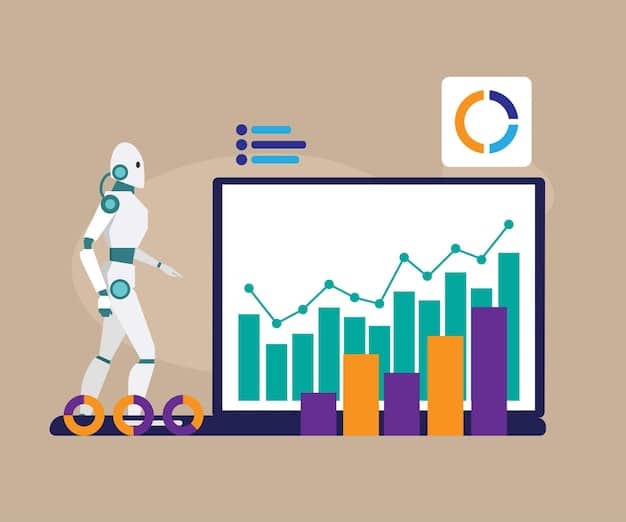
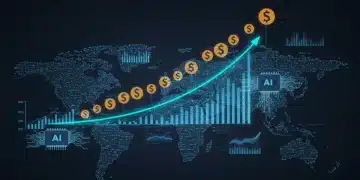
AI-Powered Marketing: Optimizing Ad Campaigns for 18% Higher ROI in US Market leverages artificial intelligence to analyze data, personalize ad experiences, and automate processes, leading to more efficient and effective campaigns and a substantial increase in return on investment.
Are you ready to revolutionize your marketing strategy in the US market? AI-Powered Marketing: Optimizing Ad Campaigns for 18% Higher ROI in US Market is not just a buzzword—it’s a real opportunity to enhance your marketing efforts and see tangible results. Let’s explore how.
Understanding the Basics of AI in Marketing
Artificial intelligence is rapidly transforming various facets of business, and marketing is no exception. AI’s ability to process vast amounts of data and identify patterns allows it to provide insights and automate tasks that were previously time-consuming and resource-intensive.
What is AI-Powered Marketing?
AI-powered marketing involves using AI technologies such as machine learning, natural language processing (NLP), and predictive analytics to enhance marketing strategies and operations. This approach enables marketers to make data-driven decisions, personalize customer experiences, and optimize campaigns for better performance.
Key Components of AI in Marketing
Several AI technologies play crucial roles in marketing. Machine learning algorithms can predict customer behavior and optimize ad targeting. NLP enables machines to understand and respond to human language, improving chatbots and content optimization. Predictive analytics helps forecast future trends and outcomes, allowing marketers to make proactive adjustments.
- Machine Learning: Algorithms that learn from data without explicit programming.
- Natural Language Processing (NLP): Enables computers to understand and process human language.
- Predictive Analytics: Uses data to forecast future outcomes and trends.
By integrating these AI components, marketers can achieve a deeper understanding of their audience and create more effective campaigns. This leads to better engagement, higher conversion rates, and ultimately, a greater return on investment.
The Current State of AI Marketing in the US
The US market has been at the forefront of adopting AI in marketing. A growing number of companies are recognizing the potential benefits and investing in AI-driven technologies to gain a competitive edge. However, the adoption rate varies across industries and company sizes.
Adoption Rates and Trends
While large enterprises are typically the early adopters, smaller and medium-sized businesses (SMBs) are also increasingly implementing AI solutions. Current trends include the integration of AI into advertising platforms, content creation tools, and customer relationship management (CRM) systems. This widespread integration is making AI more accessible and affordable for businesses of all sizes.
Challenges and Opportunities
Despite the promising outlook, challenges remain. Data privacy concerns, the need for skilled AI professionals, and the complexity of implementing AI solutions are significant hurdles. However, these challenges also present opportunities for innovation and the development of user-friendly AI tools tailored to marketing needs.
How AI Optimizes Ad Campaigns
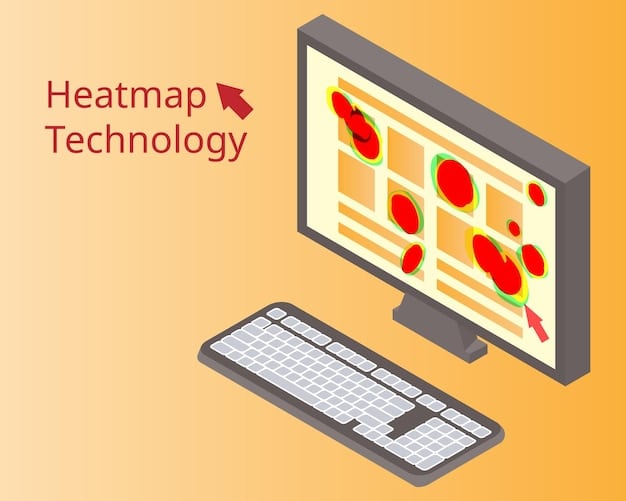
One of the most significant benefits of AI in marketing is its ability to optimize ad campaigns. AI can analyze vast amounts of data to identify the most effective targeting parameters, ad creatives, and bidding strategies, leading to better ad performance.
Targeting with AI
AI enhances ad targeting by analyzing demographic, behavioral, and contextual data to identify the most relevant audience segments. Machine learning algorithms can predict which users are most likely to convert based on their past interactions and online behavior. This precision targeting reduces wasted ad spend and improves conversion rates.
Creating Dynamic Ad Creatives
AI can also be used to generate dynamic ad creatives tailored to individual users. By analyzing user data, AI can identify the most effective headlines, images, and calls to action for each user. This personalization increases ad relevance and engagement, leading to higher click-through rates (CTRs) and conversion rates.
- Personalized Ads: AI-driven insights for tailored ad experiences.
- A/B Testing: Automated testing to identify optimal ad elements.
- Real-Time Optimization: Continuous adjustments based on performance data.
Furthermore, AI algorithms can continuously optimize ad creatives based on real-time performance data. This iterative optimization process ensures that ads are always performing at their best, maximizing the return on investment.
Case Studies: Achieving 18% Higher ROI
Numerous case studies demonstrate the potential of AI to significantly improve ROI in marketing. These examples showcase how companies have successfully implemented AI solutions to optimize their ad campaigns and achieve tangible results.
Case Study 1: E-commerce Retailer
An e-commerce retailer used AI to personalize ad targeting and dynamic ad creatives. By analyzing customer data and predicting purchase behavior, the retailer was able to target ads to the most likely buyers with highly relevant product recommendations. This resulted in an 18% increase in ROI compared to their previous non-AI-driven campaigns.
Case Study 2: Financial Services Company
A financial services company implemented AI-powered chatbots to improve customer engagement and lead generation. The chatbots provided personalized financial advice and guided users through the application process. This increased lead conversion rates and resulted in an 18% higher ROI on their marketing spend.
Key Takeaways from Successful Implementations
These case studies highlight the importance of data-driven decision-making, personalization, and continuous optimization. Companies that successfully implement AI in marketing are able to achieve significant improvements in ROI by leveraging the power of AI to understand their audience and tailor their campaigns accordingly.
Tools and Platforms for AI Marketing
A wide range of AI-powered tools and platforms are available to help marketers optimize their ad campaigns. These tools offer various capabilities, including ad targeting, content creation, and performance analytics.
Popular AI Marketing Platforms
Several leading marketing platforms have integrated AI capabilities to enhance their functionality. Google Ads, Facebook Ads Manager, and HubSpot are among the platforms that offer AI-driven tools for ad targeting, bidding, and creative optimization. These platforms make it easier for marketers to leverage AI without requiring extensive technical expertise.
Specialized AI Tools
In addition to general marketing platforms, there are also specialized AI tools designed for specific marketing tasks. Tools like Phrasee and Persado use AI to generate high-performing ad copy, while tools like Albert AI automate campaign management and optimization. These specialized tools can provide significant advantages for marketers looking to gain a competitive edge.
- Google Ads: AI-powered ad targeting and bidding.
- Facebook Ads Manager: AI for personalized ad experiences.
- HubSpot: Integrated AI for marketing automation.
By carefully selecting the right tools and platforms, marketers can leverage AI to streamline their operations, improve their campaign performance, and achieve a higher return on investment.
Future Trends in AI Marketing
As AI technology continues to evolve, its impact on marketing is expected to grow even further. Several emerging trends are poised to shape the future of AI marketing in the US and beyond.
Personalization at Scale
AI will enable marketers to deliver even more personalized experiences at scale. Advanced AI algorithms will analyze vast amounts of customer data to create highly individualized marketing campaigns. This level of personalization will significantly enhance customer engagement and loyalty.
Automation of Marketing Tasks
AI will further automate many marketing tasks, freeing up marketers to focus on strategic planning and creative innovation. AI-powered tools will handle routine tasks such as ad bidding, content scheduling, and customer segmentation, allowing marketers to be more productive and efficient.
Ethical Considerations and Challenges
As AI becomes more prevalent in marketing, ethical considerations will become increasingly important. Issues such as data privacy, algorithmic bias, and transparency will need to be addressed to ensure that AI is used responsibly and ethically. Overcoming these challenges will be crucial for building trust with customers and maintaining a positive brand reputation.
| Key Point | Brief Description |
|---|---|
| 🎯 AI-Driven Targeting | Precision targeting using AI algorithms to identify high-potential customers. |
| 🤖 Dynamic Ad Creatives | AI-generated ads tailored to individual user preferences for higher engagement. |
| 📈 ROI Improvement | Case studies show an average of 18% ROI increase with AI-powered marketing. |
| ⚙️ Automation | Automated campaign management frees marketers for strategic tasks. |
FAQ
AI-powered marketing uses artificial intelligence to analyze data, automate tasks, and personalize customer experiences, improving campaign effectiveness.
AI optimizes ad campaigns through precision targeting, dynamic ad creation, and real-time adjustments based on performance data.
AI provides US marketers with improved targeting, personalized ads, increased ROI, and automated tasks, enhancing their marketing efforts.
Popular tools include Google Ads, Facebook Ads Manager, and specialized platforms like Phrasee and Albert AI for different marketing needs.
Future trends include greater personalization, increased automation, and addressing ethical considerations for responsible AI usage in marketing.
Conclusion
Adopting AI-powered marketing strategies presents a significant opportunity for businesses in the US market to optimize their ad campaigns and achieve substantial ROI improvements. By understanding the basics of AI, leveraging available tools, and staying informed about future trends, marketers can unlock the full potential of AI to drive growth and success.