Cash payments still common despite digital rise
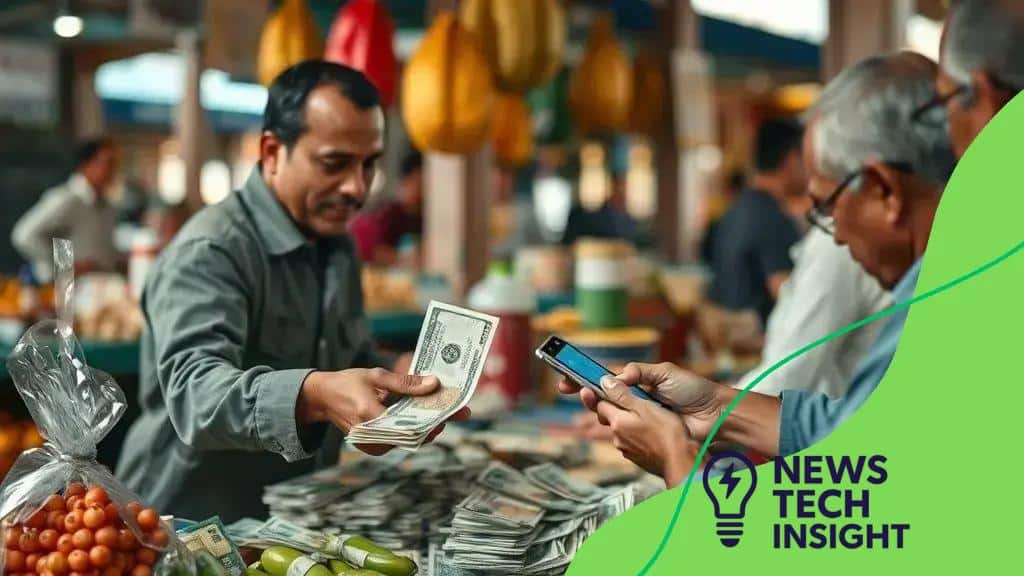
Cash payments remain common despite the digital rise due to their reliability, security, and accessibility, while digital payments offer convenience and speed in financial transactions.
Cash payments still common despite digital rise, and it brings forth intriguing questions about our spending preferences. Have you ever wondered why many still cling to cash in an increasingly digital era? Let’s dive into this fascinating topic.
Understanding the prevalence of cash payments
Understanding the prevalence of cash payments is crucial in today’s digital age. While many opt for digital transactions, cash payments remain a strong option for many consumers around the world. This is often due to comfort, tradition, and practical scenarios.
Why Cash Payments Persist
There are several reasons why people still prefer cash. One significant factor is privacy. Cash transactions do not leave a digital trail, appealing to those who value anonymity.
- Immediate transaction completion.
- No reliance on technology.
- Encouragement of budgeting and spending control.
Another aspect is the accessibility of cash. Not everyone has a bank account or smartphone, making cash a necessary option for many individuals.
The Cultural Aspect
In some cultures, cash is deeply rooted in financial practices. Celebrations, such as weddings and local markets, often involve cash transactions. This reliance can be attributed to traditions passed down through generations, showcasing a unique blend of historical significance and trust in tangible currency.
Additionally, cash payments can foster a sense of community when people engage in local commerce. Supporting local businesses often leads to cash exchanges, which helps strengthen neighborhood ties.
Despite the growing presence of digital payments, the comfort of cash persists. Individuals continue to appreciate the tactile nature of handling physical currency, knowing exactly what they possess at any moment.
Factors influencing cash payment usage

Factors influencing cash payment usage are essential to understand why cash still holds strong in today’s economy. Despite the rise of digital payments, there are several reasons that keep cash relevant in financial transactions.
Trust and Security
Many consumers trust cash payments more than digital methods. This trust comes from the direct control individuals have over physical money. They feel secure knowing their savings are not subject to hacking or technical failures.
- No risk of online fraud.
- Immediate transaction completion.
- Direct control over spending.
This sense of security contributes to a preference for local purchases where cash is often more accepted. In this way, cash acts as a reliable method of transaction.
Socioeconomic Factors
Demographics also play a significant role in cash usage. Individuals in lower socioeconomic brackets may not have access to banking technology and rely on cash for daily transactions. In contrast, older generations may prefer cash due to familiarity and comfort.
Additionally, the cultural background can influence the choice of payment as people from certain cultures see cash as more reliable than plastic money. Factors like education and financial literacy also come into play, shaping how different groups perceive payment methods.
Certain environments enhance cash usage as well. For example, at local markets or during festivals, there’s often a strong emphasis on cash transactions, creating a vibrant atmosphere of community engagement.
Comparing cash and digital payment advantages
Comparing cash and digital payment advantages highlights the strengths and weaknesses of both methods. While technology is changing how we pay, understanding the unique benefits of cash payments versus digital options is essential for informed choices.
Advantages of Cash Payments
One of the most appealing aspects of cash is its simplicity. Users can make transactions without needing a phone or internet connection, making it accessible to everyone. Moreover, cash can help with budget management by allowing individuals to physically see and handle their money.
- No transaction fees.
- Immediate ownership once paid.
- Privacy and anonymity in purchases.
These features make cash appealing in various settings, especially for small or informal transactions. People feel more in control when paying in cash, as they are less likely to overspend.
Advantages of Digital Payments
On the other hand, digital payments are designed for convenience and speed. Many people enjoy the ease of tapping a phone or card to make a purchase, reducing the time spent at registers. Furthermore, digital payments often allow users to track their spending through apps, which can aid in financial management.
Another benefit is the ability to make transactions from anywhere, whether online or in-store, thus enhancing shopping flexibility. Digital payments also provide more security features, such as encryption and fraud monitoring, which contribute to safer transactions.
While cash remains a vital payment option, digital alternatives bring a level of convenience and functionality that appeals to many consumers today.
Future of cash payments in a digital world

The future of cash payments in a digital world is a topic of growing interest. As technology advances, many wonder how cash will coexist with rising digital payment options. The truth is, cash still plays a significant role in financial transactions.
The Enduring Need for Cash
Even as digital payments gain popularity, there are aspects of cash that are irreplaceable. For many people, especially in certain demographics, cash is essential for daily life. It provides a sense of security and control that digital payments may not offer. Conversely, some individuals rely on cash due to limited access to banking services and technology.
- High usage in informal transactions.
- Continuous demand in niche markets.
- Preference for face-to-face exchanges among certain populations.
These factors highlight the enduring need for cash, even in an increasingly digital landscape.
Adapting to Change
As we look forward, the coexistence of cash and digital payments will evolve. Many retailers now offer options for both types of payments, understanding that customers have diverse preferences. Cashless zones may increase in popular urban areas, but cash transactions will likely remain prevalent in less urbanized regions.
Additionally, innovations in cash handling, such as smart ATMs and self-service kiosks, can enhance the user experience and improve the safety of cash transactions. These advancements show that while cash may evolve, it will not disappear completely.
In summary, while the digital world continues to grow, cash will adapt alongside it. Understanding this balance will be crucial for consumers and businesses as they navigate the future of payments.
FAQ – Frequently Asked Questions about Cash Payments
Why do people still prefer cash payments?
Many consumers prefer cash for its reliability, ease of use, and the sense of control it provides over their spending.
What are the advantages of digital payments?
Digital payments are convenient and fast, often allowing for quick transactions without the need for physical cash.
How does cash provide security in transactions?
Cash transactions do not leave digital trails, which offers privacy and protects consumers from online fraud.
Will cash payments disappear in the future?
While digital payments are on the rise, cash is expected to remain relevant and coexist with digital options, especially in certain demographics and environments.