Choosing the Right Smart Thermostat: Save Up to 15% on Energy
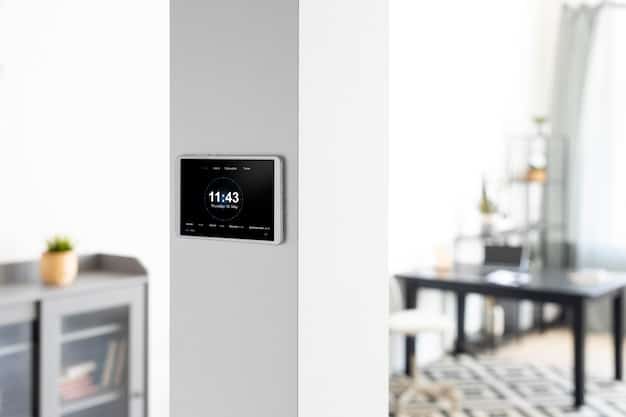
Choosing the right smart thermostat can lead to significant energy savings, potentially reducing your energy bills by up to 15% through automated temperature adjustments and remote control capabilities.
Are you looking to cut down on your energy bills without sacrificing comfort? Choosing the right smart thermostat is a game-changer for homeowners seeking efficiency and convenience. These devices learn your habits, adjust temperatures automatically, and can even be controlled remotely.
Understanding Smart Thermostats and Energy Savings
Smart thermostats have revolutionized home climate control, offering features that go beyond traditional thermostats. By understanding how they work, you can unlock significant energy savings and create a more comfortable living environment.
How Smart Thermostats Work
Smart thermostats connect to your home’s Wi-Fi network, allowing them to be controlled remotely via a smartphone app or web interface. They use sensors and algorithms to learn your heating and cooling preferences over time.
Potential for Energy Savings
The U.S. Department of Energy estimates that smart thermostats can save homeowners up to 15% on heating and cooling costs. These savings are achieved through features like automated scheduling and geofencing.
- Automated Scheduling: Smart thermostats allow you to create custom schedules based on your daily routines. This ensures that your home is only heated or cooled when you’re actually there.
- Geofencing: This feature uses your smartphone’s location to detect when you’re coming home. The thermostat can then automatically adjust the temperature to your preferred setting before you arrive.
- Learning Capabilities: Many smart thermostats learn your habits and preferences over time, further optimizing energy usage without requiring manual adjustments.
Smart thermostats offer a blend of convenience and energy efficiency. By automating temperature adjustments and providing remote control, they empower homeowners to save money and reduce their environmental impact.
Key Features to Consider When Choosing a Smart Thermostat
Selecting the right smart thermostat involves considering several key features. These features will determine how well the thermostat integrates into your home and meets your specific needs.
Compatibility with Your HVAC System
Before purchasing a smart thermostat, it’s crucial to ensure that it’s compatible with your existing HVAC (Heating, Ventilation, and Air Conditioning) system. Most smart thermostats are designed to work with a wide range of systems, but it’s always best to double-check.
Wi-Fi Connectivity and App Control
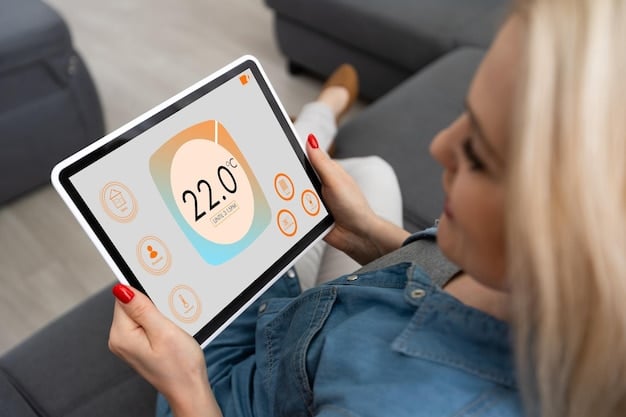
A reliable Wi-Fi connection is essential for smart thermostat functionality. Ensure that the thermostat you choose has a strong Wi-Fi connection and a user-friendly app for remote control and monitoring.
- Remote Access: Control your thermostat from anywhere using your smartphone or tablet. Adjust the temperature, view energy usage reports, and receive alerts.
- User Interface: Look for an app with an intuitive interface that’s easy to navigate and understand.
- Alerts and Notifications: Receive notifications on your smartphone for things like unusual temperature fluctuations or reminders to change your HVAC filter.
By carefully evaluating these key features, you can choose a smart thermostat that seamlessly integrates into your home and provides the energy savings and convenience you’re looking for.
Understanding Compatibility with Your HVAC System
Ensuring compatibility between your new smart thermostat and existing HVAC system is a critical first step. Incompatibility can lead to operational issues, reduced efficiency, or even damage to the heating and cooling systems.
Checking Voltage Requirements
Smart thermostats require a certain voltage level to operate correctly. Typically, they need either 24V or a “common” wire (C-wire) for power. Not all older HVAC systems have a C-wire installed.
Types of HVAC Systems Supported
Most smart thermostats support standard HVAC systems like furnaces, air conditioners, and heat pumps. However, more complex systems, such as those with multiple zones or specialized features, may require a thermostat with advanced compatibility.

- Single-Stage Systems: These are the simplest HVAC systems, with a single level of heating or cooling output. Most smart thermostats are compatible with single-stage systems.
- Multi-Stage Systems: These systems have multiple levels of heating or cooling output, allowing for more precise temperature control and energy efficiency. Look for smart thermostats that specifically support multi-stage systems.
- Heat Pumps: Heat pumps provide both heating and cooling by transferring heat between the inside and outside of your home. Ensure that the smart thermostat you choose is compatible with heat pump systems, as they have unique wiring configurations.
Verifying compatibility with your HVAC system can avoid installation headaches and ensure that your smart thermostat operates effectively and efficiently.
Installation and Setup: DIY vs. Professional
The installation of a smart thermostat varies in complexity. Deciding whether to tackle it yourself or hire a professional installer is a key consideration, balancing cost, skill level, and potential complications.
DIY Installation: What to Consider
DIY installation can be a cost-effective option if you have some basic electrical knowledge and are comfortable working with wiring. However, it’s essential to proceed with caution and follow the manufacturer’s instructions carefully.
Benefits of Professional Installation
Professional installation ensures that your smart thermostat is properly connected to your HVAC system, configured correctly, and optimized for energy efficiency. This can save you time, reduce the risk of errors, and provide peace of mind.
- Expertise: Professional installers have experience working with various HVAC systems and smart thermostats. They can quickly identify and resolve any compatibility issues or wiring challenges.
- Warranty Protection: Some smart thermostat manufacturers require professional installation to maintain warranty coverage.
- Optimal Configuration: Professionals can configure your smart thermostat to maximize energy savings and comfort.
The decision between DIY and professional installation depends on your individual circumstances, skill level, and budget. Assess the complexity of your HVAC system and your comfort level with electrical work before making a choice.
Integrating with Smart Home Ecosystems
Smart thermostats are often part of a larger smart home ecosystem. Understanding how they integrate with other devices and platforms is important for creating a connected, automated home.
Voice Control Compatibility
Many smart thermostats are compatible with popular voice assistants like Amazon Alexa, Google Assistant, and Apple Siri. This allows you to control your thermostat using voice commands, adding another layer of convenience.
IFTTT and Home Automation
IFTTT (If This Then That) is a web service that allows you to create custom automations between different smart home devices and services. Some smart thermostats support IFTTT integration, enabling you to create rules like “If the temperature reaches 80 degrees, turn on the ceiling fan.”
- Seamless Integration: Compatible ecosystems ensure that all your smart devices work together seamlessly.
- Enhanced Automation: Create custom routines that involve multiple devices, such as adjusting the thermostat, turning on lights, and locking doors simultaneously.
- Centralized Control: Manage all your smart home devices from a single app or platform.
By exploring the integration capabilities of smart thermostats, you can create a truly connected and automated home that simplifies your life and enhances your energy efficiency.
Maximizing Energy Savings with Your Smart Thermostat
Once your smart thermostat is installed, optimizing its settings and usage is key to maximizing energy savings. Small adjustments to your habits and preferences can substantially lower your energy bills over time.
Creating a Customized Schedule
The most effective way to save energy with a smart thermostat is to create a customized schedule that aligns with your daily routines. Set different temperature settings for when you’re home, away, and asleep.
Using Geofencing Effectively
Geofencing can automatically adjust the temperature based on your location. To maximize savings, set the geofence radius to a reasonable distance from your home, allowing the thermostat to adjust before you arrive or after you leave.
- Regular Adjustments: Update your schedule as your routines change.
- Seasonal Optimization: Adjust your settings for different seasons to reflect changes in outdoor temperatures.
- Energy Reports: Use the thermostat’s energy reports to identify areas where you can further reduce energy consumption.
Smart thermostats provide the tools, but it’s ultimately your engagement and optimization that will determine the extent of your energy savings. Start with small adjustments, monitor your energy usage, and refine your settings over time to achieve the best possible results.
| Key Point | Brief Description |
|---|---|
| 💡 Compatibility | Ensure the thermostat works with your HVAC system. |
| 📱 App Control | Check for an easy-to-use app for remote access. |
| 📅 Scheduling | Utilize custom schedules for optimal savings. |
| 📍 Geofencing | Set up geofencing to adjust temperatures automatically. |
Frequently Asked Questions
▼
Savings vary, but many users report a 10-15% reduction on energy bills. This depends on your habits, climate, and how well you optimize the thermostat’s settings for your home.
▼
No, many are designed for DIY installation if you’re comfortable with basic wiring. However, complex HVAC systems might benefit from professional setup to ensure proper functionality.
▼
Most work with standard HVAC systems, but it’s crucial to check compatibility with your specific setup, especially for multi-stage systems or heat pumps. Check the product specifications.
▼
Yes, one of the main benefits is remote control via a smartphone app. This allows you to adjust temperatures, set schedules, and monitor energy usage from anywhere.
▼
Geofencing uses your phone’s location to detect when you leave or approach home. It automatically adjusts the thermostat to energy-saving settings when you’re away, and pre-heats/cools before you arrive.
Conclusion
Choosing the right smart thermostat can significantly impact your energy consumption and comfort. By understanding your needs, researching available features, and optimizing your settings, you can unlock substantial savings and create a smarter, more efficient home.