Claire’s Chapter 11 bankruptcy: a shift in retail
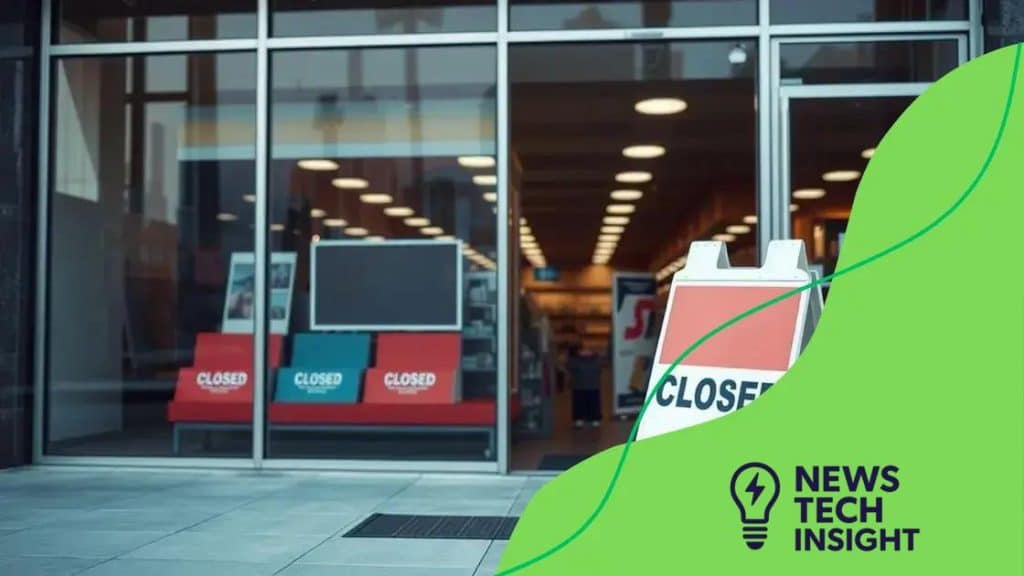
Claire’s Chapter 11 bankruptcy demonstrates significant shifts in the retail sector, emphasizing the importance of e-commerce, technology, sustainability, and strong customer engagement for future business success.
Claire’s Chapter 11 bankruptcy is more than just a financial setback; it marks a significant shift in the retail landscape. Have you considered how this affects your favorite brands and shopping habits? Let’s delve into the implications.
The implications of Claire’s bankruptcy
The implications of Claire’s bankruptcy are far-reaching and can affect many aspects of the retail industry. Understanding these effects is crucial for both consumers and businesses. In this section, we will explore what this bankruptcy means for the market.
Financial Impact on Retailers
Claire’s bankruptcy signals potential financial troubles for other retailers in similar sectors. Retailers often face increased scrutiny and may need to reconsider their strategies. This is especially true for businesses relying heavily on mall traffic.
Changing Consumer Behavior
The shifting landscape affects consumer preferences too. Shoppers may become more cautious, opting for brands that demonstrate financial stability. As customers reassess their loyalty, retail businesses must focus on building trust.
- Transparency in operations is key.
- Brands must offer value and unique experiences.
- Engaging marketing strategies become essential.
The trend indicates that consumers are looking for brands they can depend on, especially during uncertain times. Retailers must adapt by prioritizing quality and customer service.
Potential for Innovation
Interestingly, this situation can also stimulate innovation. As some brands struggle, others may find opportunities to reposition themselves. New entrants into the market could provide fresh ideas, filling voids left by bankrupt retailers.
- Startups may offer unique products.
- Established brands might pivot their strategies.
- Collaboration among companies can foster growth.
Overall, while Claire’s bankruptcy poses challenges, it also opens the door for new ideas and revitalized market strategies. Businesses must remain vigilant and adaptive to the ever-changing landscape.
How retail dynamics are changing
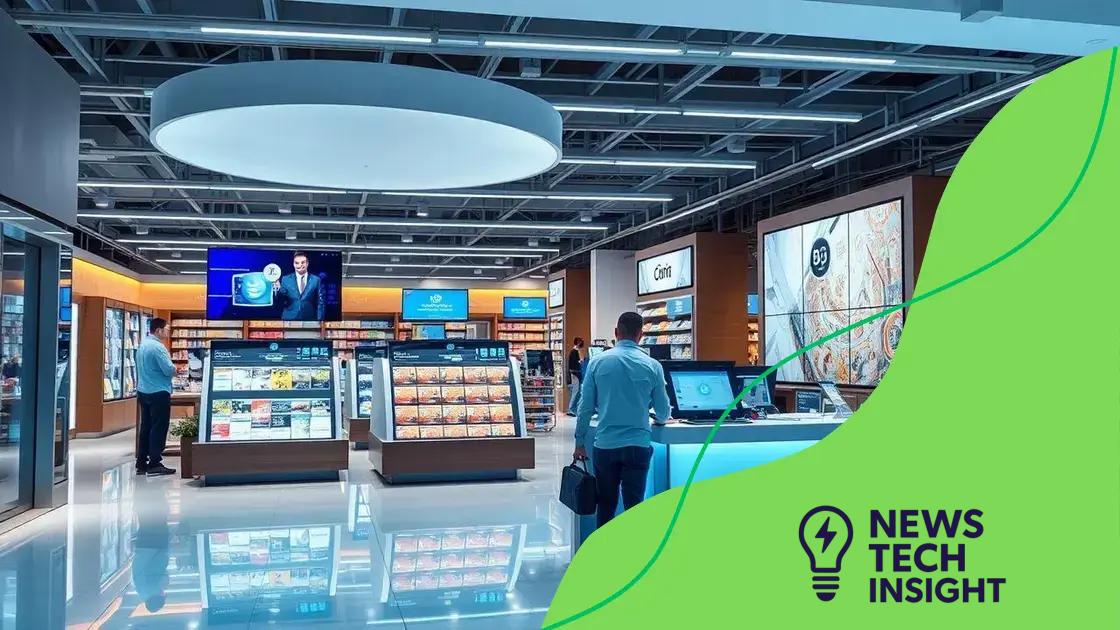
How retail dynamics are changing is a pressing question today, especially after significant events like Claire’s bankruptcy. The retail world is evolving faster than ever, driven by technology and shifting consumer expectations.
Emerging Technologies
One of the major changes in retail dynamics is the rise of technology. Technology is not just about online shopping; it includes innovations like augmented reality and automated checkouts. These advancements aim to enhance customer experience by making shopping easier and more enjoyable.
Shifting Consumer Preferences
Consumers are also changing. People now prefer personalized shopping experiences. Brands need to engage with customers on a level that’s both personal and meaningful. This shift is forcing retailers to be more focused on what their customers want.
- Successful retailers utilize data to tailor experiences.
- Omnichannel strategies connect online and offline shopping.
- Sustainability is becoming a key factor in consumer choices.
With increased awareness of environmental issues, brands that prioritize sustainable practices are gaining popularity. Shoppers are looking for companies that share their values, leading to a new standard in retail.
The Role of E-commerce
Additionally, e-commerce is reshaping traditional retail models. Online shopping continues to grow, leading many brands to establish a strong online presence. This surge has changed how retailers approach inventory and launching new products. They can now respond swiftly to market demand and trends.
- Retailers are adopting flexible supply chains.
- Customer feedback is implemented in real time.
- Social media influences shopping habits significantly.
These changes are substantial, leading to a more competitive environment where innovation and adaptability are crucial.
Lessons from Claire’s Chapter 11 experience
The lessons from Claire’s Chapter 11 experience offer valuable insights for retailers and consumers alike. Claire’s journey through bankruptcy highlights both the challenges and the opportunities present in the retail sector.
Understanding Financial Resilience
One key lesson is the importance of financial resilience. Companies must maintain a strong financial foundation to weather unexpected storms. This means having solid cash reserves and careful budgeting to prepare for downturns.
The Need for Adaptability
Claire’s experience also emphasizes the need for adaptability. Retailers must continuously evaluate their strategies to meet changing consumer demands. Those who fail to adapt risk being left behind.
- Stay updated on market trends.
- Be willing to pivot product offerings.
- Engage with consumers to understand their needs.
As customer preferences shift, retailers should adopt a flexible approach to their business models, ensuring they can respond quickly to new trends.
Building a Strong Brand Community
Another important lesson is the value of community. Building a strong emotional connection with consumers can foster loyalty. Retailers like Claire’s can benefit from creating a brand community that encourages customer engagement.
- Utilize social media to build relationships.
- Engage with customers through events and promotions.
- Encourage feedback for continuous improvement.
The focus on community can lead to stronger customer loyalty, which is essential for navigating tough times.
Pursuing Innovation
Lastly, innovation is critical. Retailers should not shy away from exploring new ideas and technologies. Claire’s experience shows that failure to innovate can lead to stagnation. Embracing new concepts can invigorate a brand and attract new customers.
- Innovate through technology and e-commerce.
- Develop unique products that stand out.
- Experiment with marketing strategies.
Overall, these lessons from Claire’s Chapter 11 experience serve as a reminder for all retailers to stay resilient, adaptable, and focused on innovation.
Future outlook for retail businesses
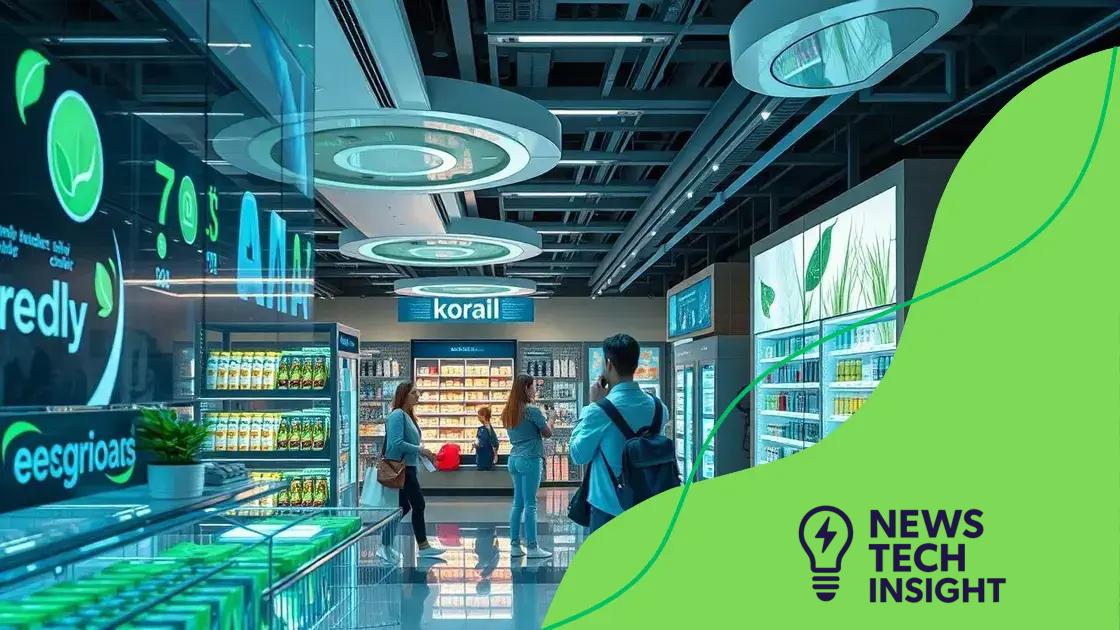
The future outlook for retail businesses is filled with both challenges and opportunities. As the retail landscape continues to evolve, understanding upcoming trends is essential for sustainability and growth.
Embracing E-commerce
One major aspect shaping the future of retail is the ongoing rise of e-commerce. As online shopping becomes increasingly popular, businesses must optimize their digital platforms. Consumers enjoy the convenience of shopping from home, so retailers should focus on enhancing their online experiences.
Leveraging Technology
Additionally, technology plays a crucial role. Retailers should consider utilizing innovations like artificial intelligence and big data to efficiently analyze customer preferences. This allows for personalized marketing strategies that can enhance customer engagement.
- Adopt AI for inventory management.
- Use data analytics for trend forecasting.
- Implement chatbots for customer service.
As retailers adopt these technologies, they can improve operations and create a more engaging shopping experience.
Focus on Sustainability
Moreover, there is a growing emphasis on sustainability. Consumers today prioritize brands that are environmentally conscious. Retailers must integrate sustainable practices into their operations to meet these consumer demands.
- Implement eco-friendly packaging.
- Source products from sustainable suppliers.
- Promote recycling programs.
As brands align with eco-friendly practices, they can build stronger connections with their customers. The demand for sustainability is likely to shape future purchasing decisions significantly.
Adapting to Changing Consumer Behavior
Finally, understanding changing consumer behavior will be vital for retail success. Shoppers are becoming more selective, seeking brands that reflect their values. Retailers need to engage with customers and build relationships based on trust.
- Utilize social media for direct engagement.
- Encourage customer feedback and reviews.
- Host community-driven events or promotions.
By fostering a sense of community, retailers can create loyalty and ensure long-term success in a competitive market.
The future of retail businesses is both exciting and challenging. As e-commerce continues to grow, retailers must adapt to new technologies and consumer preferences. Embracing sustainability will also be essential for attracting customers. By focusing on innovation and building strong brand communities, retailers can thrive in this changing landscape. As we move forward, staying adaptable and responsive will be key to success.
FAQ – Frequently Asked Questions about the Future of Retail Businesses
What role does e-commerce play in the future of retail?
E-commerce is becoming essential as more consumers prefer to shop online, driving retailers to optimize their digital platforms.
How can retailers leverage technology for better sales?
Retailers can use technologies like AI and data analytics to understand customer preferences and personalize their marketing strategies.
Why is sustainability important for retailers?
Sustainability attracts environmentally conscious consumers, making it vital for retailers to adopt eco-friendly practices to remain competitive.
How can retailers build strong connections with customers?
By engaging through social media and community events, retailers can foster loyalty and develop a strong brand community.