Cybersecurity for Your Connected Devices: 3 Essential Steps for US Consumers in 2025
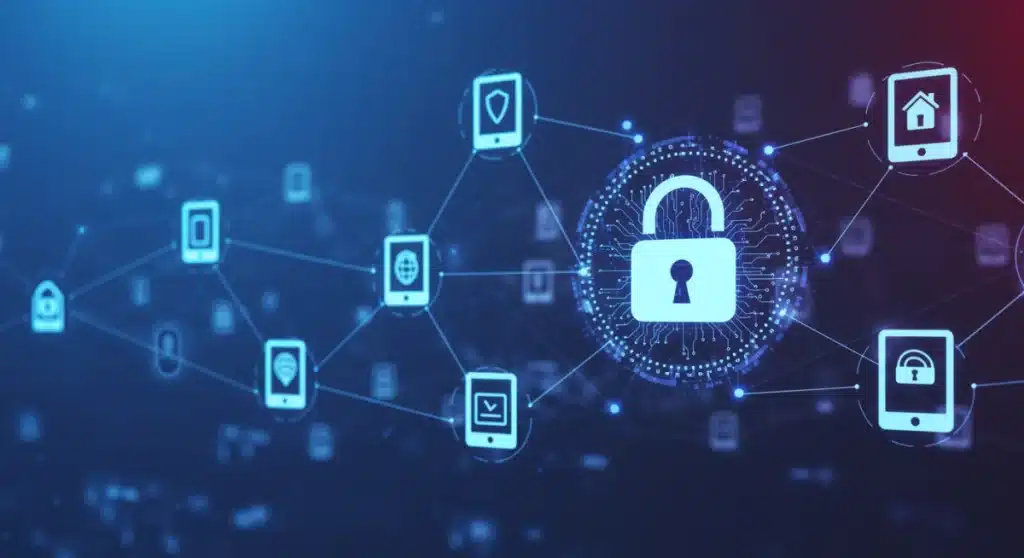
For US consumers in 2025, safeguarding connected devices requires prioritizing strong authentication, maintaining consistent software updates, and securing home networks to protect personal data and privacy.
In an increasingly interconnected world, where smart homes and personal gadgets define daily life, ensuring robust Cybersecurity for Your Connected Devices: 3 Essential Steps for US Consumers in 2025 is no longer just an option—it’s a necessity. As technology evolves, so do the threats, making proactive defense crucial for every American household.
Understanding the Evolving Threat Landscape for Connected Devices
The digital realm is constantly shifting, and with it, the types of cyber threats targeting our connected devices. From smart refrigerators to home security cameras, each new gadget we bring into our lives introduces potential vulnerabilities. Understanding this evolving landscape is the first step toward effective protection, especially as US consumers navigate the complexities of 2025’s tech environment.
Cybercriminals are becoming increasingly sophisticated, developing new methods to exploit weaknesses in device software, network configurations, and even user behavior. They often target the weakest link, which can sometimes be an overlooked smart thermostat or a poorly secured Wi-Fi router. The sheer volume of connected devices means a larger attack surface, making it easier for malicious actors to find an entry point into your digital ecosystem.
Common Cyber Threats in 2025
As we move further into 2025, certain threats continue to dominate the cybersecurity landscape for connected devices. These include:
- Ransomware: Encrypting data on devices and demanding payment for its release, often targeting personal storage and smart home systems.
- Phishing and Social Engineering: Tricking users into revealing sensitive information through deceptive messages, which can then be used to access connected accounts.
- Botnets: Networks of compromised devices used to launch large-scale attacks, often without the owner’s knowledge, degrading device performance and consuming bandwidth.
- Data Breaches: Unauthorized access to personal data stored on or transmitted by connected devices, leading to identity theft or privacy violations.
These threats highlight the critical need for vigilance and proactive security measures. Consumers must recognize that every device, no matter how small or seemingly insignificant, can be a potential gateway for attackers. The digital privacy and security of your entire household depend on a comprehensive understanding of these risks.
In conclusion, the threat landscape for connected devices is dynamic and challenging. Staying informed about the latest cyber threats and understanding how they can impact your digital life is fundamental. This awareness forms the bedrock upon which effective cybersecurity strategies can be built, protecting your valuable data and maintaining your peace of mind.
Essential Step 1: Implement Strong, Unique Authentication Across All Devices
One of the most critical foundational steps for enhancing cybersecurity for your connected devices in 2025 is the implementation of strong, unique authentication. This goes beyond simply choosing a password; it involves a multi-layered approach to verify your identity and prevent unauthorized access. Weak or reused passwords are prime targets for cybercriminals, making robust authentication a non-negotiable aspect of digital safety.
Many connected devices come with default credentials that are easily guessable or publicly known. Failing to change these immediately creates a massive vulnerability. Furthermore, using the same password across multiple devices or services means that if one account is compromised, all others using that password become equally at risk. This practice significantly increases your exposure to potential breaches.
Leveraging Multi-Factor Authentication (MFA)
Multi-Factor Authentication (MFA) adds an extra layer of security by requiring two or more verification factors to gain access. These factors typically fall into three categories:
- Something you know: A password or PIN.
- Something you have: A physical token, smartphone app, or security key.
- Something you are: Biometric data like a fingerprint or facial scan.
For US consumers in 2025, enabling MFA wherever possible is paramount. Many smart home devices, streaming services, and online accounts now offer MFA options. Taking the few extra minutes to set this up can dramatically reduce the likelihood of unauthorized access, even if your password is stolen. It acts as a powerful deterrent, making it far more difficult for attackers to breach your accounts.
Best Practices for Password Management
Beyond MFA, good password hygiene remains essential. This includes using long, complex passwords that combine uppercase and lowercase letters, numbers, and symbols. Avoid using easily discoverable personal information like birthdates or pet names. A password manager can be an invaluable tool for generating and securely storing unique, strong passwords for all your connected devices and online services.
Regularly reviewing and updating your passwords, especially for critical accounts, further strengthens your digital defenses. While it may seem cumbersome, the effort invested in strong authentication pays dividends in preventing potential cyberattacks and safeguarding your personal information. It’s a fundamental habit that every connected device owner should adopt.
In summary, prioritizing strong, unique authentication, particularly through the widespread adoption of MFA and diligent password management, is a cornerstone of effective connected device cybersecurity. This proactive measure significantly fortifies your digital perimeter against an array of common cyber threats, providing a crucial layer of protection for your digital life.
Essential Step 2: Keep All Device Software and Firmware Up-to-Date
The second critical step in maintaining robust cybersecurity for your connected devices in 2025 is ensuring all software and firmware are consistently updated. Many users overlook this seemingly simple task, unaware that outdated software is a leading cause of security vulnerabilities. Software updates are not just about new features; they frequently include crucial security patches designed to fix newly discovered flaws and protect against emerging threats.
Manufacturers regularly release updates to address bugs, improve performance, and, most importantly, patch security vulnerabilities that cybercriminals could exploit. Devices running outdated software are essentially operating with known weaknesses, making them easy targets for hackers. This applies to everything from your smartphone and laptop to your smart TV, router, and even smart light bulbs.
Automating Updates Whenever Possible
To simplify the process and ensure timely protection, US consumers should enable automatic updates on all their connected devices where available. This eliminates the need for manual checks and ensures that security patches are applied as soon as they are released. While some devices may require manual intervention, prioritizing these updates should be a regular part of your digital routine.
For devices that do not support automatic updates, make it a habit to periodically check the manufacturer’s website or the device’s settings for available updates. Ignoring these notifications or delaying updates can leave your devices exposed for extended periods, increasing the risk of a breach. A proactive approach to updates is a cornerstone of modern cybersecurity.
Understanding Firmware Updates
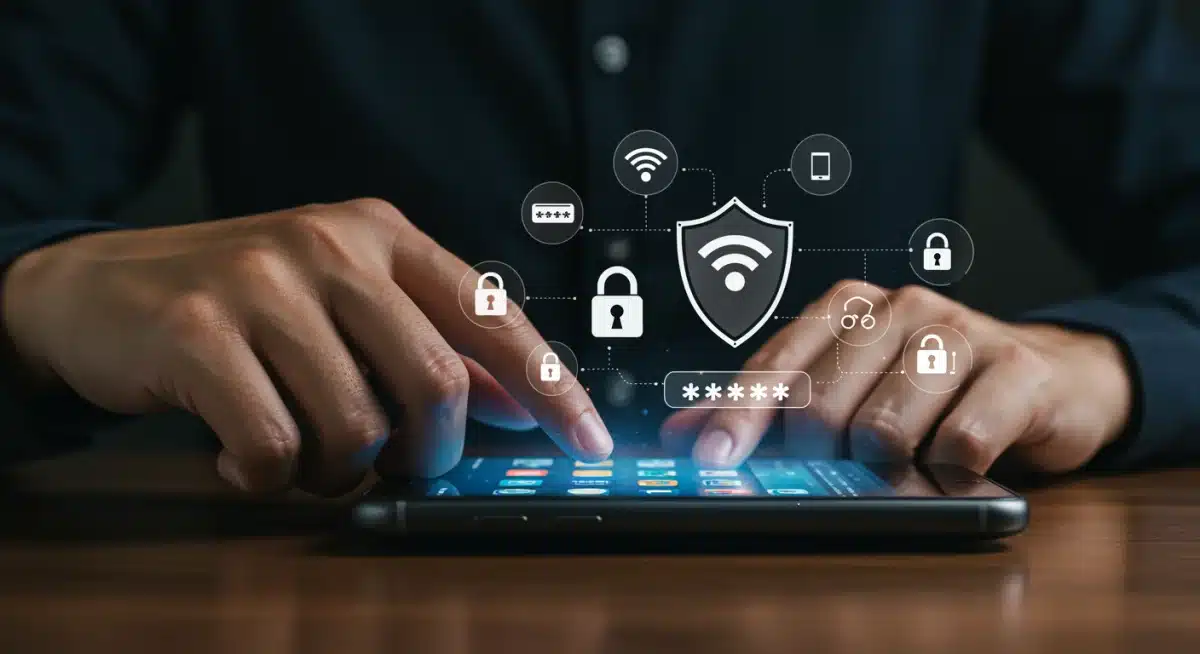
Beyond software, firmware updates are equally vital, especially for devices like routers, smart hubs, and IoT gadgets. Firmware is the low-level operating system embedded in hardware, and vulnerabilities here can grant attackers deep access to your devices and network. Many users are unfamiliar with updating firmware, but it’s a critical aspect of device maintenance.
Always consult your device’s manual or the manufacturer’s support website for instructions on how to check for and apply firmware updates. It’s often a more involved process than software updates but is indispensable for comprehensive security. Neglecting firmware updates can leave fundamental components of your connected home vulnerable to sophisticated attacks, undermining all other security efforts.
Ultimately, keeping all device software and firmware rigorously updated is a passive yet powerful defense mechanism. It ensures that your connected devices are always running with the latest protections, significantly reducing their susceptibility to exploitation and bolstering your overall cybersecurity posture against the evolving threats of 2025.
Essential Step 3: Secure Your Home Network and Wi-Fi
The third essential step for robust cybersecurity for your connected devices in 2025 involves securing your home network and Wi-Fi. Your home network acts as the central hub for all your connected devices, making it a prime target for cybercriminals. A compromised network can expose every device connected to it, regardless of their individual security measures. Therefore, fortifying your network’s defenses is paramount for US consumers.
Many home routers come with default settings that are not optimized for security. These often include easily guessable default usernames and passwords, which, if not changed, provide an open invitation for attackers. Additionally, weak Wi-Fi encryption protocols can allow unauthorized individuals to intercept your network traffic, potentially capturing sensitive data.
Changing Default Router Credentials and Strong Encryption
The very first action you should take is to change the default administrator username and password for your router. Use a strong, unique password that is different from your Wi-Fi password. This prevents unauthorized access to your router’s settings, which could allow an attacker to reconfigure your network or inject malicious software.
Next, ensure your Wi-Fi network uses the strongest available encryption protocol, which in 2025 should be WPA3. If WPA3 is not available, WPA2-AES is the next best option. Avoid older, weaker protocols like WEP or WPA-TKIP, as they are easily compromised. Strong encryption scrambles your network data, making it unreadable to anyone without the correct password.
Implementing a Guest Network and Network Segmentation
Another effective strategy is to create a separate guest Wi-Fi network for visitors and IoT devices. A guest network isolates these devices from your main network, preventing potential vulnerabilities on a guest’s phone or a smart gadget from affecting your more sensitive devices like computers or financial data. This segmentation significantly limits the potential spread of malware or unauthorized access.
For advanced users, network segmentation can be further enhanced by creating separate VLANs (Virtual Local Area Networks) for different categories of devices, such as IoT, personal computers, and guest access. This advanced isolation ensures that even if one segment is breached, the others remain protected. While this might require more technical know-how, it offers an unparalleled level of network security for the discerning consumer.
In conclusion, securing your home network and Wi-Fi is an indispensable component of connected device cybersecurity. By changing default credentials, employing strong encryption, and utilizing guest networks, US consumers can create a robust digital perimeter that protects all their interconnected devices from external threats, fostering a safer and more private online environment.
Proactive Monitoring and Incident Response for Connected Devices
Beyond the fundamental steps, proactive monitoring and having an incident response plan are increasingly vital for cybersecurity for your connected devices in 2025. Even with the best preventive measures, no system is entirely impervious to attack. Being able to detect suspicious activity and respond swiftly can mitigate damage and restore security more effectively. This goes beyond passive protection, requiring active engagement with your digital ecosystem.
Many modern smart devices and network routers offer logging features that can provide insights into network traffic and device behavior. Regularly reviewing these logs, or utilizing tools that can analyze them for anomalies, allows you to spot unusual activity that might indicate a compromise. This vigilance is crucial for identifying threats before they escalate into full-blown security incidents.
Leveraging Security Software and Network Scanners
For US consumers, installing reputable antivirus and anti-malware software on computers, smartphones, and any other compatible connected devices is a baseline defense. These tools can detect and remove malicious software, protecting against a wide range of cyber threats. Ensure these programs are also kept up-to-date to benefit from the latest threat definitions.
- Antivirus Software: Protects against known viruses and malware, often including real-time scanning.
- Network Scanners: Tools that identify devices connected to your network and flag potential vulnerabilities.
- Firewalls: Both hardware and software firewalls monitor and control incoming and outgoing network traffic based on predefined security rules.
Furthermore, consider using network security scanners that can identify potential vulnerabilities on your home network, such as open ports or weak configurations. Regularly running these scans provides an audit of your security posture, helping you pinpoint and address weaknesses before they can be exploited by attackers. These tools empower you to take a more active role in your cybersecurity.
Developing a Simple Incident Response Plan
Even a basic incident response plan can make a significant difference if a breach occurs. This involves knowing what steps to take immediately if you suspect a device has been compromised. Key actions include:
- Disconnecting the affected device from the network.
- Changing all associated passwords, especially for critical accounts.
- Running a full scan with antivirus/anti-malware software.
- Notifying relevant service providers or financial institutions if data was compromised.
Having these steps outlined in advance can reduce panic and ensure a more effective response. Proactive monitoring combined with a clear incident response strategy provides a comprehensive defense, ensuring that you are not only protected but also prepared to act decisively when faced with a cybersecurity challenge in 2025.
Educating Yourself and Your Household on Digital Best Practices
A crucial, often overlooked, aspect of cybersecurity for your connected devices in 2025 is continuous education for yourself and your entire household. Technology evolves rapidly, and so do the methods used by cybercriminals. An informed user base is the strongest line of defense against social engineering attacks and accidental vulnerabilities. For US consumers, fostering a culture of digital awareness is as important as any technical safeguard.
Many breaches occur not due to technical flaws, but due to human error—clicking on a malicious link, falling for a phishing scam, or sharing sensitive information unknowingly. Educating everyone who uses your connected devices about these risks and how to identify them significantly reduces the overall attack surface. This collective awareness strengthens the security posture of your entire digital ecosystem.
Recognizing and Avoiding Phishing Attempts
Phishing remains one of the most prevalent and effective cyberattack methods. It involves deceptive communications designed to trick individuals into revealing sensitive information or installing malware. Teaching household members how to recognize the red flags of phishing emails, text messages, or calls is paramount:
- Suspicious Sender: Unfamiliar email addresses or phone numbers.
- Urgent or Threatening Language: Attempts to create panic or a sense of urgency.
- Grammatical Errors: Often a sign of unprofessional, malicious content.
- Unexpected Attachments/Links: Hover over links before clicking to see the actual URL.
Emphasize that legitimate organizations rarely ask for personal information via email or text. When in doubt, always verify the sender through official channels, rather than responding directly to the suspicious communication.
Understanding Privacy Settings and Data Sharing
Connected devices often collect vast amounts of personal data. Educating yourself and your family about privacy settings and how data is shared is critical. Many devices come with default settings that prioritize convenience over privacy, automatically sharing more data than necessary. Regularly review and adjust these settings to limit data collection and sharing to only what is essential.
Discuss the implications of sharing personal information online, especially with children or elderly family members who might be less aware of the risks. Explain why it’s important to be cautious about what they post, what apps they download, and what permissions they grant to those apps. A collective understanding of digital privacy empowers everyone to make safer choices.
In essence, continuous education transforms passive device users into active participants in their own cybersecurity. By understanding evolving threats, recognizing social engineering tactics, and managing privacy settings diligently, US consumers can create a more resilient and secure digital environment for all their connected devices in 2025, turning human vulnerability into human strength.
Future-Proofing Your Connected Device Security in 2025 and Beyond
As we look to 2025 and beyond, future-proofing your cybersecurity for connected devices becomes an ongoing endeavor, not a one-time setup. The pace of technological innovation means new devices, new functionalities, and inevitably, new security challenges will emerge. For US consumers, adopting a mindset of continuous adaptation and vigilance is key to staying ahead of potential threats and maintaining digital safety in the long run.
The concept of ‘set it and forget it’ simply doesn’t apply to cybersecurity. What is secure today might be vulnerable tomorrow. Therefore, regularly reassessing your security measures, staying informed about industry best practices, and being open to integrating new security technologies are crucial components of a future-proof strategy. This proactive stance ensures your digital defenses evolve alongside the threats.
Embracing Emerging Security Technologies
The cybersecurity landscape is constantly innovating. Technologies like AI-powered threat detection, blockchain for secure data transmission, and advanced biometric authentication are becoming more integrated into consumer devices. Staying informed about these advancements and considering their adoption when they become readily available can significantly enhance your security posture.
- AI-Powered Antivirus: Utilizes machine learning to detect novel threats that signature-based systems might miss.
- Hardware Security Modules (HSMs): Dedicated chips for cryptographic operations, offering enhanced protection for sensitive data.
- Decentralized Identity Solutions: Offering more secure and privacy-preserving ways to manage digital identities.
While some of these technologies are still maturing for mainstream consumer use, keeping an eye on their development will enable you to make informed decisions about future upgrades to your home’s connected security infrastructure. Early adoption of proven, secure innovations can provide a significant advantage.
Regulatory Landscape and Consumer Rights
The regulatory environment surrounding connected device security is also evolving. Governments and consumer protection agencies are increasingly focusing on holding manufacturers accountable for the security of their products. Staying aware of new regulations and consumer rights related to device security can empower you to demand better security from device manufacturers and service providers.
For US consumers, understanding initiatives like the NIST Cybersecurity Framework or state-level privacy laws provides a broader context for personal cybersecurity efforts. These frameworks often influence the baseline security features offered by devices and services, ultimately contributing to a safer digital ecosystem. Your informed choices as a consumer can also drive demand for more secure products.
In conclusion, future-proofing your connected device security in 2025 and beyond involves a commitment to continuous learning, adaptation, and leveraging emerging technologies. By remaining vigilant, informed, and proactive, US consumers can navigate the ever-changing digital landscape with confidence, ensuring their connected lives remain secure and private for years to come.
| Key Security Step | Brief Description |
|---|---|
| Strong Authentication | Use unique, complex passwords and enable Multi-Factor Authentication (MFA) on all devices and accounts. |
| Software & Firmware Updates | Regularly update all device software and firmware to patch vulnerabilities and improve security. |
| Secure Home Network | Change default router credentials, use WPA3 encryption, and establish a separate guest Wi-Fi network. |
| Ongoing Education | Educate yourself and your household on phishing, privacy settings, and general digital best practices. |
Frequently Asked Questions About Connected Device Cybersecurity
It’s crucial because the proliferation of smart devices creates more potential entry points for cyber threats. Protecting these devices safeguards personal data, financial information, and overall privacy from increasingly sophisticated attacks, ensuring a secure digital lifestyle.
MFA requires more than one method to verify your identity, like a password plus a code from your phone. It adds a critical layer of security, making it significantly harder for unauthorized users to access your accounts even if they steal your password.
You should update software and firmware as soon as updates become available. These updates often contain critical security patches that fix vulnerabilities, protecting your devices against the latest threats. Enable automatic updates whenever possible for continuous protection.
Yes, a guest Wi-Fi network is highly recommended. It isolates visitors’ devices and less secure IoT gadgets from your main network, preventing potential malware or vulnerabilities on those devices from compromising your primary computers and sensitive data.
Immediately disconnect the device from your network. Change all passwords associated with the device and any linked accounts. Run a full antivirus scan, and monitor for unusual activity. If personal data is involved, consider notifying relevant authorities or institutions.
Conclusion
Navigating the digital landscape of 2025 demands a proactive and informed approach to cybersecurity for your connected devices. For US consumers, implementing strong, unique authentication, diligently maintaining software and firmware updates, and securing home networks are not just recommendations but essential pillars of digital defense. Beyond these three steps, fostering continuous education on digital best practices and preparing for potential incidents will fortify your digital perimeter against an ever-evolving array of cyber threats. By embracing these strategies, you can ensure your connected life remains secure, private, and resilient in the face of future technological advancements and challenges.