Cybersecurity Compliance in 2025: A US Regulatory Guide
Cybersecurity compliance in the US in 2025 requires a comprehensive understanding of evolving regulations, including federal and state laws, industry standards, and international frameworks, to protect sensitive data and maintain operational resilience.
Navigating the complex landscape of cybersecurity regulations in the United States is becoming increasingly challenging, especially as we look ahead to 2025. Staying compliant with these ever-evolving rules is crucial for protecting sensitive data and avoiding hefty penalties. This article will serve as your guide, helping you understand the key cybersecurity compliance requirements and how to navigate them effectively. Let’s dive into cybersecurity compliance: navigating the complex landscape of US regulations in 2025.
Understanding the Evolving Cybersecurity Landscape
The digital world is constantly changing, and so are the threats to cybersecurity. This means that regulations are also adapting to keep pace. Understanding these changes is the first step in maintaining compliance.
The cyber threat landscape continues to evolve at an alarming rate, making it essential for organizations to stay informed and proactive. This includes understanding the latest attack vectors, vulnerabilities, and threat actors. The more you know, the better prepared you can be.
Key Trends Shaping Cybersecurity Compliance
Several key trends are influencing the direction of cybersecurity compliance. These include the increasing sophistication of cyberattacks, the rise of remote work, and the growing importance of data privacy.
- The rise of sophisticated ransomware attacks targeting critical infrastructure
- Increased focus on supply chain security due to high-profile breaches
- Growing demand for transparency and accountability in data processing
These trends collectively emphasize the need for organizations to adopt a comprehensive approach to cybersecurity compliance, one that encompasses not only technical safeguards but also governance, risk management, and incident response capabilities.
Data breaches are not just costly; they erode customer trust and damage brand reputation. Demonstrating a strong commitment to cybersecurity compliance can differentiate your organization and build confidence among stakeholders.
Federal Cybersecurity Regulations to Watch
The federal government plays a significant role in shaping cybersecurity regulations. Several laws and guidelines are particularly important for businesses to be aware of.
The federal government provides a comprehensive framework for cybersecurity. These regulations are designed to protect critical infrastructure, sensitive data, and national security interests.
Key Federal Regulations
Here are some of the most important federal regulations related to cybersecurity:
- HIPAA (Health Insurance Portability and Accountability Act): Protects sensitive patient health information.
- FISMA (Federal Information Security Modernization Act): Governs the security of federal information systems.
- NIST Cybersecurity Framework: A voluntary framework that provides a set of standards and best practices for managing cybersecurity risk.
Understanding these regulations and their specific requirements is crucial for organizations to ensure they are compliant and avoid potential penalties.
Compliance is not always easy, but the consequences of non-compliance can be severe. Penalties can include fines, legal action, and reputational damage.
State-Level Cybersecurity Laws and Regulations
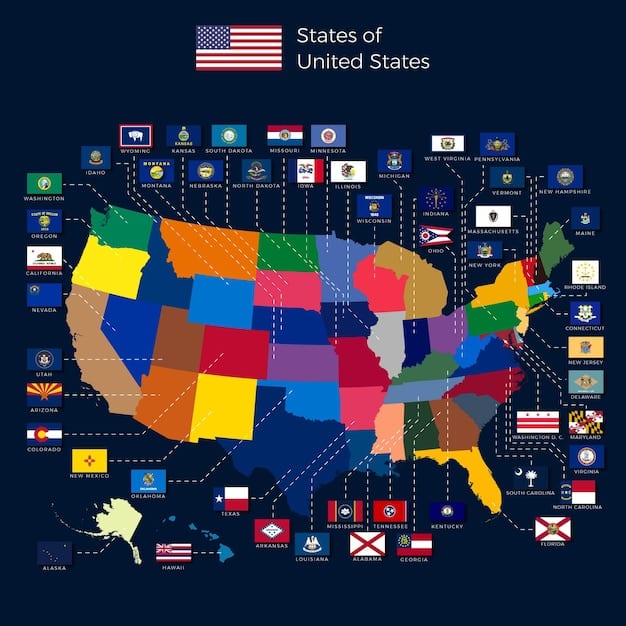
In addition to federal regulations, many states have also enacted their own cybersecurity laws. These can vary significantly from state to state, adding another layer of complexity for organizations.
State-level cybersecurity laws often address specific areas of concern within their jurisdictions. While there is some degree of overlap, variations can exist in terms of compliance requirements, breach notification protocols, and enforcement mechanisms.
Examples of State Cybersecurity Laws
Here are a few examples of state cybersecurity laws:
California Consumer Privacy Act (CCPA): Grants California residents various rights regarding their personal data, including the right to know what data is being collected, the right to delete data, and the right to opt-out of the sale of data.
- New York SHIELD Act: Requires businesses that collect private information of New York residents to implement reasonable data security measures.
- Massachusetts Data Security Law: Mandates specific data security standards for organizations that store or process personal information of Massachusetts residents.
Organizations operating in multiple states must navigate a patchwork of different laws, which can be challenging. However, staying informed about the specific requirements in each state is essential.
Understanding these regulations and their specific requirements is crucial for organizations to ensure they are compliant and avoid potential penalties. It’s beneficial to consult with legal counsel and cybersecurity experts familiar with state-level regulations.
Industry-Specific Cybersecurity Standards
Certain industries have their own unique cybersecurity standards and regulations. These are often developed in response to specific risks and vulnerabilities within those sectors.
Industry-specific standards help organizations align with best practices in their respective fields. By adhering to these frameworks, companies demonstrate a commitment to safeguarding sensitive information and maintaining operational integrity.
Examples of Industry-Specific Standards
Examples of industry-specific standards include:
Payment Card Industry Data Security Standard (PCI DSS): Applies to any organization that handles credit card information. It outlines specific security controls and procedures designed to protect cardholder data.
- Financial Industry Regulatory Authority (FINRA) regulations: Govern the cybersecurity practices of broker-dealers and other financial institutions.
- North American Electric Reliability Corporation (NERC) Critical Infrastructure Protection (CIP) standards: Address the cybersecurity of the bulk electric system in North America.
Organizations operating in regulated industries must ensure they comply with these specific standards, in addition to federal and state laws.
Failure to comply with industry-specific standards can result in penalties, loss of accreditation, and damage to reputation in the industry.
Preparing for Cybersecurity Audits in 2025
Cybersecurity audits are becoming increasingly common, as regulators and customers seek assurance that organizations are taking cybersecurity seriously. Preparing for these audits is essential for demonstrating compliance and minimizing risk.
Cybersecurity audits can either be conducted by internal teams or independent third-party firms. During an audit, an organization’s cybersecurity measures are assessed against established standards and regulations.
Key Steps in Preparing for an Audit
Here are some key steps to take when preparing for a cybersecurity audit:
Conduct a self-assessment: Before the audit begins, conduct a thorough self-assessment of your cybersecurity practices. Identify any gaps or weaknesses in your controls.
- Gather documentation: Collect all relevant documentation related to your cybersecurity policies, procedures, and controls. This may include policies, risk assessments, incident response plans, and training materials.
- Conduct vulnerability assessments and penetration testing: Regular vulnerability assessments and penetration testing can help identify and remediate security weaknesses before an audit.
By taking these steps, organizations can increase their chances of a successful audit and demonstrate their commitment to cybersecurity compliance.
Being prepared for an audit not only helps demonstrate compliance but also provides valuable insights into an organization’s security posture.
Leveraging Technology for Compliance Automation
Technology can play a significant role in automating cybersecurity compliance tasks, making it easier for organizations to stay on top of their obligations.
Tools for automation can streamline compliance processes, reducing overhead and minimizing the risk of manual errors.
Examples of Automation Tools
Some examples of technologies that can automate cybersecurity compliance include:
Security Information and Event Management (SIEM) systems: SIEM systems collect and analyze security logs from various sources, providing real-time visibility into potential threats and compliance issues.
- Governance, Risk, and Compliance (GRC) platforms: GRC platforms provide a central repository for managing compliance requirements, risks, and policies.
- Vulnerability management tools: These tools automate the process of identifying and assessing vulnerabilities in systems and applications.
Investing in these technologies can help organizations streamline their compliance efforts and improve their overall security posture.
Compliance automation not only saves time and resources but also enhances visibility and control over security measures.
The Role of Cybersecurity Awareness Training
No matter how strong your technology is, your organization’s cybersecurity is only as strong as its weakest link – its employees. Cybersecurity awareness training is therefore a critical component of any compliance program.
Cybersecurity awareness training can teach employees how to recognize and avoid common threats such as phishing attacks, malware, and social engineering.
Key Elements of Effective Training
Key elements of effective cybersecurity awareness training include:
- Regular training: Training should be conducted regularly, not just once a year.
- Interactive and engaging content: Training should be interactive and engaging, using real-world examples and simulations.
- Measuring effectiveness: Organizations should measure the effectiveness of their training programs through quizzes, surveys, and simulated attacks.
By investing in cybersecurity awareness training, organizations can significantly reduce their risk of falling victim to cyberattacks and improve their overall compliance posture.
Investing in employee training is a proactive measure that empowers employees to become the first line of defense against cyber threats.
| Key Point | Brief Description |
|---|---|
| 🛡️ Federal Regulations | HIPAA, FISMA, and NIST are crucial for US cybersecurity. |
| 🏛️ State Laws | CCPA, NY SHIELD Act, and MA Data Security Law vary by state. |
| ⚙️ Compliance Automation | SIEM and GRC platforms streamline cybersecurity tasks. |
| 👩💻 Training | Regular, interactive training is vital to employee awareness. |
Frequently Asked Questions (FAQ)
▼
The NIST Cybersecurity Framework is a voluntary framework that provides a set of standards and best practices for managing cybersecurity risk. It helps organizations assess, manage, and improve their cybersecurity posture.
▼
The CCPA gives California residents rights over their personal data, requiring businesses to implement stronger security measures to protect that data and comply with consumer requests regarding their data.
▼
A solid incident response plan includes identification, containment, eradication, recovery, and lessons learned. These steps help minimize damage and prevent future incidents from occuring.
▼
Cybersecurity awareness training educates employees about cyber threats, making them more aware of phishing attempts, malware, and other malicious activities. Trained employees can significantly reduce the risk of successful attacks.
▼
PCI DSS is a set of security standards designed to protect credit card information. It applies to any organization that handles cardholder data and is crucial for maintaining trust with customers and financial institutions.
Conclusion
Staying compliant with cybersecurity regulations in the US in 2025 requires a proactive and comprehensive approach. By understanding the evolving landscape, keeping up with federal and state laws, and leveraging technology for automation, organizations can protect their data and maintain trust with their customers.