Cybersecurity Risk Assessment: A 2025 Guide for US Businesses

Conducting a cybersecurity risk assessment for your business in 2025 involves identifying potential threats, vulnerabilities, and the impact they could have, enabling you to implement effective security measures and safeguard your business assets and data.
In an increasingly interconnected world, cybersecurity threats are becoming more sophisticated and frequent. Understanding how to conduct a cybersecurity risk assessment for your business in 2025 is no longer optional; it’s a necessity for survival and success in the digital age.
Why Cybersecurity Risk Assessments Matter in 2025
Cybersecurity risk assessments are crucial for businesses of all sizes. They provide a clear picture of your security posture, allowing you to prioritize resources and implement the most effective safeguards against potential threats. But why are they even more critical in 2025?
The cybersecurity landscape is constantly evolving. Emerging technologies, like AI and IoT, introduce new vulnerabilities that businesses must address. Regular risk assessments ensure that your security measures remain relevant and effective against the latest threats.
The Increasing Frequency and Sophistication of Cyberattacks
Cyberattacks are becoming more frequent and sophisticated, targeting businesses of all sizes and industries. From ransomware attacks to data breaches, the potential financial and reputational impact can be devastating.
Compliance and Regulatory Requirements
Many industries are subject to strict compliance and regulatory requirements related to data security and privacy. Conducting regular risk assessments helps ensure that your business meets these requirements and avoids costly penalties.
Here are a few key benefits to consider:
- Identify vulnerabilities: Risk assessments help you identify weaknesses in your systems and processes that could be exploited by attackers.
- Prioritize resources: By understanding your risks, you can allocate resources to the areas that need them most, ensuring that your security efforts are focused and effective.
- Improve security posture: Regular risk assessments help you continuously improve your security posture, reducing your overall risk of a cyberattack.
In conclusion, cybersecurity risk assessments are not just a best practice; they are a fundamental requirement for any business operating in today’s interconnected world. By proactively identifying and addressing potential vulnerabilities, you can protect your assets, maintain compliance, and build trust with your customers.
Understanding the Key Components of a Cybersecurity Risk Assessment
A comprehensive cybersecurity risk assessment involves several key components. Understanding each of these components is essential for conducting a thorough and effective assessment. Let’s delve into the details.
The core components of an effective assessment include identifying assets, threats, and vulnerabilities, and then analyzing the likelihood and potential impact of each identified risk.
Asset Identification and Valuation
The first step is to identify and value your assets. This includes hardware, software, data, and intellectual property. Understanding the value of each asset will help you prioritize your security efforts.
Threat Identification
Next, you need to identify potential threats that could target your assets. This includes malware, phishing attacks, ransomware, and insider threats. Stay informed about the latest threats and attack vectors.
Vulnerability Assessment
A vulnerability assessment involves identifying weaknesses in your systems and processes that could be exploited by attackers. This can be done through automated scanning tools, manual testing, and security audits.
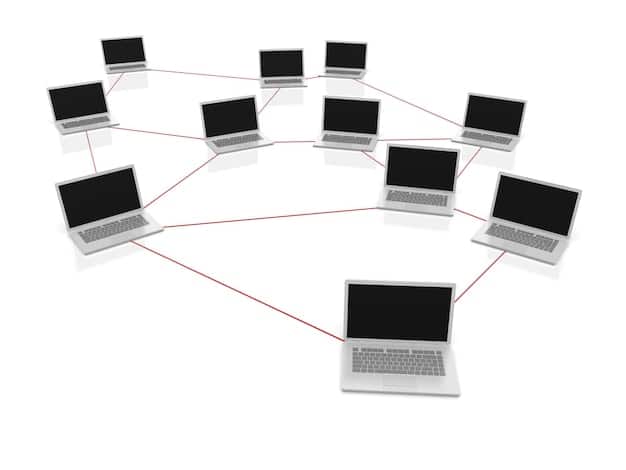
Here’s a breakdown of how these components work together:
- Risk = Threat x Vulnerability x Asset Value: This simple equation highlights the relationship between these components.
- Likelihood Assessment: Determine the probability of a threat exploiting a vulnerability.
- Impact Analysis: Evaluate the potential consequences of a successful attack on your assets.
In summary, understanding the key components of a cybersecurity risk assessment is essential for effectively identifying, analyzing, and mitigating potential threats. By thoroughly assessing your assets, threats, and vulnerabilities, you can develop a robust security strategy that protects your business from cyberattacks.
Step-by-Step Guide to Conducting a Cybersecurity Risk Assessment
Now that you understand the importance and key components of a cybersecurity risk assessment, let’s walk through a step-by-step guide. This practical approach will help you conduct a comprehensive assessment for your business.
Follow these steps to ensure a thorough and effective risk assessment:
Step 1: Define the Scope
Clearly define the scope of your risk assessment. This includes identifying the systems, assets, and processes that will be included in the assessment. A well-defined scope will help you stay focused and avoid scope creep.
Step 2: Identify Assets
Identify all assets within the defined scope. This includes hardware, software, data, and intellectual property. Document each asset and its value to the business.
Step 3: Identify Threats
Identify potential threats that could target your assets. Use threat intelligence feeds, security reports, and industry best practices to identify relevant threats. Consider both internal and external threats.
Step 4: Identify Vulnerabilities
Conduct a vulnerability assessment to identify weaknesses in your systems and processes. Use automated scanning tools, manual testing, and security audits to identify vulnerabilities.
Consider these steps:
- Prioritize Risk: Rank risks based on their likelihood and potential impact.
- Develop Mitigation Strategies: Develop strategies to mitigate the identified risks. This may include implementing new security controls, updating existing controls, or accepting the risk.
- Document Findings: Document all findings and recommendations in a comprehensive report.
In conclusion, following a step-by-step guide will help you conduct a thorough and effective cybersecurity risk assessment. By defining the scope, identifying assets, threats, and vulnerabilities, and developing mitigation strategies, you can protect your business from cyberattacks.
Tools and Technologies for Cybersecurity Risk Assessments
Conducting a cybersecurity risk assessment can be complex and time-consuming. Fortunately, there are numerous tools and technologies available to help you streamline the process and improve the accuracy of your assessment. Let’s explore some of the most popular options.
Leveraging the right tools and technologies can significantly enhance your risk assessment efforts.
Vulnerability Scanners
Vulnerability scanners automatically scan your systems and networks for known vulnerabilities. These tools can identify weaknesses in your software, hardware, and configurations.
Penetration Testing Tools
Penetration testing tools simulate real-world attacks to identify vulnerabilities that may not be detected by vulnerability scanners. These tools can help you assess the effectiveness of your security controls.
Risk Management Platforms
Risk management platforms provide a centralized platform for managing your cybersecurity risks. These platforms can help you track your assets, threats, vulnerabilities, and mitigation strategies.
Here are some specific examples:
- Nessus: A popular vulnerability scanner used to identify security weaknesses.
- Metasploit: A powerful penetration testing framework used to simulate real-world attacks.
- RSA Archer: A comprehensive risk management platform used to manage cybersecurity risks.
In summary, utilizing the right tools and technologies is essential for conducting an efficient and effective cybersecurity risk assessment. By leveraging vulnerability scanners, penetration testing tools, and risk management platforms, you can streamline the assessment process and improve the accuracy of your findings.
Staying Ahead: Continuous Monitoring and Updates
A cybersecurity risk assessment is not a one-time event. To stay ahead of evolving threats, it’s essential to implement continuous monitoring and update your assessment regularly. Let’s explore the importance of these activities.
The cybersecurity landscape is constantly changing, so your security measures must evolve to keep pace.
The Importance of Continuous Monitoring
Continuous monitoring involves regularly monitoring your systems and networks for suspicious activity. This can help you detect and respond to cyberattacks in real-time. Use security information and event management (SIEM) systems to aggregate and analyze security logs.
Regular Updates to Risk Assessments
Update your risk assessment regularly to account for changes in your business environment, new threats, and emerging technologies. Conduct a full risk assessment at least annually, and more frequently if significant changes occur.
Threat Intelligence Feeds
Subscribe to threat intelligence feeds to stay informed about the latest threats and attack vectors. Use this information to update your risk assessment and security controls.
Consider these actions:
- Implement a SIEM system: A SIEM system can help you monitor your systems and networks for suspicious activity.
- Conduct regular security audits: Security audits can help you identify weaknesses in your security controls.
- Stay informed about the latest threats: Subscribe to threat intelligence feeds and security reports to stay informed about the latest threats.
In conclusion, continuous monitoring and regular updates are essential for maintaining a strong security posture. By monitoring your systems, updating your risk assessment, and staying informed about the latest threats, you can protect your business from evolving cyberattacks.
Cybersecurity Risk Assessment Best Practices for 2025
As we approach 2025, it’s important to adopt the latest best practices for cybersecurity risk assessments. These practices will help you conduct more effective assessments and better protect your business.
Staying current with best practices is crucial for maintaining a strong security posture.
Automate Where Possible
Automate as much of the risk assessment process as possible to improve efficiency and accuracy. Use automated scanning tools, risk management platforms, and reporting tools.
Engage Stakeholders
Engage stakeholders from across your organization in the risk assessment process. This includes IT staff, business leaders, and legal and compliance professionals. A collaborative approach will help you gain a more comprehensive understanding of your risks.
Prioritize Data Protection
Focus on protecting your most sensitive data. Identify the data that is most critical to your business and implement strong security controls to protect it. Consider using data loss prevention (DLP) tools and encryption.
Focus on these aspects:
- Adopt a zero-trust security model: A zero-trust security model assumes that all users and devices are untrusted and requires strict authentication and authorization.
- Implement multi-factor authentication (MFA): MFA adds an extra layer of security to your accounts by requiring more than one form of authentication.
- Conduct regular security awareness training: Security awareness training can help your employees recognize and avoid cyberattacks.
In summary, adopting the latest best practices for cybersecurity risk assessments is essential for protecting your business in 2025. By automating the process, engaging stakeholders, and prioritizing data protection, you can conduct more effective assessments and better protect your assets.
| Key Aspect | Brief Description |
|---|---|
| 🛡️ Asset Identification | Identify and value all critical business assets. |
| ⚠️ Threat Assessment | Identify potential threats that could impact your assets. |
| 🔒 Vulnerability Scanning | Regularly scan systems for vulnerabilities. |
| 🔄 Continuous Monitoring | Implement continuous monitoring for real-time threat detection. |
Frequently Asked Questions (FAQ)
▼
A cybersecurity risk assessment is a process of identifying, analyzing, and evaluating potential security risks to an organization’s information assets. It helps organizations understand and prioritize their security risks.
▼
It’s recommended to conduct a full risk assessment at least annually, and more frequently if there are significant changes in your business environment, such as new technologies or regulations.
▼
The key components include asset identification, threat identification, vulnerability assessment, risk analysis (likelihood and impact), and mitigation strategies.
▼
Various tools can be used, including vulnerability scanners (e.g., Nessus), penetration testing tools (e.g., Metasploit), and risk management platforms (e.g., RSA Archer).
▼
Best practices include automating processes, engaging stakeholders, prioritizing data protection, adopting a zero-trust security model, implementing MFA, and conducting regular security awareness training.
Conclusion
In conclusion, conducting a thorough and continuous cybersecurity risk assessment is vital for protecting your business in 2025. By understanding the key components, following a step-by-step guide, and adopting the latest best practices, you can minimize your risks and secure your digital assets.