Digital banking adoption among Gen Z and millennials: changing the game

Digital banking adoption among Gen Z and millennials is driven by preferences for convenience, personalization, sustainable practices, and enhanced digital solutions, reshaping the financial landscape to meet modern user needs.
Digital banking adoption among Gen Z and millennials is a hot topic as these generations redefine financial interactions. Ever wondered how their preferences are shaping the banking landscape? Let’s dive in.
Understanding digital banking: what it means for you
Understanding digital banking is crucial for anyone looking to navigate today’s financial landscape. It encompasses various online financial services that allow users to manage their finances seamlessly. This transformation is especially significant for younger generations who prefer convenience and speed.
What Digital Banking Means
Digital banking refers to the digitization of all traditional banking activities. Customers can access services such as checking balances, transferring money, and applying for loans directly from their devices. This shift makes banking more accessible and allows for real-time transactions.
Benefits of Digital Banking
Embracing digital banking offers numerous advantages:
- Convenience: Access your accounts anywhere, anytime.
- Quick Transactions: Send money instantly with a tap.
- Better Security: Advanced technologies protect your data.
These features reflect how digital banking is changing the way financial transactions are performed, making them easier and safer.
For Gen Z and millennials, banking apps are preferred over visiting physical branches. This technological shift is hardwired into their routines. In addition, they often seek personalized service, which is reflected in banking platforms tailored to meet user preferences.
Future of Digital Banking
The future looks bright as technology continues to evolve. New features like AI-driven financial advice and automated budgeting tools will further enhance user experience.
By understanding digital banking, users can make informed decisions about their financial future and take full advantage of the services offered.
Key features driving digital banking adoption
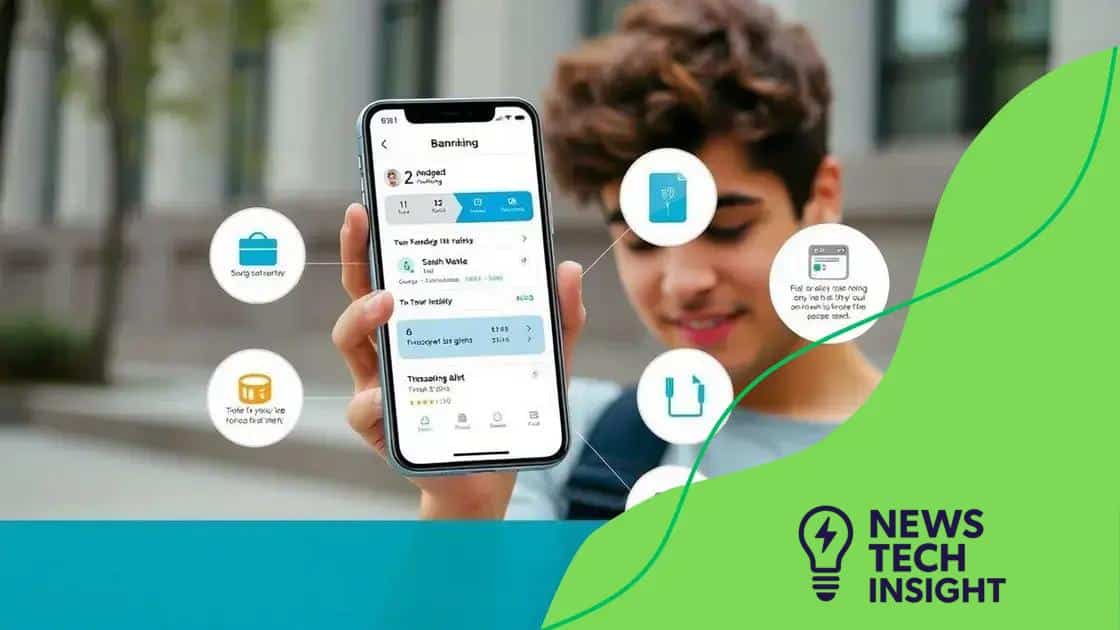
Key features driving digital banking adoption are essential to understand how financial institutions can attract younger customers. With technology evolving rapidly, many services now cater to the unique preferences of users.
User-Friendly Interfaces
One major feature is the design of user-friendly interfaces. Customers need straightforward navigation to find what they need quickly. Simplified layouts, touch-screen functionalities, and customizable dashboards enhance user experience.
Convenient Mobile Access
Another important factor is convenient mobile access. With apps available on smartphones, users can manage their finances on-the-go. This ease of access encourages more frequent use of banking services.
- 24/7 Availability: Users can check balances or transfer money any time.
- Instant Transfers: Services like peer-to-peer transfers allow quick payments.
- Real-Time Notifications: Alerts help users track their spending immediately.
As customers become more tech-savvy, they expect financial services to match their lifestyle. Banks that incorporate these elements will likely see higher adoption rates among younger generations.
Security is another crucial component shaping digital banking. Financial institutions are investing in advanced security measures to protect sensitive information. Many apps use biometric features like fingerprint or facial recognition to safeguard user accounts.
Innovative Features
Innovative features, such as budgeting tools and AI-driven personalized recommendations, also attract users. By providing insights into spending habits, banks help customers make better financial decisions.
The combination of these features ultimately drives digital banking adoption. Financial institutions that recognize and implement these key aspects will thrive in a competitive market.
Comparing traditional banking vs. digital solutions
Comparing traditional banking to digital solutions reveals significant differences shaping how people manage their finances today. Understanding these contrasts helps users make informed choices about their banking preferences.
Accessibility
Traditional banking often requires visits to physical branches during set hours. Customers must wait in line and may face limited service availability. In contrast, digital solutions allow users to bank anytime and anywhere. This convenience supports busy lifestyles and enhances customer satisfaction.
Speed of Transactions
When it comes to transferring money, traditional banks may take several days for processing. This delay can be frustrating, especially for urgent payments. Digital solutions, however, provide instant transfers and payments in real-time through mobile apps, elevating the overall experience.
- Instant notifications: Users receive alerts for transactions immediately, ensuring better tracking.
- Quick loan applications: Many digital banks streamline processes, reducing approval times significantly.
- Real-time insights: Consumers can monitor their spending habits as they occur.
The ability to access financial information instantaneously is a game-changer for many users. Additionally, digital banking often incorporates innovative features that traditional banks might lack.
Costs and Fees
Fees are another critical area of comparison. Traditional banks often charge monthly maintenance fees, ATM fees, and overdraft fees, which can add up quickly. In contrast, many digital solutions offer lower fees or no fees at all, making banking more affordable for users.
Moreover, digital banks may offer higher interest rates on savings accounts compared to their traditional counterparts. This aspect is crucial for financially savvy consumers looking to maximize their returns.
Given these differences, it’s clear that while traditional banking has its benefits, digital solutions provide a modern approach tailored to the needs of today’s consumers. As technology continues to evolve, more individuals will likely shift towards digital banking for convenience, cost-effectiveness, and enhanced features.
The future of banking: trends among younger generations

The future of banking is closely tied to trends emerging among younger generations. As Gen Z and millennials take charge of their finances, they bring fresh expectations and demands to the financial sector.
Emphasis on Digital Solutions
One significant trend is the growing emphasis on digital solutions. Younger users prioritize mobile banking apps that are intuitive and feature-rich. This demographic generally prefers handling transactions online rather than visiting physical bank branches, which creates a push for banks to innovate.
Personalization and Customization
Another important trend is the demand for personalization. Younger generations expect banking services tailored to their specific needs. This can involve personalized savings goals or spending alerts based on individual habits and preferences.
- Tailored Financial Advice: Many apps provide budgeting tips based on user behavior.
- Customizable Notifications: Users can set alerts for specific spending limits.
- Rewards Programs: These programs are designed to match user interests, whether it’s travel or shopping.
These personalized experiences create a sense of ownership and engagement with banking services, fostering loyalty among users.
Focus on Sustainability
Sustainability is also a vital aspect for younger generations. Many young bankers prefer institutions that reflect their values, including ethical investment practices and sustainable initiatives. Banks that prioritize environmental responsibility often see a positive response from these customers.
Additionally, educational tools and resources are becoming crucial. Younger users appreciate financial literacy education, enabling them to make informed decisions. Many banks are incorporating learning materials and interactive tools within their apps.
Overall, the future of banking is being reshaped by younger generations who are tech-savvy, value-driven, and eager for a personalized approach. As financial institutions adapt to these trends, they can build stronger relationships with their customers and create a more inclusive financial landscape.
FAQ – Frequently Asked Questions about Digital Banking Adoption
What are the main features of digital banking that attract younger users?
Younger users are attracted to features such as user-friendly interfaces, mobile access, personalization, and low fees, all of which enhance convenience and satisfaction.
How does digital banking differ from traditional banking?
Digital banking offers immediate access and online services, while traditional banking requires in-person visits and has limited hours for service.
Why is sustainability important for younger generations in banking?
Younger generations prefer banks that prioritize sustainability, showing interest in institutions that align with their values and support environmentally friendly practices.
How can financial institutions improve their relationship with younger customers?
By offering personalized services, financial education resources, and engaging digital solutions, banks can build stronger relationships with younger customers.