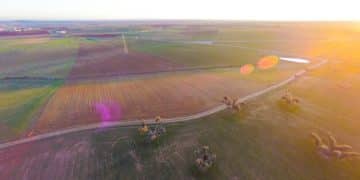
Drones for Beginners: Your 2025 Guide to Aerial Photography
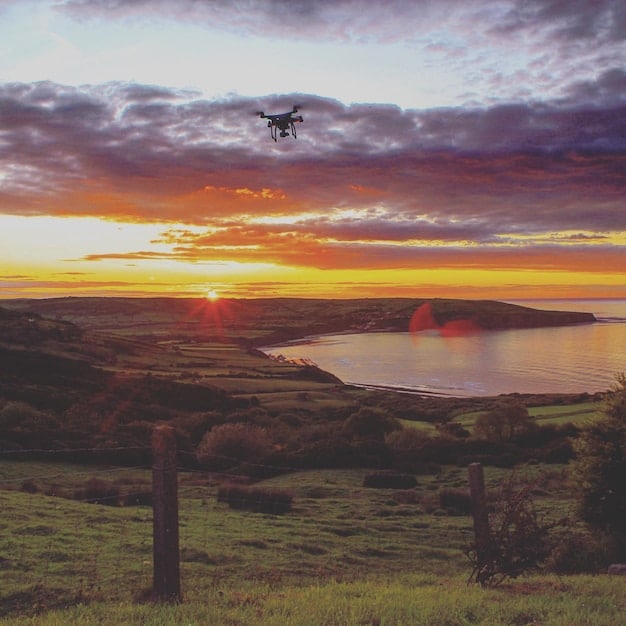
Drones for Beginners: A Step-by-Step Guide to Getting Started with Aerial Photography in 2025 covers the essentials of drone operation, from choosing the right drone and understanding regulations to mastering aerial photography techniques and ensuring safety, to help you capture stunning aerial shots.
Ready to take to the skies? Drones for Beginners: A Step-by-Step Guide to Getting Started with Aerial Photography in 2025 will equip you with everything you need to know to get off the ground—literally—and start capturing breathtaking aerial images.
Choosing Your First Drone
Embarking on your aerial photography journey begins with selecting the right drone. The market offers a vast array of drones, each designed with specific features and tailored for various skill levels and budgets. Consider these factors when making your choice.
What features are most important for a beginner? Look for simplified controls and durable designs.
Key Features to Consider
When choosing your first drone, focusing on features that enhance usability and safety is crucial. Consider the following elements:
- GPS Stabilization: This feature allows the drone to hover in place, even in windy conditions, providing stability for capturing clear photos and videos.
- Obstacle Avoidance: Equipped with sensors, this technology helps the drone detect and avoid obstacles, reducing the risk of crashes, especially in complex environments.
- Return-to-Home Function: In case of signal loss or low battery, this function automatically brings the drone back to its take-off point, ensuring you don’t lose your investment.
- Flight Time: Longer flight times mean more opportunities for capturing footage. Look for drones that offer at least 20 minutes of flight time per battery.
These features will help you feel more confident as you learn to control your drone, giving you more time to focus on capturing great shots.
Selecting a drone is not just about the specs; it’s about how those specs translate into a user-friendly experience. By focusing on ease of use, safety features, and durability, you’ll be well-prepared to enter the exciting world of aerial photography.
Understanding Drone Regulations and Safety
Before you take your drone to the sky, it is crucial to understand and adhere to local regulations and safety protocols. Regulations vary significantly by location and are put in place to ensure public safety and privacy, as well as to protect your investment.
Why is it important to follow these rules? Ignoring them could result in hefty fines or even legal repercussions.
Key Regulations in the US
In the United States, the Federal Aviation Administration (FAA) regulates drone operations. Here are some important rules to keep in mind:
- Registration: All drones weighing over 0.55 pounds (250 grams) must be registered with the FAA.
- Altitude Limits: Drones cannot be flown above 400 feet in controlled airspace without authorization.
- Restricted Airspace: Avoid flying near airports, military bases, and critical infrastructure. Use the FAA’s B4UFLY app to check for restricted airspace.
- Visual Line of Sight: Always maintain a visual line of sight with your drone during flight.
Be sure to check both federal and local regulations before you fly, as local ordinances may impose additional restrictions.
Understanding and respecting these regulations creates an environment where everyone can enjoy the benefits of drone technology responsibly. It also ensures you can fly with peace of mind, knowing you are compliant with the law.
Mastering Basic Drone Controls
Now that you’ve got your drone and you are aware of the rules, let’s get to the fun part: learning to fly. Mastering the basic controls of your drone is essential for capturing smooth and steady aerial footage. Practice makes perfect, so start in a safe, open area away from obstacles and people.
What are the essential controls you need to know? It’s all about mastering the joysticks.
Essential Controls: The Joysticks
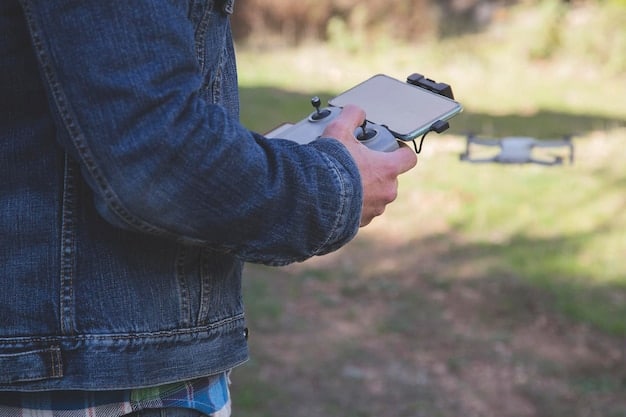
Most drone controllers have two joysticks that control the drone’s movement. Here’s a breakdown of what each stick does:
- Left Stick (Throttle/Yaw):
- Up/Down (Throttle): Controls the drone’s altitude. Push up to make the drone ascend and down to descend.
- Left/Right (Yaw): Rotates the drone horizontally, allowing you to change the direction the drone is facing.
- Right Stick (Pitch/Roll):
- Up/Down (Pitch): Tilts the nose of the drone up or down, causing the drone to move forward or backward.
- Left/Right (Roll): Tilts the drone to the left or right, causing the drone to move sideways in those directions.
Practice Maneuvers
Start with basic maneuvers like taking off, hovering, and landing. As you become more comfortable, practice flying in straight lines, making smooth turns, and maintaining a consistent altitude.
Mastering basic drone controls is just the beginning of your aerial adventure. With practice, you’ll gain the confidence to perform more complex maneuvers and capture stunning aerial footage.
Essential Camera Settings for Aerial Photography
Capturing stunning aerial photographs requires not only skillful flying but also understanding essential camera settings. Drones typically come equipped with cameras capable of capturing high-resolution photos and videos, but to get the best results, you need to know how to adjust the settings to match your environment.
Why are camera settings so important? They can dramatically affect the quality and look of your images.
Key Camera Settings
Here are some of the most important camera settings to adjust for aerial photography:
- ISO: This setting controls the camera’s sensitivity to light. Keep the ISO as low as possible (usually ISO 100) to minimize noise in your images.
- Aperture: This setting controls the amount of light entering the camera lens. A wider aperture (lower f-number) creates a shallow depth of field, while a narrower aperture (higher f-number) keeps more of the image in focus.
- Shutter Speed: This setting controls the amount of time the camera’s shutter is open, exposing the sensor to light. A faster shutter speed freezes motion, while a slower shutter speed can create motion blur.
- White Balance: This setting adjusts the color temperature of your images to ensure accurate colors. Use the “Auto” setting or experiment with different presets to find the best match for your environment.
Experiment with these settings to find the perfect balance for your aerial shots.
Mastering camera settings transforms your aerial photographs from ordinary to extraordinary. By understanding how each setting affects your images, you can create stunning visuals that showcase your unique perspective.
Advanced Aerial Photography Techniques
Once you have mastered the basics, it’s time to explore advanced techniques that will take your aerial photography to the next level. These techniques not only enhance the visual appeal of your photos but also challenge your skills as a pilot and photographer.
Ready to push your creative boundaries? Let’s dive into some advanced techniques.
Panorama Shots
Panorama shots capture a wide field of view by stitching together multiple images. Most drone apps have a panorama mode that automates this process, making it easy to capture stunning landscape vistas.
Hyperlapse and Timelapse
Hyperlapse and timelapse videos compress long periods of time into short, engaging clips. Hyperlapse involves moving the drone slightly between each shot, creating a dynamic sense of motion, while timelapse captures stationary shots over a long duration.
Composition Tips for Aerial Photography
Composition in aerial photography is all about creating a visually appealing and impactful image. Consider these elements:
- Rule of Thirds: Divide your frame into nine equal parts and position key elements along these lines or at their intersections.
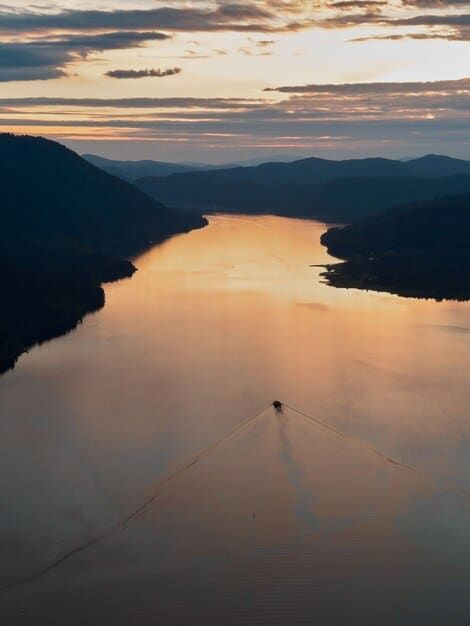
- Leading Lines: Use natural or man-made lines to guide the viewer’s eye through the image.
- Symmetry and Patterns: Look for symmetrical scenes or repeating patterns that create visual harmony.
- Negative Space: Use empty space to draw attention to your subject and create a sense of scale.
Experiment with these techniques and develop your own visual style.
By mastering these advanced techniques, you can create captivating aerial photographs that stand out from the crowd. Let your creativity soar, and continue to explore new ways to capture the world from a unique perspective.
Maintaining Your Drone for Longevity
Protecting your investment and ensuring consistent performance requires proper drone maintenance. Regular upkeep not only extends the lifespan of your drone but also prevents potential issues that could lead to accidents or poor image quality.
Why is drone maintenance so crucial? Neglecting maintenance can result in costly repairs and unreliable performance.
Regular Cleaning and Inspection
After each flight, take a few minutes to clean your drone and inspect it for any damage. Wipe down the body with a soft, damp cloth to remove dirt and debris. Check the propellers for cracks, bends, or chips, and replace them if necessary. Examine the camera lens for smudges or scratches, and clean it with a lens cleaning cloth.
Battery Care
Proper battery care is essential for maximizing battery life and ensuring safe operation. Follow these guidelines:
- Storage: Store your batteries in a cool, dry place away from direct sunlight.
- Charging: Use the charger that came with your drone, and avoid overcharging your batteries.
- Discharge: Don’t let your batteries sit fully charged or fully discharged for extended periods.
Software Updates
Keep your drone’s software and firmware up to date. Manufacturers regularly release updates that improve performance, add new features, and fix bugs.
By following these maintenance tips, you can keep your drone in top condition and enjoy years of reliable performance. Regular maintenance ensures that every flight is safe, enjoyable, and productive, allowing you to capture breathtaking aerial footage without worrying about equipment failure.
| Key Point | Brief Description |
|---|---|
| 🚁 Choosing a Drone | Select a drone with beginner-friendly features like GPS stabilization and obstacle avoidance. |
| 📜 Regulations and Safety | Understand and follow local regulations, including registration and altitude limits, to fly responsibly. |
| 📷 Camera Settings | Adjust camera settings like ISO, aperture, and shutter speed to capture high-quality aerial photos. |
| 🛠️ Drone Maintenance | Regularly clean and inspect your drone, take care of the batteries, and keep the software updated for longevity. |
Frequently Asked Questions (FAQ)
▼
In the US, recreational flyers don’t need a license, but must pass the TRUST test. For commercial use, a Part 107 certificate is required, obtained by passing an FAA knowledge test.
▼
In the United States, the maximum altitude for drone flight is generally 400 feet above ground level (AGL) or, if higher, 400 feet above the immediate structure.
▼
Firmware updates are usually done through the drone manufacturer’s app. Connect your drone to the app, and follow the prompts to download and install the latest firmware.
▼
First, ensure the area is safe. Retrieve your drone and assess the damage. Report any accidents to the FAA if required, especially if involving other people or property.
▼
Avoid extreme temperatures when storing and using your batteries. Fly in moderate weather, avoid aggressive maneuvers, and ensure your batteries are properly charged and maintained for optimal life.
Conclusion
Embarking on the journey of aerial photography with drones can be incredibly rewarding, providing a unique perspective and creative outlet. By understanding the fundamentals of drone selection, safety regulations, essential controls, and advanced photography techniques, you can confidently capture breathtaking aerial images and videos while ensuring the longevity of your equipment. So, gear up, take to the skies, and let your creativity soar to new heights.