Endpoint Detection and Response (EDR): Choosing the Right Solution for Your Business

Endpoint Detection and Response (EDR) is a cybersecurity solution that continuously monitors endpoints and uses data analysis and automated responses to detect and mitigate threats, providing businesses with enhanced protection against cyberattacks.
In today’s complex digital landscape, endpoint detection and response (EDR) has become an indispensable component of cybersecurity for businesses of all sizes. But with so many EDR solutions on the market, how do you choose the right one for your unique needs?
Understanding Endpoint Detection and Response (EDR)
Before diving into the selection process, it’s crucial to understand what EDR is and what it does. EDR is more than just antivirus software; it’s a comprehensive system designed to detect, analyze, and respond to threats that bypass traditional security measures.
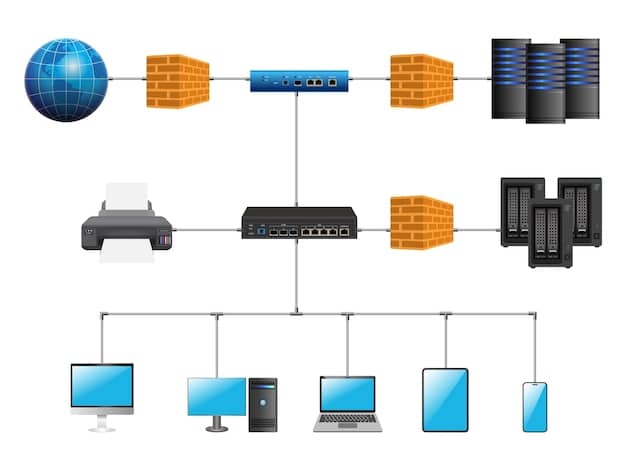
EDR solutions continuously monitor endpoints – such as desktops, laptops, servers, and mobile devices – for suspicious activities. They collect data from these endpoints, analyze it using advanced techniques like machine learning, and provide security teams with the visibility and tools they need to investigate and respond to incidents.
Key Capabilities of EDR Solutions
Effective EDR solutions offer a range of capabilities that go beyond basic threat detection.
- Real-time Monitoring: Continuous monitoring of endpoint activity to detect threats as they emerge.
- Threat Detection: Advanced analytics to identify malicious behavior and potential security breaches.
- Incident Response: Tools and capabilities to quickly respond to and contain security incidents.
- Forensic Analysis: Detailed data collection and analysis to understand the scope and impact of attacks.
These capabilities enable businesses to proactively address security threats and minimize the potential damage from cyberattacks. With EDR, you are not only detecting but actively responding to ensure business continuity.
In conclusion, understanding the core capabilities of EDR is the primary step toward bolstering your organization’s cybersecurity readiness in a constantly evolving threat environment.
Assessing Your Business Needs
The first step in choosing an EDR solution is to assess your business’s specific needs and requirements. What are your risk tolerance levels? What kind of data do you need to protect? What resources do you have available for managing an EDR solution?
Consider factors such as the size of your organization, the industry you’re in, and the regulatory requirements you must comply with. These factors will influence the type of EDR solution that’s right for you.
Determining Your Security Priorities
Identifying your security priorities is essential for narrowing down your EDR options.
- Data Protection: Protecting sensitive data from unauthorized access or theft.
- Compliance: Meeting regulatory requirements such as HIPAA, PCI DSS, or GDPR.
- Incident Response: Minimizing the impact of security incidents and quickly restoring normal operations.
- Threat Prevention: Proactively preventing attacks from reaching your endpoints.
Understanding your security priorities will help you focus on EDR solutions that offer the specific features and capabilities you need. By prioritizing these factors, your business can significantly reduce its vulnerability to cyber threats and secure its digital assets more effectively.
Ultimately, by conducting a thorough assessment of your business needs, you can ensure that you select an EDR solution that aligns with your organization’s goals and helps you achieve your security objectives.
Evaluating EDR Features and Capabilities
Once you have a clear understanding of your business needs, you can begin evaluating the features and capabilities of different EDR solutions. Consider factors such as threat detection accuracy, incident response capabilities, and ease of use.
Also, look for solutions that offer advanced features like behavioral analysis, machine learning, and threat intelligence integration. These features can help you proactively identify and respond to emerging threats.
Key EDR Features to Consider
Here are some essential features to look for when evaluating EDR solutions:
- Automated Threat Detection: The ability to automatically detect and respond to threats without manual intervention.
- Behavioral Analysis: Analyzing endpoint behavior to identify anomalous activities that may indicate a security breach.
- Incident Response Automation: Automating incident response tasks such as isolating infected endpoints and removing malware.

These features will help your organization respond more dynamically to the evolving threat landscape. EDR programs must come with a comprehensive yet intuitive set of features that support easy integration with existing security infrastructures.
In short: when evaluating EDR features, prioritize functionalities that give the highest accuracy and easy incident handling.
Understanding Deployment Options
EDR solutions are available in a variety of deployment options, including on-premises, cloud-based, and hybrid deployments. Each option has its own advantages and disadvantages, so it’s essential to choose the one that best fits your business’s infrastructure and resources.
On-premises deployments offer greater control over data and security, but they require more upfront investment and ongoing maintenance. Cloud-based deployments are more flexible and scalable, but they may raise concerns about data privacy and security.
Choosing the Right Deployment Model
Here are some important factors to consider when choosing an EDR deployment model:
- Scalability: The ability to easily scale the EDR solution as your business grows.
- Cost: The total cost of ownership, including upfront investment and ongoing maintenance.
- Integration: How well the EDR solution integrates with your existing security infrastructure.
Considering these factors will help you select a deployment model that meets your business’s needs and budget. The deployment of your EDR can range widely from cost-effective solutions to comprehensive platforms.
In essence, deployment of your EDR impacts its scalability, cost and compatibility with your existing security infrastructure, so assessing all three factors is paramount.
Evaluating Vendor Reputation and Support
When choosing an EDR solution, it’s essential to evaluate the vendor’s reputation and track record. Look for vendors with a strong history of innovation, customer satisfaction, and security expertise.
Also, consider the level of support offered by the vendor. Do they provide 24/7 support? Do they offer training and resources to help you get the most out of their solution? A reputable vendor will be invested in your success and provide the support you need to protect your business from cyber threats.
Assessing Vendor Reliability
Here are some key indicators of a reliable EDR vendor:
- Industry Recognition: Awards, certifications, and recognition from industry analysts and experts.
- Customer Reviews: Feedback from other customers about their experience with the vendor and their solution.
- Security Expertise: A team of experienced security professionals who can provide expert guidance and support.
These elements are crucial when entrusting your security to an external party. Vendors should have strong references and the ability to deliver dependable support.
Ultimately, by doing your diligence and researching the vendor, you can ensure that you’re working with a partner that you can trust to protect your business from cyber threats.
Considering Cost and ROI
Finally, when choosing an EDR solution, it’s essential to consider the cost and potential return on investment (ROI). EDR solutions can vary widely in price, so it’s essential to find one that fits your budget and offers the features and capabilities you need.
Also, consider the potential cost savings associated with EDR, such as reduced incident response costs, improved productivity, and minimized downtime. A well-chosen EDR solution can pay for itself many times over by preventing costly security incidents and protecting your business’s reputation.
Calculating the Value of EDR
When evaluating the ROI of EDR, consider these factors:
- Reduced Incident Response Costs: Lower costs associated with investigating and remediating security incidents.
- Improved Productivity: Increased productivity due to reduced downtime and fewer disruptions.
- Prevented Data Breaches: Avoidance of costly data breaches that can damage your reputation and result in financial losses.
These benefits can make EDR a cost-effective investment for businesses of all sizes. Businesses should assess their incident-response expenses, calculate possible productivity gains, and ascertain the savings associated with preventing possible data leaks.
By carefully considering the cost and potential ROI of different EDR solutions, you can make an informed decision that protects your business and delivers tangible value.
| Key Point | Brief Description |
|---|---|
| 🛡️ Core Capabilities | Real-time monitoring, threat detection, incident response, and forensic analysis. |
| 📊 Security Priorities | Data protection, compliance, incident response, and threat prevention. |
| ⚙️ Key EDR Features | Automated threat detection, behavioral analysis, and incident response automation. |
| 🏢 Deployment Options | On-premises, cloud-based, and hybrid deployments each with unique benefits. |
Frequently Asked Questions (FAQ)
▼
Traditional antivirus primarily focuses on known malware signatures, whereas EDR provides continuous, real-time monitoring and behavioral analysis to detect and respond to both known and unknown threats.
▼
EDR enhances incident response by providing detailed data collection, analysis, and tools to quickly identify, contain, and remediate security incidents, reducing impact and downtime.
▼
Yes, EDR solutions extend protection to remote workers by monitoring their endpoints regardless of location, ensuring consistent security coverage against potential threats.
▼
Behavioral analysis in EDR involves monitoring endpoint activities to identify deviations from normal patterns, which may indicate malicious behavior or security breaches.
▼
Integration typically involves using APIs and standard protocols to connect EDR with SIEM, firewalls, and other security tools, allowing for coordinated threat detection and response.
Conclusion
Choosing the right endpoint detection and response (EDR) solution for your business is a critical decision that can significantly impact your cybersecurity posture. By carefully assessing your needs, evaluating different features and capabilities, and considering the cost and ROI, you can select an EDR solution that aligns with your business goals and protects you from the ever-evolving threat landscape.