Protecting Your Data: Essential Cybersecurity Gadgets for 2026
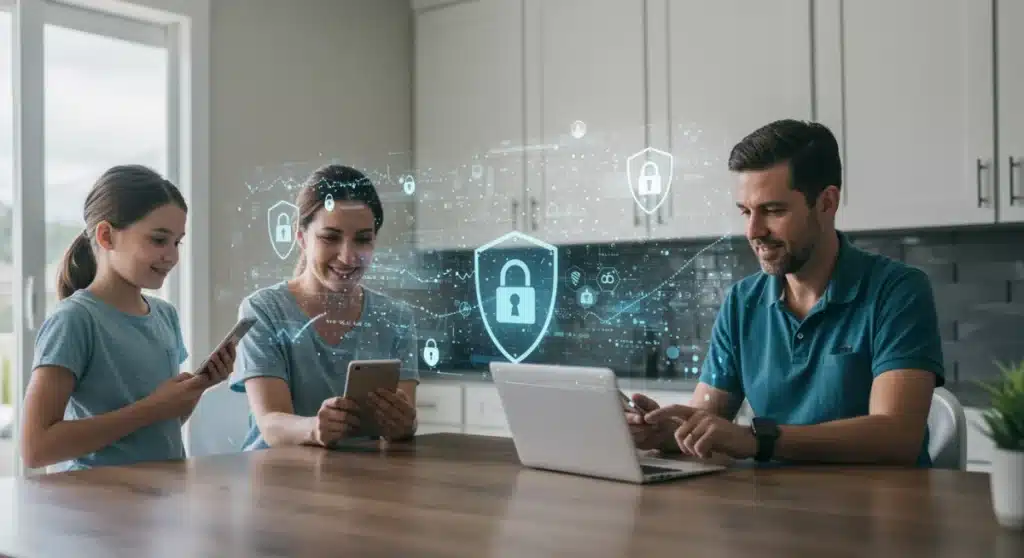
With cyber threats continuously evolving, equipping US households with effective digital defenses is crucial for safeguarding personal information and maintaining online privacy.
In an increasingly interconnected world, where digital footprints grow larger by the day, the need for robust cybersecurity measures has never been more urgent. For every US household, understanding and implementing effective data protection strategies is no longer optional but a fundamental necessity. This article delves into Protecting Your Data: 4 Essential Cybersecurity Gadgets for Every US Household in 2026, offering insights into the cutting-edge tools that can significantly bolster your digital defenses.
The Evolving Landscape of Cyber Threats in 2026
The digital realm of 2026 presents a complex tapestry of convenience and peril. As smart homes become standard and personal data flows freely across numerous devices and cloud services, the attack surface for cybercriminals expands exponentially. Traditional antivirus software, while still important, is often insufficient against sophisticated, multi-pronged attacks.
Cyber threats have evolved beyond simple viruses to include highly targeted phishing campaigns, ransomware that encrypts entire data banks, sophisticated identity theft schemes, and even state-sponsored espionage aimed at individuals. The sheer volume and ingenuity of these threats demand a proactive and multi-layered defense strategy. Households must move beyond basic password protection and embrace dedicated hardware solutions designed to create a more resilient cybersecurity posture.
Advanced Phishing and Social Engineering
- Deepfake Technology: AI-generated audio and video are used to impersonate trusted contacts, making phishing attempts incredibly convincing.
- Smishing and Vishing: SMS and voice phishing attacks are tailored with personal information gleaned from data breaches, increasing their success rate.
- Credential Stuffing: Automated attacks leverage stolen login credentials from one service to gain access to others, exploiting password reuse.
Understanding these evolving threats is the first step toward effective protection. Relying solely on software solutions leaves significant vulnerabilities that hardware gadgets are specifically designed to address. These devices provide a physical layer of security, making it exponentially harder for attackers to compromise your data and privacy.
Hardware Security Keys: The Unyielding Gatekeepers of Your Accounts
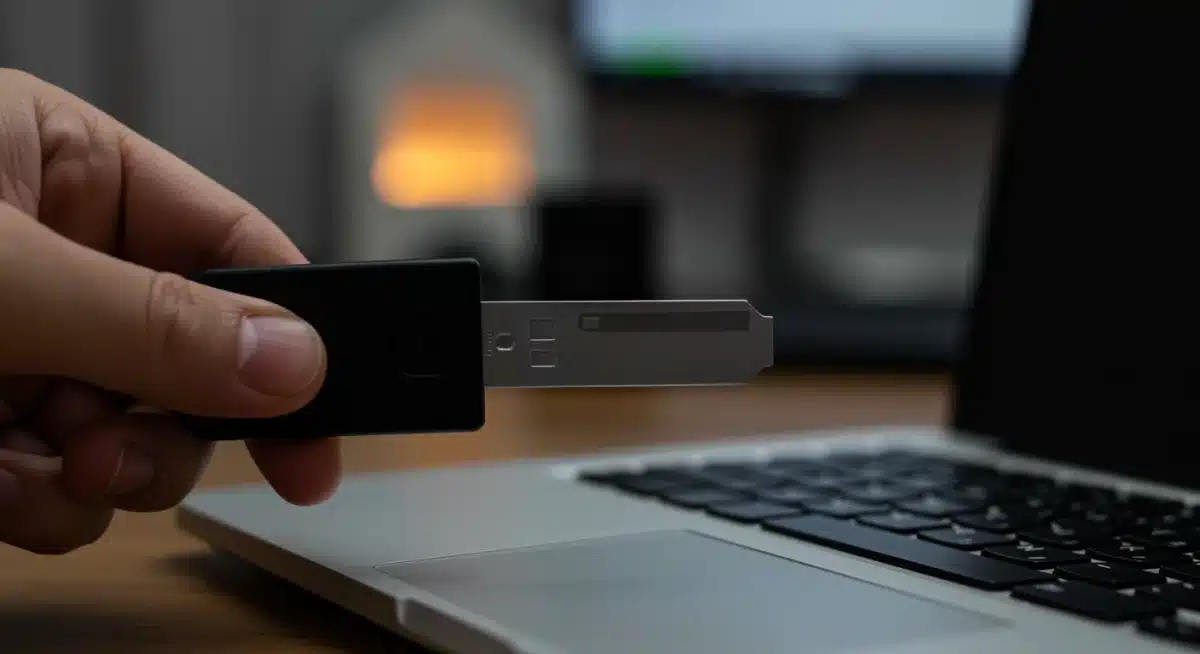
In the quest for superior account protection, hardware security keys have emerged as an indispensable gadget for 2026. These small, physical devices offer an unparalleled layer of security, far surpassing traditional two-factor authentication (2FA) methods like SMS codes or authenticator apps. By requiring a physical key to log into sensitive accounts, they effectively block remote phishing attacks and credential theft.
The principle behind a hardware security key is simple yet profoundly effective: something you have, combined with something you know. Even if a cybercriminal manages to steal your password, they cannot access your account without physical possession of your key. This makes them a formidable barrier against some of the most common and damaging cyberattacks, such as phishing, which often tricks users into revealing their login credentials.
Why Hardware Keys are Superior 2FA
- Phishing Resistance: Unlike SMS or app-based 2FA, hardware keys verify the website’s authenticity, preventing you from accidentally entering credentials on a fake site.
- Ease of Use: Once set up, logging in is often as simple as tapping or inserting the key, streamlining the security process.
- Universal Standard: Many keys support FIDO2/WebAuthn standards, making them compatible with a wide range of services, from Google and Microsoft to social media platforms.
Integrating hardware security keys into your digital life for critical accounts—email, banking, social media, and cloud storage—is a proactive step that every US household should take. They represent a significant upgrade in personal cybersecurity, making your online presence vastly more secure against the most prevalent forms of digital intrusion. Their robust protection against remote attacks makes them a cornerstone of modern data security strategies.
Secure Routers with Built-in VPN: Your Home Network’s Digital Fortress
The home router, often an overlooked piece of hardware, is the gateway to your entire digital life. In 2026, upgrading to a secure router with a built-in Virtual Private Network (VPN) is no longer a luxury but a fundamental necessity for Protecting Your Data: 4 Essential Cybersecurity Gadgets for Every US Household in 2026. These advanced routers encrypt all internet traffic flowing through your network, securing every connected device from potential eavesdropping and cyberattacks, even those that don’t support VPN software directly.
A router with an integrated VPN ensures that all data leaving your home network is encrypted and routed through a secure server, masking your IP address and protecting your online activities from your Internet Service Provider (ISP), potential hackers, and even government surveillance. This comprehensive protection extends to smart TVs, gaming consoles, and IoT devices that might otherwise be vulnerable.
Benefits of a VPN Router
- Whole-Home Protection: Every device connected to your Wi-Fi network benefits from VPN encryption, regardless of its operating system or software capabilities.
- Always-On Security: Once configured, the VPN is always active, providing continuous protection without requiring individual device setup.
- Geo-Unblocking: Access content and services that might be geographically restricted, enhancing your digital freedom.
Choosing a secure router with strong encryption protocols and a reliable VPN service integrated is crucial. This single gadget can transform your home network into a digital fortress, safeguarding the privacy and security of all your household members and their numerous devices. It’s an investment in peace of mind, knowing that your online activities are private and protected from external threats.
Smart Home Security Hubs with Advanced Threat Detection
As smart homes become more prevalent, the interconnectedness of devices introduces new vulnerabilities. A dedicated smart home security hub with advanced threat detection capabilities is an essential cybersecurity gadget for 2026. These hubs go beyond simple physical security, actively monitoring network traffic, identifying suspicious activities, and alerting users to potential breaches involving their smart devices.
Unlike individual device security, a centralized hub provides a holistic view of your smart home’s security posture. It can detect unauthorized access attempts on smart locks, unusual data transfers from smart cameras, or even attempts to compromise voice assistants. By acting as a central nervous system for your smart devices, these hubs offer an integrated defense against the unique cyber threats targeting IoT ecosystems.
Key Features of Advanced Security Hubs
- Network Anomaly Detection: Identifies unusual patterns in data traffic that could indicate a breach or malware infection on an IoT device.
- Device Vulnerability Scanning: Regularly checks connected smart devices for known vulnerabilities and recommends necessary updates or configurations.
- Centralized Alerts and Control: Provides a single dashboard for managing security settings and receiving real-time alerts across all smart devices.
Investing in a smart home security hub is pivotal for securing the increasingly complex IoT landscape within your household. It offers a crucial layer of defense, ensuring that the convenience of smart living does not come at the expense of your privacy and security. These hubs are designed to evolve with new threats, providing continuous protection for your connected ecosystem.
Encrypted External Hard Drives: Your Personal Data Vault
Despite the rise of cloud storage, local data backup remains a critical component of a comprehensive cybersecurity strategy. Encrypted external hard drives are an essential gadget for 2026, serving as a personal data vault for sensitive documents, cherished memories, and critical backups. These drives offer robust hardware-level encryption, ensuring that even if the drive falls into the wrong hands, your data remains inaccessible.
Software encryption can be bypassed, but hardware encryption, often requiring a physical PIN or biometric authentication directly on the device, provides a far superior level of security. This is particularly important for households storing financial records, personal identification documents, or any data that could lead to identity theft if compromised. Regular backups to an encrypted drive offer a vital safeguard against ransomware, accidental deletion, or system failures.
Advantages of Encrypted Drives
- Data at Rest Protection: Your data is encrypted even when the drive is not connected to a computer, making it secure during transport or storage.
- Physical Security: Many drives include tamper-proof casings and require physical authentication, adding another layer of defense.
- Ransomware Resilience: An offline, encrypted backup is your best defense against ransomware attacks that encrypt your primary data.
For any US household, an encrypted external hard drive is a non-negotiable tool for data protection. It provides a secure, tangible backup solution that complements cloud storage and protects against a wide array of digital and physical threats. Making regular backups to such a device ensures that your most valuable digital assets are safe and recoverable, regardless of what cyber challenges 2026 may bring.
Implementing a Multi-Layered Cybersecurity Strategy
While each of these gadgets offers significant protection individually, their true power lies in their combined implementation as part of a multi-layered cybersecurity strategy. Protecting Your Data: 4 Essential Cybersecurity Gadgets for Every US Household in 2026 isn’t just about buying new tech; it’s about creating a cohesive defense system where each component reinforces the others. This integrated approach dramatically reduces your household’s overall vulnerability to cyber threats.
A multi-layered strategy means that even if one defense mechanism is breached, others are in place to prevent further intrusion or data loss. For example, a hardware security key protects your accounts, while a VPN router secures your network traffic. An encrypted hard drive safeguards your backups, and a smart home hub monitors your IoT devices. This redundancy is key to robust cybersecurity.
Building Your Defense Ecosystem
- Assess Your Needs: Identify which data and devices are most critical to protect.
- Prioritize Implementation: Start with the most impactful gadgets, like hardware keys for critical accounts.
- Regular Maintenance: Keep all devices and software updated, as vulnerabilities are often patched in new releases.
By adopting a comprehensive approach, US households can significantly enhance their digital resilience against the ever-evolving landscape of cyber threats. This investment in protective gadgets and a thoughtful strategy will pay dividends in peace of mind and the continued safety of your personal data and privacy. It’s about building a future where digital convenience doesn’t compromise security.
| Key Gadget | Primary Benefit |
|---|---|
| Hardware Security Keys | Phishing-resistant two-factor authentication for critical accounts. |
| Secure Routers with VPN | Encrypts all home network traffic, protecting every connected device. |
| Smart Home Security Hubs | Monitors and secures all IoT devices against network anomalies and threats. |
| Encrypted External Hard Drives | Provides secure, hardware-encrypted local backups for sensitive data. |
Frequently Asked Questions About Cybersecurity Gadgets
Hardware security keys offer superior protection by verifying the website’s authenticity, making them phishing-resistant. Unlike app-based 2FA, which can still be tricked by sophisticated phishing sites, a hardware key ensures you’re only providing credentials to legitimate services, significantly enhancing your account security against remote attacks.
A VPN router provides whole-home protection, encrypting traffic for all devices connected to your network, including smart TVs, gaming consoles, and IoT devices that may not support individual VPN software. This ensures comprehensive, always-on security without needing to configure each device separately, offering a more robust defense.
Smart home security hubs monitor network traffic for anomalies, scan connected devices for known vulnerabilities, and provide centralized alerts. They act as a dedicated guardian for your smart ecosystem, detecting unusual behavior or unauthorized access attempts on IoT devices that might otherwise go unnoticed, thus preventing potential breaches.
Yes, an encrypted external hard drive is crucial even with cloud storage. It provides an offline, hardware-encrypted backup that protects against ransomware, accidental deletions, and cloud service disruptions. It acts as a secure personal vault for your most sensitive data, ensuring that you always have a recoverable copy independent of online vulnerabilities.
The most important step is adopting a multi-layered cybersecurity strategy that combines these essential gadgets. No single solution is foolproof. By integrating hardware security keys, a secure VPN router, a smart home security hub, and encrypted external drives, you create a robust, redundant defense system that significantly enhances your overall data protection and privacy.
Securing Your Digital Future
As we navigate the complexities of 2026, the imperative to safeguard our digital lives intensifies. For every US household, Protecting Your Data: 4 Essential Cybersecurity Gadgets for Every US Household in 2026 represents a strategic investment in peace of mind and digital resilience. By integrating hardware security keys, secure VPN routers, smart home security hubs, and encrypted external hard drives, you build a formidable defense against the ever-evolving landscape of cyber threats. These tools, when used cohesively, transform your home into a secure digital sanctuary, ensuring your privacy and data remain protected in an increasingly interconnected world.