Ethical use of AI in remote learning advocacy

The ethical use of AI in remote learning promotes equity, enhances personalized education, and supports effective teaching strategies to ensure all students have equal access to quality learning experiences.
Ethical use of AI in remote learning advocacy is crucial as education evolves with technology. But have you ever wondered how we can ensure it’s used fairly and responsibly? Let’s dive into some of these pressing questions together.
The importance of ethical AI in education
Understanding the importance of ethical AI in education is vital for creating a learning environment that values fairness and diversity. As educational institutions increasingly rely on technology, the need for ethical standards becomes even more critical.
Why Ethics Matter
Ethics in AI protects students from biases that can shape their learning experience negatively. Unchecked, AI can lead to unfair disparities, limiting opportunities for some learners. Emphasizing ethics in AI ensures that all students receive equal access to resources and support.
Key Principles of Ethical AI
- Transparency: Users should clearly understand how AI systems make decisions.
- Accountability: Developers and educators should take responsibility for the outcomes of AI tools.
- Inclusivity: AI must serve diverse student populations and avoid reinforcing stereotypes.
- Privacy: Protecting student data is essential for maintaining trust in educational environments.
By adhering to these principles, educators can cultivate a learning atmosphere where technology acts as an ally rather than a barrier. Moreover, as education evolves, incorporating ethical AI becomes paramount for maintaining integrity in teaching practices.
Consider the role of educators in fostering this environment. They must advocate for responsible AI use while seeking solutions that prioritize students’ needs. Building curricula that include ethical AI training can prepare future educators and students alike to navigate the challenges ahead.
Benefits of Ethical AI
The implementation of ethical AI yields numerous benefits, such as improved student engagement and tailored learning experiences. When AI is used responsibly, it promotes critical thinking and enhances learning outcomes. Additionally, ethical practices contribute to a fairer educational landscape, ultimately benefiting everyone involved.
In conclusion, recognizing the importance of ethical AI in education is the first step toward realizing its full potential. By prioritizing ethics, we can ensure that AI serves as a valuable partner in learning, helping educators create an inclusive and equitable system for all students. Ethical AI can change how we learn, making education accessible and fair.
Understanding biases in AI tools

Understanding biases in AI tools is essential for ensuring fairness in education. As we integrate AI systems into learning environments, it’s critical to recognize how these tools can unintentionally reinforce stereotypes or disadvantage certain student groups.
AI systems learn from data, and if that data contains biases, the AI will replicate them. For example, if historical data used to train an AI tool reflects existing inequalities, the tool may perpetuate those inequalities in its outcomes. This raises questions about the accuracy and fairness of AI-generated recommendations for students.
Common Types of Biases
There are several types of biases that can appear in AI systems:
- Data Bias: Occurs when the training data does not fully represent the diversity of the target population.
- Algorithmic Bias: Arises from the design of the algorithms themselves, which can favor certain groups over others.
- Pre-existing Bias: Reflects existing social prejudices in society, which may be inadvertently encoded into AI systems.
- Measurement Bias: Happens when the metrics or methods used to evaluate AI effectiveness are flawed.
Recognizing these biases is the first step toward mitigating their effects. Educators and developers need to work together to create AI systems that prioritize equity and accessibility. This involves not only improving training data but also continuously monitoring AI outcomes to identify and correct biases.
To promote a better understanding, institutions can invest in training programs for educators focusing on the ethical use of AI. These programs should address the nuances of bias in AI tools and how they can impact student learning. By providing educators with the right tools and knowledge, we can foster a generation of learners who are both tech-savvy and socially conscious.
Engaging students in discussions about the implications of AI bias can empower them to think critically about the tech they use. By encouraging young minds to question AI decisions, we prepare them for a future where ethical considerations in AI remain at the forefront of educational technology development.
Strategies for promoting equitable remote learning
Promoting equitable remote learning is essential to ensure that every student has access to the same opportunities. Implementing effective strategies for promoting equitable remote learning can significantly improve student engagement and success.
One key strategy is to provide access to technology. Schools must ensure that every student has the necessary devices and reliable internet. Without these tools, students from lower-income families may fall behind their peers. Providing resources like loaner laptops and free internet access can bridge the digital divide.
Creating Inclusive Learning Environments
Creating an inclusive learning environment is another critical aspect of equitable remote learning. Educators should use a variety of teaching methods to reach different learning styles. Incorporating visual aids, interactive lessons, and video content can enhance engagement. Listening to student feedback and adjusting teaching techniques can also help meet everyone’s needs.
Personalized Learning
Another effective approach is to implement personalized learning. This means tailoring lessons to fit individual student needs and paces. Using AI-driven platforms can help identify students who need extra support and provide targeted resources. For example, adaptive learning software can adjust difficulty levels based on a student’s performance, ensuring that they stay challenged but not overwhelmed.
- Regular Check-ins: Schedule frequent one-on-one or group check-ins to support students and address their concerns.
- Flexible Scheduling: Offer flexible deadlines and varied assignment types to accommodate diverse needs and circumstances.
- Peer Collaboration: Encourage group projects to foster teamwork and allow students to learn from each other.
- Professional Development: Provide training for teachers on best practices for utilizing technology and engaging students remotely.
Additionally, creating a strong sense of community among students is vital. Virtual meetups, discussion forums, and group activities can help students feel connected, even when learning from home. Making sure students are aware of available resources is equally important, from academic support to mental health services.
By employing these strategies, educators can create a more equitable remote learning experience that addresses the diverse needs of all students. Focusing on technology access, inclusivity, personalization, and community can help level the playing field, ensuring everyone has the chance to succeed.
Case studies of successful AI integration
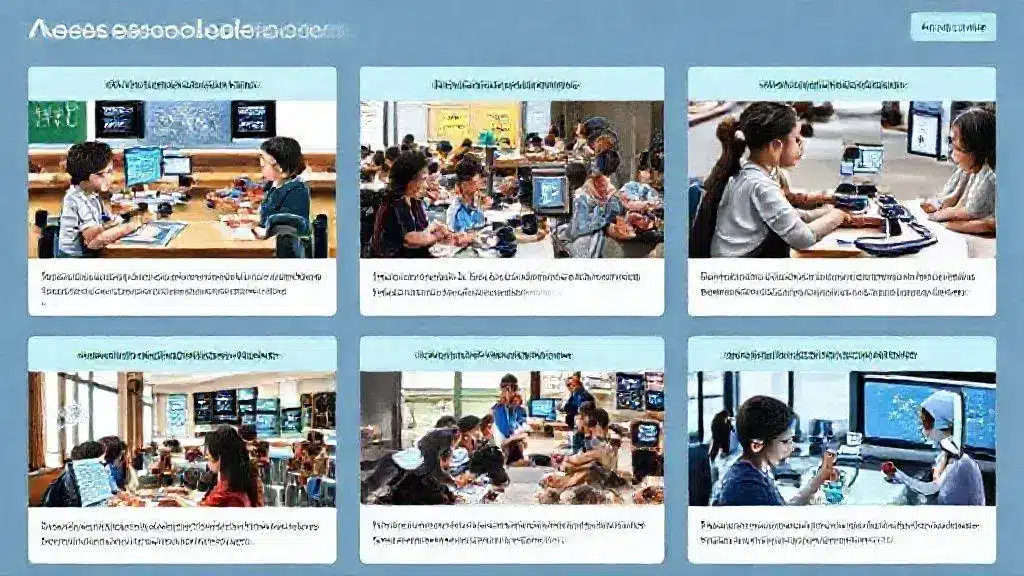
Case studies of successful AI integration in education highlight the potential of technology to enhance learning experiences. These real-world examples provide valuable insights into how AI can effectively support teachers and students.
One notable case study involves a school district that deployed an AI-powered tutoring system. This system analyzed students’ performance and customized lessons based on their strengths and weaknesses. As a result, students showed significant improvement in math scores. Teachers appreciated the extra support, allowing them to focus on students needing more individual attention.
AI in Personalized Learning
Another successful example comes from an online learning platform that used AI to offer personalized learning paths. By assessing each student’s learning style and progress, the platform provided tailored content that kept students engaged. Many users reported higher satisfaction rates and improved outcomes, thanks to the adaptability of the AI system.
Enhancing Classroom Engagement
In a different approach, a classroom used AI tools to encourage collaboration among students. By implementing an AI-driven discussion platform, students could easily share ideas and receive instant feedback. This interactive environment led to more active participation and a deeper understanding of the material.
- Tutoring systems: AI systems that offer personalized support and adapt lessons for individual students.
- Learning platforms: Tools using AI to create tailored learning experiences based on performance data.
- Engagement tools: Platforms that foster collaboration and active participation in classroom discussions.
- Assessment solutions: AI-driven tools that help teachers track student progress and identify areas for improvement.
These case studies emphasize how a thoughtful integration of AI can transform education. They show that when implemented carefully, AI tools can provide personalized, engaging, and effective learning experiences for all students. They underscore the necessity for educators and institutions to embrace these technologies to drive positive change in education.
FAQ – Frequently Asked Questions about Ethical Use of AI in Remote Learning
How can AI improve access to education for all students?
AI can provide personalized learning experiences and bridge gaps in resources by adapting to each student’s needs.
What are some examples of successful AI integration in education?
Successful examples include AI tutoring systems that enhance student performance and personalized learning platforms that tailor content.
Why is training educators on AI usage important?
Training helps educators effectively use AI tools, enhancing their teaching strategies and improving student engagement.
What role does community support play in remote learning?
Community support fosters connections among students, enhancing their learning experiences and providing a sense of belonging.