Evolving Phishing Attacks: Protecting Your Employees from Latest Scams

Phishing attacks are constantly evolving, making it crucial for businesses to educate employees on how to identify and avoid the latest scams to protect sensitive data and maintain cybersecurity.
In today’s digital landscape, phishing attacks evolving: how to spot the latest scams and protect your employees is a critical concern for businesses of all sizes. The sophistication of these attacks requires a proactive approach to cybersecurity.
Understanding the Evolving Landscape of Phishing Attacks
Phishing attacks have moved beyond simple email scams. Today, they encompass a range of sophisticated techniques that can target individuals across various platforms. Understanding this evolution is the first step in effective defense.
The Shift from Simple Scams to Advanced Techniques
Early phishing attempts were often easy to spot due to poor grammar and obvious red flags. Modern phishing attacks, however, are much more refined, using sophisticated language and mimicking legitimate communications.
Attackers now use techniques like spear phishing, which targets specific individuals with personalized emails, and whaling, which focuses on high-profile targets within an organization.
Common Channels Used in Phishing Attacks
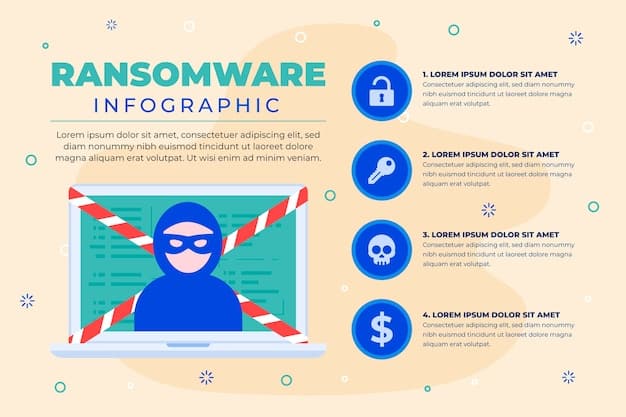
While email remains a primary channel, phishing attacks now occur across multiple platforms, including social media, SMS (smishing), and even phone calls (vishing). This multi-channel approach increases the likelihood of success.
- Email Phishing: Still the most common, using deceptive emails to trick users.
- Smishing: Phishing attacks conducted via SMS text messages.
- Vishing: Phishing attacks carried out through phone calls.
- Social Media Phishing: Fake profiles or posts tricking users into sharing information.
Staying informed about these evolving tactics is vital for both personal and organizational security. Regular training and awareness campaigns can help employees recognize and report potential threats.
In conclusion, the landscape of phishing attacks is constantly changing. By understanding the shift to advanced techniques and the various channels used, businesses can better prepare and protect themselves and their employees.
Recognizing Red Flags in Phishing Emails
Identifying red flags in phishing emails is a crucial skill for protecting your organization. By teaching employees what to look for, you can significantly reduce the risk of successful attacks.
Suspicious Sender Addresses and Email Content
One of the first things to check is the sender’s email address. Look for inconsistencies, such as misspellings of the company name or unusual domain extensions. Scrutinize the email content for grammatical errors, urgent requests, or threats.
Be wary of emails that ask for personal information, such as passwords or financial details. Legitimate organizations rarely request sensitive information via email.
Links and Attachments: Proceed with Caution
Before clicking on any links, hover over them to see the actual URL. If the URL doesn’t match the sender’s domain or looks suspicious, do not click it. Similarly, be cautious of attachments, especially if they are unexpected or come from an unknown sender.
- Check Sender Address: Look for misspellings or unusual domain extensions.
- Hover Over Links: Verify the URL before clicking.
- Examine Attachments: Be cautious of unexpected attachments.
- Grammatical Errors: Poor grammar is a common red flag.
Educating employees to scrutinize these elements can empower them to identify and report potential phishing attempts, strengthening your organization’s overall security posture.
In summary, recognizing red flags in phishing emails is a vital skill for employees. By being vigilant about suspicious sender addresses, email content, links, and attachments, they can help protect your organization from evolving phishing threats.
Implementing a Robust Employee Training Program
A robust employee training program is essential for building a strong defense against phishing attacks. Regular training sessions can equip employees with the knowledge and skills to identify and avoid these threats.
Regular Training Sessions and Simulated Phishing Attacks
Conduct regular training sessions that cover the latest phishing techniques and red flags. Use simulated phishing attacks to test employees’ awareness and identify areas where additional training is needed.
Make the training interactive and engaging, using real-world examples and case studies to illustrate the potential impact of phishing attacks.
Creating a Culture of Cybersecurity Awareness
Foster a culture of cybersecurity awareness where employees feel comfortable reporting suspicious emails and activities. Encourage open communication about security concerns and recognize employees who actively contribute to the organization’s security.

- Regular Training: Conduct frequent training sessions covering the latest threats.
- Simulated Attacks: Use realistic phishing simulations to test employee awareness.
- Open Communication: Encourage employees to report suspicious activity.
- Incentivize Participation: Recognize employees who contribute to security.
By implementing a comprehensive training program, you can empower your employees to become a strong line of defense against phishing attacks, reducing the risk of data breaches and financial losses.
In conclusion, implementing a robust employee training program is vital for safeguarding your organization. Regular training sessions, simulated attacks, and a culture of cybersecurity awareness can significantly enhance your defense against evolving phishing threats.
Utilizing Technology to Enhance Phishing Protection
Technology plays a crucial role in enhancing phishing protection. By leveraging the right tools and security measures, organizations can detect and prevent phishing attacks before they reach employees.
Email Filtering and Anti-Phishing Software
Implement email filtering and anti-phishing software to automatically detect and block suspicious emails. These tools use advanced algorithms and threat intelligence to identify phishing attempts.
Regularly update your security software to ensure it can recognize the latest phishing techniques. Monitor email traffic for unusual patterns and block suspicious IP addresses.
Multi-Factor Authentication (MFA) and Password Management
Implementing multi-factor authentication (MFA) adds an extra layer of security by requiring users to provide multiple forms of identification. This reduces the risk of unauthorized access even if a password is compromised.
Encourage employees to use strong, unique passwords and consider using a password manager to securely store and manage their credentials.
Technology can significantly enhance phishing protection by automatically detecting and blocking suspicious emails. MFA and password management add extra layers of security, reducing the risk of unauthorized access.
- Email Filters: Automatically detect and block phishing emails.
- Anti-Phishing Software: Use advanced algorithms to identify threats.
- Multi-Factor Authentication: Require multiple forms of identification.
- Password Management: Encourage strong, unique passwords.
By utilizing these technologies, organizations can create a more secure environment and protect their employees from the evolving threat of phishing attacks.
In summary, technology is a vital component of phishing protection. Email filtering, anti-phishing software, multi-factor authentication, and password management can significantly enhance your organization’s security posture and protect against evolving threats.
Developing a Phishing Incident Response Plan
Having a well-defined phishing incident response plan is essential for minimizing the impact of a successful phishing attack. This plan should outline the steps to take when a phishing incident is detected, from containment to recovery.
Steps to Take When a Phishing Incident is Detected
The first step is to contain the incident by isolating affected systems and preventing further spread. Notify the IT security team and relevant stakeholders immediately.
Investigate the incident to determine the scope of the attack and identify any compromised accounts or systems. Take steps to recover compromised accounts and restore affected systems.
Post-Incident Analysis and Lessons Learned
After the incident, conduct a thorough analysis to identify the root cause and lessons learned. Update your security policies and training programs to prevent similar incidents in the future.
- Containment: Isolate affected systems to prevent further spread.
- Investigation: Determine the scope of the attack and compromised accounts.
- Recovery: Restore affected systems and recover compromised accounts.
- Analysis: Identify the root cause and lessons learned.
Regularly review and update your incident response plan to ensure it remains effective in the face of evolving phishing threats. Test the plan through simulations and drills to ensure all team members are familiar with their roles and responsibilities.
In conclusion, developing a phishing incident response plan is crucial for minimizing the impact of a successful attack. Containment, investigation, recovery, and post-incident analysis are key steps in the response process.
Keeping Up-to-Date with the Latest Phishing Trends
Staying informed about the latest phishing trends is essential for maintaining effective protection. Phishing techniques are constantly evolving, so it is important to stay ahead of the curve.
Following Industry News and Threat Intelligence Reports
Subscribe to industry news sources and threat intelligence reports to stay informed about the latest phishing trends and techniques. Monitor security blogs and forums to learn about emerging threats and best practices.
Attend cybersecurity conferences and webinars to network with other professionals and learn from their experiences. Share information and insights with your employees to keep them informed about the latest threats.
Regularly Updating Security Policies and Training Programs
Review and update your security policies and training programs regularly to incorporate the latest phishing trends and techniques. Conduct periodic risk assessments to identify vulnerabilities and prioritize security measures.
- Industry News: Subscribe to security news sources and threat intelligence reports.
- Conferences: Attend cybersecurity conferences and webinars.
- Policy Updates: Regularly review and update security policies.
- Risk Assessments: Conduct periodic vulnerability assessments.
By staying up-to-date with the latest phishing trends and proactively updating your security measures, you can better protect your organization and employees from these evolving threats.
In summary, keeping up-to-date with the latest phishing trends is vital for maintaining effective protection. Following industry news, attending conferences, and regularly updating security policies and training programs are key steps in staying ahead of evolving threats.
| Key Point | Brief Description |
|---|---|
| 🛡️ Training Programs | Regularly train employees to recognize and report phishing attempts. |
| 📧 Email Red Flags | Inspect sender addresses, grammar, and URLs for suspicious signs. |
| 🔒 MFA | Implement MFA to add an extra layer of security. |
| 🚨 Incident Plan | Create a response plan for quick action if a phishing attack occurs. |
FAQ
▼
The most common types include email phishing, spear phishing (targeted attacks), whaling (targeting high-profile individuals), and smishing (SMS phishing). Each uses deceptive tactics to steal information.
▼
Look for suspicious sender addresses, grammatical errors, urgent or threatening language, and requests for personal information. Always hover over links to verify the destination URL before clicking.
▼
Do not click on any links or open attachments. Report the email to your IT security team immediately. If you’ve already clicked, change your passwords and monitor your accounts for suspicious activity.
▼
Employee training equips staff with the knowledge to recognize and avoid phishing attacks. Regular training sessions and simulated phishing attacks help reinforce awareness and reduce risk.
▼
MFA requires users to provide multiple forms of identification, such as a password and a unique code from a mobile device. This adds an extra layer of security, making it harder for attackers to gain unauthorized access.
Conclusion
In conclusion, protecting your organization from evolving phishing attacks requires a multi-faceted approach that includes employee training, technological safeguards, and a well-defined incident response plan. By staying informed and proactive, you can mitigate the risks and safeguard your valuable assets.