Gaming Console 2026: Performance vs. Price Analysis
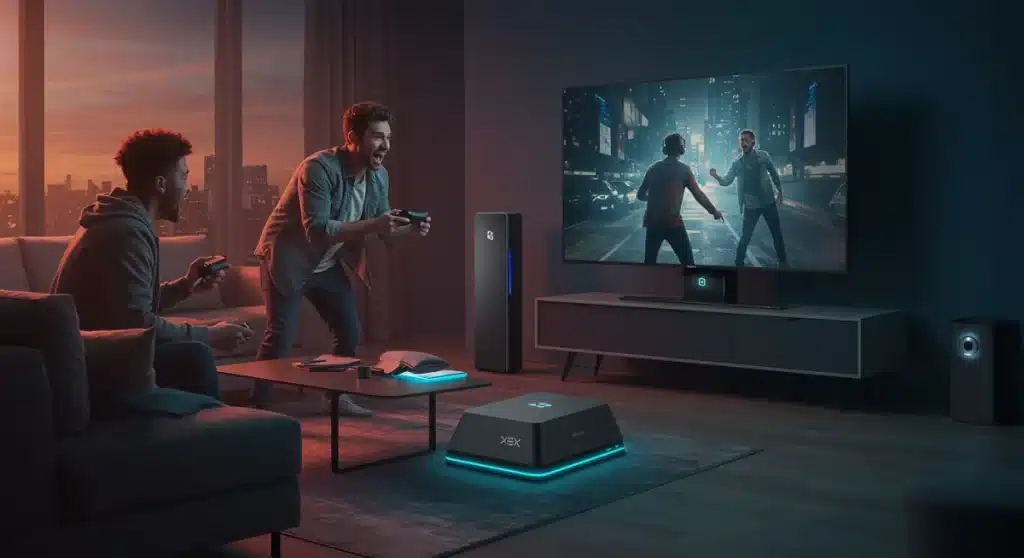
This guide offers an in-depth analysis of selecting a new gaming console in 2026, focusing on the critical balance between performance and price, alongside key features and ecosystem considerations.
Choosing a new gaming console can be a daunting task, especially with the rapid advancements in technology. This comprehensive guide, The Ultimate Guide to Selecting a New Gaming Console in 2026: Performance vs. Price Analysis, aims to simplify that decision, helping you navigate the evolving landscape of gaming hardware.
Understanding the 2026 Console Landscape
The year 2026 marks a significant juncture in console gaming, with several manufacturers pushing the boundaries of what’s possible in home entertainment. This section delves into the general state of the market, identifying key players and emerging trends that will shape your purchasing decision.
Console generations are getting shorter, and the lines between traditional consoles and cloud-based gaming are blurring. We are seeing a greater emphasis on ecosystem integration, where your console is just one piece of a larger gaming experience that spans multiple devices and services.
Key Players and Their Offerings
- Sony PlayStation 6: Expected to continue its legacy of cinematic experiences and exclusive titles, with enhanced haptic feedback and spatial audio.
- Microsoft Xbox Series Z: Focusing on a powerful, subscription-based gaming ecosystem with deep integration into cloud gaming and PC cross-play.
- Nintendo Switch Pro 2: Likely to maintain its hybrid portability while significantly boosting graphical capabilities and battery life for an unparalleled on-the-go experience.
Beyond these established giants, new entrants or significant upgrades from existing players might emerge, offering niche experiences or disruptive technologies. Understanding their core philosophies and target audiences is crucial before diving into specifications.
In conclusion, the 2026 console market is diverse and dynamic, offering a range of options tailored to different gaming preferences. A clear understanding of each platform’s strengths and weaknesses forms the foundation of an informed choice.
Performance Metrics: What Truly Matters?
When evaluating a new gaming console, raw performance numbers are often the first thing gamers look at. However, understanding what these metrics truly mean for your gaming experience is more important than simply comparing larger figures. This section breaks down the critical performance indicators for 2026 consoles.
The interplay between CPU, GPU, RAM, and storage speed dictates how smoothly games run, the fidelity of graphics, and the speed of loading times. A balanced approach to these components is often more beneficial than an overemphasis on one area.
CPU and GPU: The Core of Gaming Power
The Central Processing Unit (CPU) handles game logic, AI, and physics, while the Graphics Processing Unit (GPU) renders the visuals. In 2026, expect advanced custom-designed AMD or NVIDIA silicon, optimized for gaming workloads.
- CPU Cores/Threads: More cores generally mean better multitasking and handling of complex game environments.
- GPU TFLOPS: A measure of graphical processing power, directly impacting resolution, frame rates, and visual effects.
- Ray Tracing Units: Dedicated hardware for realistic lighting, reflections, and shadows, becoming standard in next-gen titles.
Beyond raw power, the efficiency of these components and their cooling solutions play a vital role in sustained performance and longevity. Overheating can lead to throttling, reducing the console’s effective power.
Ultimately, high performance translates to higher resolutions (4K, 8K), smoother frame rates (60fps, 120fps), and more immersive graphical fidelity. Prioritizing these aspects ensures your console can handle the most demanding titles for years to come.
Price Analysis: Budgeting for Your Next-Gen Experience
The cost of a new gaming console in 2026 is more than just the upfront purchase price. This section examines the various financial aspects to consider, including console price, accessory costs, and subscription services, to help you budget effectively for your next-gen gaming experience.
Understanding the total cost of ownership is crucial. A cheaper console might end up being more expensive in the long run if it requires frequent accessory purchases or expensive proprietary services.
Console Price Tiers and Value Propositions
Consoles typically fall into different price tiers, reflecting their performance capabilities and bundled features. Entry-level consoles might offer a more accessible price point but could compromise on raw power or storage.
- Entry-Level: Often digital-only versions or slightly less powerful variants, appealing to budget-conscious gamers.
- Mid-Range: The sweet spot for many, offering a strong balance of performance and features without breaking the bank.
- Premium: Top-tier performance, larger storage, and potentially unique features, catering to enthusiasts who demand the best.
Consider the long-term value. A console that costs a bit more initially but has a longer lifespan and access to a wider library of games might offer better value over time. Exclusives, backward compatibility, and upgrade paths also factor into this equation.
In summary, a thorough price analysis goes beyond the initial sticker price. It encompasses the entire gaming ecosystem you’ll be investing in, ensuring your budget aligns with your gaming aspirations.
Ecosystem and Exclusives: Beyond the Hardware
A gaming console is more than just a box of components; it’s a gateway to an entire ecosystem of games, services, and community. This section explores the importance of each console’s unique ecosystem and its exclusive titles in your decision-making process for 2026.
The choice of console often comes down to which platform offers the games and experiences that resonate most with your personal preferences. These ecosystems are designed to keep you engaged and invested.
Exclusive Games and Content
- PlayStation: Known for narrative-driven, single-player experiences with high production values.
- Xbox: Emphasizes first-party titles available on Game Pass from day one, often with cross-play and cross-save features.
- Nintendo: Features beloved characters and innovative gameplay mechanics, appealing to a broad family audience.

Beyond first-party exclusives, consider timed exclusives and console-specific content that might influence your choice. The strength of a console’s exclusive lineup can dictate its overall appeal.
Furthermore, the online services, digital storefronts, and community features of each ecosystem contribute significantly to the overall gaming experience. A robust and user-friendly platform enhances enjoyment and connectivity.
Storage, Connectivity, and Peripherals
While often overlooked in favor of raw processing power, storage, connectivity options, and available peripherals play a crucial role in the overall user experience of a gaming console. This section highlights these vital aspects for 2026 consoles.
Fast storage reduces loading times, while robust connectivity ensures stable online play. The availability of diverse and high-quality peripherals can significantly enhance immersion and gameplay.
Storage Solutions: Speed and Capacity
Solid State Drives (SSDs) are now standard, but their speed and capacity vary. Faster SSDs reduce load times dramatically, but larger game files mean capacity is always a concern.
- Internal SSD Speed: Look for consoles with NVMe SSDs for optimal performance.
- Expandable Storage: The ease and cost of expanding internal storage are critical for managing your game library.
- External HDD Support: Useful for storing older titles or media, freeing up faster internal storage for current-gen games.
With game sizes continuing to grow, adequate and easily expandable storage is no longer a luxury but a necessity. Consider the proprietary solutions versus standard formats when evaluating costs.
Connectivity options, including Wi-Fi 6E, Bluetooth 5.2, and multiple USB-C ports, ensure future-proofing and compatibility with a wide range of accessories and networks. Peripherals like advanced controllers, VR headsets, and specialized gaming gear can transform your gaming sessions.
Future-Proofing Your Investment: Longevity and Upgradability
Investing in a new gaming console in 2026 means considering its longevity and potential for future upgrades. This section explores how to select a console that will remain relevant and enjoyable for years to come, minimizing the need for immediate replacements.
A future-proof console is one that can handle evolving game requirements, support new technologies, and offer a clear path for hardware or software enhancements.
Software Updates and Backward Compatibility
Regular software updates from console manufacturers are essential for improving performance, adding features, and enhancing security. A console with a strong track record of consistent updates is a good indicator of long-term support.
- OS Updates: Ensure the console’s operating system receives frequent improvements and new functionalities.
- Backward Compatibility: The ability to play games from previous generations adds immense value and extends your game library.
- Cross-Generation Support: Publishers often release games across console generations, but check how well older consoles handle newer titles.
The potential for mid-generation refreshes or pro versions should also be factored in. While not always predictable, manufacturers often release enhanced versions of their consoles a few years into their lifecycle, offering improved performance.
In conclusion, choosing a console with strong software support, extensive backward compatibility, and a clear path for future enhancements ensures your investment remains valuable and provides a rich gaming experience for an extended period.
Making Your Final Decision: Performance, Price, and Personal Preference
The ultimate choice for your 2026 gaming console boils down to a careful balance of performance, price, and your unique personal preferences. This section guides you through synthesizing all the information to make the best decision for your individual needs.
There is no single ‘best’ console; only the best console for you. Your gaming habits, budget, and desired experiences should be the primary drivers of your final selection.
Prioritizing Your Gaming Needs
Before making a purchase, reflect on what aspects of gaming are most important to you. Are you a competitive multiplayer enthusiast, a solo narrative adventurer, or a casual gamer who enjoys family-friendly titles?
- Graphics & Frame Rate: If cutting-edge visuals and buttery-smooth gameplay are paramount, prioritize consoles with top-tier CPUs and GPUs.
- Exclusive Games: If specific game franchises or genres are your main draw, align your choice with the console that offers those exclusives.
- Budget & Value: If cost is a significant factor, consider entry-level consoles or bundles that offer excellent value for money.
Consider the community aspect. If most of your friends play on a particular platform, joining them can enhance your social gaming experience. Also, think about any existing game libraries you might have on older consoles and how backward compatibility plays into that.
Ultimately, the best gaming console for you in 2026 will be the one that most effectively meets your performance expectations, fits your budget, and provides access to the games and experiences you truly desire. Don’t rush the decision; take the time to research and weigh your options carefully.
| Key Point | Brief Description |
|---|---|
| Performance Metrics | CPU, GPU, RAM, and SSD speed are crucial for resolution, frame rates, and load times. |
| Price Considerations | Beyond console cost, factor in accessories, subscription services, and long-term value. |
| Ecosystem & Exclusives | Game libraries, unique services, and platform-exclusive titles significantly impact choice. |
| Future-Proofing | Consider software updates, backward compatibility, and potential for mid-gen upgrades. |
Frequently Asked Questions About 2026 Gaming Consoles
While prices can vary significantly based on model and region, new gaming consoles in 2026 are likely to range from $399 for entry-level digital editions to $599-$699 for premium, disc-drive models with enhanced storage and features, reflecting advanced component costs.
Achieving native 4K at 120fps will likely remain a premium feature, primarily available on high-end models for select, less graphically intensive titles. Most consoles will target 4K 60fps or upscaled 4K with variable refresh rates for demanding games, balancing fidelity and performance.
Exclusive games remain a significant factor, as they often showcase a console’s unique capabilities and offer experiences unavailable elsewhere. Your preference for specific genres or franchises should heavily influence your decision, as exclusives drive platform identity and value.
Cloud gaming is expected to be deeply integrated, offering seamless access to game libraries across devices and potentially reducing the need for massive local storage or powerful hardware for some titles. It will complement, rather than fully replace, local processing for core experiences.
Backward compatibility is highly likely to be a standard feature, with manufacturers recognizing its importance to consumers. It allows players to retain their existing game libraries, offering significant value and easing the transition to new hardware, though support levels may vary.
Conclusion
Navigating the complex world of gaming consoles in 2026 requires a thoughtful approach, balancing cutting-edge performance with practical budgetary considerations and personal preferences. By carefully evaluating CPU and GPU power, understanding the total cost of ownership, and considering the unique ecosystems and exclusive titles each platform offers, you can make an informed decision. Remember to also factor in storage, connectivity, and the potential for future-proofing your investment through software updates and backward compatibility. Ultimately, the best console is the one that aligns perfectly with your individual gaming style and aspirations, promising years of immersive and enjoyable entertainment.