Home energy assistance uptick in summer heatwaves
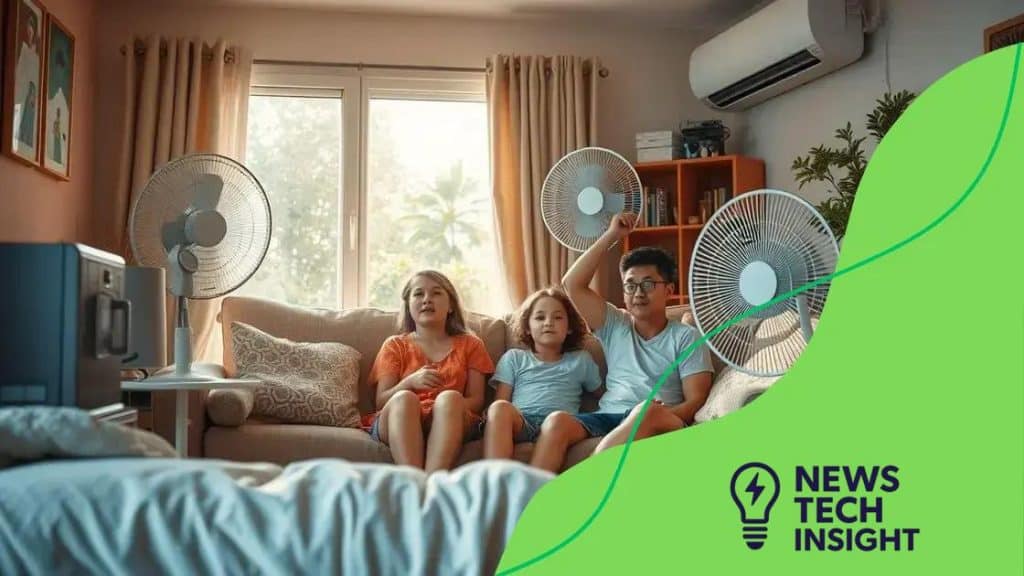
Home energy assistance programs provide vital support for low-income families to help them pay their energy bills, especially during extreme summer heat.
Home energy assistance uptick in summer heatwaves highlights a pressing need for support during scorching temperatures. Ever thought about how many people struggle to keep cool as temps soar? This article unravels the rising demand for assistance and its broader implications.
Understanding home energy assistance programs
Understanding home energy assistance programs is essential for anyone needing support during extreme weather conditions. These programs offer critical aid to low-income households, helping them manage their energy costs effectively.
Many families struggle to keep up with rising utility bills, especially during summer heatwaves. This is where energy assistance programs step in, providing the necessary relief.
What are home energy assistance programs?
These programs are designed to assist eligible households in paying their energy bills. They are crucial for families facing financial hardships. Programs often include:
- Direct payments to utility providers
- Weatherization assistance to improve home energy efficiency
- Information on managing energy costs effectively
By availing of these services, families can ensure that their homes remain comfortable during hot months.
Who qualifies for assistance?
Generally, eligibility often depends on income levels and household size. Typically, families with incomes at or below 150% of the federal poverty level may qualify. Each state has its criteria, so it’s important to check your local program details.
Energy assistance programs often require you to provide documentation such as income verification, utility bills, and proof of residence. This information helps agencies determine your eligibility and the amount of aid available.
In addition to aiding with bills, these programs work to educate families on energy efficiency. Understanding how to reduce consumption can lead to significant savings in the long run.
How to apply for assistance
Applying for energy assistance can be straightforward. You can typically start by visiting your state’s energy assistance website or contacting local agencies. They can guide you through the application process.
- Gather necessary documents
- Fill out the application form
- Submit your application online or in person
Don’t hesitate to reach out for help if you have questions during the process. Many organizations provide assistance with applications and offer additional resources.
Factors driving the increase in requests
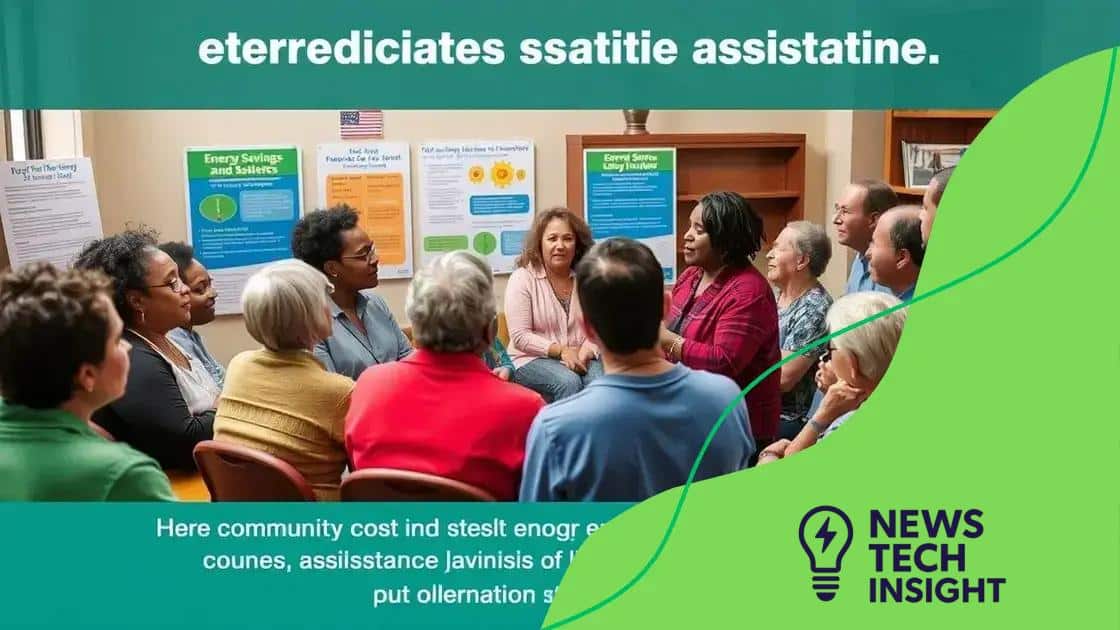
Factors driving the increase in requests for home energy assistance programs are multifaceted. Various elements contribute to the rising number of people seeking help, especially during hot summer months.
A significant factor is the increasing cost of energy. As utility rates rise, families find it harder to manage their energy bills. This financial strain often leads them to seek assistance just to keep their homes cool and livable.
Economic challenges
The current economic climate plays a huge role in this uptick. Many households are facing difficulties due to job losses and lower wages. Combined with higher living expenses, this creates a perfect storm for financial hardship.
- Inflation affecting essential goods
- Job instability and unemployment rates
- Reduced income for many families
Such economic pressure forces families to make tough choices between basic needs, making energy assistance programs vital for many.
Climate change impacts
In addition to economic issues, the increasing severity of heatwaves linked to climate change has also raised requests for assistance. As temperatures soar, reliance on air conditioning spikes, leading to higher energy consumption and bills.
Many households simply cannot afford the costs associated with peak summer energy use, resulting in a surge of applications to assistance programs. This trend is likely to continue as climate patterns become more unpredictable.
Increased awareness
Awareness of these energy assistance programs has also grown. Nonprofits and governmental agencies are doing more outreach to inform families about available resources. This increased visibility has empowered individuals to seek help.
- Community workshops educating on energy choices
- Social media campaigns promoting assistance programs
- Local advocacy groups helping families apply
With more information available, it’s easier for families to take the steps necessary to apply and secure aid.
Impact of summer heatwaves on vulnerable populations
Impact of summer heatwaves on vulnerable populations is a critical topic, especially as temperatures climb. Heatwaves can pose serious health risks, particularly for those most at risk.
People in vulnerable groups often lack access to adequate cooling and resources, making them more susceptible to heat-related illnesses. Vulnerable populations include the elderly, individuals with pre-existing health conditions, and low-income families.
Health risks associated with heatwaves
During extreme heat, the body can struggle to regulate temperature. As a result, heat-related illnesses such as heat exhaustion and heatstroke become more common. Symptoms may include nausea, headache, and confusion, all of which can be severe.
- Dehydration can lead to serious complications.
- Pre-existing health conditions may worsen.
- The elderly are especially at risk for these health issues.
Since many in these populations may also lack access to healthcare, timely treatment can be a challenge.
Challenges to accessing cooling
Many low-income families cannot afford air conditioning or elevated energy bills during peak summer heat. This can lead to tough decisions between paying for utilities or meeting other essential needs. Often, they rely on fans or open windows, which may not suffice in extreme temperatures.
Moreover, those without stable housing face even more dire situations. Living in inadequate shelters or on the streets leaves them exposed to the elements without any refuge.
Community support and solutions
Community organizations play a pivotal role in supporting these vulnerable populations during heatwaves. They often provide resources such as:
- Cooling centers where people can escape the heat.
- Essential supplies like fans, water, and informational resources.
- Access to health services for those in need.
By coming together, communities can help mitigate the impact of heatwaves and offer vital assistance to those at risk.
How to access home energy assistance

How to access home energy assistance is a crucial concern for many families, especially during the hot summer months. Understanding the steps involved can make a significant difference in obtaining help.
Accessing these programs can seem overwhelming, but it doesn’t have to be complicated. With the right information, anyone can navigate the application process smoothly.
Gather necessary documents
The first step is to gather all required documents. This might include:
- Proof of income (like pay stubs or tax returns)
- Utility bills to show current energy costs
- Identification documents, such as a driver’s license or Social Security card
Having these documents ready can save time and make the application process easier.
Find your local program
Next, determine your local home energy assistance program. Many states have their own specific programs, so visiting the state’s social services website is a great start. This website will direct you to the correct resources based on your location.
Often, local community action agencies and non-profits also offer assistance. They may have additional resources or provide help with the application process itself.
Complete the application
Once you find the right program, it’s time to complete the application form. Many applications can be submitted online, which is usually the fastest method. However, paper applications are often available if you prefer to apply by mail.
- Pay attention to deadlines, as some programs have limited funding and timeframes.
- Fill out the application carefully to avoid delays.
- Consider asking for help from local agencies if you have any questions.
After submitting the application, you will usually receive a confirmation. If approved, you can expect to be notified about the type of assistance available.
Follow up
Keep track of your application status by following up with your local agency. Staying proactive helps ensure you receive the help you need promptly. If you face any issues, do not hesitate to reach out for support.
Many organizations are there to help you through every step of this process, from gathering documents to application submission.
FAQ – Frequently Asked Questions about Home Energy Assistance
Who qualifies for home energy assistance programs?
Eligibility typically depends on income levels, household size, and sometimes specific situational factors like disability or age.
What documents do I need to apply?
You will generally need proof of income, recent utility bills, and identification documents such as a driver’s license.
How can I find my local energy assistance program?
Visit your state’s social services website or contact local community action agencies to learn about available programs in your area.
What should I do if my application is denied?
If your application is denied, check with the agency for reasons and whether you can appeal, or seek assistance from a local nonprofit organization.