Incident Response Planning: Your Step-by-Step Guide

Incident Response Planning is a crucial process that helps organizations prepare for and respond to cyberattacks, minimizing damage and reducing recovery time through a series of proactive and reactive measures.
Is your organization prepared to face the inevitable cyberattack? A robust incident response planning framework is crucial for minimizing damage and ensuring swift recovery. Let’s dive into a step-by-step guide to fortify your defenses.
Understanding Incident Response Planning
Before diving into the steps, it’s essential to understand what incident response planning actually entails. It’s more than just a set of instructions; it’s a comprehensive strategy that guides how your organization will handle cybersecurity incidents, from detection to recovery.
Effective incident response planning helps to minimize the impact of a cyberattack, protecting your company’s data and reputation. It also ensures that your team can react quickly and efficiently when a threat arises.
Why Incident Response Matters
Cyberattacks can range from minor disruptions to catastrophic breaches. Without a plan, your organization may struggle to contain the damage, leading to prolonged downtime and significant financial losses.
An incident response plan provides a structured approach, enabling your team to:
- Quickly identify and contain the threat
- Minimize data loss and system downtime
- Reduce the financial and reputational impact
- Comply with legal and regulatory requirements
In today’s threat landscape, having a well-defined incident response plan is not just a best practice—it’s a necessity.
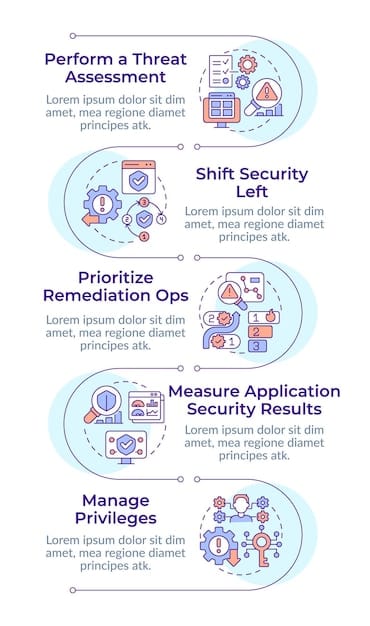
Ultimately, understanding the importance and scope of incident response planning sets the stage for creating a plan that truly protects your organization.
Step 1: Forming an Incident Response Team
The first crucial step in incident response planning is assembling a dedicated and skilled team. This team will serve as the front line of defense against cyber threats and will be responsible for executing the incident response plan.
A well-structured incident response planning team consists of individuals with diverse skills and responsibilities, ensuring a holistic approach to incident management.
Key Roles Within the Incident Response Team
An effective incident response team should include representatives from various departments within the organization. These roles may include:
- IT Security Personnel: Responsible for technical aspects of incident detection, analysis, and containment.
- Legal Counsel: Provides guidance on legal and regulatory compliance.
- Public Relations: Manages external communication and media inquiries.
- Executive Management: Offers support and makes critical decisions.
Each role plays a vital part in ensuring a coordinated and effective response to cyber incidents.
Building a capable incident response team is the foundation for a strong cybersecurity posture, ensuring that your organization is prepared to respond effectively to any threat.
Step 2: Developing an Incident Response Plan
With your team in place, the next crucial step in incident response planning is developing a comprehensive incident response plan. This document becomes the roadmap for how your organization will respond to cybersecurity incidents.
An incident response planning will outline the procedures, protocols, and responsibilities for each stage of incident management.
Elements of an Effective Incident Response Plan
A well-written incident response plan should include the following elements:
- Clearly Defined Roles and Responsibilities: Ensures each team member knows their specific duties.
- Incident Prioritization Matrix: Helps to quickly assess and prioritize incidents.
- Communication Plan: Establishes protocols for internal and external communication.
- Step-by-Step Procedures: Provides detailed instructions for incident response actions.
These elements provide a structure for responding to incidents that is both clear and customizable.
Creating a detailed and actionable incident response plan is a vital step in ensuring your organization is prepared for cyber threats, establishing a clear path for response when an incident occurs.
Step 3: Implementing Security Measures
Implementing robust security measures is a proactive element of incident response planning. These measures help to prevent incidents from occurring in the first place, minimizing the need for reactive responses.
These measures include a combination of technological, administrative, and physical controls designed to protect your organization’s assets.
Types of Security Measures to Implement
Implementing security measures is not just about technology; it’s about creating a security-aware culture.
Some example of the measures are:
- Firewalls and Intrusion Detection Systems: Monitor and block malicious traffic.
- Regular Security Audits: Identify and address vulnerabilities in your systems.
- Employee Training Programs: Educate employees about cybersecurity threats and best practices.
By implementing these security measures—and others—your organization can significantly reduce the likelihood of a security incident.
Implementing robust security measures is preventative and significantly reduces the likelihood of cyber incidents. This proactive approach is an essential part of a comprehensive incident response strategy.
Step 4: Incident Detection and Analysis
Early and accurate incident detection and analysis are critical components of incident response planning. This stage involves identifying potential security incidents and quickly assessing their scope and impact.
Proper detection and analysis can help your organization respond to incidents before they escalate into full-blown crises.
Methods for Incident Detection
There are a number of methods and capabilities that assist with detection, such as:
- Security Information and Event Management (SIEM) Systems: Centralize and analyze security logs.
- Intrusion Detection Systems (IDS): Monitor network traffic for malicious activity.
- Employee Reporting: Encourages employees to report suspicious behavior.
Prompt incident detection and thorough analysis are critical for minimizing the impact of cyberattacks, allowing your team to respond effectively and efficiently.
With effective detection and analysis, your organization can quickly identify and respond to security incidents and significantly reduce their impact on your business operations.
Step 5: Containment, Eradication, and Recovery
Containment, eradication, and recovery are the core actions taken during an active incident when incident response planning is underway. These steps focus on stopping the spread of an attack, removing the threat, and restoring normal operations.
Swift and effective action during these phases is critical to minimizing damage and expediting recovery.
Key Steps in Containment, Eradication, and Recovery
Once an incident has been detected and analyzed, the following steps should be initiated:
- Isolation of Affected Systems: Prevents the attack from spreading to other parts of the network.
- Removal of Malware or Malicious Code: Eliminates the threat from infected systems.
- System Restoration: Restores affected systems to a pre-incident state.
These actions ensure that the organization can resume normal operations as quickly and safely as possible.
Effective containment, eradication, and recovery efforts are vital to minimizing the impact of a cyberattack and ensuring a quick return to normal operations. These steps require decisive action and a coordinated team effort.
Step 6: Post-Incident Activity
The final step in incident response planning is the post-incident activity phase. This step is focused on reviewing the incident and your organization’s response to identify areas for improvement and prevent future occurrences.
Engaging in post-incident activity drives continuous improvement in your incident response capabilities.
Elements of the Post-Incident Review
A comprehensive post-incident review should include the following:
- Documentation: Record what went well, what could have been better, and lessons learned.
- Plan Updates: Update your incident response plan based on insights gained from the incident.
- Additional Training: Provide additional training to team members to address identified gaps in knowledge or skills.
Reviewing thoroughly, and adapting, are the hallmarks of a learning organization.
Post-incident activity is crucial for improving your organization’s cybersecurity posture and ensuring that future incidents are handled even more effectively. This phase is about learning and adapting.
| Key Point | Brief Description |
|---|---|
| 🛡️ Incident Response Team | Form a skilled team with diverse roles. |
| 📝 Incident Response Plan | Develop a clear incident response plan that outlines procedures and responsibilities. |
| 🚨 Incident Detection | Early detection and analysis are critical for minimizing damage. |
| 📚 Continuous Improvement | Regular post-incident reviews drive continuous improvements in cybersecurity. |
Frequently Asked Questions
▼
The primary goal is to minimize the impact of cybersecurity incidents by ensuring a quick, effective, and coordinated response. This helps maintain business continuity and protect data.
▼
The team should include members from IT, legal, public relations, and executive management. Diverse expertise is vital for a comprehensive response strategy.
▼
The plan should be reviewed and updated at least annually, or after any significant change in the IT environment, threat landscape, or organizational structure.
▼
Key measures include firewalls, intrusion detection systems, regular security audits, and employee training. A multi-layered approach is crucial for effective protection.
▼
Post-incident reviews help identify gaps in the response and provide insights for improving the plan. This ongoing process enhances future responses and prevents recurrence.
Conclusion
By following this step-by-step guide, your organization can develop a robust incident response plan that prepares you to handle cyberattacks effectively and efficiently. Proactive incident response planning ensures resilience and minimizes potential damage.