Insider Threat Detection: 5 Proven Strategies to Protect Your Company’s Data

Insider threat detection is crucial for protecting sensitive company data; implementing strategies such as user behavior analytics, access controls, security awareness training, data loss prevention, and incident response plans can significantly reduce risks associated with internal threats.
Protecting your company’s data from insider threats is crucial in today’s cybersecurity landscape. Implementing effective insider threat detection strategies can significantly reduce your organization’s risk. Let’s explore five proven methods to safeguard your sensitive information.
Understanding Insider Threats
Insider threats are a significant concern for organizations of all sizes. Unlike external attacks, insider threats originate from within the organization, making them particularly difficult to detect and prevent. These threats can be malicious, negligent, or accidental, but the consequences can be devastating.
An insider threat is a security risk that comes from people within an organization, such as employees, contractors, or business associates, who have inside information concerning the organization’s security practices, data, and computer systems. This can lead to data breaches, financial losses, and reputational damage.

Types of Insider Threats
Insider threats can be categorized into three main types. Knowing these types can help shape your insider threat detection strategies.
- Malicious Insiders: These individuals intentionally cause harm to the organization, often motivated by financial gain, revenge, or ideology.
- Negligent Insiders: These individuals unintentionally expose the organization to risk through carelessness or a lack of awareness.
- Compromised Insiders: These individuals’ accounts are hijacked by external attackers who then use them to gain access to sensitive data.
Understanding these different types is the first step in developing a robust insider threat detection program. It allows you to tailor your strategies to address the specific risks posed by each category.
In conclusion, recognizing the landscape of insider threats, their motives, and categories is crucial for effective insider threat detection, enabling organizations to target prevention efforts and reduce potential harm.
Strategy 1: User Behavior Analytics (UBA)
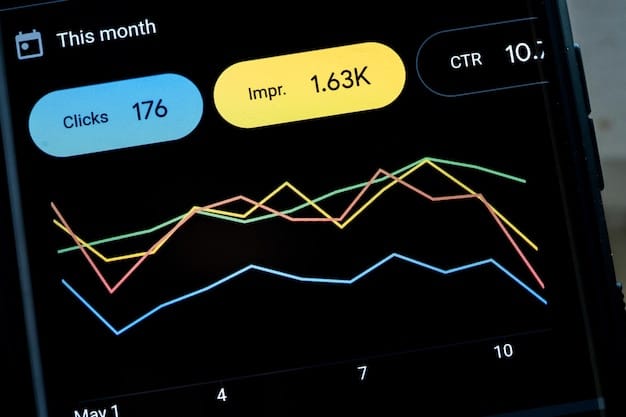
User Behavior Analytics (UBA) is a powerful tool for insider threat detection. It involves monitoring and analyzing user activity to identify anomalies that may indicate malicious or negligent behavior. UBA systems use machine learning algorithms to establish baseline behavior for each user, and then flag any deviations from that baseline.
UBA monitors and analyzes employee behavior to detect patterns that deviate from normal activity, helping identify potential insider threats that might otherwise go unnoticed.
How UBA Works
UBA systems collect data from various sources, including:
- Email and file access logs
- Web browsing history
- Login and logout times
- Network traffic
This data is then analyzed to identify patterns and anomalies. For example, if an employee suddenly starts accessing files they have never accessed before, or if they are logging in from a different location than usual, the UBA system will flag this activity for further investigation.
Benefits of UBA
Implementing a UBA system can provide several benefits:
- Early detection of insider threats
- Reduced false positives compared to traditional security systems
- Improved visibility into user activity
- Enhanced incident response capabilities
By monitoring user behavior and identifying anomalies, UBA systems can help organizations detect and prevent insider threats before they cause significant damage.
In summary, user behavior analytics is a crucial component of insider threat detection because it provides real-time monitoring and anomaly detection, enabling quick responses to potential security breaches and significantly bolstering data protection measures.
Strategy 2: Implementing Strong Access Controls
Access controls are fundamental to insider threat detection and prevention. By limiting access to sensitive data and systems to only those who need it, organizations can significantly reduce the risk of insider threats. This involves implementing the principle of least privilege, which states that users should only be granted the minimum level of access required to perform their job duties.
Implementing strong access controls is crucial for insider threat detection. It ensures that employees only have access to the data they need, limiting the potential damage from a compromised or malicious insider.
Types of Access Controls
There are several types of access controls that organizations can implement:
- Role-Based Access Control (RBAC): Assigns access based on an individual’s job role.
- Attribute-Based Access Control (ABAC): Assigns access based on a combination of attributes, such as user attributes, resource attributes, and environmental attributes.
- Multi-Factor Authentication (MFA): Requires users to provide multiple forms of authentication, such as a password and a code from their phone, to gain access to systems.
These controls ensure that only authorized personnel can access sensitive data, reducing the risk of unauthorized access and data breaches.
Best Practices for Access Control
To effectively implement access controls, organizations should follow these best practices:
- Regularly review and update access rights
- Implement a formal access request process
- Enforce strong password policies
- Monitor access logs for suspicious activity
By adhering to these practices, businesses can maintain a secure environment and minimize the likelihood of successful insider attacks.
Strong access controls not only prevent accidental data leakage by limiting access to necessary personnel but also complicate malicious attempts to infiltrate secured data, thus protecting sensitive organizational assets.
Strategy 3: Security Awareness Training
Security awareness training is a critical component of any insider threat detection program. Employees are often the first line of defense against insider threats, and by providing them with the knowledge and skills they need to identify and report suspicious activity, organizations can significantly reduce their risk.
Security awareness training helps employees recognize and report potential insider threats, turning them into active participants in the organization’s security efforts.
Key Topics for Security Awareness Training
Effective security awareness training should cover the following topics:
- Identifying phishing emails and other social engineering attacks
- Recognizing and reporting suspicious behavior
- Understanding the organization’s security policies and procedures
- Proper handling of sensitive data
Continuous training equips employees to act more intelligently about security dangers, helping to keep threats under control.
Making Training Engaging
To ensure that employees pay attention and retain the information, security awareness training should be engaging and interactive. This can be achieved through:
- Using real-world examples and case studies
- Incorporating interactive exercises and simulations
- Providing regular updates and refreshers
Keeping the training entertaining and relevant improves retention and inspires employees to apply what they learn in their daily operations.
In summary, security awareness training helps employees recognize and report potential insider threats, reinforcing overall organizational security by fostering a culture of vigilance and accountability.
Strategy 4: Data Loss Prevention (DLP)
Data Loss Prevention (DLP) is a set of technologies and processes that help organizations prevent sensitive data from leaving their control. DLP systems can monitor data in motion, data at rest, and data in use, and can take actions to prevent data loss, such as blocking emails containing sensitive information or encrypting data before it is stored on USB drives.
DLP ensures that sensitive data remains within the organization’s control by monitoring data in motion, at rest, and in use, and preventing unauthorized data exfiltration.
How DLP Works
DLP systems use a variety of techniques to identify and protect sensitive data, including:
- Data classification: Identifying and categorizing data based on its sensitivity
- Content analysis: Analyzing the content of files and emails to identify sensitive information
- Contextual analysis: Analyzing the context in which data is being accessed or used
These technologies help organizations ensure that sensitive data remains within authorized boundaries and is handled according to established protocols.
Benefits of DLP
Implementing a DLP system can provide several benefits:
- Preventing data breaches
- Complying with regulatory requirements
- Protecting intellectual property
- Improving data governance
Implementing DLP strengthens regulatory compliance, safeguards brand value, and maintains a competitive edge by preventing illegal access, usage, and transmission of vital information.
Data Loss Prevention (DLP) is essential for protecting sensitive information; it prevents data breaches by monitoring and controlling data in transit, at rest, and in use, ensuring compliance with regulations and enhancing overall data governance.
Strategy 5: Incident Response Plan
An incident response plan is a documented set of procedures that outlines how an organization will respond to a security incident, such as a data breach or a malware infection. A well-defined incident response plan is essential for minimizing the damage caused by insider threats and for restoring normal operations as quickly as possible.
An incident response plan is like a fire drill for cybersecurity: it prepares an organization to quickly and effectively manage and mitigate the impact of security breaches.
Key Components of an Incident Response Plan
An effective incident response plan should include the following components:
- Identification: Determining whether a security incident has occurred
- Containment: Taking steps to prevent the incident from spreading
- Eradication: Removing the cause of the incident
- Recovery: Restoring affected systems and data
These components ensure that every aspect of the crisis is managed properly, from first detection to complete restoration.
Testing and Updating the Plan
To ensure that the incident response plan is effective, it should be regularly tested and updated. This can be done through:
- Tabletop exercises: Simulating a security incident and walking through the response steps
- Penetration testing: Attempting to exploit vulnerabilities in the organization’s systems
- Post-incident reviews: Analyzing past incidents to identify areas for improvement
Keeping an incident response strategy current and well-tested guarantees it will be effective when needed most, ensuring that the company is equipped to adapt to new dangers.
In short, an incident response plan is critical to an organization’s ability to quickly and effectively respond to a data breach or security incident, minimizing damage and restoring normal operations. It provides a structured approach to handling incidents, ensuring that all necessary steps are taken to resolve the situation.
| Key Point | Brief Description |
|---|---|
| 🔍 UBA | Monitors user behavior to detect anomalies indicating insider threats. |
| 🔐 Access Controls | Limits data access to authorized personnel, reducing breach risks. |
| 👨🏫 Security Training | Educates employees to recognize and report suspicious activities. |
| 🛡️ DLP | Prevents sensitive data from leaving the organization’s control. |
Frequently Asked Questions (FAQ)
▼
An insider threat is a security risk from within an organization, involving employees or associates with access to sensitive data. It may be malicious, negligent, or accidental, leading to data breaches and financial losses.
▼
It’s important as it helps companies protect their data from employees who mean harm, people who slip up, or outsiders getting in through a worker’s account. It keeps data safe and avoids business mess-ups.
▼
UBA tracks how people use computer systems and flags anything unusual, like someone looking at files they don’t normally, which can warn early about possible insider problems.
▼
Access controls limit who can see what, making sure that only those who need certain data can get to it, which is a big help in reducing the chances of data leaks from the inside.
▼
Data loss prevention (DLP) watches data as it moves, when it’s sitting still, and while it’s being used, stopping secret info from getting out through emails or drives, thus keeping things safe.
Conclusion
Protecting your company’s data from insider threats requires a comprehensive approach that combines technology, policies, and training. By implementing the five strategies outlined in this article – user behavior analytics, access controls, security awareness training, data loss prevention, and incident response plans – organizations can significantly reduce their risk and safeguard their sensitive information.