Is [Software Name] the Right Startup Choice in the US? A 2025 Analysis

Deciding if [Software Name] fits your US-based startup in 2025 requires analyzing its features, pricing, scalability, and integration capabilities within the competitive software landscape to ensure it aligns with your specific business needs and growth projections.
Navigating the software options for a new startup can feel overwhelming. Is [Software Name] the Right Choice for Your US-Based Startup? A 2025 Analysis that dives deep to help you decide.
Understanding the Startup Landscape in 2025
The year 2025 presents a unique set of challenges and opportunities for startups, particularly in the United States. Understanding these dynamics is crucial before selecting any software solution.
The Evolving Tech Ecosystem
The tech industry is in constant flux, with new technologies and trends emerging rapidly. Startups need to be agile and adaptable to survive and thrive in this environment.
Key Challenges for Startups in 2025
Competition is fierce, funding is harder to secure, and customer expectations are higher than ever. Startups must be lean, efficient, and customer-centric to succeed.
- Increased Competition: The startup landscape is becoming increasingly crowded, making it harder to stand out.
- Funding Constraints: Raising capital is more challenging as investors become more selective.
- Talent Acquisition: Attracting and retaining top talent is crucial but also very competitive.
- Customer Acquisition Cost: The cost of acquiring new customers is rising, requiring more efficient marketing strategies.
Startups in 2025 will need to leverage technology strategically to overcome these challenges. Choosing the right software is vital to streamlining operations, improving efficiency, and enhancing customer experiences. This makes tools like [Software Name] potential game-changers, but careful evaluation is critical.
What is [Software Name] and What Does It Offer?
[Software Name] is a software solution designed to address various business needs, often tailored towards specific industries or functions. Knowing its core features is the first step in determining its suitability.
Core Features of [Software Name]
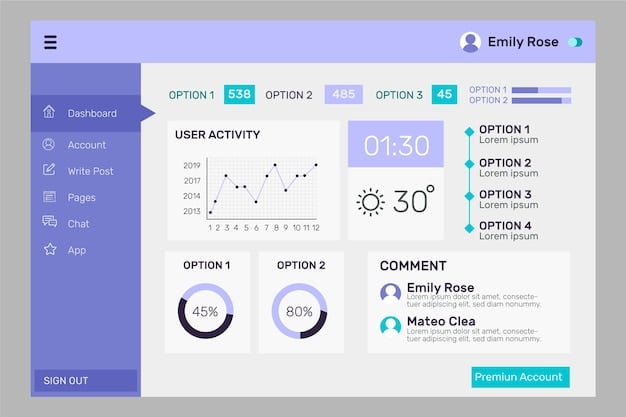
[Software Name] typically includes a suite of functionalities designed to streamline operations, enhance productivity, and improve decision-making. These features could include:
- Project Management: Tools for planning, scheduling, and tracking project progress.
- Customer Relationship Management (CRM): Features for managing customer interactions and improving customer satisfaction.
- Data Analytics: Capabilities for analyzing data, identifying trends, and making informed decisions.
- Automation: Options for automating repetitive tasks, freeing up employees to focus on more strategic activities.
Benefits of Using [Software Name]
Using [Software Name] can offer several advantages for startups, including improved efficiency, increased productivity, better decision-making, and enhanced customer experiences. However, these benefits depend on how well the software aligns with the startup’s specific needs and goals.
Its intuitive interface and robust feature set make it easier for startups to manage their operations effectively. The software’s data analytics capabilities also provide valuable insights that can help startups make better decisions and improve their overall performance.
Evaluating [Software Name] for Your Startup: Key Considerations
Before making a decision about [Software Name], it’s crucial to evaluate several key factors. These considerations will help determine whether the software is the right fit for your startup.
Scalability
Can [Software Name] scale with your business as it grows? Consider its ability to handle increasing data volumes, user traffic, and transaction loads. A scalable solution can save you the hassle and expense of switching to a new platform later on.
- Cloud-Based Architecture: Look for a cloud-based solution that can easily scale resources as needed.
- Flexible Pricing Plans: Choose a vendor that offers flexible pricing plans that can accommodate your changing needs.
- Integration Capabilities: Ensure that the software integrates well with other systems that your startup uses.
Integration Capabilities
How well does [Software Name] integrate with your existing systems and tools? Seamless integration is essential for avoiding data silos and ensuring smooth workflows. Check whether it supports APIs and integrations with other popular platforms.
Pricing and Value
What is the total cost of ownership for [Software Name], including subscription fees, implementation costs, and ongoing maintenance? Compare the price to the value it delivers in terms of increased efficiency, reduced costs, and improved performance. Calculate the ROI to justify the investment.
Carefully assessing these factors will provide a clearer picture of whether [Software Name] is a suitable choice for your US-based startup in 2025.
[Software Name] vs. Competitors: A Comparative Analysis
To make an informed decision, it is imperative to compare [Software Name] with its competitors. This analysis should focus on features, pricing, and overall value proposition.
Feature Comparison
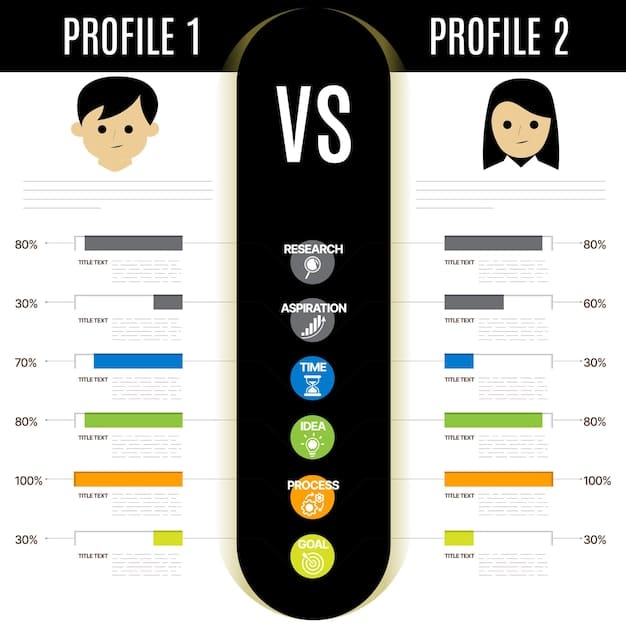
Evaluate the features offered by [Software Name] and compare them with those of competing solutions. Consider which features are most important for your startup and how well each software meets those requirements.
Pricing Models
Compare the pricing models of [Software Name] and its competitors. Consider subscription fees, per-user costs, and any additional charges for premium features or support. Look for a pricing plan that fits your budget and offers the best value for your money.
User Reviews and Ratings
Read user reviews and ratings for [Software Name] and its competitors to get an idea of their strengths and weaknesses. Pay attention to feedback on usability, customer support, and overall satisfaction. Consider both positive and negative reviews to get a balanced perspective.
By conducting a thorough comparative analysis, you can determine whether [Software Name] offers a competitive advantage over its rivals. This will help you make a more informed decision about whether it is the right choice for your startup.
Implementation and Training: Getting Started with [Software Name]
The success of any software implementation depends on how smoothly you can get started. Understanding the implementation process and the available training options is essential.
Implementation Process
Learn about the steps involved in implementing [Software Name]. This includes setting up the software, migrating data, and configuring settings. Consider whether the vendor offers assistance with implementation or whether you will need to handle it yourself.
Training Resources and Support
Check the availability of training resources and support options for [Software Name]. This may include online tutorials, documentation, webinars, and customer support channels. Ensure that there is adequate support to help your team get up to speed quickly.
Onboarding and Adoption
Develop a plan for onboarding your team and encouraging adoption of [Software Name]. This may involve internal training sessions, creating user guides, and providing ongoing support. Make sure that everyone understands the benefits of using the software and how it can improve their productivity.
- Dedicated Onboarding Team: Assign a team to help onboard new users and provide ongoing support.
- Interactive Training Sessions: Conduct interactive training sessions to help users learn how to use the software effectively.
- Feedback Mechanisms: Establish feedback mechanisms to gather input from users and identify areas for improvement.
A well-planned implementation and training strategy can minimize disruption and maximize the benefits of using [Software Name]. This will ensure that your startup gets off to a successful start with the new software.
Future Trends and [Software Name]’s Adaptability
The software landscape is constantly evolving, and it is important to consider how well [Software Name] will adapt to future trends. This will ensure that your investment remains valuable over time.
Emerging Technologies
Consider how [Software Name] integrates with emerging technologies such as artificial intelligence, machine learning, and the Internet of Things. These technologies are poised to transform various industries, and it is important to choose a software solution that can leverage them effectively.
Long-Term Vision
Evaluate the vendor’s long-term vision for [Software Name]. Do they have a clear roadmap for future development and innovation? Are they committed to staying ahead of the curve and providing you with the latest features and capabilities?
Adaptability to Change
Choose a software solution that is adaptable to change. This means being able to quickly integrate new technologies, respond to evolving customer needs, and adjust to changing market conditions. Look for a vendor that is agile and responsive.
By considering future trends and [Software Name]’s adaptability, you can make a more informed decision about whether it is the right choice for your startup. This will help you ensure that your investment remains valuable over the long term.
| Key Point | Brief Description |
|---|---|
| ✅ Core Features | Project management, CRM, data analytics, and automation. |
| 📈 Scalability | Cloud-based architecture and flexible pricing plans. |
| 🤝 Integration | Seamless integration with existing systems and tools via APIs. |
| 💰 Pricing | Value for money, considering subscription fees and ROI. |
Frequently Asked Questions
▼
[Software Name] typically includes project management tools, CRM, data analytics, and automation features to help startups streamline operations.
▼
[Software Name]’s scalability often depends on its architecture. Cloud-based solutions with flexible pricing plans are generally more scalable.
▼
Integration capabilities vary. Look for solutions with robust APIs that allow seamless integration with existing systems like accounting or marketing software.
▼
Pricing models vary, including subscription fees, per-user costs, and add-ons. Evaluate the total cost of ownership to determine its affordability.
▼
Compare features, pricing, user reviews, and scalability of [Software Name] with alternative options to assess its competitive advantage.
Conclusion
Ultimately, deciding whether [Software Name] is the right choice for your US-based startup in 2025 requires a comprehensive assessment of your specific needs, budget, and long-term goals. Consider the scalability, integration capabilities, pricing, and adaptability of the software to make an informed decision that will drive your startup’s success.