Medicare and Medicaid benefit cuts debated amid new rules

Medicare and Medicaid benefit cuts debated in recent discussions could severely impact vulnerable populations, making healthcare less accessible and increasing financial strain on those who rely on these essential programs.
Medicare and Medicaid benefit cuts debated in Affordable Care rules are causing quite a stir. Have you considered how these changes might impact you and your loved ones?
Understanding the proposed cuts to Medicare and Medicaid
The proposed cuts to Medicare and Medicaid are raising significant concerns among various groups. Understanding these changes is crucial because they affect millions of people who rely on these programs for healthcare.
These cuts can lead to reduced coverage and benefits, which can have serious implications for vulnerable populations, particularly the elderly and low-income families. Medical services could become less accessible, impacting health outcomes for those in need.
Key Aspects of the Proposed Cuts
To grasp the full picture, let’s delve into some key aspects of the proposed changes:
- Increased cost-sharing for beneficiaries, making healthcare less affordable.
- Limits on certain services, which can restrict access to necessary treatments.
- Potential reduction of funding for state programs reliant on federal support.
- Impact on healthcare providers, which may lead them to limit services offered.
The proposed changes might not just affect benefits directly; they could also alter the landscape of healthcare delivery. Less funding could mean that providers face challenges in maintaining quality services, exacerbating existing disparities in healthcare access.
Moreover, many advocates are voicing their opposition. They argue these cuts could disproportionately harm those who already struggle to navigate the complex healthcare system. Simply put, fewer resources can mean more hardships for those who need help the most.
One cannot overlook the political aspect of this debate. As lawmakers discuss these changes, it’s essential to consider how public opinion might influence their decisions. Citizen advocacy has a powerful impact on healthcare policies, especially when the stakes are so high.
As discussions around these cuts continue, staying informed and engaged is vital. Understanding the implications of potential changes can empower citizens to make their voices heard during this crucial period.
Impact of these cuts on vulnerable populations

The impact of proposed cuts to Medicare and Medicaid on vulnerable populations is a pressing concern. Many individuals rely on these programs for essential healthcare services, making any reduction in benefits potentially life-altering.
Vulnerable groups include the elderly, low-income families, and people with disabilities. Each of these populations may face unique challenges that could intensify with cuts to their healthcare coverage.
Effects on Elderly Patients
For elderly patients, losing benefits can lead to:
- Increased out-of-pocket costs for medications and treatments.
- Reduced access to preventive care services, such as screenings and vaccinations.
- Greater difficulty in managing chronic conditions, potentially leading to hospitalizations.
As seniors often live on fixed incomes, any increase in healthcare costs can strain their finances significantly.
Impact on Low-Income Families
Low-income families may also face severe consequences. Cuts might result in:
- Difficulty accessing necessary healthcare services, leading to untreated illnesses.
- Higher rates of emergency room visits due to lack of regular check-ups.
- Increased stress and anxiety, knowing their healthcare options are limited.
The loss of consistency in healthcare can disrupt their ability to work and care for their families, creating additional hardships.
Moreover, individuals with disabilities often rely heavily on these programs for specialized care and therapy. Cuts could mean decreased availability of critical services, roadblocks to independent living, and struggles to maintain health.
Overall, the interconnectedness of health and financial well-being becomes apparent when considering these impacts. If healthcare becomes less accessible, the ripple effects can be felt across communities, leading to not only health disparities but also economic challenges.
Raising awareness about these potential impacts is essential for advocacy efforts. Only through understanding can we hope to shape better healthcare policies that support rather than hinder those in need.
Alternatives to the proposed benefit cuts
As discussions around the proposed cuts to Medicare and Medicaid unfold, exploring alternatives becomes essential. Several strategies can help retain necessary funding while still ensuring healthcare services remain accessible to those in need.
One effective alternative involves reevaluating the allocation of existing resources. By examining which sectors of healthcare receive funding, adjustments can be made to ensure that essential services are prioritized.
Alternatives to Consider
Here are some potential alternatives to proposed benefit cuts:
- Implementing preventive care initiatives: Focusing on preventive care can reduce long-term healthcare costs by keeping populations healthier.
- Enhancing efficiency in healthcare delivery: Streamlining processes within healthcare systems can save money and improve patient care.
- Expanding Medicaid eligibility: Allowing more low-income individuals to qualify for Medicaid could provide necessary coverage and contribute to healthier communities.
- Increasing partnerships with community organizations: Collaborating with local groups can enhance service delivery without requiring significant additional funding.
In addition to these alternatives, it’s helpful to leverage technology. Telehealth, for example, can expand access to care without the need for physical visits, making it an efficient solution in many cases.
As policymakers explore these alternatives, engaging with community stakeholders becomes vital. Public input can guide decisions and foster a sense of shared responsibility in maintaining essential healthcare services.
Ultimately, ensuring that vulnerable populations continue to receive care is non-negotiable. By exploring alternatives to cuts, stakeholders can work together to create a healthcare system that prioritizes wellness and accessibility.
Responses from policymakers and stakeholders
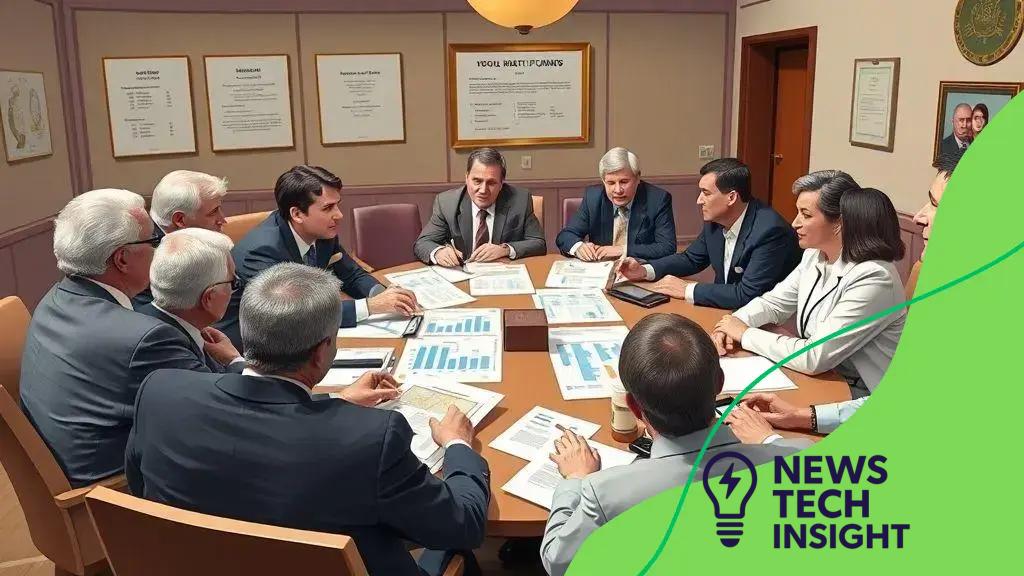
Responses from policymakers and stakeholders regarding the proposed cuts to Medicare and Medicaid reflect a diverse range of opinions. Understanding these perspectives can provide insight into the ongoing debate and its implications for healthcare.
Some lawmakers express strong opposition to the cuts, arguing they would harm vulnerable populations. They emphasize the importance of maintaining healthcare access for those who rely on these programs for essential services.
Supportive Responses
On the other hand, there are policymakers who argue that cuts are necessary to control government spending. Their rationale includes:
- Reducing the national deficit: Some believe that trimming benefits can help stabilize the budget.
- Encouraging efficiency: They suggest that cuts may push healthcare systems to adopt more efficient practices.
- Focusing on long-term reforms: Certain lawmakers see cuts as a way to prompt discussions for broader healthcare reforms.
This division in responses highlights the complexity of the healthcare system and the challenging decisions faced by leaders. Additionally, stakeholder groups, such as healthcare providers and patient advocacy organizations, are vocal in this discussion.
Stakeholder Perspectives
Healthcare providers often express concerns that cuts will lead to reduced services. This can result in:
- Increased wait times: With fewer resources, patients might face longer waits for necessary treatments.
- Staffing challenges: Facilities may struggle to maintain adequate staffing levels.
- Service limitations: Providers might not be able to offer all necessary services without adequate funding.
Advocacy groups, representing the voices of patients and caregivers, rally against potential cuts. They stress that any reduction in benefits could greatly affect health outcomes for vulnerable communities and argue for sustained support for these essential programs.
The engagement of both policymakers and stakeholders is crucial. The aim is to create a healthcare system that balances fiscal responsibility with the need for accessible and equitable healthcare for all.
The potential cuts to Medicare and Medicaid have sparked intense debate among policymakers and stakeholders. Understanding the implications of these proposals is crucial as they could significantly affect vulnerable populations. While some leaders support cuts as necessary for budgetary reasons, many advocate for maintaining current benefits to ensure healthcare access for all. By exploring alternatives to these cuts, such as efficiency improvements and community partnerships, it’s possible to find solutions that benefit everyone. Engaging in this discussion is vital to create a healthcare system that remains accessible and supportive of those who need it most.
FAQ – Questions About Medicare and Medicaid Benefit Cuts
What are proposed cuts to Medicare and Medicaid?
Proposed cuts refer to suggested reductions in benefits and funding for Medicare and Medicaid programs, affecting healthcare access for many.
Who will be impacted by these cuts?
Vulnerable populations, including the elderly, low-income families, and individuals with disabilities, will likely face significant challenges.
What alternatives are being proposed instead of cuts?
Alternatives include improving efficiency in healthcare delivery, implementing preventive care initiatives, and expanding community partnerships.
How can the public influence healthcare policy discussions?
Public engagement through advocacy, feedback, and dialogue with policymakers is essential to shape effective and fair healthcare policies.