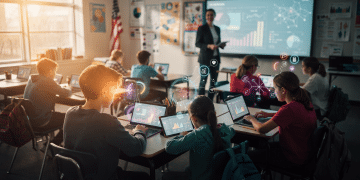
OpenAI Study Mode for productive learning in schools

OpenAI Study Mode enhances educational experiences by personalizing learning paths for students, improving engagement, and providing teachers with effective tools for lesson planning and assessment.
OpenAI Study Mode for productive learning in schools is shaping the future of education. Have you ever wondered how AI can make learning more engaging? This article delves into effective strategies that enhance both teaching and learning experiences.
Understanding OpenAI study mode
Understanding how OpenAI Study Mode works is essential for enhancing educational experiences. By integrating AI into the classroom, students can learn in more effective and engaging ways. But what does this really mean for teachers and learners alike? Let’s delve into the details of how this innovative approach shapes the educational landscape.
One of the key features of the OpenAI Study Mode is its ability to personalize learning. This means that each student has a unique learning experience that caters to their individual needs. AI tools can generate tailored practice exercises, access relevant resources, and provide real-time feedback. Such capabilities allow students to move at their own pace, ensuring they grasp the material fully.
Benefits of Using OpenAI Study Mode
There are numerous advantages to adopting this AI-driven approach in schools. Here are some of the notable benefits:
- Enhanced Engagement: Students find interactive lessons more appealing.
- Immediate Feedback: Quick evaluations help students correct mistakes in real-time.
- Resource Accessibility: A wide range of learning materials is readily available.
- Increased Autonomy: Students can take charge of their learning process.
OpenAI provides tools that work dynamically to assist both students and teachers. Imagine a classroom where AI analyzes student performances and suggests improvements. This innovative technology supports teachers by offering valuable insights into their students’ strengths and weaknesses.
Moreover, with AI tools, teachers can focus on teaching rather than spending hours grading assignments. This shifts the focus back to what truly matters: inspiring and educating young minds. By integrating OpenAI Study Mode, the potential for academic growth and achievement becomes limitless, as it encourages a collaborative learning environment.
The integration of OpenAI into educational settings not only reinforces academic skills but also prepares students for a future where technology plays a pivotal role. As they engage with AI-driven content, they develop critical thinking and problem-solving skills necessary for success in today’s world.
Benefits for students in schools
 The benefits for students in schools using OpenAI technology are significant. Not only do students engage better, but their learning outcomes improve dramatically. With AI tools, students can access personalized learning paths designed to cater to their unique needs. Imagine a school environment where each student receives support tailored to their learning style, enabling them to grasp concepts with greater ease.
Improved Learning Experience
AI helps create an engaging environment. Students can explore subjects deeply, fostering critical thinking and problem-solving skills. Here are a few ways in which their learning experience improves:
- Active Participation: Students become more involved in their own learning.
- Customized Content: Materials tailored to fit their understanding.
- Feedback Mechanisms: Instant feedback helps identify areas for improvement.
- Access to Resources: A wide variety of resources are available at their fingertips.
The ability to track progress is another valuable aspect that AI provides. With OpenAI tools, students can monitor their advancement and adjust their study habits accordingly. This immediate access to analytics allows them to set realistic goals and strive for personal achievements.
A more interactive learning experience fosters skills essential for the future. Students become adept at using technology, improving their digital literacy while engaging with subjects like never before. Moreover, collaboration is enhanced, as students can work together in online environments, sharing ideas and solving problems collectively.
As students embrace the opportunities created by OpenAI, they build confidence. This confidence spills into their other academic activities, motivating them to tackle challenges head-on. The supportive and engaging atmosphere encourages risk-taking, which is vital for personal and academic growth. Overall, the benefits of OpenAI for students extend beyond traditional learning methods, offering enriching experiences that foster a love for knowledge and discovery.
Tips for teachers to implement OpenAI
Implementing OpenAI in the classroom can transform teaching methods and enhance student learning. By following a few key tips, teachers can effectively integrate this technology into their lesson plans. Understanding how to leverage the strengths of AI and create a supportive environment is crucial for success.
Getting Started with OpenAI
One of the first steps is to familiarize yourself with the tools available. Engage in professional development workshops that focus on how AI technology can be used in education. This understanding will empower you to make informed decisions about what tools to adopt based on your students’ needs.
It’s also important to create a clear plan. Set clear learning objectives that align with the curriculum and support student outcomes. This ensures that the use of AI is relevant and beneficial. Here are a few tips to keep in mind as you create your plan:
- Assess Needs: Understand your students’ current skills and interests.
- Choose Appropriate Tools: Select AI resources that match your teaching goals.
- Integrate Gradually: Introduce AI tools slowly to avoid overwhelming students.
- Foster a Positive Environment: Encourage students to experiment and learn from their mistakes.
In addition to planning, ongoing support is essential. Collaborate with colleagues who are also implementing AI tools. Sharing experiences and strategies can greatly enhance your teaching practice. Building a community of practice where teachers can discuss challenges and successes helps everyone improve.
Encouraging student feedback is another vital step. As students engage with OpenAI tools, gather their insights to evaluate which tools are most effective. Their perspectives can guide you in refining your approach and ensuring that lessons are both engaging and educational.
As teachers become more comfortable with these technologies, they can begin to explore advanced features. Utilizing analytics can provide valuable data on student performance and engagement. This information allows for targeted interventions and personalized learning experiences, making education more responsive to individual needs.
Real-world success stories of OpenAI in education
 Real-world success stories highlight the transformative impact of OpenAI in education. Schools around the globe are embracing AI technologies to enhance learning experiences and improve student outcomes. These examples demonstrate how innovative solutions can address challenges faced in modern classrooms.
One impressive case is a high school in California that integrated OpenAI’s language processing tools into their curriculum. Students used AI to analyze texts and enhance their writing skills. They received instant feedback, which helped them revise their work effectively. Many students reported a boost in confidence and a greater interest in literature.
Improved Learning Outcomes
Another noteworthy example comes from a middle school in New York that adopted AI-driven tutoring systems. These systems provided personalized support to students struggling in math. The results were remarkable:
- Increased Test Scores: Students showed improvement in standardized tests by an average of 20%.
- Higher Engagement: Students participated more in class and expressed excitement about learning.
- Tailored Learning: Lessons were adapted to fit each student’s pace, addressing their specific needs.
In addition to enhancing academic skills, OpenAI has helped students develop critical thinking abilities. For example, a university applied AI models to help students conduct research more effectively. By using AI to gather and analyze data, students learned how to identify credible sources and synthesize information.
Teachers also benefit from OpenAI’s implementation in classrooms. In one district, educators utilized AI tools to streamline lesson planning. This saved them numerous hours each week, allowing them to focus more on student interaction and less on administrative tasks. Teachers reported feeling less stressed and more satisfied with their work.
These success stories exemplify how OpenAI is reshaping the educational landscape. By providing innovative tools and resources, schools can foster environments that promote learning, engagement, and success for all students. Real-world applications not only illustrate the technology’s potential but also inspire educators to explore its possibilities further.
OpenAI into education not only enhances student engagement but also fosters personal growth. With AI tools, students experience personalized learning paths that cater to their unique needs. Schools that have adopted these technologies show improved outcomes, encouraging teachers to innovate their teaching methods. Overall, the success stories we explored highlight a promising future for education powered by AI, where both students and educators thrive together.
FAQ – Frequently Asked Questions about OpenAI in Education
How does OpenAI improve student engagement?
OpenAI uses AI tools that provide personalized learning experiences, making lessons more interactive and engaging for students.
What are some successful examples of OpenAI in schools?
Many schools have reported improved test scores and increased student interest by integrating OpenAI’s tools into their curriculum.
How can teachers benefit from using OpenAI?
Teachers can save time on lesson planning and grading, allowing them to focus more on teaching and student interaction.
Is OpenAI suitable for all age groups in education?
Yes, OpenAI tools can be adapted for various age groups, making them useful in both elementary and higher education settings.