Protect Your Smart Home in 2025: Cybersecurity Guide

Protecting your smart home devices from cyberattacks in 2025 requires a multi-faceted approach, including strong passwords, timely software updates, network segmentation, and awareness of emerging threats to ensure your connected devices remain secure.
In 2025, the proliferation of smart home devices continues to offer convenience and automation, but also introduces significant cybersecurity risks. Knowing how to protect your smart home devices from cyberattacks in 2025 is more critical than ever to safeguard your privacy and security.
Understanding the Evolving Threat Landscape
The cybersecurity landscape is constantly evolving, and smart home devices are increasingly becoming targets for cybercriminals. Understanding these emerging threats is crucial for effective protection.
Cyberattacks on smart home devices are becoming more sophisticated and frequent, ranging from simple hacks to complex botnet infiltrations. This section explores the landscape in 2025.
Common Types of Cyberattacks Targeting Smart Homes
Smart home devices are vulnerable to several types of cyberattacks. Here are some of the most common:
- Malware Infections: Devices can be infected with malware that disrupts their functionality or steals personal data.
- Botnet Recruitment: Hackers can use smart devices to create botnets for large-scale attacks.
- Data Breaches: Sensitive information stored on these devices can be exposed, leading to identity theft or financial loss.
- Ransomware Attacks: Cybercriminals can encrypt devices and demand a ransom for their release.
Emerging Threats in 2025
As technology advances, new threats are constantly emerging. Staying informed about these threats is essential for maintaining a secure smart home.
- AI-Powered Attacks: Cybercriminals are leveraging AI to create more sophisticated and evasive attacks.
- 5G Exploits: The increased bandwidth of 5G networks can be exploited to launch faster and more impactful attacks.
- Supply Chain Vulnerabilities: Weaknesses in the supply chain can allow attackers to compromise devices before they even reach consumers.
In conclusion, understanding the evolving threat landscape is the first step in protecting your smart home. By staying informed and proactive, you can mitigate the risks and keep your devices secure.
Securing Your Network: The Foundation of Smart Home Security
Your home network is the gateway through which all your smart devices communicate. Securing it is the cornerstone of protecting your smart home from cyber threats.
A secure network is essential for protecting your smart home devices. By properly configuring your router and employing advanced security measures, you can create a robust defense against cyberattacks.
Strengthening Your Wi-Fi Security
Securing your Wi-Fi network involves several key steps:
- Using a Strong Password: Create a unique, complex password that is difficult to guess.
- Enabling WPA3 Encryption: This provides a more secure connection compared to older encryption standards like WPA2.
- Disabling WPS: Wi-Fi Protected Setup (WPS) can be vulnerable to brute-force attacks.
Implementing Network Segmentation
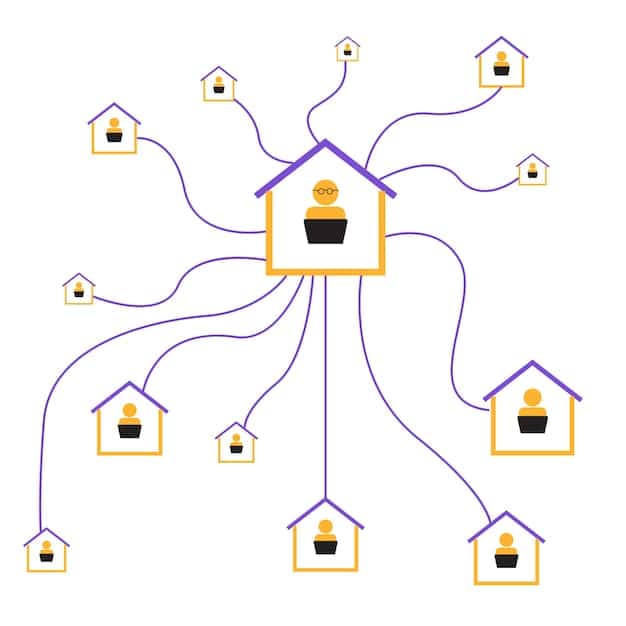
Network segmentation involves dividing your network into separate zones to isolate sensitive devices. This can be achieved through:
- Creating a Guest Network: Use a guest network for visitors and less critical devices.
- Using VLANs: Virtual LANs can segment your network at a more granular level.
- Firewall Configuration: Properly configure your firewall to control traffic between network segments.
In summary, securing your network is a critical step in protecting your smart home devices. By using strong passwords, enabling advanced encryption, and implementing network segmentation, you can significantly reduce your risk of cyberattacks.
Device-Specific Security Measures
Each smart home device has its own unique security vulnerabilities. Taking device-specific security measures is vital for comprehensive protection.
Smart home devices vary widely in their security features, so it’s crucial to implement specific measures tailored to each device. Here’s how to secure common types of smart devices.
Securing Smart Speakers and Voice Assistants
Smart speakers and voice assistants like Amazon Echo and Google Home can be vulnerable to eavesdropping and unauthorized access. To secure them:
- Review Privacy Settings: Adjust privacy settings to limit data collection and recording.
- Use Voice PINs: Set up voice PINs to prevent unauthorized access to sensitive functions.
- Disable Unnecessary Features: Turn off features you don’t use to reduce the attack surface.
Protecting Smart Cameras and Security Systems
Smart cameras and security systems can be targeted for surveillance or to gain access to your home. To protect them:
- Change Default Passwords: Always change the default passwords to strong, unique ones.
- Enable Two-Factor Authentication (2FA): This adds an extra layer of security to your account.
- Keep Firmware Updated: Regularly update the firmware to patch security vulnerabilities.
Securing Smart Locks and Door Entry Systems
Smart locks provide keyless entry to your home but can be vulnerable to hacking. To secure them:
- Use Strong Passwords: Choose complex passwords that are difficult to guess.
- Enable Activity Logging: Monitor activity logs for suspicious behavior.
- Consider Physical Security: Ensure the lock is physically secure and resistant to tampering.
In conclusion, device-specific security measures are essential for a comprehensive smart home security strategy. By understanding the vulnerabilities of each device and implementing appropriate security practices, you can protect your home from cyber threats.
The Importance of Software Updates and Patch Management
Software updates and patch management are critical for addressing security vulnerabilities and keeping your smart devices protected.
Regular software updates and patch management are essential for protecting your smart home devices, as they address known vulnerabilities and enhance overall security.
Why Software Updates Matter
Software updates are designed to fix bugs, improve performance, and most importantly, address security vulnerabilities. Ignoring these updates can leave your devices exposed to cyber threats.
- Security Patches: Updates often include patches for newly discovered security flaws.
- Feature Enhancements: Updates can introduce new security features and improve existing ones.
- Performance Improvements: Updates can optimize device performance, making them more resilient to attacks.
Automating Patch Management
Automating patch management can ensure that your devices are always up to date with the latest security measures. Here are some tips:
- Enable Automatic Updates: Configure your devices to automatically download and install updates.
- Use Centralized Management Tools: Consider using a centralized management tool for larger smart home deployments.
- Regularly Check for Updates: Periodically check for updates manually to ensure that all devices are up to date.
In summary, software updates and patch management are essential for maintaining the security of your smart home devices. By staying proactive and automating the update process, you can minimize your risk of cyberattacks.
Monitoring and Threat Detection
Proactive monitoring and threat detection are crucial for identifying and responding to potential cyberattacks in real time.
Effective monitoring and threat detection are key to identifying and mitigating cyber threats targeting your smart home devices. Here’s how to implement robust monitoring and detection strategies.
Setting Up a Security Information and Event Management (SIEM) System
A SIEM system collects and analyzes security logs from various devices, providing a centralized view of your smart home security posture. Key benefits include:
- Real-Time Monitoring: Monitor device activity in real time to detect anomalies and potential threats.
- Threat Correlation: Correlate events from multiple devices to identify complex attacks.
- Automated Alerts: Set up automated alerts to notify you of suspicious activity.
Using Intrusion Detection Systems (IDS)
IDS can detect malicious activity by analyzing network traffic and system logs. Common types of IDS include:
- Network-Based IDS (NIDS): Monitors network traffic for suspicious patterns.
- Host-Based IDS (HIDS): Monitors activity on individual devices.
- Behavioral Analysis: Detects deviations from normal behavior to identify potential threats.
Regularly Reviewing Security Logs
Regularly reviewing security logs can help you identify potential security issues and track down the source of attacks. Key steps include:
- Establish a Schedule: Set aside time each week or month to review security logs.
- Focus on Key Events: Prioritize reviewing logs for critical security events, such as login failures and malware detections.
- Document Findings: Document any security issues you identify and take corrective action.
In conclusion, proactive monitoring and threat detection are essential for maintaining a secure smart home. By setting up a SIEM system, using intrusion detection systems, and regularly reviewing security logs, you can identify and mitigate potential cyber threats in real time.
Best Practices for User Awareness and Education
User awareness and education are vital components of a comprehensive smart home security strategy. Informed users are less likely to fall victim to phishing attacks and other social engineering tactics.
User awareness and education are crucial for mitigating the human element of cybersecurity risks in your smart home. Educated users are better equipped to identify and avoid threats.
Training Family Members on Cybersecurity Best Practices
Educating your family members about cybersecurity can significantly reduce the risk of human error. Key topics include:
- Password Security: Teach family members how to create strong, unique passwords and avoid reusing passwords across multiple accounts.
- Phishing Awareness: Train family members to recognize phishing emails and avoid clicking on suspicious links or attachments.
- Safe Browsing Habits: Educate family members about safe browsing practices, such as avoiding suspicious websites and downloading software from trusted sources.
Implementing a Security-First Culture
Creating a security-first culture in your home can promote proactive security practices. This involves:
- Regular Security Discussions: Hold regular discussions about cybersecurity threats and best practices.
- Leading by Example: Demonstrate good security habits and practices.
- Encouraging Reporting: Encourage family members to report any suspicious activity or security concerns.
Staying Informed About the Latest Threats
Staying informed about the latest cybersecurity threats is essential for maintaining a strong security posture. Resources include:
- Security Blogs and News Sites: Follow reputable security blogs and news sites to stay up to date on the latest threats.
- Security Alerts and Advisories: Subscribe to security alerts and advisories from trusted sources.
- Community Forums: Participate in online security forums and communities to learn from others and share insights.
In summary, user awareness and education are essential for creating a secure smart home environment. By training family members, implementing a security-first culture, and staying informed about the latest threats, you can reduce the risk of cyberattacks.
Planning for Incident Response and Recovery
Even with the best security measures in place, cyberattacks can still occur. Having a well-defined incident response and recovery plan is crucial for minimizing damage and restoring normal operations.
A well-defined incident response and recovery plan is essential for minimizing damage and restoring normal operations following a cyberattack on your smart home devices.
Creating an Incident Response Plan
An incident response plan outlines the steps to take in the event of a cyberattack. Key components include:
- Identification: Identify the type and scope of the incident.
- Containment: Contain the incident to prevent further damage.
- Eradication: Remove the threat from your systems.
- Recovery: Restore your systems to normal operations.
- Lessons Learned: Analyze the incident to identify areas for improvement.
Backing Up Your Data
Regularly backing up your data can ensure that you can recover quickly in the event of a data breach or ransomware attack. Best practices include:
- Automated Backups: Set up automated backups to ensure that your data is always protected.
- Offsite Storage: Store backups in a secure offsite location to protect them from physical damage and cyberattacks.
- Test Restores: Regularly test your backups to ensure that they are working properly.
Documenting Your Security Measures
Documenting your security measures can help you quickly assess the impact of an incident and facilitate recovery efforts. Key documents include:
- Network Diagrams: Create detailed network diagrams that show the layout of your smart home network.
- Device Inventories: Maintain an inventory of all smart home devices, including their make, model, and firmware version.
- Security Policies: Document your security policies and procedures.
In conclusion, planning for incident response and recovery is essential for minimizing the impact of cyberattacks on your smart home. By creating an incident response plan, backing up your data, and documenting your security measures, you can ensure that you can recover quickly and effectively in the event of an attack.
| Key Point | Brief Description |
|---|---|
| 🛡️ Strong Passwords | Use unique, complex passwords for all devices. |
| 🔄 Regular Updates | Keep devices updated to patch security flaws. |
| 📶 Network Segmentation | Separate devices onto different network segments. |
| 🚨 Monitoring | Monitor network and device activity for threats. |
FAQ
▼
Smart home devices often have weak security settings, default passwords, and unpatched vulnerabilities, making them easy targets for cybercriminals looking to exploit these weak points.
▼
Use a combination of upper and lowercase letters, numbers, and symbols. Avoid using personal information or common words, and make sure each device has a unique password.
▼
Network segmentation divides your home network into separate zones. This prevents an attacker from accessing all devices if one is compromised, limiting the potential damage they can inflict.
▼
You should update all devices as soon as updates are available. Enable automatic updates whenever possible to ensure devices are always running the latest security patches, reducing vulnerabilities.
▼
Immediately disconnect the device from the network, change all related passwords, and run a malware scan. Contact the device manufacturer or a cybersecurity professional for further assistance.
Conclusion
Protecting your smart home devices from cyberattacks in 2025 requires a proactive and multifaceted approach. By understanding the evolving threat landscape, implementing robust security measures, and staying informed about the latest best practices, you can safeguard your privacy and security in the connected world.