Retail chain bankruptcy reflects broader consumer shift
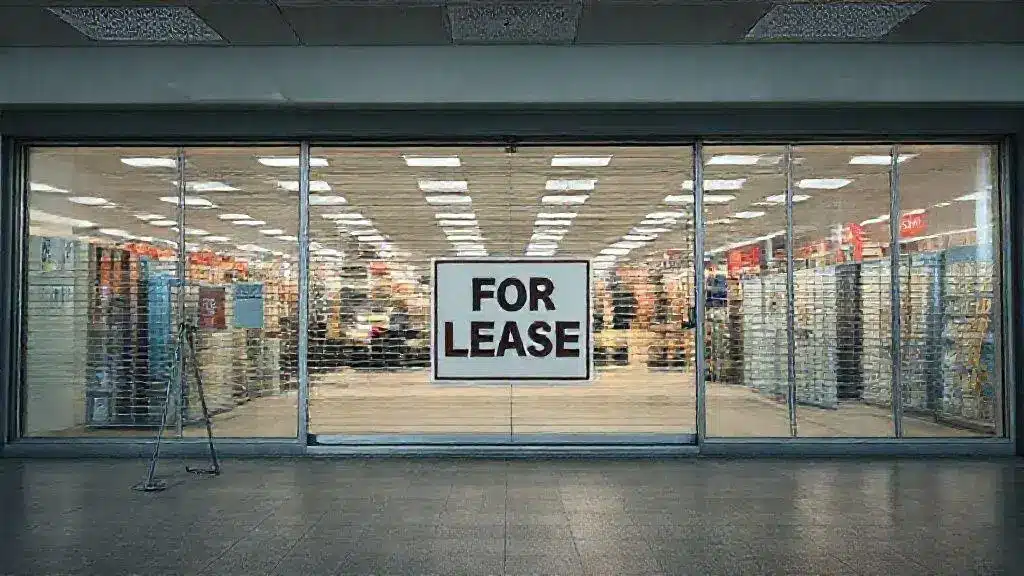
The keyword “Retail Chain Bankruptcy Reflects Broader Consumer Shift” highlights how changes in consumer behavior, such as the rise of online shopping and demand for sustainability, are leading to financial struggles for traditional retail chains.
Retail chain bankruptcy reflects broader consumer shift as shopping habits evolve. Let’s dive into how changing preferences are reshaping the retail landscape today.
Understanding the causes of retail chain bankruptcies
Understanding the causes of retail chain bankruptcies is essential to grasp the changing dynamics of today’s shopping landscape. Several factors play a role in why these once-thriving businesses face closure.
Market Changes
The retail market has undergone significant transformations. As online shopping grows, traditional stores struggle to compete. Many consumers opt for the convenience of shopping from home, leading to declining foot traffic in brick-and-mortar stores.
Consumer Preferences
Additionally, changes in consumer behavior are critical. Today’s shoppers prefer personalized experiences and instant gratification. Retailers who fail to adapt risk losing customers. This shifting landscape makes it imperative for businesses to stay attuned to what consumers want.
- The rise of e-commerce platforms
- Demand for unique and personalized shopping experiences
- Preference for sustainability and ethical brands
Financial mismanagement is another significant reason behind retail chain bankruptcies. Many companies take on large debts to fuel expansion, which can backfire if sales decline. Investors become wary of companies with rising debts, making it difficult to secure funding during tough times.
Competition
Intense competition is also noteworthy. Companies must constantly innovate to keep up with rivals. Those who lag behind face the risk of being overlooked by consumers in favor of more dynamic brands.
In summary, a combination of market changes, evolving consumer preferences, financial challenges, and fierce competition drives the wave of bankruptcies in the retail sector. Grasping these factors helps in understanding how businesses can strategize for better resilience.
Shifts in consumer behavior and preferences
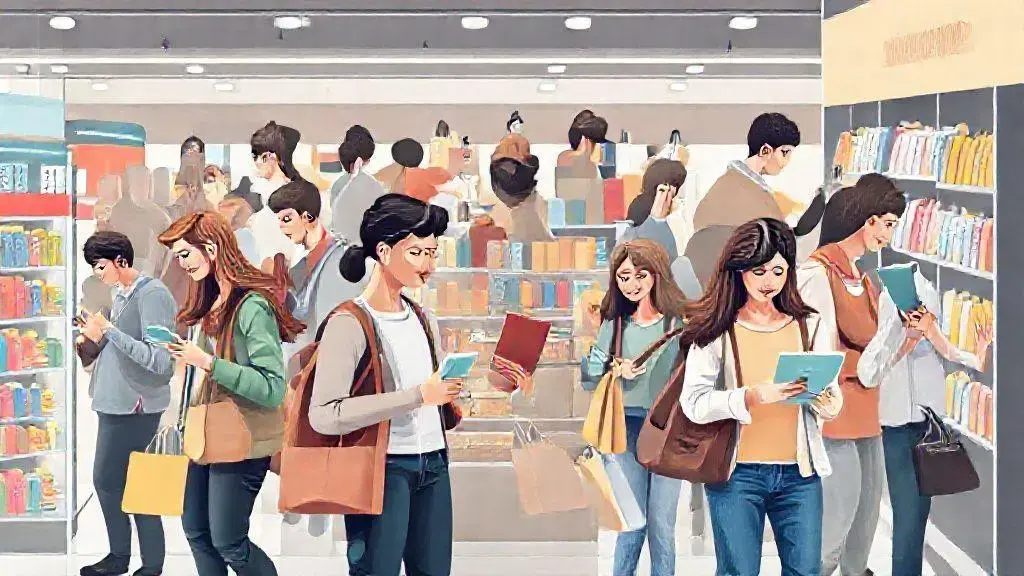
Shifts in consumer behavior and preferences significantly influence the retail landscape today. Understanding these changes can help businesses adapt and thrive in a competitive market.
Changing Shopping Habits
More people are shopping online than ever before. Convenience is a primary factor driving this change. Customers appreciate being able to browse products at any time, compare prices, and have items delivered right to their door.
Desire for Personalization
Another emerging trend is the desire for personalization. Consumers want experiences tailored to their individual preferences. Retailers who can create customized shopping experiences gain an advantage. This includes personalized recommendations and marketing messages that resonate with shoppers.
- Integration of AI and data analysis for better insights
- Importance of customer feedback in shaping product offerings
- Offering rewards and loyalty programs for returning customers
Additionally, sustainability has become a priority for many consumers. Shoppers are more conscious of the environmental impact of their purchases. They actively seek out brands that align with their values, focusing on sustainability and ethical practices. Retailers must recognize this shift and adjust their practices accordingly.
The demand for transparency is also critical. Consumers want to know where products come from and how they are made. Retailers that provide this information build trust with customers, which can lead to higher loyalty and repeat business.
Impact of Social Media
Social media platforms play a significant role in shaping consumer preferences. They are essential for brand visibility and influence purchasing decisions. Engaging with customers through social channels can create a vibrant community around a brand.
In conclusion, understanding these shifts in consumer behavior—such as the movement towards online shopping, the demand for personalization, the emphasis on sustainability, and the influence of social media—enables retailers to adapt strategies effectively.
Future trends in the retail sector
Future trends in the retail sector are shaping how consumers and businesses interact. Understanding these trends can help retailers adapt and thrive in a rapidly changing environment.
Emphasis on Omnichannel Retailing
One significant trend is the focus on omnichannel retailing. Consumers want a seamless experience whether they shop online or in-store. Retailers are integrating their platforms to provide a cohesive shopping experience. This includes linking inventory management so that customers can see product availability in real-time.
Sustainability as a Key Factor
Another growing trend is sustainability. Shoppers increasingly prefer brands that prioritize environmentally friendly practices. Retailers are responding by adopting sustainable sourcing, reducing waste, and utilizing eco-friendly packaging. This shift not only meets consumer demand but also supports corporate responsibility.
- Incorporation of sustainable materials in products
- Commitment to reducing carbon footprints
- Transparency in sourcing and production processes
Technological advancements also revolutionize the retail sector. Artificial intelligence (AI) and machine learning are being used to analyze consumer behavior and optimize inventory. This allows retailers to predict trends and personalize marketing efforts, enhancing the shopping experience.
Growth of Subscription Services
Subscription services are another trend that is gaining traction. Consumers enjoy the convenience of having products delivered regularly, whether it’s groceries or clothing. Retailers offering subscription models can build customer loyalty and provide tailored products based on preferences.
Moreover, social media plays a crucial role in future retail trends. Brands that engage effectively on platforms like Instagram and TikTok create connections with consumers. These platforms are becoming critical for marketing, enabling retailers to showcase new products and promotions directly to target audiences.
Overall, keeping an eye on these emerging trends—omnichannel strategies, sustainability, technology adoption, and social media engagement—is essential for retailers aiming to succeed in the future.
How businesses can adapt to changing landscapes

Businesses can adapt to changing landscapes by being proactive and flexible in their strategies. In today’s fast-paced market, staying ahead requires understanding trends and responding swiftly.
Embracing Technology
One key way to adapt is by embracing technology. Utilizing data analytics helps businesses understand customer preferences and market trends. This information allows for better decision-making.
Enhancing Customer Experience
Moreover, enhancing the customer experience is critical. Companies should focus on creating personalized interactions that build loyalty. This includes engaging with customers through various channels, both online and offline, to address their needs effectively.
- Implementing feedback systems for continuous improvement
- Using CRM tools to manage customer relationships
- Training staff to deliver exceptional service
Another approach is fostering a culture of innovation. Encouraging employees to share ideas can lead to creative solutions that address market demands. It’s important to create an environment where experimentation is welcomed.
Adapting Business Models
Businesses may also need to adapt their business models. This could mean shifting from traditional retail to a more service-oriented model or discovering new revenue streams. Agility in adjusting operations can position a business favorably against competitors.
Furthermore, forming strategic partnerships can aid in navigating challenges. Collaborating with other organizations can provide access to new markets and resources. This synergy often leads to growth opportunities.
By embracing technology, enhancing the customer experience, fostering a culture of innovation, adapting business models, and forming partnerships, companies can successfully navigate and thrive in changing landscapes.
FAQ – Questions About Adapting to Changing Retail Landscapes
How can technology help businesses adapt?
Technology provides tools for data analysis and customer insights, allowing businesses to make informed decisions and respond to market trends effectively.
What are the benefits of enhancing customer experience?
Enhancing customer experience builds loyalty, increases customer satisfaction, and can lead to repeat business, which is vital for success.
Why should businesses focus on innovation?
Focusing on innovation encourages creative solutions that can help companies stay relevant and competitive in a changing environment.
What role do strategic partnerships play in business adaptation?
Strategic partnerships allow businesses to access new markets, share resources, and collaborate on solutions to overcome challenges together.