SIEM: Enhancing Your Security Posture with Security Information and Event Management

Security Information and Event Management (SIEM) provides real-time analysis of security alerts generated by applications and network hardware, offering a comprehensive view of an organization’s security posture and enabling proactive threat management through centralized log management, event correlation, and incident response.
In today’s complex digital environment, maintaining a robust security posture is essential for any organization. Security Information and Event Management (SIEM) systems play a crucial role in this endeavor, providing a centralized platform for monitoring, analyzing, and responding to security threats. This article explores how to effectively leverage SIEM to enhance your organization’s overall security.
Understanding SIEM: The Core Principles
At its core, a SIEM system is designed to aggregate and analyze security-related data from various sources across an organization’s IT infrastructure. This includes logs from servers, applications, network devices, and security appliances. By correlating events and identifying anomalies, SIEM helps security teams detect and respond to potential threats more efficiently.
Key Components of a SIEM System
A typical SIEM system consists of several key components that work together to provide comprehensive security monitoring and analysis.
- Data Collection: Gathers logs and event data from diverse sources.
- Log Management: Centralizes and normalizes log data for analysis.
- Event Correlation: Analyzes event data to identify patterns and anomalies.
- Alerting and Reporting: Generates alerts based on predefined rules and provides detailed reports on security incidents.
Understanding these components is essential for effectively implementing and managing a SIEM system.
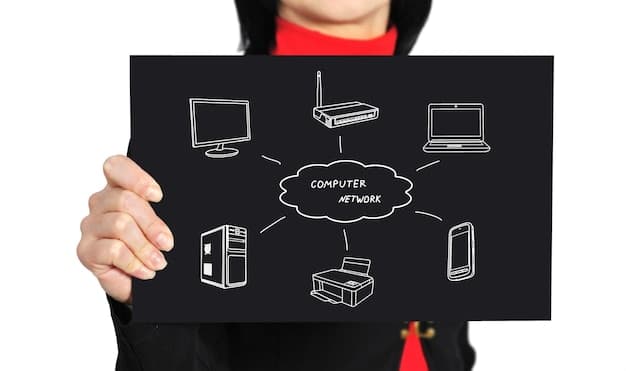
SIEM tools not only monitor and analyze data but also offer compliance reporting, allowing organizations to meet regulatory requirements more efficiently.
Implementing SIEM: A Step-by-Step Guide
Implementing a SIEM system involves a series of steps, starting with defining security requirements and selecting the right SIEM solution. Proper planning and execution are essential for a successful deployment.
Defining Security Requirements
Before implementing a SIEM system, it’s crucial to define your organization’s security requirements and objectives. This includes identifying the types of threats you need to protect against and the compliance regulations you need to adhere to.
Selecting a SIEM Solution
There are many SIEM solutions available, each with its own strengths and weaknesses. Consider factors such as scalability, ease of use, and integration capabilities when selecting a SIEM solution that meets your organization’s needs.
- On-premises SIEM: Deployed and managed within your own data center.
- Cloud-based SIEM: Hosted and managed by a third-party provider.
- Hybrid SIEM: A combination of on-premises and cloud-based components.
Selecting the right SIEM solution requires careful evaluation of your organization’s specific security needs and budget.
Proper implementation ensures that the SIEM system accurately captures and analyzes relevant data, providing actionable insights for security teams.
Optimizing SIEM for Effective Threat Detection
Effective threat detection requires continuous optimization of your SIEM system. This includes tuning rules, configuring alerts, and regularly reviewing logs to identify potential security incidents.
Tuning Rules and Alerts
SIEM systems rely on rules and alerts to identify potential threats. Over time, these rules may need to be tuned to reduce false positives and ensure that important events are not missed. Fine-tuning these rules is vital for precise alert management.
Monitoring and Analyzing Logs
Regularly monitoring and analyzing logs is essential for identifying potential security incidents. SIEM provides tools for searching, filtering, and analyzing logs to detect suspicious activity.
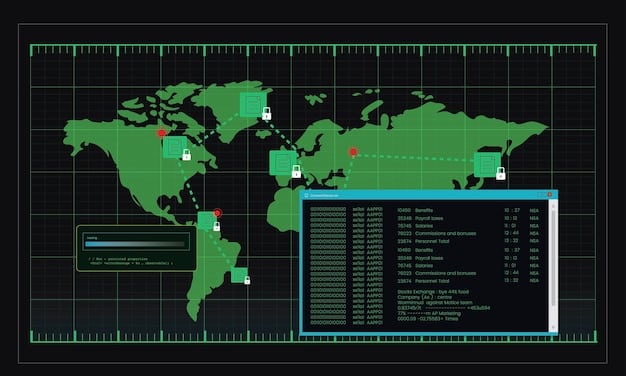
By continuously optimizing your SIEM system, you can improve its accuracy and effectiveness in detecting and responding to security threats.
Optimizing SIEM enhances your ability to respond swiftly to security incidents, minimizing potential damage.
Incident Response with SIEM
One of the primary benefits of a SIEM system is its ability to facilitate incident response. When a security incident is detected, SIEM can provide valuable information and tools to help security teams quickly investigate and resolve the issue.
Incident Investigation
SIEM provides tools for investigating security incidents, including the ability to view logs, analyze event data, and track the progression of an attack. In this way, SIEM expedites incident investigation efforts.
Incident Containment and Remediation
Once an incident has been investigated, SIEM can help security teams contain and remediate the issue. This may include isolating affected systems, blocking malicious traffic, and patching vulnerabilities.
SIEM is an integral part of coordinated incident response strategies, helping to minimize the impact of security breaches.
SIEM streamlines the incident response process, enabling faster and more effective resolution of security incidents.
SIEM and Compliance
Many organizations are required to comply with regulations such as HIPAA, PCI DSS, and GDPR. SIEM can help organizations meet these requirements by providing tools for monitoring and reporting on security events.
Monitoring Compliance Controls
SIEM can be used to monitor compliance controls, such as access controls, audit logging, and data encryption. This helps organizations ensure that they are meeting regulatory requirements and protecting sensitive data.
Generating Compliance Reports
SIEM can generate compliance reports that demonstrate an organization’s adherence to regulatory requirements. These reports can be used to provide evidence of compliance to auditors and regulators.
- HIPAA Compliance: Protecting patient data in healthcare.
- PCI DSS Compliance: Securing credit card data in retail.
- GDPR Compliance: Protecting personal data of EU citizens.
SIEM assists organizations in maintaining compliance and reducing the risk of regulatory penalties.
SIEM provides essential tools for maintaining compliance and reducing the risk of regulatory penalties.
The Future of SIEM
The field of SIEM is constantly evolving, with new technologies and techniques emerging to address the latest security challenges. In the future, SIEM systems are likely to become even more intelligent and automated, leveraging artificial intelligence (AI) and machine learning (ML) to detect and respond to threats more effectively.
AI and Machine Learning in SIEM
AI and ML can be used to automate many of the tasks traditionally performed by security analysts, such as threat detection, incident investigation, and response. For instance, AI can analyze behavior patterns to anticipate attacks.
Integration with Threat Intelligence
SIEM systems are increasingly integrating with threat intelligence feeds to provide up-to-date information on emerging threats. This helps organizations stay ahead of the curve and proactively protect themselves against new attacks.
The integration of advanced technologies ensures that SIEM remains a critical tool in cybersecurity strategies.
The future of SIEM is bright, with new technologies promising to further enhance its capabilities and value of SIEM.
| Key Topic | Brief Description |
|---|---|
| 🛡️ Core Principles | Understanding the basics of SIEM systems. |
| ⚙️ Implementation | Steps for effectively deploying a SIEM solution. |
| 🚨 Threat Detection | Optimizing SIEM for accurate threat detection. |
| 📊 Compliance | Using SIEM to meet regulatory requirements. |
Frequently Asked Questions (FAQ)
▼
The primary function of a SIEM is to aggregate and analyze security-related data from various sources, providing a centralized view of an organization’s security posture to identify and respond to threats.
▼
SIEM improves incident response by providing tools for incident investigation, containment, and remediation. This includes analyzing event data and tracking the progression of attacks to facilitate faster resolution.
▼
The key components of a SIEM system include data collection, log management, event correlation, alerting, and reporting. These components work together to provide comprehensive security monitoring and analysis.
▼
SIEM helps with regulatory compliance by monitoring compliance controls, generating compliance reports, and providing evidence of adherence to regulations such as HIPAA, PCI DSS, and GDPR.
▼
AI and machine learning in SIEM automate tasks like threat detection, incident investigation, and response. They analyze behavior patterns to anticipate attacks and improve overall threat detection accuracy.
Conclusion
Effectively utilizing Security Information and Event Management (SIEM) systems is vital for enhancing an organization’s security posture. By understanding the core principles, implementing SIEM correctly, optimizing threat detection, and leveraging incident response capabilities, organizations can significantly improve their ability to protect against cyber threats and safeguard their valuable assets.