Smart Home Automation: 3 Innovative Routines to Save You 10 Hours a Month
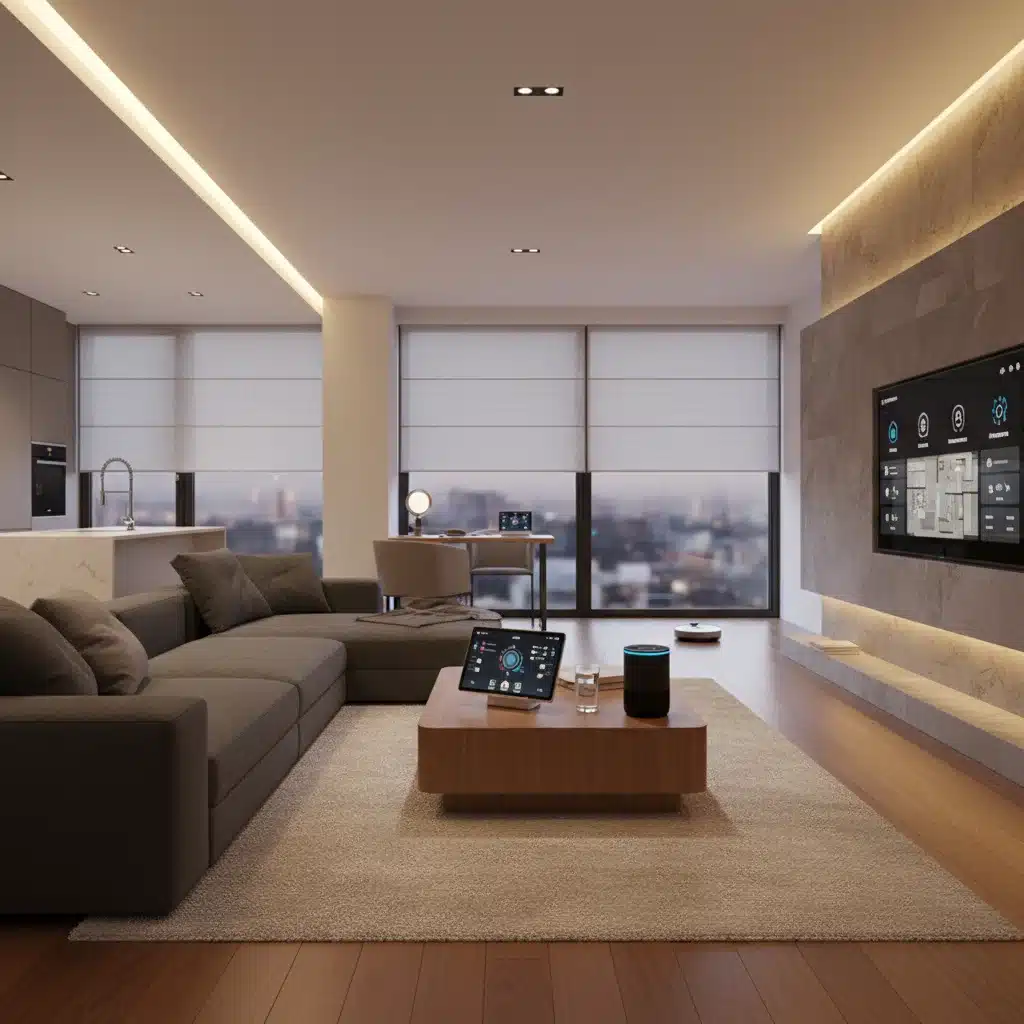
Smart Home Automation: 3 Innovative Routines to Save You 10 Hours a Month
In our increasingly busy lives, time is the ultimate luxury. Every minute saved is a minute gained for what truly matters – family, hobbies, or simply relaxation. This is where the power of smart home automation truly shines. Far from being just a collection of gadgets, a well-implemented smart home system can revolutionize your daily routines, creating efficiencies that add up to significant time savings. Imagine reclaiming 10 hours or more every single month, simply by letting technology handle the mundane. It’s not just a dream; it’s an achievable reality with the right smart home routines.
The concept of a ‘smart home’ has evolved dramatically over the past decade. What once seemed like futuristic sci-fi is now accessible, affordable, and incredibly practical. From smart lighting and thermostats to automated security systems and intelligent kitchen appliances, the ecosystem of connected devices offers unparalleled opportunities for streamlining your life. But the real magic isn’t in owning these devices; it’s in how you orchestrate them. By creating intelligent smart home routines, you can transform a collection of individual tools into a cohesive, time-saving powerhouse.
This article will delve into three innovative smart home routines designed to significantly reduce the time you spend on repetitive tasks. We’ll explore how these routines work, the devices you’ll need, and the tangible benefits they offer, ultimately helping you unlock a more efficient, comfortable, and connected lifestyle. Get ready to discover how smart home automation can give you back precious hours, month after month.
The Dawn of Efficiency: Your Automated Morning Routine
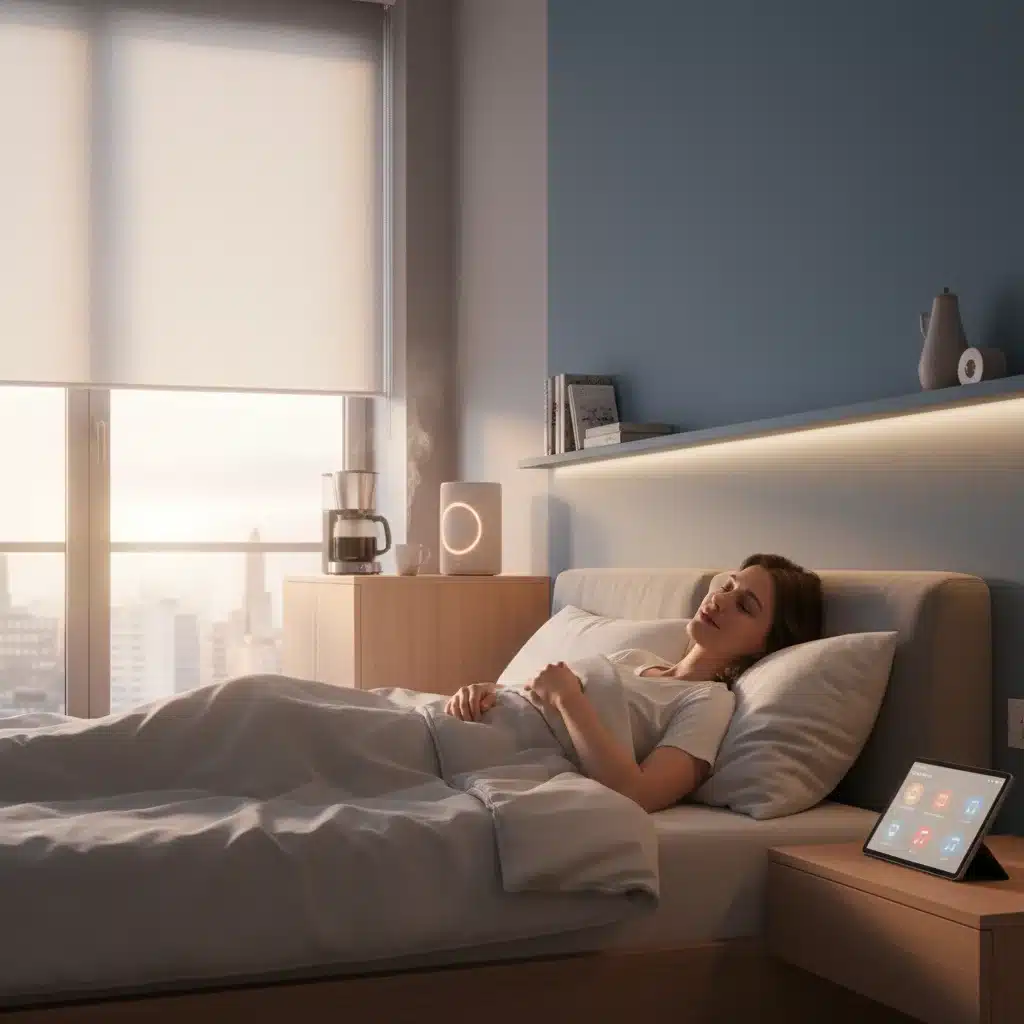
How do you typically start your day? Is it a frantic rush, fumbling for light switches, battling the thermostat, and struggling to get out the door on time? For many, mornings are a high-stress period. But what if your home could gently guide you into the day, handling all the preparatory tasks before you even open your eyes? This is the promise of an automated morning routine, one of the most impactful smart home routines you can implement.
Components of a Smart Morning Routine:
- Smart Lighting: Ditch the jarring alarm clock. Smart bulbs (Philips Hue, LIFX, etc.) can be programmed to gradually brighten, mimicking a natural sunrise. This gentle illumination helps regulate your circadian rhythm, making waking up feel more natural and less abrupt.
- Smart Blinds/Shades: Complementing your smart lights, automated blinds or shades (Lutron, Bali, IKEA) can open incrementally, letting in natural light at a predetermined time. This further reinforces the natural wake-up process.
- Smart Thermostat: No one likes stepping out of a warm bed into a cold room. A smart thermostat (Nest, Ecobee, Honeywell) can be set to pre-heat or pre-cool your home to your ideal temperature about 30 minutes before your alarm, ensuring comfort from the moment you wake.
- Smart Coffee Maker/Kettle: Imagine the aroma of freshly brewed coffee greeting you. Smart coffee makers (Smarter Coffee, Behmor Connected) or smart plugs connected to a traditional coffee maker/kettle can start brewing at a set time, ensuring your morning beverage is ready when you are.
- Smart Speaker/Assistant: Your smart assistant (Amazon Echo, Google Home) can play a gentle wake-up playlist, deliver a personalized news briefing, or provide a weather update, all without you having to lift a finger.
How it Works:
Most smart home platforms (Apple HomeKit, Google Home, Amazon Alexa, SmartThings) allow you to create multi-step routines or scenes. For your morning routine, you would set a trigger – typically a specific time. Let’s say 6:30 AM.
- 6:30 AM: Smart blinds begin to open, and bedroom lights start to gradually brighten from 0% to 50% over 15 minutes.
- 6:45 AM: The thermostat adjusts to your preferred morning temperature (e.g., 72°F/22°C).
- 6:50 AM: The smart coffee maker starts brewing.
- 7:00 AM: Bedroom lights reach 100% brightness, and your smart speaker plays a gentle alarm sound or your favorite morning news podcast.
Time Saved Per Month:
Consider the cumulative effect:
- No more fumbling for light switches: 1 minute/day = 30 minutes/month
- No more adjusting the thermostat: 1 minute/day = 30 minutes/month
- No more waiting for coffee to brew: 5 minutes/day = 2.5 hours/month
- Getting a head start on news/weather: 5 minutes/day = 2.5 hours/month
Total Estimated Savings: Approximately 6 hours per month. Beyond the raw minutes, the mental benefit of a calm, organized start to the day is invaluable. These smart home routines reduce stress and create a more positive daily foundation.
The Secure & Efficient Departure: Your Away Routine
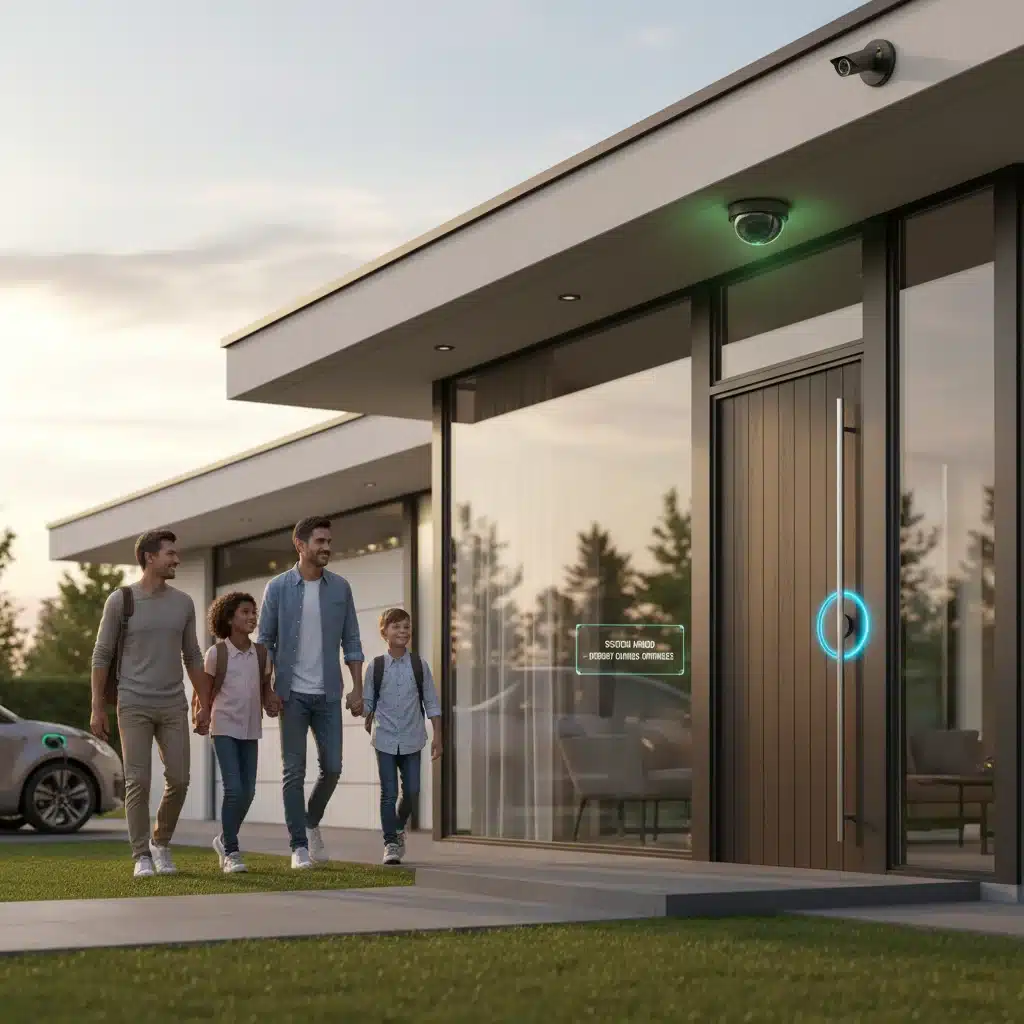
Leaving your home can often be a source of anxiety. Did I lock the door? Did I turn off the lights? Is the thermostat set correctly to save energy? These nagging questions can distract you throughout your day. An intelligent ‘Away’ routine, one of the most effective smart home routines, eliminates these worries by automating the crucial tasks associated with securing your home and optimizing energy consumption when you’re out.
Components of a Smart Away Routine:
- Smart Locks: Keyless entry and automated locking mechanisms (August, Schlage, Yale) ensure your doors are securely fastened the moment you leave.
- Smart Lighting: All non-essential lights can be automatically turned off, preventing energy waste. Some systems can even simulate occupancy by turning lights on and off sporadically, deterring potential intruders.
- Smart Thermostat: Set your thermostat to an energy-saving ‘away’ mode, adjusting the temperature to minimize heating or cooling costs while you’re out, then automatically resuming your preferred comfort settings before you return.
- Smart Security Cameras & Sensors: Arm your security system, activate motion sensors, and enable recording on smart cameras (Ring, Arlo, SimpliSafe) with a single command or automated trigger.
- Smart Plugs: Any ‘dumb’ appliances plugged into smart plugs (TP-Link Kasa, Wemo) can be powered off to prevent phantom drain or for safety reasons.
How it Works:
The trigger for this routine can be multi-faceted:
- Geofencing: Your smartphone’s location (or the last person to leave the home) triggers the routine when you move a certain distance away from your home.
- Manual Activation: A simple voice command to your smart assistant (e.g., “Alexa, I’m leaving”) or tapping a button on an app.
- Time-Based: If you have a very predictable schedule, you can set it to activate at a specific time each workday.
Upon activation, the routine orchestrates the following:
- All lights turn off.
- Smart locks engage.
- The thermostat switches to energy-saving mode.
- Security cameras arm and begin monitoring.
- Selected smart plugs cut power to connected devices.
Time Saved Per Month:
The time savings here are significant, both in direct action and peace of mind:
- Checking all lights and turning them off: 2 minutes/day = 1 hour/month
- Manually locking all doors: 1 minute/day = 30 minutes/month
- Adjusting thermostat: 1 minute/day = 30 minutes/month
- Arming security system: 1 minute/day = 30 minutes/month
- No more second-guessing if you left something on: Priceless, but translates to saved mental energy and potential return trips.
Total Estimated Savings: Approximately 3 hours per month, plus significant energy savings and enhanced security. These smart home routines provide tangible benefits that extend beyond mere minutes.
The Effortless Evening: Your Relaxing Deactivation Routine
After a long day, the last thing you want is to be bothered with a flurry of tasks before you can finally unwind. Your smart home can create an evening sanctuary, preparing your environment for relaxation and sleep. An automated evening or ‘Goodnight’ routine is one of the most cherished smart home routines, transforming your home into a haven of comfort and security at the close of the day.
Components of a Smart Evening Routine:
- Smart Lighting: Gradually dimming lights to a warm, soft glow can signal to your body that it’s time to wind down. Specific lights can be set to turn off in unused rooms or remain on at a low level in common areas for safety.
- Smart Thermostat: Adjust the temperature to your preferred sleeping conditions, ensuring a comfortable night’s rest.
- Smart Blinds/Shades: Automatically close blinds or shades for privacy and darkness.
- Smart Locks: Double-check that all doors are locked for the night.
- Smart Security System: Arm your security system to ‘stay’ mode, which typically monitors exterior doors and windows while allowing movement inside.
- Smart Plugs: Power down entertainment systems, chargers, or other devices to save energy and eliminate standby lights.
- Smart Speaker/Assistant: Play soothing white noise, a sleep story, or a relaxing playlist. It can also provide a quick summary of your next day’s calendar or set an alarm for the morning.
How it Works:
This routine can be triggered in several ways:
- Time-Based: Set it for a specific time each evening (e.g., 10:30 PM).
- Voice Command: A simple “Hey Google, goodnight” or “Alexa, bedtime” can activate the entire sequence.
- Button Press: A dedicated smart button or scene controller can initiate the routine.
Once triggered, your home transforms:
- Lights in the living room and kitchen dim and turn off; bedroom lights adjust to a soft nightlight setting.
- Thermostat sets to sleeping temperature.
- All smart blinds close.
- Doors lock.
- Security system arms in ‘stay’ mode.
- Smart speaker plays calming sounds.
Time Saved Per Month:
This routine is primarily about comfort and peace of mind, but it still offers tangible time savings:
- Walking around to turn off lights: 2 minutes/day = 1 hour/month
- Checking locks: 1 minute/day = 30 minutes/month
- Adjusting thermostat: 1 minute/day = 30 minutes/month
- Setting alarm/white noise: 1 minute/day = 30 minutes/month
Total Estimated Savings: Approximately 2.5 hours per month. The added benefits of better sleep quality and reduced evening stress make these smart home routines invaluable.
The Cumulative Impact: Over 10 Hours Saved!
Let’s tally up the estimated time savings from these three innovative smart home routines:
- Automated Morning Routine: ~6 hours/month
- Secure & Efficient Departure Routine: ~3 hours/month
- Relaxing Deactivation Routine: ~2.5 hours/month
Grand Total: Approximately 11.5 hours per month!
This is more than just a number; it’s nearly half a day reclaimed from repetitive, often tiresome tasks. Imagine what you could do with an extra 11.5 hours every month. Spend more time with loved ones, pursue a new hobby, catch up on reading, exercise, or simply enjoy moments of quiet reflection. The beauty of smart home routines is that they don’t demand your active participation once set up. They work silently in the background, a seamless extension of your intentions, transforming your home into a truly intelligent assistant.
Getting Started with Your Own Smart Home Routines
Implementing these smart home routines might seem daunting at first, but it’s a gradual process. Here’s a roadmap:
1. Choose Your Ecosystem:
The first step is to decide on your preferred smart home ecosystem. Popular choices include:
- Amazon Alexa: Excellent voice control, wide device compatibility, and a vast array of skills.
- Google Home: Strong AI capabilities, seamless integration with Google services, and intuitive voice commands.
- Apple HomeKit: Focus on privacy and security, tight integration with Apple devices, and a streamlined user experience (though with fewer compatible devices).
- SmartThings (Samsung): A robust hub-based system offering extensive device compatibility and advanced automation capabilities.
- Home Assistant: An open-source, highly customizable platform for the more technically inclined, offering unparalleled control and privacy.
Once you choose an ecosystem, try to stick with devices that are compatible with it to ensure smooth integration and fewer headaches.
2. Start Small and Expand:
You don’t need to automate your entire home overnight. Begin with one routine that addresses a significant pain point. For example, start with smart lighting in your bedroom for the morning routine, then add a smart thermostat, and so on. Gradually build out your system as you become more comfortable and identify further opportunities for automation.
3. Identify Your Pain Points:
Before buying any device, think about what tasks you find most tedious, repetitive, or energy-consuming. Is it adjusting the thermostat constantly? Forgetting to lock the door? Fumbling in the dark? These are prime candidates for smart home routines.
4. Invest in Reliable Devices:
While budget is always a consideration, investing in reputable brands often pays off in terms of reliability, security updates, and better long-term support. Read reviews and look for devices that are known for their ease of integration within your chosen ecosystem.
5. Learn Your Platform’s Automation Features:
Each smart home platform has its own way of creating routines, scenes, or automations. Spend some time exploring the app or interface. Many platforms offer intuitive drag-and-drop interfaces or guided setup processes. Don’t be afraid to experiment!
6. Think About Triggers and Actions:
Automations are built on triggers (what starts the routine) and actions (what happens). Triggers can be time-based, location-based (geofencing), sensor-based (motion, door/window open), or voice commands. Actions are the specific tasks your smart devices perform.
7. Consider Redundancy and Fallbacks:
What happens if the internet goes down? Will your critical routines still function? Some devices offer local control, meaning they can still operate without an internet connection. It’s also wise to have manual overrides for all automated systems.
8. Prioritize Security and Privacy:
As you connect more devices, be mindful of your home network’s security. Use strong, unique passwords, enable two-factor authentication where available, and keep your device firmware updated. Understand how your chosen ecosystem handles your data and privacy.
Beyond the Basics: Advanced Smart Home Routines
Once you’ve mastered the foundational smart home routines, the possibilities for further automation are endless. Consider these advanced concepts:
- Adaptive Lighting: Lights that automatically adjust color temperature throughout the day to mimic natural light, supporting your circadian rhythm and boosting productivity.
- Guest Mode: A single command to set up specific lighting, temperature, and access codes for visitors.
- Movie Night Scene: Dim lights, close blinds, turn on the TV/projector, and adjust the sound system with one voice command.
- Energy Monitoring and Optimization: Integrate smart plugs and energy monitors to track consumption and automate devices to run during off-peak hours, further reducing utility bills.
- Pet Care Routines: Automated feeders, pet cameras, and even smart pet doors can ensure your furry friends are cared for while you’re away.
- Holiday/Vacation Mode: Simulate occupancy with random light cycles, check security cameras periodically, and ensure minimum energy usage.
- Water Leak Detection: Smart sensors can alert you to leaks, potentially saving you from costly damage.
- Air Quality Management: Smart air purifiers and humidifiers that activate based on indoor air quality readings.
Each of these advanced smart home routines builds upon the principles of automation, offering more convenience, safety, and efficiency. The key is to continuously evaluate your daily life and identify areas where technology can lend a helping hand.
Addressing Common Concerns:
Is Smart Home Automation Secure?
Security is a paramount concern. Reputable smart home device manufacturers prioritize encryption and data protection. However, users must also play their part by using strong passwords, enabling two-factor authentication, and keeping device firmware updated. Integrating devices within a single, secure ecosystem also helps manage potential vulnerabilities.
Is It Too Complicated to Set Up?
While some advanced setups can be complex, basic smart home routines are designed to be user-friendly. Most modern smart devices offer intuitive app-based setup processes. Starting with simple automations and gradually adding complexity is the best approach.
What About Privacy?
Privacy is a valid concern, especially with devices that listen or record. Choose brands with strong privacy policies and be mindful of the data you share. Understand what information your devices collect and how it’s used. Many devices offer local processing options to minimize cloud reliance.
What if the Internet Goes Down?
This is a common question. Many smart home hubs and devices now offer local control, meaning basic automations (like turning lights on/off or adjusting the thermostat) can still function even without an internet connection. However, remote access and cloud-dependent services will be unavailable. It’s good practice to have manual overrides for all critical systems.
Conclusion: Reclaim Your Time with Smart Home Routines
The promise of smart home automation is not just about convenience; it’s about empowerment. By strategically implementing innovative smart home routines, you can transform your living space into an intelligent partner that anticipates your needs, secures your home, and manages mundane tasks. The 10+ hours you save each month are a testament to the tangible impact of these technologies on your quality of life.
From the gentle awakening of an automated morning to the peace of mind of a secure departure and the tranquil embrace of an effortless evening, your smart home works tirelessly in the background, freeing you to focus on what truly matters. Embrace the future of living, one smart routine at a time, and discover the profound difference it can make in your daily life. Start small, think big, and watch as your home becomes not just smarter, but a true sanctuary of efficiency and comfort.