Smart Home Security: AI Systems to Cut False Alarms by 35%

Artificial intelligence-powered smart home security systems are revolutionizing home protection by significantly reducing false alarms. These intelligent systems use advanced algorithms to differentiate between real threats and common occurrences, promising to decrease false alarms by up to 35%, enhancing user experience and ensuring more effective responses to genuine emergencies.
Imagine a home security system so intelligent it knows the difference between your dog and an intruder. That’s the promise of smart home security: how to reduce false alarms by 35% with AI-powered systems. Gone are the days of needless police visits and stressed-out neighbors.
Understanding the Problem of False Alarms
False alarms are a pervasive issue with traditional security systems. They cause frustration, waste resources, and can lead to complacency. Understanding the root causes is the first step towards mitigating them.
The High Cost of False Alarms
False alarms aren’t just annoying; they have real-world consequences. Police departments spend significant time and resources responding to them, diverting attention from genuine emergencies. Additionally, homeowners may face fines for repeated false alarms.
Common Causes of False Alarms
Several factors contribute to false alarms. These include user error, malfunctioning equipment, environmental factors, and even pets. Traditional systems often lack the sophistication to distinguish between these harmless events and actual threats.
- Incorrect sensor placement
- Low battery levels in sensors
- Drafts from open windows or doors
- Pets triggering motion detectors
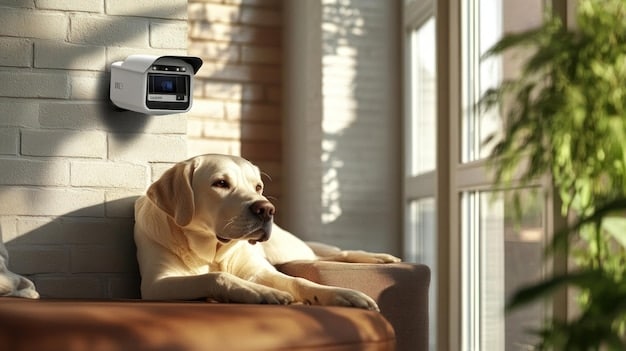
The frequency and cost associated with false alarms highlight the urgent need for more advanced security solutions. AI-powered systems offer a significant improvement by addressing these underlying issues.
How AI Reduces False Alarms by 35%
AI is transforming smart home security by offering advanced capabilities that traditional systems simply can’t match. These AI-powered features drastically cut down on false alarms.
Advanced Sensor Technology
AI-driven systems use sophisticated sensors that gather more data than traditional sensors. This data is then analyzed to determine the nature of the event more accurately. For example, AI can differentiate between the heat signature of a person and a pet.
Machine Learning and Pattern Recognition
Machine learning algorithms allow the system to “learn” from its environment. Over time, it identifies patterns and learns to distinguish between normal and suspicious activities. This reduces the likelihood of triggering false alarms based on routine events.
- Recognizing the difference between a delivery person and a potential intruder.
- Learning the daily routines of residents.
- Adapting to seasonal changes that might affect sensor readings.
By leveraging advanced sensor technology and machine learning, AI-powered systems can significantly reduce the incidence of false alarms, making home security more reliable and efficient.
Key Features of AI-Powered Smart Home Security Systems
AI-powered smart home security systems come with several cutting-edge features designed to enhance security and minimize false alarms. These features work together to provide a comprehensive and intelligent security solution.
Real-Time Video Analytics
AI algorithms can analyze video footage in real-time to identify potential threats. This includes recognizing faces, detecting unusual movements, and assessing the context of the situation. This capability allows the system to respond appropriately without human intervention.
Smart Notifications and Alerts
Instead of sending generic alerts for every sensor trigger, AI systems provide smart notifications that include relevant information. For instance, if a motion sensor is triggered, the system might send a snapshot from the nearest camera, allowing the homeowner to quickly assess the situation.
Integration with Smart Home Ecosystems
AI security systems can seamlessly integrate with other smart home devices, such as smart locks, lighting systems, and voice assistants. This integration allows for a coordinated response to security events. For example, if an alarm is triggered, the system can automatically lock doors, turn on lights, and notify the authorities.

These key features of AI-powered smart home security systems offer a more proactive and intelligent approach to home protection, reducing the risk of false alarms and enhancing overall security.
Choosing the Right AI Security System
Selecting the right AI security system requires careful consideration of various factors. It’s important to assess your specific security needs and evaluate the features and capabilities of different systems before making a decision.
Assessing Your Security Needs
Start by identifying your specific security concerns. Do you live in an area with high crime rates? Are you concerned about package theft? Do you have pets that are prone to triggering false alarms? Answering these questions will help you prioritize the features that are most important to you.
Evaluating System Features and Capabilities
Consider the features offered by different AI security systems. Look for systems with advanced sensor technology, real-time video analytics, and smart notification capabilities. Also, consider the system’s integration with other smart home devices and its ease of use.
Reading Reviews and Seeking Recommendations
Before making a final decision, read reviews from other users and seek recommendations from trusted sources. This will give you valuable insights into the performance and reliability of different AI security systems.
- Check independent testing reports.
- Read customer testimonials on the manufacturer’s website.
- Consult with security professionals for personalized recommendations.
By carefully evaluating your security needs and researching different AI security systems, you can choose a system that provides the right level of protection and minimizes the risk of false alarms.
Installation and Setup Tips for AI Security Systems
Proper installation and setup are critical to ensure the effective operation of your AI security system. Following these tips can help you avoid common pitfalls and minimize the risk of false alarms.
Proper Sensor Placement
Place sensors in locations that are least likely to be affected by environmental factors or triggered by pets. Avoid placing motion sensors near windows or doors, and consider using pet-friendly sensors that are designed to ignore small animals.
Configuring Smart Notifications
Customize your smart notification settings to receive alerts only for events that are genuinely concerning. This will help you avoid alert fatigue and ensure that you respond promptly to real emergencies.
Regular System Maintenance
Perform regular maintenance on your AI security system to ensure that it is functioning properly. This includes checking sensor batteries, cleaning camera lenses, and updating software.
By following these installation and setup tips, you can maximize the effectiveness of your AI security system and minimize the risk of false alarms.
The Future of Smart Home Security
The future of smart home security is bright, with continuous advancements in AI and sensor technology promising even greater levels of protection and convenience. As AI continues to evolve, we can expect even more sophisticated and reliable security solutions.
Advancements in AI and Sensor Technology
Expect to see AI security systems incorporate even more advanced algorithms and sensors. This includes enhanced facial recognition, improved object detection, and the ability to analyze audio cues for potential threats.
Integration with Emerging Smart Home Technologies
AI security systems will likely integrate with other emerging smart home technologies, such as augmented reality (AR) and virtual reality (VR). This could allow homeowners to remotely monitor their homes in real-time using immersive interfaces.
Increased Emphasis on Privacy and Security
As smart home security systems become more prevalent, there will be an increased emphasis on protecting user privacy and security. Manufacturers will need to implement robust security measures to prevent hacking and data breaches.
The future of smart home security is one of continuous innovation, with AI leading the way in providing more intelligent, reliable, and secure protection for homes and families.
| Key Aspect | Brief Description |
|---|---|
| 🤖 AI-Powered System | Utilizes advanced algorithms for threat detection. |
| 📉 Reduced False Alarms | Aims to decrease false alarms by up to 35%. |
| 💡 Smart Notifications | Sends relevant alerts with detailed information. |
| 🔒 Integration | Works seamlessly with smart locks and other devices. |
Frequently Asked Questions
▼
AI systems analyze size, movement patterns, and heat signatures to accurately identify pets versus intruders, reducing false alarms caused by animals.
▼
While no system is foolproof, reputable AI security systems use advanced encryption and security protocols to minimize the risk of hacking attempts.
▼
Some AI systems are designed for DIY installation, while others may require professional setup to ensure optimal performance and integration with other smart devices.
▼
Most AI security systems have battery backup to continue operating during power outages, ensuring that your home remains protected even when the electricity is out.
▼
AI systems learn normal patterns over time and adjust sensor sensitivity based on environmental changes, like leaves falling or snow accumulation, to minimize false alarms.
Conclusion
Smart home security: how to reduce false alarms by 35% with AI-powered systems represents a significant leap forward in home protection. By embracing these technologies, homeowners can enjoy a more secure and convenient living environment, free from the constant worry of false alarms.