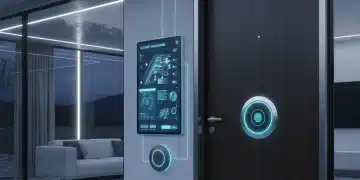
Smart Home Security: Reduce False Alarms by 35% with AI

Smart home security systems leveraging Artificial Intelligence (AI) can significantly enhance accuracy and reduce false alarms by up to 35%, providing homeowners with more reliable and responsive security.
Are you tired of false alarms from your home security system? Imagine a system so intelligent it can distinguish between a harmless animal and a real threat. Smart home security: How to reduce false alarms by 35% with AI-powered systems is no longer a futuristic dream, but a current reality.
Understanding the Problem of False Alarms
False alarms are a significant pain point for homeowners and a burden on law enforcement. They can lead to fines, wasted resources, and a general distrust of security systems. Understanding the root causes of these alarms is the first step in addressing the problem.
Many traditional systems rely on simple motion detection, which can be easily triggered by pets, weather, or even shadows. These outdated systems lack the intelligence to differentiate between genuine threats and harmless occurrences, leading to frequent and frustrating false alarms.
Common Causes of False Alarms
Several factors contribute to the high rate of false alarms in traditional security systems. Recognizing these causes can shed light on the need for more sophisticated solutions.
- Pet Activity: Pets moving around the house, especially when homeowners are away, are a major cause.
- Weather Events: Strong winds, heavy rain, or even changes in sunlight can trigger motion sensors.
- Human Error: Accidental triggering of alarms by residents forgetting to disarm the system.
- Technical Issues: Malfunctioning sensors or improper installation can lead to false detections.
The limitations of traditional systems highlight the need for smarter solutions that can accurately assess threats and minimize unnecessary alerts.

The Rise of AI in Home Security
Artificial Intelligence (AI) is revolutionizing the home security industry, offering advanced capabilities that traditional systems simply can’t match. AI-powered systems use sophisticated algorithms and machine learning to analyze data, identify patterns, and make informed decisions about potential threats.
These systems are not only more accurate but also more responsive, providing homeowners with a greater sense of security and peace of mind. AI is transforming home security from a reactive measure to a proactive defense.
How AI Enhances Security Systems
AI brings a range of advanced features that significantly improve the performance of home security systems:
- Object Recognition: AI can distinguish between people, animals, and objects, reducing false alarms caused by harmless activity.
- Facial Recognition: Systems can identify known individuals and alert homeowners to unfamiliar faces.
- Behavior Analysis: AI can learn typical behavior patterns and flag suspicious activities that deviate from the norm.
- Predictive Analysis: By analyzing historical data, AI can predict potential threats and alert homeowners proactively.
By leveraging these powerful capabilities, AI transforms home security systems into intelligent guardians that are both effective and reliable.
AI-Powered Systems: Reducing False Alarms by 35%
One of the most significant benefits of AI in home security is its ability to dramatically reduce false alarms. Studies have shown that AI-powered systems can decrease false alarms by up to 35%, saving homeowners from unnecessary stress and potential fines.
This reduction is achieved through advanced algorithms that can accurately assess threats and filter out harmless occurrences. The result is a security system that is both responsive and reliable.
Real-World Examples of AI in Action
To illustrate the effectiveness of AI in reducing false alarms, consider the following examples:
- Pet Detection: A homeowner receives an alert when a person approaches their door, but not when their dog runs through the yard.
- Weather Filtering: The system ignores motion triggered by a rainstorm but alerts the homeowner to a person lurking near their windows.
- Activity Learning: The AI learns that the homeowner regularly takes out the trash at 7 PM and doesn’t trigger an alarm when it detects that activity.
These examples demonstrate how AI can differentiate between genuine threats and everyday activities, minimizing false alarms and providing homeowners with a more reliable security experience.

Key Features to Look for in AI Security Systems
When considering an AI-powered security system, it’s essential to look for specific features that contribute to its effectiveness and reliability. These features will help ensure that the system you choose is capable of accurately detecting threats and minimizing false alarms.
Not all AI security systems are created equal, so it’s important to do your research and choose a system that meets your specific needs and preferences.
Essential AI Security Features
Here are some key features to look for in an AI-powered security system:
- Advanced Motion Detection: Systems that can distinguish between different types of motion, such as human, animal, or vehicle.
- Video Analytics: The ability to analyze video footage in real-time to identify potential threats.
- Customizable Alerts: Systems that allow you to set specific rules for when and how you receive alerts.
- Integration with Smart Home Devices: The ability to connect with other smart home devices, such as lights and locks, for enhanced security.
By prioritizing these features, you can ensure that your AI security system provides comprehensive protection and minimizes the risk of false alarms.
Installation and Setup Tips for Optimal Performance
Proper installation and setup are crucial for ensuring the optimal performance of your AI-powered security system. Even the most advanced system can be ineffective if it’s not installed correctly or configured properly.
Following these tips can help you get the most out of your system and minimize the risk of false alarms. Remember, it’s always a good idea to consult with a professional installer if you’re unsure about any aspect of the installation process.
Tips for Effective Installation and Setup
Here are some tips to help you install and set up your AI security system for optimal performance:
- Placement: Position cameras and sensors in strategic locations that provide a clear view of the areas you want to protect.
- Calibration: Calibrate the system’s sensors to accurately detect motion and differentiate between different types of movement.
- Customization: Customize the system’s settings to match your specific needs and preferences. This includes setting up specific rules for alerts and notifications.
By following these tips, you can ensure that your AI security system is working at its best and providing you with the protection you need.
The Future of Smart Home Security with AI
The future of smart home security is undoubtedly intertwined with AI. As AI technology continues to evolve, we can expect even more advanced and sophisticated security solutions that provide homeowners with unparalleled protection and peace of mind.
From predictive analysis to proactive threat detection, AI is poised to transform the way we protect our homes and families. Embracing AI in home security is not just about staying ahead of the curve; it’s about creating a safer and more secure future for everyone.
Emerging Trends in AI Home Security
Several exciting trends are emerging in the field of AI home security, including:
- Enhanced Facial Recognition: More accurate and reliable facial recognition systems that can identify individuals even in challenging conditions.
- Predictive Security: AI systems that can predict potential threats based on historical data and patterns.
- Autonomous Response: Security systems that can automatically respond to threats, such as locking doors and alerting authorities.
These trends represent the next wave of innovation in smart home security, promising even greater levels of protection and peace of mind for homeowners.
| Key Aspect | Brief Description |
|---|---|
| 🛡️ AI-Powered Security | Utilizes AI to enhance threat detection and reduce false alarms. |
| 💡 False Alarm Reduction | AI systems can decrease false alarms by up to 35%. |
| 👁️ Object Recognition | AI identifies people, animals, and objects for accurate alerts. |
| ⚙️ Customizable Alerts | Set personalized rules for receiving alerts and notifications. |
Frequently Asked Questions
▼
AI systems analyze data to distinguish between threats and harmless events, reducing false alarms caused by pets, weather, or shadows by identifying patterns.
▼
Look for advanced motion detection, video analytics, customizable alerts, and integration with other smart home devices for comprehensive security and minimal false alarms.
▼
Ensure proper installation and strategic placement of cameras and sensors. Calibrate sensors accurately, and customize settings to match your specific needs for superior security.
▼
Emerging trends include enhanced facial recognition, predictive threat analysis, and autonomous response systems, all aimed at increasing the speed and accuracy of response.
▼
AI-powered systems can reduce false alarms by up to 35% compared to traditional systems, minimizing unnecessary stress and potential fines on the user end.
Conclusion
Embracing AI in smart home security offers a significant advantage in reducing false alarms and enhancing overall protection. By understanding the technology and following best practices for installation and maintenance, homeowners can enjoy a more secure and reliable living environment.