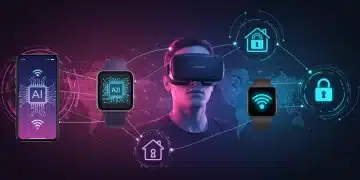
Smartwatch Health Features: What Will Dominate in the Next Year?
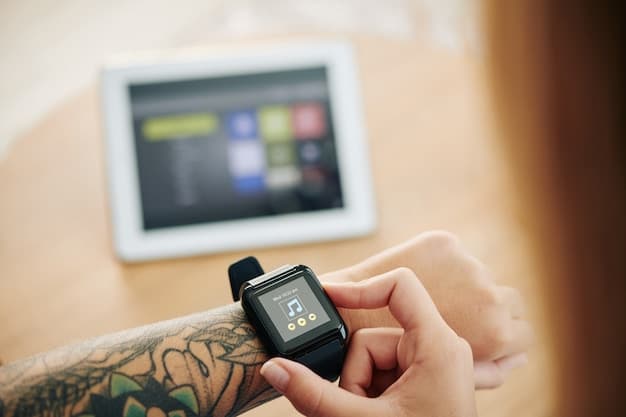
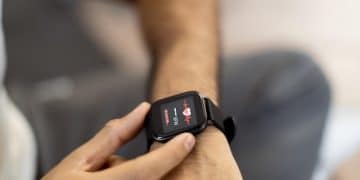
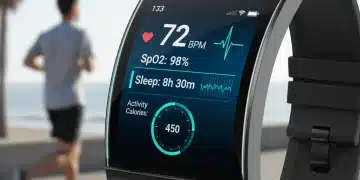
Over the next 12 months, smartwatches are expected to increasingly focus on advanced health features such as continuous blood glucose monitoring, improved sleep analysis, and more sophisticated mental health tracking.
The world of Smartwatches Evolving: What Health Features Will Dominate the Market in the Next 12 Months? is constantly changing, pushing the boundaries of what these small devices can do for our health. As we look ahead, exciting developments are on the horizon, promising even more ways to measure, monitor, and manage our wellbeing.
Smartwatch Health Evolution: An Overview
Smartwatches have moved beyond simple fitness tracking. They are now sophisticated health monitoring devices. As technology advances, new features appear that could transform how we understand and manage our health. This evolution is driven by consumer demand for more comprehensive health insights and the continuous innovation of wearable technology.
The Growing Focus on Health Features
The focus on health features is not just a trend; it’s a fundamental shift. Consumers are proactively seeking tools to help them live healthier lives. Smartwatches are uniquely positioned to fill this need, providing continuous, real-time health data right on our wrists.
Technological Advancements Driving Innovation
Advancements in sensor technology, artificial intelligence, and data analysis are making it possible to incorporate more sophisticated health features into smartwatches. These advancements allow for more accurate and reliable health tracking, leading to more meaningful insights.
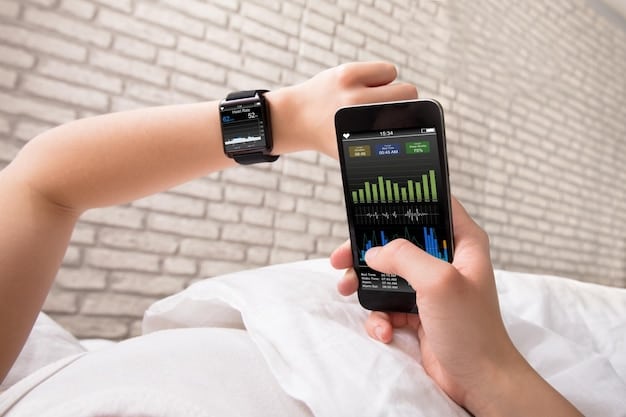
Here are some key areas of advancement:
- Improved Sensor Technology: More sensitive and accurate sensors can capture a wider range of health metrics.
- AI-Powered Analysis: Artificial intelligence algorithms can process vast amounts of data to provide personalized health insights.
- Enhanced Connectivity: Seamless integration with other health devices and platforms allows for a more holistic view of health data.
In conclusion, the evolution of smartwatches is closely tied to the demand for better health management tools. Advances in technology are continuously pushing the boundaries of what’s possible.
Continuous Glucose Monitoring (CGM) Integration
One of the most exciting potential advancements is the integration of Continuous Glucose Monitoring (CGM) into smartwatches. This would be a game-changer for individuals with diabetes, offering real-time glucose monitoring without the need for separate devices.
The Potential Impact on Diabetes Management
Integrating CGM into smartwatches would provide individuals with diabetes with continuous, real-time glucose readings. This would enable them to make more informed decisions about their diet, exercise, and medication.
Challenges and Technical Hurdles
Despite the potential benefits, there are significant challenges to overcome. These include ensuring the accuracy and reliability of the CGM technology, as well as minimizing the size and power consumption of the sensors.
Key challenges include:
- Accuracy and Reliability: Ensuring the CGM provides consistent and accurate readings.
- Miniaturization: Reducing the size of the sensors to fit comfortably within a smartwatch.
- Power Consumption: Minimizing the power consumption to extend battery life.
Progress in CGM integration could transform diabetes management. Overcoming technical challenges is crucial for this to become a reality.
Advanced Sleep Analysis and Tracking
Sleep is a cornerstone of overall health, and smartwatches are already playing a significant role in sleep tracking. Expect even more advanced sleep analysis features in the coming year, providing deeper insights into sleep quality and potential sleep disorders.
Beyond Basic Sleep Tracking: What’s Next?
Future smartwatches will go beyond simply tracking sleep duration. They will offer detailed analysis of sleep stages, heart rate variability during sleep, and even detect potential sleep disorders like sleep apnea.
The Role of Smartwatches in Identifying Sleep Disorders
By continuously monitoring sleep patterns, smartwatches can help identify potential sleep disorders. Users can then share this data with their healthcare providers for further evaluation and treatment.
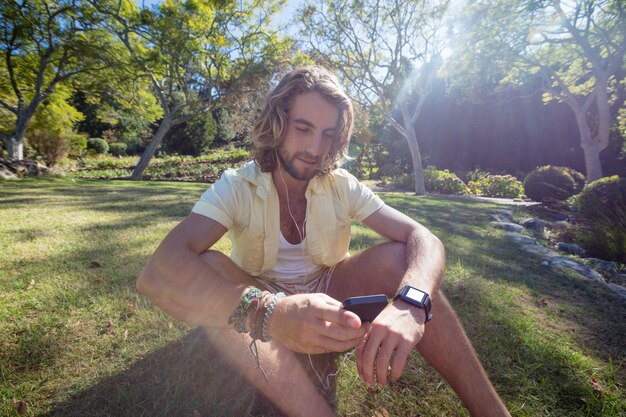
Areas of improvement include:
- Enhanced Accuracy: Improving the accuracy of sleep stage detection.
- Personalized Recommendations: Providing personalized recommendations for improving sleep quality.
- Integration with Sleep Therapy Devices: Seamless integration with devices like CPAP machines for comprehensive sleep management.
Advanced sleep analysis and tracking will play a vital role in promoting better sleep habits and identifying potential health issues. Smartwatches will become invaluable tools for improving sleep quality.
Mental Health Monitoring and Stress Detection
Smartwatches are also beginning to address mental health. Future models will likely include more sophisticated stress detection features and tools for mental wellbeing, such as guided meditation and mindfulness exercises.
Incorporating Stress Detection Technology
Smartwatches can detect stress levels by monitoring heart rate variability, skin conductance, and body temperature. By analyzing these metrics, they can provide users with insights into their stress patterns and triggers.
Tools for Mental Wellbeing: Meditation and Mindfulness
Many smartwatches already offer guided meditation and mindfulness exercises. In the future, these features will become more personalized and integrated, providing users with tailored support for managing stress and improving mental wellbeing.
Key features to watch for:
- Real-time Stress Alerts: Notifying users when their stress levels are elevated.
- Personalized Meditation Recommendations: Recommending meditation exercises based on individual stress patterns.
- Integration with Mental Health Apps: Seamless integration with mental health apps for comprehensive support.
Mental health monitoring and stress detection will be increasingly important. Smartwatches will provide users with the tools they need to manage their mental wellbeing.
Blood Pressure Monitoring Advancements
Blood pressure monitoring is another area where smartwatches are making strides. The ability to accurately and conveniently monitor blood pressure on a smartwatch could significantly improve cardiovascular health management.
The Challenges of Accurate Blood Pressure Measurement
Accurate blood pressure measurement on a smartwatch presents several challenges. These include ensuring the sensor is properly positioned on the wrist and accounting for factors like movement and ambient temperature.
Innovations in Sensor Technology
Researchers are developing innovative sensor technologies to address these challenges. These include using advanced optical sensors and AI algorithms to improve the accuracy and reliability of blood pressure measurements.
Innovations include:
- Optical Sensors: Using light to measure blood flow and pressure.
- AI Algorithms: Processing data to improve measurement accuracy.
- Calibration Methods: Developing methods to calibrate the sensor for individual users.
Continuous development promises more accurate blood pressure monitoring. This is a significant step forward in cardiovascular health management.
Future Trends and Possibilities
Looking beyond the next 12 months, the possibilities for smartwatch health features are virtually limitless. From advanced diagnostics to personalized health recommendations, smartwatches are poised to play an increasingly important role in healthcare.
The Potential for Advanced Diagnostics
In the future, smartwatches could be used to diagnose a wide range of medical conditions. By continuously monitoring vital signs and analyzing patterns, they could detect early signs of illness and alert users to seek medical attention.
Personalized Health Recommendations
Smartwatches could provide personalized health recommendations based on an individual’s unique health profile and lifestyle. These recommendations could include dietary suggestions, exercise plans, and stress management techniques.
The future holds potential for:
- Early Disease Detection: Identifying early signs of medical conditions.
- Remote Patient Monitoring: Monitoring patients remotely to reduce hospital visits.
- Drug Delivery Systems: Integrating with drug delivery systems for automated medication management.
The future of smartwatches is bright with potential. They promise to transform healthcare and improve the lives of millions.
| Key Feature | Brief Description |
|---|---|
| 🩸 CGM Integration | Real-time glucose monitoring for diabetes management. |
| 😴 Advanced Sleep Analysis | Deeper insights into sleep patterns and potential disorders. |
| 🧠 Mental Health Monitoring | Stress detection and tools for mental wellbeing. |
| ❤️ Blood Pressure Monitoring | Convenient and accurate cardiovascular health management. |
Frequently Asked Questions
▼
CGM is a method of tracking glucose levels in real-time using a small sensor inserted under the skin. Integrating this into smartwatches would allow users to monitor their glucose without needing a separate device, improving diabetes management.
▼
Advanced sleep analysis tracks sleep stages, heart rate variability, and potential sleep disorders. By providing detailed insights, users can make informed decisions to improve their sleep habits and overall health.
▼
Future smartwatches may include stress detection, guided meditation, and personalized mental wellbeing tools. These features aim to offer support for managing stress and improving mental health.
▼
Accurate blood pressure monitoring faces challenges like sensor positioning and accounting for movement and temperature. Innovations in sensor technology and AI algorithms are being developed to overcome these issues.
▼
Smartwatches could diagnose medical conditions by continuously monitoring vital signs and analyzing patterns. They may detect early signs of illness and alert users to seek medical attention, enabling early intervention.
Conclusion
As we look to the future, the evolution of smartwatches promises to bring even more advanced and innovative health features. From continuous glucose monitoring to mental health support, these devices are poised to play an increasingly important role in helping us manage our health and wellbeing. The next 12 months are sure to be an exciting time for the world of wearable technology.