[Software Name] Alternatives: Finding the Best Solution for Your US Business

[Software Name] Alternatives: Finding the Perfect Fit for Your US Business Needs explores various software solutions tailored for US businesses, focusing on features, pricing, and suitability to different business sizes, ensuring you find the ideal alternative to [Software Name].
Navigating the software landscape for your US business can be overwhelming, especially when your current solution, [Software Name], isn’t quite cutting it. This article, [Software Name] Alternatives: Finding the Perfect Fit for Your US Business Needs, provides a comprehensive guide to help you discover the ideal software that aligns with your specific business requirements and goals.
Why Look for [Software Name] Alternatives?
Many businesses outgrow their initial software choices, or find that the features they once valued are no longer a priority. Perhaps [Software Name]’s pricing structure isn’t scaling well with your company’s growth, or its customer support is lacking. Whatever the reason, exploring alternatives is a smart move to ensure your business is operating at peak efficiency.
The US market offers a diverse range of software solutions, each with its own strengths and weaknesses. Understanding these options is crucial for making an informed decision that benefits your bottom line.
Common Reasons to Seek Alternatives
Here are some common reasons why US businesses might look for alternatives to [Software Name]:
- Cost: The pricing may no longer be competitive or sustainable.
- Features: The software may lack essential features or integrations.
- Scalability: It may not scale effectively as the business grows.
- Support: Customer support may be unresponsive or unhelpful.
It’s important to clearly define your needs and priorities before diving into the search for a replacement. This will help you narrow down your options and focus on solutions that truly address your pain points.
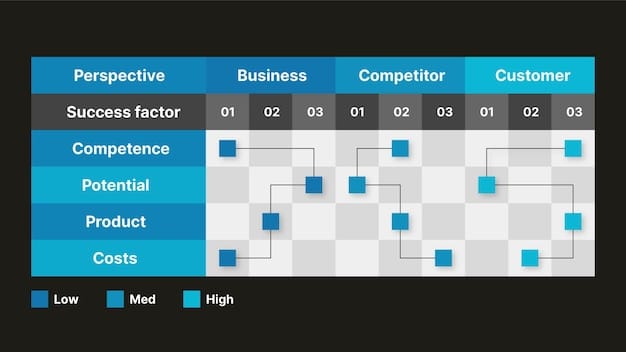
Key Considerations When Choosing Software
Choosing the right software for your business involves carefully evaluating several factors. Don’t just jump at the shiniest new thing; think strategically about your business’s needs and future growth.
Here are some key considerations to keep in mind:
Define Your Requirements
Before even looking at specific software, clearly define what you need. What problems are you trying to solve? What features are essential? What integrations are necessary?
Assess Scalability
Will the software grow with your business? Consider your future needs and choose a solution that can handle increased volume and complexity.
Evaluate Integration Capabilities
Does the software integrate seamlessly with your existing systems? Integration is crucial for avoiding data silos and streamlining workflows.
- Ease of Use: Is the software intuitive and user-friendly?
- Security: Does the software meet your security requirements?
- Support: Is reliable customer support available?
Thoroughly researching and assessing these aspects for each potential alternative is crucial to optimizing the selection process and guaranteeing a good match to your company’s particular requirements and difficulties.
Top [Software Name] Alternatives for US Businesses
The software market is vast, and with so many options, choosing becomes difficult. Here we have curated some top alternatives to [Software Name] to help you choose what is right for your US business!
Here’s a brief rundown of a few leading [Software Name] alternatives:
Alternative 1: Solution A
Solution A offers a robust suite of features, potentially exceeding [Software Name] in terms of customization. It’s known for its excellent customer support and competitive pricing plans.
Solution A could be a great choice for the following businesses:
- Small to medium-sized businesses
- Businesses needing strong data analytics capabilities
- Businesses with a high need for customer support
Alternative 2: Solution B
Solution B is a cloud-based solution known for its ease of use and scalability. Its intuitive interface makes it ideal for businesses with limited technical expertise.
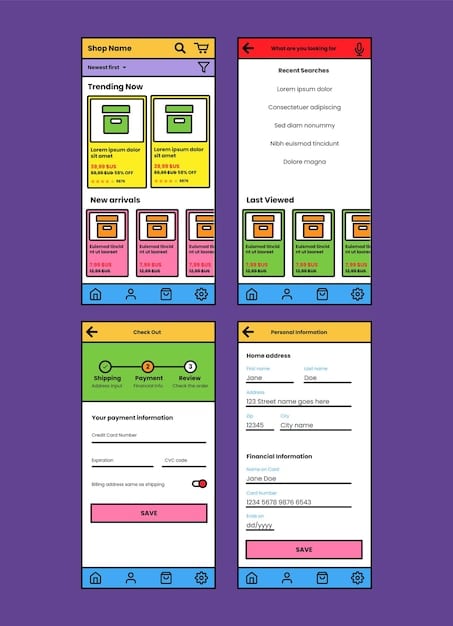
Alternative 3: Solution C
Solution C is a powerful alternative, particularly beneficial for major enterprises due to its extensive feature set and powerful reporting features.
For large corporations that need to manage a lot of data, this program is a good option because it can be adjusted to match specific business processes and demands.
Comparing Features and Pricing
Once you’ve identified a few potential alternatives, it’s time to compare their features and pricing in detail. This is where you’ll need to dig deeper and analyze the specific offerings of each solution.
It goes without saying that it is super important to analyze features and pricing to make the best choice for your business!
Feature Comparison
Create a side-by-side comparison of the key features of each software solution. This will help you identify which solution best meets your specific requirements.
Pricing Models
Understand the different pricing models offered by each vendor. Some may offer tiered pricing based on usage, while others may offer flat-rate plans.
Hidden Costs
Be sure to factor in any hidden costs, such as implementation fees, training costs, or add-on modules.
Implementation and Training
Switching software can be a complex process, and it’s important to plan for a smooth implementation and provide adequate training for your team.
Implementation and training can be crucial to your satisfaction with the choice you make, so be ready to put in the time and work.
Implementation Plan
It is vital to create your own implementation plan and schedule to get ready to implement new technology into your workflow. It is also crucial to assess the potential impact on current workflows.
Map out the steps required for a successful implementation, including data migration, system configuration, and testing.
Training Resources
When you are planning which software better suits your business, training should be a main concern. Ensure you have proper training resources to make sure everyone can use the new software!
Identify the training resources available from the vendor, such as online tutorials, webinars, or on-site training sessions.
Proper training ensures everyone is using the software! Training has huge benefits, such as:
- increased employee productivity
- smoother workflow
- better results
Making the Final Decision
After careful consideration of all the factors, it’s time to make a final decision. Weigh the pros and cons of each alternative and choose the solution that best aligns with your business needs and goals.
Choosing a software can be hard, so the final decision should be made with the right considerations in mind.
Consider a Trial Period
Take advantage of any trial periods offered by the vendors. This will allow you to test the software in a real-world environment before committing to a long-term contract.
Gather Feedback
Solicit feedback from your team. Their input can provide valuable insights and help you make a more informed decision.
Review the Contract
Just like that, before you are ready to commit to a long-term plan, you should definitely go over the contract and make sure you understand it!
| Key Point | Brief Description |
|---|---|
| ✅ Define Requirements | Clearly outline your business needs before evaluating alternatives. |
| 💰 Compare Pricing | Assess pricing models and hidden costs of different solutions. |
| 🧑💻 Plan Implementation | Develop a strategy for a smooth software transition. |
| 🤝 Gather Feedback | Involve your team in the decision-making process to ensure satisfaction. |
[FAQ Section]
Frequently Asked Questions
▼
Key factors include aligning with your business needs, scalability, integration with existing systems, ease of use, security, and customer support.
▼
Very important. You need to understand pricing structures and hidden costs to find a solution that fits your budget! Also consider any contract!
▼
If this is the case, you should try and work out this important part of your software use case; otherwise, you may have serious problems later down the line.
▼
Map out all the important steps to facilitate the new switch, which includes, system configuration, testing, and migration of data to the new system.
▼
Some top contenders include Solution A, known for its customization; Solution B, valued for its ease of use; and Solution C, which is effective for large enterprise management.
Conclusion
Finding the perfect software solution for your US business is a critical decision that can significantly impact your operations and success. When assessing your options, keep your goals, budget, and team’s input front and center to ensure you select a solution that will propel your business forward.