Software Review Analytics: Smart Investments 2026
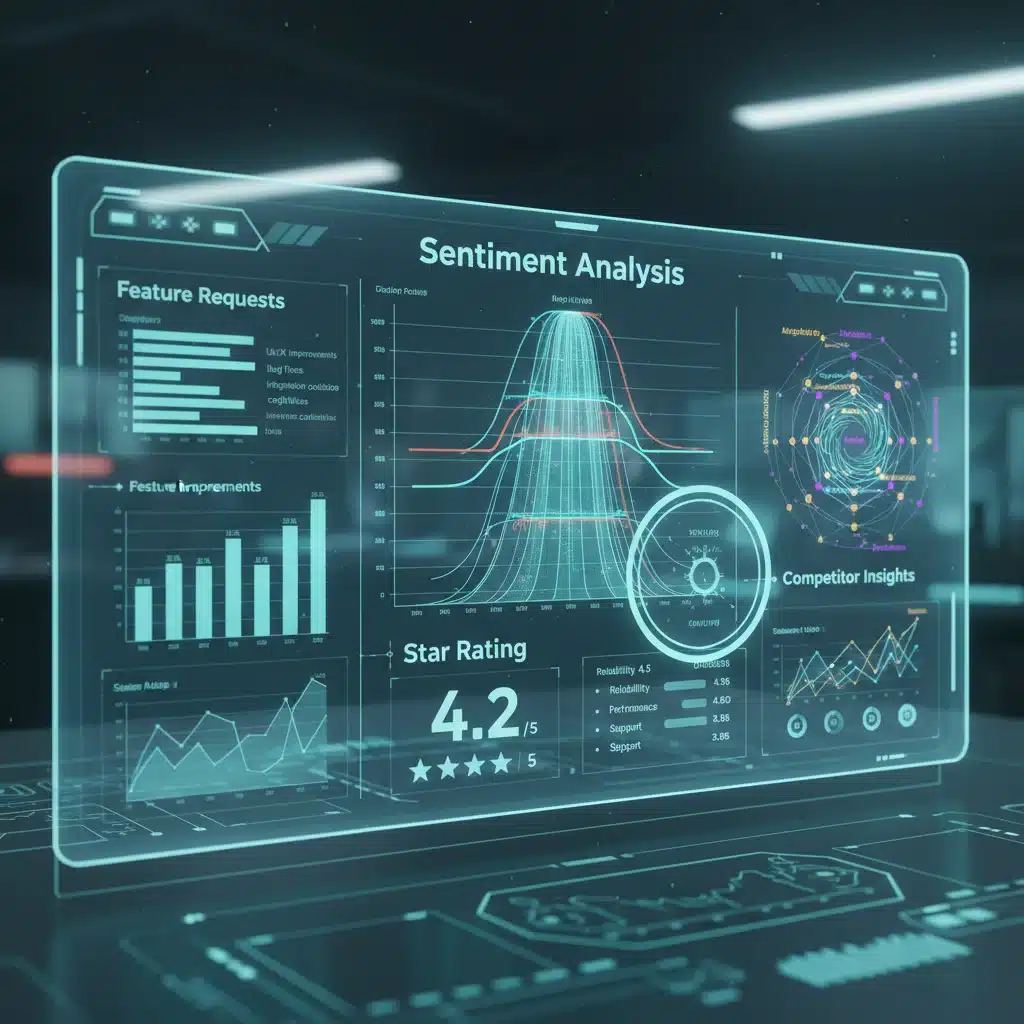
Beyond the Star Rating: A Deep Dive into Software Review Analytics for Smarter Investments in 2026
In the rapidly evolving landscape of technology, making informed investment decisions in software is more critical than ever. The year 2026 promises even greater complexity and competition, demanding a sophisticated approach that transcends superficial metrics. While star ratings have long served as a quick indicator of software quality, they often provide only a shallow understanding. To truly unlock the potential of a software product or market, investors and businesses must delve deeper, leveraging the power of software review analytics. This comprehensive guide will explore how advanced analytical techniques applied to user reviews can illuminate hidden insights, mitigate risks, and steer smarter investment strategies in the coming years.
The Limitations of Traditional Star Ratings
For years, the ubiquitous 5-star rating system has been the go-to metric for evaluating software. Whether on app stores, B2B review sites, or industry platforms, a higher star rating generally signifies a better product. However, this simplicity masks a multitude of limitations that can lead to flawed investment decisions:
- Lack of Granularity: A 4-star rating doesn’t tell you why it’s 4 stars. Is it due to a critical missing feature, poor customer support, or a minor UI glitch? The aggregate number provides no context.
- Bias and Manipulation: Ratings can be skewed by a small number of extremely positive or negative reviews. Furthermore, fake reviews, review bombing, or incentivized reviews can artificially inflate or deflate a product’s perceived quality.
- Outdated Information: Software evolves constantly. A high rating from three years ago might not reflect the current state of a product, especially if competitors have innovated significantly.
- Subjectivity: What one user considers a critical flaw, another might see as a minor inconvenience. Star ratings don’t differentiate between these subjective experiences.
- Absence of Future Trends: Star ratings are retrospective. They tell you about past performance, not emerging user needs or future market direction.
These limitations highlight the urgent need for a more robust analytical framework. This is where software review analytics steps in, transforming unstructured text data into actionable intelligence.
What is Software Review Analytics?
Software review analytics is the process of collecting, analyzing, and interpreting qualitative and quantitative data from user reviews to extract meaningful insights about software products. It goes far beyond simply averaging star ratings. Instead, it employs advanced techniques like Natural Language Processing (NLP), machine learning, and sentiment analysis to understand the nuances of user feedback. The goal is to identify patterns, sentiments, pain points, feature requests, and competitive advantages that are not immediately apparent from a numerical rating.
Key Components of Robust Software Review Analytics:
- Data Collection: Aggregating reviews from diverse sources such as app stores (Apple App Store, Google Play), software review platforms (G2, Capterra, Gartner Peer Insights), social media, forums, and customer support tickets.
- Text Preprocessing: Cleaning and preparing the raw text data by removing noise (e.g., emojis, special characters, irrelevant words), correcting spelling errors, and normalizing text for analysis.
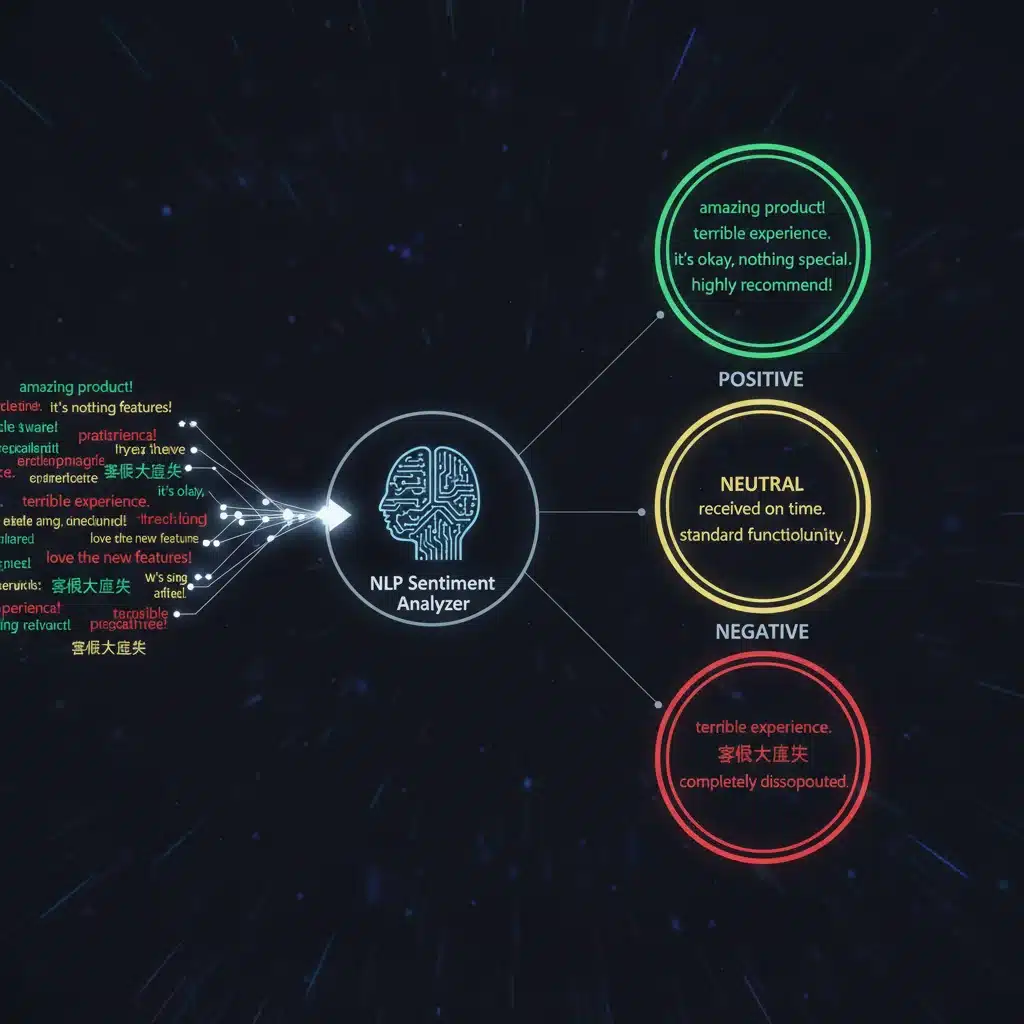
- Sentiment Analysis: Determining the emotional tone behind a review – positive, negative, or neutral. This can be done at a document level, sentence level, or even aspect level (e.g., “the UI is great,” “customer support is terrible”).
- Topic Modeling: Identifying recurring themes and topics within a large corpus of reviews. This helps in understanding what users are frequently discussing, whether it’s specific features, performance, pricing, or support.
- Feature Extraction & Prioritization: Automatically identifying mentions of specific software features and assessing their popularity, satisfaction levels, and common issues. This is crucial for product development roadmaps.
- Competitor Analysis: Comparing reviews of a specific software product against those of its competitors to identify strengths, weaknesses, and market positioning.
- Trend Analysis: Monitoring changes in sentiment, topics, and feature discussions over time to detect emerging issues, shifting user preferences, or the impact of recent updates.
- Root Cause Analysis: Pinpointing the underlying reasons for negative feedback or common problems, which can be invaluable for product improvement.
The Strategic Advantage for Investors in 2026
For investors looking to make strategic decisions in the software sector in 2026, embracing software review analytics offers a significant competitive edge. It allows for a more comprehensive and accurate assessment of a software company’s health, potential, and market fit.
1. Deeper Due Diligence and Risk Mitigation
Before committing capital, investors can use review analytics to conduct unparalleled due diligence. Instead of relying solely on financial statements and company presentations, they can gain direct insights into:
- Product-Market Fit: Are users genuinely solving their problems with this software? Analytics can reveal if the product addresses core needs or merely scratches the surface.
- Customer Churn Indicators: Recurring negative themes about bugs, poor support, or missing features can signal high churn rates and customer dissatisfaction, which directly impacts long-term revenue.
- Scalability Issues: Reviews sometimes reveal performance bottlenecks or difficulties in integrating with other systems, which could hinder a software’s ability to scale.
- Security Concerns: Mentions of data breaches, privacy issues, or vulnerabilities in reviews can be red flags for potential security risks.
By identifying these risks early, investors can negotiate better terms, demand specific improvements, or even avoid problematic investments altogether.
2. Identifying High-Growth Potential
Beyond risk mitigation, software review analytics is a powerful tool for uncovering hidden gems and high-growth opportunities:
- Emerging Feature Demands: Repeated requests for specific features across a broad user base can indicate an unmet market need that, if addressed, could drive significant growth.
- Positive Sentiment Spikes: A sudden increase in positive sentiment following a product update or new feature release can signal a successful innovation and potential for market expansion.
- Niche Market Dominance: Analytics can highlight software solutions that, while not universally popular, deeply satisfy a specific niche, indicating strong potential for focused investment.
- Competitive Gaps: By analyzing competitor reviews, investors can identify areas where existing solutions fall short, pointing to opportunities for new or improved software products.
3. Validating Investment Hypotheses
Investors often develop hypotheses about market trends or specific software capabilities. Review analytics provides empirical data to validate or refute these assumptions. For instance, if an investor believes that AI-powered automation is the next big thing in a particular sector, analyzing reviews for mentions of automation features and user satisfaction with them can confirm or challenge this hypothesis.
Implementing Software Review Analytics: Tools and Techniques in 2026
The field of software review analytics is rapidly advancing, with sophisticated tools and techniques becoming more accessible. In 2026, several approaches will be crucial for effective implementation:
1. Advanced NLP and Machine Learning
The backbone of modern review analytics is Natural Language Processing (NLP). Tools leveraging deep learning models can now:
- Contextual Sentiment Analysis: Understand sarcasm, irony, and nuanced emotional expressions beyond simple positive/negative labels.
- Aspect-Based Sentiment Analysis (ABSA): Pinpoint sentiment towards specific attributes of a product (e.g., “the UI is great, but the design is clunky”). This is far more powerful than overall sentiment.
- Named Entity Recognition (NER): Automatically identify and categorize key entities like product names, features, companies, and people mentioned in reviews.
- Intent Detection: Understand the user’s underlying intent behind a review, such as a feature request, a bug report, or a complaint about pricing.
2. AI-Powered Platforms
A growing number of AI-powered analytics platforms are emerging, offering end-to-end solutions for collecting, processing, and visualizing review data. These platforms often include:
- Automated Data Integration: Connectors to various review sites and app stores for continuous data ingestion.
- Customizable Dashboards: Visualizations that highlight key trends, sentiment scores, topic distributions, and competitive comparisons.
- Alert Systems: Notifications for sudden drops in sentiment, spikes in negative feedback related to specific issues, or emerging trends.
- Predictive Analytics: Some advanced platforms can even attempt to predict future churn or adoption rates based on current review patterns.
3. Human-in-the-Loop Validation
While AI is powerful, human oversight remains critical. A “human-in-the-loop” approach ensures accuracy, especially for complex or ambiguous reviews. Data scientists and domain experts can validate AI models, fine-tune classifications, and interpret nuanced insights that automated systems might miss.
4. Integration with Other Data Sources
For a holistic view, software review analytics should not operate in a silo. Integrating review data with other sources such as:
- Usage Analytics: Correlating review insights with actual user behavior within the software.
- Sales Data: Understanding how review sentiment impacts conversion rates or sales cycles.
- Support Tickets: Cross-referencing reported issues in reviews with formal support requests to identify critical pain points.
- Market Research Reports: Validating qualitative review insights with broader market trends.
This integrated approach provides a 360-degree view, leading to more robust investment decisions.
Challenges and Considerations for 2026
While the benefits of software review analytics are substantial, there are challenges to navigate:
- Data Volume and Velocity: The sheer volume and continuous influx of reviews require scalable infrastructure and efficient processing capabilities.
- Data Quality: Dealing with noisy, unstructured text, slang, abbreviations, and multilingual reviews requires sophisticated preprocessing.
- Contextual Understanding: Interpreting reviews accurately often requires domain-specific knowledge. A seemingly negative term in one context might be positive in another.
- Bias in Reviews: Users who leave reviews are often self-selected, potentially introducing bias. Extremely happy or extremely unhappy users are more likely to post.
- Privacy and Ethics: Ensuring compliance with data privacy regulations (e.g., GDPR, CCPA) when collecting and analyzing user-generated content is paramount.
- Cost of Implementation: Setting up and maintaining a robust analytics infrastructure, including specialized tools and skilled personnel, can be a significant investment.
Addressing these challenges requires a strategic approach, often involving a combination of in-house expertise and specialized third-party solutions.
Real-World Applications for Smarter Investments
Let’s consider how software review analytics can be applied in practical investment scenarios:
Scenario 1: Evaluating a SaaS Startup for Acquisition
An investment firm is considering acquiring a promising SaaS startup. Beyond financial metrics, they use review analytics to:
- Assess Product Stickiness: Analyze recurring themes of customer loyalty, ease of use, and integration capabilities mentioned positively.
- Identify Competitive Threats: Compare the startup’s reviews against its primary competitors, noting where the startup excels and where rivals are gaining ground in features or support.
- Uncover Hidden Technical Debt: Frequent complaints about bugs, slow performance, or system crashes, even if not immediately visible in financial reports, could indicate underlying technical debt that will require significant future investment to fix.
- Gauge Innovation Potential: Look for positive sentiment around recent feature releases and frequent requests for features aligned with the startup’s roadmap, indicating a receptive user base for future innovations.
Scenario 2: Portfolio Management for a Venture Capital Fund
A VC fund wants to monitor the health and growth trajectory of its portfolio software companies. Review analytics provides a real-time pulse:
- Early Warning System: A sudden downturn in sentiment or an increase in critical feature complaints can alert the fund to potential issues before they impact financial performance, allowing for proactive intervention.
- Benchmarking Performance: Comparing the review performance of different portfolio companies against each other and against market leaders helps identify underperformers or those with exceptional growth.
- Identifying Cross-Selling Opportunities: Insights into what users like or dislike about one product might suggest opportunities to integrate features or cross-sell other portfolio products.
Scenario 3: Market Entry Strategy for a New Software Product
A company is planning to launch a new software product in 2026. Prior to launch, they use review analytics on existing competitors to:
- Pinpoint Market Gaps: Identify features or aspects where existing solutions consistently receive negative feedback or where users express unmet needs. This informs product differentiation.
- Understand Customer Expectations: Gauge what users value most in similar software, helping to prioritize features and messaging for the new product.
- Optimize Pricing Strategy: Reviews often contain discussions about pricing fairness or value for money, which can inform competitive pricing.
The Future of Software Investment: A Data-Driven Ecosystem
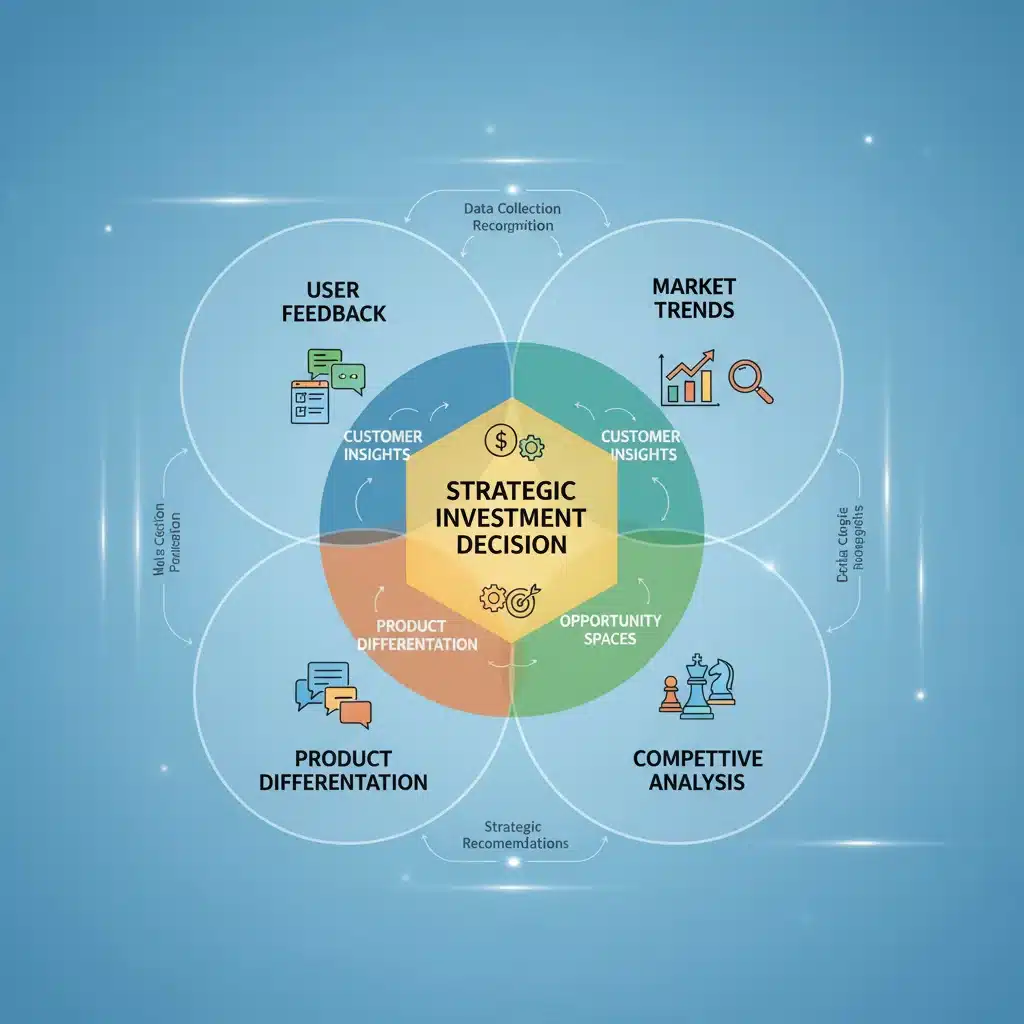
As we move deeper into 2026 and beyond, the role of software review analytics will only grow. It will become an indispensable part of a broader data-driven investment ecosystem. Imagine a future where:
- Predictive Models are Standard: AI models can accurately predict future software adoption, churn, and revenue growth based on real-time review sentiment and feature velocity.
- Automated Investment Alerts: Investors receive automated alerts when a software product’s review sentiment crosses certain thresholds, indicating a potential buy or sell opportunity.
- Personalized Investment Portfolios: Analytics tools can suggest software investments tailored to an investor’s risk appetite and industry focus, based on deep dives into user satisfaction and market trends.
- Ethical AI in Review Analysis: Greater emphasis on ethical AI practices to ensure fairness, transparency, and the prevention of bias in review analysis, building trust in the insights generated.
This data-rich environment will empower investors to move with greater speed, precision, and confidence, transforming the landscape of software investment from an art into a highly sophisticated science.
Conclusion
The days of relying solely on star ratings for software evaluation are rapidly fading. In 2026, and the years that follow, success in software investment will hinge on the ability to extract deep, actionable insights from the vast ocean of user feedback. Software review analytics provides the lens through which investors can truly understand product-market fit, identify growth opportunities, mitigate risks, and validate their hypotheses. By embracing advanced NLP, machine learning, and comprehensive data integration, businesses and investors can navigate the complexities of the software market with unparalleled intelligence, making smarter, more strategic decisions that drive sustainable success.
The future of software investment is not just about what a product does, but how users truly feel about it, and software review analytics is the key to unlocking that profound understanding.