Navigating Software Review Standards: 2026 Buying Guide

Recent Updates to Software Review Standards: What They Mean for Your Purchase Decisions in the Next 6 Months of 2026.
In the rapidly evolving landscape of technology, staying informed about the latest software is paramount. However, with an ever-increasing deluge of options, distinguishing genuine, reliable software from subpar offerings has become a significant challenge. This is where software reviews play a critical role, serving as a compass for consumers and businesses alike. But just as software itself evolves, so do the standards by which it is evaluated. The next six months of 2026 promise a significant shift in how we perceive and rely on software review standards. Understanding these changes is not merely an academic exercise; it is essential for making informed, strategic purchase decisions that can impact your productivity, security, and overall digital experience.
The digital marketplace is rife with both legitimate insights and misleading information. As we move further into 2026, the need for robust, transparent, and credible software review standards has never been more pressing. Recent updates reflect a collective effort by industry bodies, consumer advocacy groups, and leading review platforms to combat issues such as fake reviews, biased endorsements, and inadequate testing methodologies. These changes aim to elevate the quality and trustworthiness of reviews, ultimately empowering you to make better choices. This comprehensive guide will delve into these critical updates, explain their implications, and provide actionable advice to help you navigate the complex world of software purchasing in the coming months. We will explore how these new software review standards will shape your decisions, ensuring that every investment you make in software is a sound one.
The Shifting Landscape of Software Review Standards: Why Now?
The impetus behind these recent updates to software review standards is multifaceted. For years, the digital review ecosystem has grappled with several persistent issues. One of the most significant challenges has been the proliferation of fake reviews, often generated by bots or paid actors, designed to artificially inflate a product’s rating or unfairly tarnish a competitor’s reputation. This practice erodes consumer trust and makes it incredibly difficult for genuine users to find accurate information. Another concern has been the lack of standardization in review methodologies. Different platforms often employ varying criteria, leading to inconsistent evaluations and making direct comparisons between software products a complex task.
Furthermore, the increasing sophistication of software, particularly in areas like AI, cybersecurity, and cloud computing, demands more rigorous and specialized review processes. Generic reviews that merely touch upon surface-level features are no longer sufficient to assess the true value, security, and long-term viability of advanced software solutions. The rapid pace of technological innovation means that software features, performance, and vulnerabilities can change quickly, necessitating more frequent and dynamic review updates. The 2026 updates to software review standards are a direct response to these challenges, aiming to create a more reliable, transparent, and comprehensive review environment.
The ‘why now’ also relates to increased regulatory scrutiny and consumer demand for transparency. Governments and consumer protection agencies worldwide are becoming more proactive in addressing deceptive practices in online reviews. Simultaneously, consumers, having become savvier digital citizens, are demanding greater accountability from review platforms and software vendors. These converging forces have created an opportune moment for a significant overhaul of how software is reviewed and presented to the public. Understanding these underlying motivations helps contextualize the changes and underscores their importance for your software purchase decisions in the coming months.
Key Pillars of the New Software Review Standards for 2026
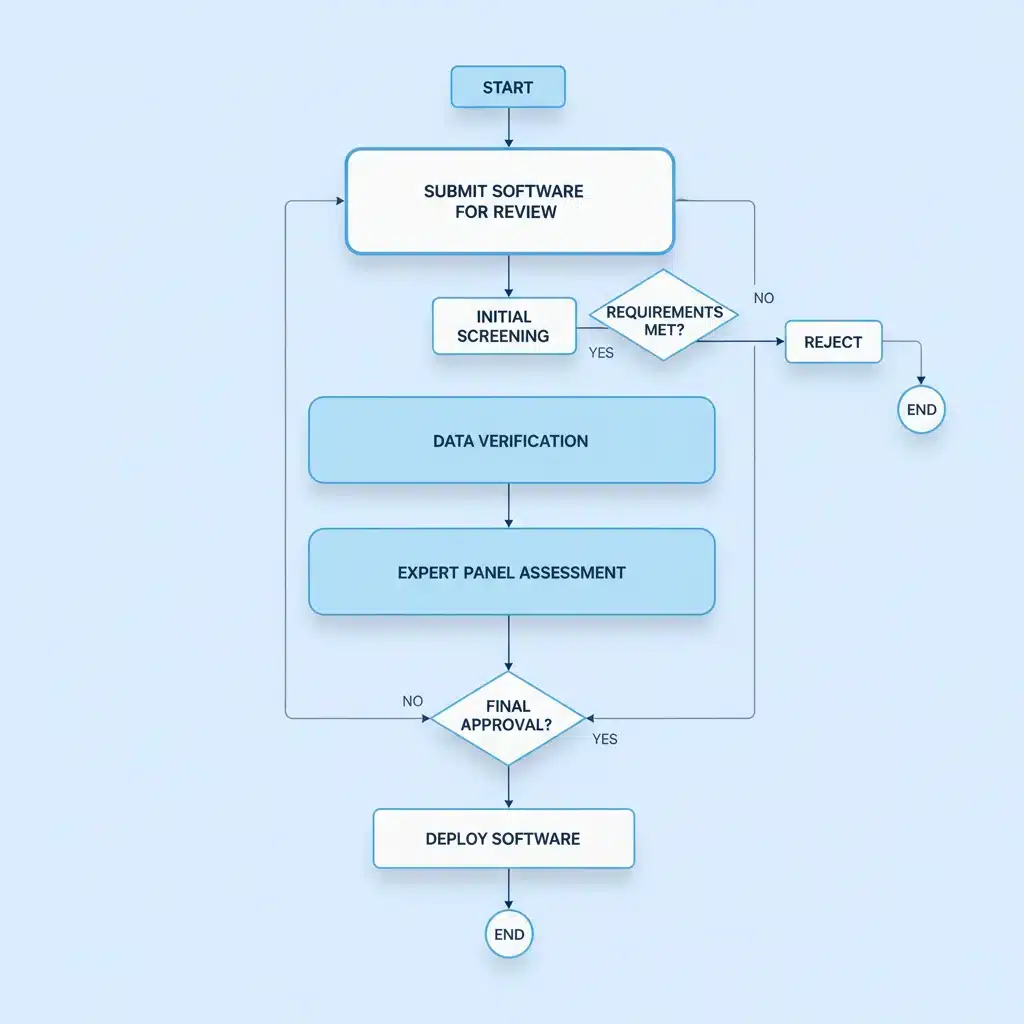
The revamped software review standards for 2026 are built upon several foundational pillars designed to enhance credibility, accuracy, and relevance. These pillars represent a concerted effort to address past shortcomings and establish a more robust framework for evaluating software. Let’s delve into each of these critical components:
- Enhanced Verification Processes for Reviewers: A cornerstone of the new standards is the stringent verification of reviewer identity and experience. Anonymous or unverified reviews will carry less weight, if they are even permitted. Platforms are implementing advanced algorithms and, in some cases, manual checks to confirm that reviewers are genuine users with actual experience of the software they are reviewing. This might involve linking reviews to verified purchases, corporate licenses, or authenticated user accounts. The goal is to drastically reduce the impact of fake reviews and ensure that feedback comes from legitimate sources.
- Standardized Evaluation Criteria and Methodologies: To address the inconsistency issue, there’s a push towards more standardized evaluation criteria across major review platforms. This means that certain core aspects of software – such as performance, security, usability, customer support, and integration capabilities – will be assessed using a common set of metrics or guidelines. While individual platforms may still have unique elements, the underlying framework will be more consistent, allowing for more reliable comparisons. This standardization extends to the methodologies used for testing, encouraging a move towards more objective and repeatable procedures.
- Emphasis on Expert and Professional Reviews: While user reviews remain valuable, the new standards place a greater emphasis on reviews conducted by recognized industry experts, certified professionals, and independent testing labs. These expert reviews often involve deeper technical analysis, rigorous stress testing, and a more nuanced understanding of the software’s capabilities and limitations within specific industry contexts. Platforms are developing mechanisms to highlight and give more prominence to these authoritative sources, helping users cut through the noise.
- Transparency in Review Sourcing and Sponsorship: A critical update is the increased demand for transparency regarding review sourcing and any potential sponsorships. Review platforms and content creators will be required to clearly disclose if a review is sponsored, if the reviewer received a free product or compensation, or if there’s any affiliation with the software vendor. This ensures that users are aware of potential biases and can evaluate the review content accordingly. The aim is to foster an environment where hidden agendas are minimized, and trust is built on openness.
- Regular Review Updates and Lifecycle Management: Software is not static, and neither should its reviews be. The new standards advocate for a more dynamic approach to reviews, requiring platforms to encourage and facilitate regular updates to reviews as software versions change. Furthermore, there will be mechanisms to flag or archive reviews for older, deprecated software versions, ensuring that users are always looking at the most current and relevant information. This lifecycle management of reviews is vital for products that undergo frequent updates and iterations.
- Focus on Data Privacy and Security Assessments: With increasing concerns about data privacy and cybersecurity, the new standards mandate that reviews pay significant attention to these critical aspects. Software evaluations will now routinely include assessments of a product’s data handling practices, compliance with privacy regulations (like GDPR, CCPA), and its overall security architecture. This ensures that users are not just buying functional software but also secure and privacy-respecting solutions.
These pillars collectively form a more robust and trustworthy foundation for software evaluation. As a consumer, understanding these changes will empower you to discern high-quality, credible reviews from less reliable ones, leading to more confident and effective purchase decisions in the next six months of 2026.
What These Updates Mean for Your Purchase Decisions in the Next 6 Months
The implementation of these updated software review standards is not just a theoretical shift; it has direct, tangible implications for how you will approach software purchases in the coming months of 2026. Being aware of these impacts will allow you to adapt your buying strategies and leverage the new system to your advantage.
Increased Reliability and Trustworthiness of Reviews
Perhaps the most significant benefit of the new software review standards is the anticipated increase in the overall reliability and trustworthiness of reviews. With more stringent verification processes for reviewers and a greater emphasis on transparency, you can expect to encounter fewer fake or overtly biased reviews. This means that the aggregate ratings and detailed feedback you find on reputable platforms will be a more accurate reflection of a software product’s true quality and user experience. You’ll spend less time sifting through dubious claims and more time focusing on genuine insights, making your research process more efficient and effective.
Easier Comparisons Between Software Products
The push for standardized evaluation criteria will simplify the process of comparing different software solutions. When multiple products are assessed against similar metrics for performance, security, and usability, it becomes much easier to weigh their pros and cons on an apples-to-apples basis. This standardization will be particularly beneficial for businesses evaluating complex enterprise software, where feature sets can be vast and nuanced. You’ll be able to quickly identify which products excel in areas most critical to your needs, streamlining your decision-making.
Greater Emphasis on Data Privacy and Security
Given the heightened focus on data privacy and security assessments within the new software review standards, you will find that reviews offer more in-depth information about these crucial aspects. This is a game-changer for individuals and organizations alike. Before, you might have had to dig deep into privacy policies or conduct your own security audits. Now, reviews will explicitly address how software handles your data, its compliance with regulations, and its security features. This empowers you to make choices that not only meet your functional requirements but also align with your privacy preferences and security mandates, reducing potential risks associated with data breaches or non-compliance.
Access to More In-depth and Expert Opinions
The increased prominence of expert and professional reviews means you’ll have access to more sophisticated analyses of software. These reviews often go beyond basic functionality, exploring technical architecture, scalability, integration potential, and long-term support. For specialized software or critical business applications, these expert insights are invaluable. They can help you understand the deeper implications of a software choice, anticipate future challenges, and ensure the solution you select is truly fit for purpose, not just for today but for the foreseeable future. This depth of analysis can save you from costly mistakes down the line.
Need for Continuous Engagement with Review Platforms
With the emphasis on regular review updates and lifecycle management, your purchasing strategy will need to become more dynamic. Instead of relying on a single snapshot of reviews, you’ll benefit from continuously engaging with review platforms, especially for software you use frequently or are considering for long-term adoption. This ensures you’re always acting on the most current information, taking into account recent feature additions, bug fixes, or even changes in customer support quality. Your purchase decisions will be better informed by the evolving nature of software itself.
Strategies for Making Informed Purchase Decisions in 2026
Navigating the updated software review standards requires a refined approach to your purchasing decisions. Here are actionable strategies to help you leverage these changes and make smarter software choices in the next six months of 2026:
- Prioritize Verified Reviews and Reviewer Credentials: Always look for indicators of verified reviews. Many platforms now explicitly label reviews from confirmed users or those linked to actual purchases. Pay attention to reviewer profiles: do they have a history of reviewing similar products? Are they identified as industry experts or professionals? Prioritizing these verified and credentialed sources will significantly increase the reliability of the information you gather.
- Cross-Reference Information Across Multiple Reputable Platforms: While standards are becoming more consistent, no single platform holds a monopoly on truth. Make it a habit to consult reviews across several well-known and reputable review sites. Look for common themes, recurring praises, and consistent criticisms. Discrepancies should prompt further investigation. This cross-referencing approach helps to mitigate any lingering biases or platform-specific eccentricities.
- Focus on Specific Use Cases and Features Relevant to You: Don’t get lost in the sheer volume of reviews. Instead, filter and focus on reviews that address your specific needs and intended use cases. If you need software for project management, look for reviews that detail its project management features, collaboration tools, and reporting capabilities. Generic positive reviews might be less helpful than a detailed review from someone with a similar professional background or business requirement.
- Evaluate Data Privacy and Security Claims Critically: With the new emphasis on privacy and security, don’t just skim these sections. Delve into what the reviews say about data encryption, compliance certifications, and how personal information is handled. If the software deals with sensitive data, consider seeking out expert cybersecurity reviews or consulting independent security audits, if available.
- Look for Recent Reviews and Version-Specific Feedback: Software updates frequently. Ensure that the reviews you are reading are recent and, ideally, refer to the current version of the software you are considering. Older reviews, while potentially offering historical context, may not accurately reflect the current state of the product, especially if it has undergone significant overhauls or feature additions.
- Don’t Overlook the Negative Reviews (But Read Them Critically): While positive reviews are encouraging, negative reviews often provide the most valuable insights into potential pitfalls, bugs, or areas where the software underperforms. However, read them critically. Is the criticism legitimate and well-substantiated, or does it seem to stem from user error or unrealistic expectations? Look for patterns in negative feedback to identify systemic issues.
- Utilize Free Trials and Demos Extensively: Reviews are powerful, but nothing beats hands-on experience. Whenever possible, take advantage of free trials, demos, or freemium versions of software. This allows you to test the software in your own environment, with your own data, and assess its usability and fit for your specific workflows before committing to a purchase. It’s the ultimate form of personal validation, complementing the insights gained from reviews.
- Engage with User Communities and Forums: Beyond formal review platforms, active user communities and online forums can be a goldmine of information. Here, you can find real-world discussions, troubleshooting advice, and honest opinions from long-term users. These platforms offer a more dynamic and interactive way to understand the user experience and the level of support available for a particular software.
- Consider the Vendor’s Responsiveness to Feedback: How does the software vendor respond to reviews, particularly critical ones? A vendor that actively engages with feedback, offers solutions, and demonstrates a commitment to improving their product based on user input is often a good sign. This indicates a proactive approach to customer satisfaction and product development.
By integrating these strategies into your software purchasing process, you will be well-equipped to navigate the updated software review standards of 2026. These methods will help you cut through the noise, identify truly valuable software, and make decisions that contribute positively to your personal or organizational goals.
Challenges and Future Outlook of Software Review Standards
While the recent updates to software review standards represent a significant step forward, the journey towards a perfectly transparent and reliable review ecosystem is ongoing. Several challenges remain, and understanding them helps set realistic expectations for the future of software evaluation.
Ongoing Battle Against Sophisticated Fake Review Tactics
The fight against fake reviews is a continuous arms race. As review platforms implement more sophisticated verification methods, those engaged in generating fake reviews will undoubtedly develop new tactics to circumvent these measures. This means that platforms and consumers alike must remain vigilant. Constant innovation in AI-driven detection systems and proactive moderation will be necessary to maintain the integrity of reviews. The evolution of generative AI, for instance, could make it even harder to distinguish human-written reviews from AI-generated ones, posing a new frontier in this battle.
Balancing Objectivity with User Experience
A perennial challenge is striking the right balance between objective, data-driven evaluations and the subjective nuances of user experience. While standardized metrics are crucial, software often evokes strong personal preferences based on interface design, workflow compatibility, and even brand loyalty. The new standards aim to integrate both, but achieving a perfect equilibrium where all aspects are fairly represented remains a complex task. Future iterations of review standards may explore more sophisticated ways to capture and present subjective user feedback alongside objective performance data.

Adaptation to Emerging Technologies
The rapid pace of technological innovation means that review standards must be agile and adaptable. How do you review software that utilizes quantum computing, advanced neural networks, or immersive VR/AR interfaces? Traditional review methodologies may not be sufficient for these cutting-edge technologies. Future updates will need to continuously evolve to encompass new paradigms of software, requiring specialized expertise and novel evaluation criteria. This constant need for adaptation ensures that reviews remain relevant in a fast-changing tech landscape.
Global Harmonization of Standards
While efforts are being made to standardize review processes, achieving global harmonization remains a significant challenge. Different regions may have varying legal requirements, cultural expectations, and market dynamics that influence how software is reviewed and perceived. Working towards a more globally consistent set of software review standards would greatly benefit international consumers and businesses, but it requires extensive collaboration among diverse stakeholders.
The Role of AI in Future Review Systems
Looking beyond the next six months, artificial intelligence is poised to play an even more transformative role in software review systems. AI could be used not only for detecting fake reviews but also for analyzing vast amounts of user feedback to identify trends, summarize key insights, and even predict future software performance based on historical data. AI-powered review assistants could help users filter reviews more effectively, providing personalized recommendations based on their specific needs and preferences. However, the ethical implications of AI in review generation and analysis will also need careful consideration.
Continuous Education for Consumers
Ultimately, the effectiveness of any updated software review standards hinges on consumer awareness and education. As review processes become more sophisticated, consumers will need to understand how to interpret the new information, recognize verified sources, and apply critical thinking to their decision-making. Ongoing efforts to educate the public about best practices for using software reviews will be crucial for maximizing the benefits of these advancements.
The next six months of 2026 will be a pivotal period for software evaluation. By understanding these challenges and looking ahead, both review platforms and consumers can work together to foster an environment where software choices are consistently informed, reliable, and ultimately, beneficial.
Conclusion: Empowering Your Software Purchases in 2026
The recent updates to software review standards mark a significant and necessary evolution in how we evaluate and purchase digital products. As we navigate the remainder of 2026, these changes are poised to create a more transparent, reliable, and trustworthy ecosystem for software reviews. For you, the consumer or business decision-maker, this translates into a powerful opportunity to make more informed and strategic purchase decisions than ever before.
By understanding the new pillars of these standards—from enhanced reviewer verification and standardized evaluation criteria to a heightened focus on data privacy and the integration of expert opinions—you are better equipped to discern genuine insights from mere noise. The shift towards dynamic, regularly updated reviews means that your purchasing strategy must also become more agile, continuously engaging with the latest information to ensure your software investments remain sound and relevant.
Embrace the strategies outlined in this guide: prioritize verified sources, cross-reference information, focus on your specific use cases, and critically evaluate claims about security and privacy. Leverage free trials and engage with user communities to gain firsthand experience and complementary perspectives. By doing so, you won’t just be reacting to the market; you’ll be proactively selecting software that truly meets your needs, enhances your productivity, and safeguards your digital presence.
The future of software purchasing in 2026 is one where credibility and transparency are paramount. By adapting to these evolving software review standards, you empower yourself to make smarter, more confident software choices, ensuring that every click, download, and installation contributes positively to your digital journey. Stay informed, stay critical, and purchase wisely.