Supply Chain Security: Third-Party Risk Protection
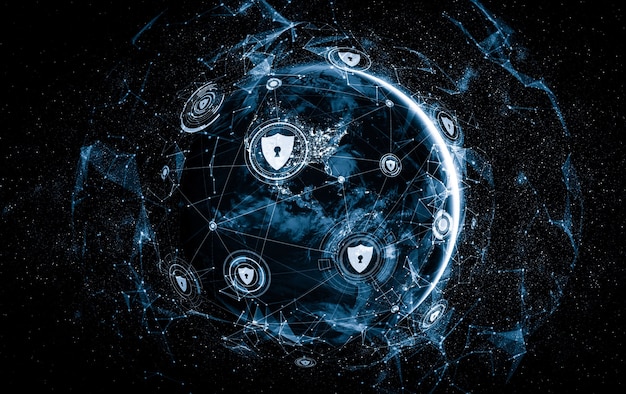
Supply Chain Security involves implementing strategies to protect your business from vulnerabilities and threats arising from third-party relationships, ensuring data and operational integrity.
In today’s interconnected business environment, supply chain security is paramount. Businesses must proactively safeguard their operations against potential risks stemming from third-party involvements.
Understanding Supply Chain Security Risks
Supply chain security risks extend beyond direct suppliers, encompassing a wide network of vendors, distributors, and partners. Understanding these risks is the first step towards building a resilient security posture.
These risks can manifest in many forms, from data breaches and intellectual property theft to disruptions caused by geopolitical instability or natural disasters. A comprehensive understanding allows organizations to pinpoint vulnerabilities and implement targeted safeguards.
Common Third-Party Risks
Several common risks emerge in supply chain relationships. These include inadequate security practices, lack of transparency, and reliance on vulnerable technologies.
Effective supply chain security requires continuous monitoring and assessment of third-party practices to proactively address potential threats.
- Data Breaches: Third parties handling sensitive data may become targets for cyberattacks, exposing your organization’s information.
- Compliance Violations: Non-compliance with industry regulations by a third party can lead to legal and financial repercussions for your business.
- Operational Disruptions: Disruptions at a supplier’s facility or within their network can halt your production and impact customer service.
- Reputational Damage: Negative incidents involving a third party, such as unethical labor practices or environmental violations, can tarnish your brand’s reputation.
By recognizing these common risks, organizations can tailor their security strategies and mitigate their impact. It’s about being proactive and vigilant.
Developing a Robust Supply Chain Security Strategy
A robust supply chain security strategy requires a multifaceted approach. This includes establishing clear security policies, conducting thorough risk assessments, and implementing ongoing monitoring procedures.
Moreover, it’s essential to foster collaboration and communication with third-party partners. This ensures everyone is aligned in promoting a secure and resilient supply chain.

Key Strategy Components
Several components are instrumental in developing an effective approach to secure supply chains. These elements span strategy development, implementation, and continuous improvement.
Each component builds upon the others, creating a synergistic effect that delivers enhanced security and resilience across the extended enterprise. This continuous cycle of improvement is key to long-term success.
- Risk Assessment: Conducting regular assessments to identify potential weaknesses in your supply chain.
- Policy Enforcement: Establishing and enforcing clear security policies for all third-party partners.
- Continuous Monitoring: Implementing tools and processes for ongoing monitoring of third-party compliance and performance.
- Incident Response: Developing a comprehensive plan for responding to security incidents and data breaches.
Integrating these strategy components provides a strong foundation, enabling your organization to protect its operations and data effectively.
Implementing Third-Party Risk Management
Effective third-party risk management (TPRM) is a crucial element of supply chain security. This involves a comprehensive approach to identifying, assessing, and mitigating risks associated with your vendors and partners.
A well-designed TPRM program should encompass the entire lifecycle of the relationship, from onboarding and due diligence to ongoing monitoring and offboarding.
TPRM Best Practices
Focusing on these practices streamlines the Third Party Risk Management and keeps the organization and the third-party in accordance with the standards.
These range from setting the standards for the third-party agreements to establishing what the best steps should be in the case of an infringement.
- Due Diligence: Thoroughly vetting potential third parties before establishing any business relationship.
- Contractual Obligations: Defining clear security requirements and expectations in contracts with third parties.
- Security Audits: Conducting periodic audits to assess third-party compliance with security standards.
- Performance Monitoring: Tracking and evaluating third-party performance against defined security metrics.
By adhering to these best practices, organizations can minimize risk and ensure the integrity of their supply chains.
Leveraging Technology for Enhanced Security
Technology plays a vital role in bolstering supply chain security. From advanced threat detection systems to secure communication portals, the right tools can enhance visibility and control over your extended supply chain.
Furthermore, technologies like blockchain and AI offer novel ways to improve transparency and traceability, thus strengthening security in the supply chain.
Technology Solutions
Several technology based solutions can improve the security within the supply chain, and prevent most issues that may emerge.
These solutions offer the option of keeping track of all the stages, improving the security and also the possibility of detecting an attack.
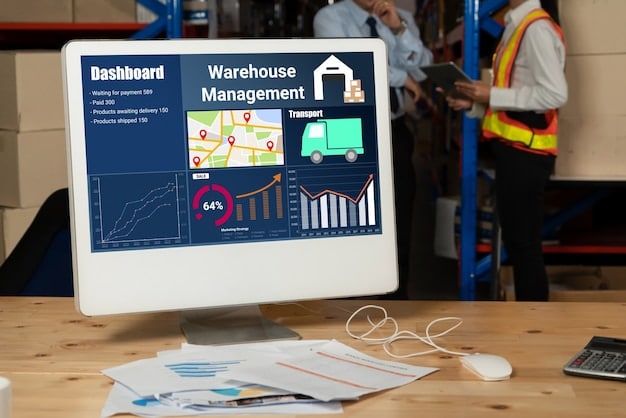
- Threat Intelligence Platforms: Gather and analyze threat data to proactively identify potential risks in your supply chain.
- Security Information and Event Management (SIEM) Systems: Monitor and analyze security events across your network and third-party systems.
- Blockchain Technology: Create a tamper-proof and transparent record of transactions and data exchanges.
- AI-Powered Security Analytics: Use artificial intelligence to detect anomalies and suspicious activity in your supply chain.
Utilizing these technology solutions can provide a significant advantage in protecting your supply chain from evolving threats.
Training and Awareness Programs
Effective supply chain security relies on well-trained personnel who understand the risks and know how to respond. Investing in comprehensive training and awareness programs is a crucial step.
These programs should cover a range of topics, from recognizing phishing attempts to adhering to security policies. It is a great choice to provide these programs through the use of diverse approaches.
Key Components of Training Programs
Training is the first and one of the most important steps towards having a secure supply chain. Creating the necessary awareness is a great investment.
Training can be achieved through diverse means such as conferences, meetings and one on one personal approaches.
- Phishing Awareness: Teach employees how to recognize and avoid phishing emails and other social engineering tactics.
- Data Security Best Practices: Provide training on proper data handling, storage, and disposal procedures.
- Incident Reporting Protocols: Ensure everyone knows how to report security incidents and suspicious activities.
- Policy Compliance: Educate employees and third parties on the organization’s security policies and compliance requirements.
Regular training and awareness campaigns reinforce a security-conscious culture, reducing the likelihood of human error and insider threats.
Future Trends in Supply Chain Security
As technology advances and the threat landscape evolves, supply chain security will continue to adapt. Staying abreast of emerging trends is essential for maintaining a robust security posture.
From the growing use of IoT devices to the increasing reliance on cloud services, organizations must anticipate and prepare for the challenges ahead.
Emerging Trends
Some trends have come to affect and change the importance of supply chain security.
These trends include the emergence of new technologies, changes to the already used tech and the new threats that arise.
- Zero Trust Architecture: Implementing a security model that assumes no user or device is trusted by default.
- Cybersecurity Mesh Architecture (CSMA): Integrates discrete security infrastructure to create a collaborative and flexible security approach.
- Supply Chain Visibility Tools: Employing advanced analytics and data visualization to gain real-time insights into supply chain operations.
- Automated Risk Management: Utilizing AI and machine learning to automate risk assessments and incident response.
By embracing these emerging trends, organizations can enhance their preparedness and resilience in the face of evolving threats.
Embracing change and evolution is a must to be on the top to protect the company.
| Key Aspect | Brief Description |
|---|---|
| 🛡️ Risk Management | Identifying/mitigating supply chain vulnerabilities. |
| 🤝 Vendor Vetting | Thorough vetting of third-party vendors vital. |
| ⚙️ Tech Integration | Using technology for enhanced security. |
| 🧑🏫 Training Programs | Train employees to prevent diverse types of cyberattacks. |
FAQ
▼
Supply chain security involves protecting your business from risks and vulnerabilities related to third parties. It ensures data and operational integrity.
▼
Common risks include data breaches, compliance violations, operational disruptions, and reputational damage. Always secure your company’s data.
▼
Businesses can enhance security through risk assessments, policy enforcement, continuous monitoring, and incident response planning. Protect confidential data.
▼
TPRM practices include due diligence, contractual obligations, security audits, and performance monitoring. Protect your data and that of your users.
▼
Technologies like threat intelligence platforms, blockchain, security analytics, and SIEM systems play key roles. Always investigate the reputation of the tools used.
Conclusion
Prioritizing supply chain security is not just beneficial—it’s crucial. By vigilantly managing third-party risks, firms can maintain operational integrity, safeguard sensitive data, and defend their brand reputation in an increasingly interconnected and hazardous digital environment. Secure the necessary means to do so.