The Future of Software Category: Expert Predictions & Reviews for 2025 in US

The Future of [Software Category]: Expert Predictions and Software Reviews for 2025 in US will be shaped by AI-driven automation, enhanced cybersecurity measures, cloud-native architectures, and greater emphasis on user experience and data privacy, as leading software aims to integrate these advanced trends.
As we approach 2025, understanding the trajectory of software solutions becomes crucial for businesses and individuals alike. This article delves into The Future of [Software Category]: Expert Predictions and Software Reviews for 2025 in US, exploring emerging trends and providing insights to help you stay ahead.
The Rise of AI-Powered Software
Artificial intelligence is no longer a futuristic concept; it’s rapidly transforming the software landscape. By 2025, we can expect AI to be deeply integrated into [Software Category], enhancing automation, personalization, and decision-making capabilities. This integration will lead to more efficient and intuitive software solutions.
AI-Driven Automation
One of the key advancements will be in AI-driven automation. Software will be able to handle routine tasks, freeing up human employees to focus on more strategic and creative work. This will significantly boost productivity and reduce operational costs.
Personalized User Experiences
AI will also enable highly personalized user experiences. Software will adapt to individual user behaviors and preferences, providing customized interfaces and recommendations. This level of personalization will greatly improve user satisfaction and engagement.
- AI-powered chatbots for instant customer support
- Predictive analytics for proactive problem-solving
- Automated data analysis for actionable insights
Looking ahead, the adoption of AI in [Software Category] promises to revolutionize how businesses operate and interact with their customers. The key will be for developers and businesses to embrace these technologies and integrate them effectively into their workflows.
Cybersecurity: A Paramount Concern
As software becomes increasingly interconnected, cybersecurity remains a top priority. The future of [Software Category] will heavily rely on robust security measures to protect sensitive data and prevent cyberattacks. Here’s a look at what to expect in terms of cybersecurity in the coming years.
Enhanced Threat Detection
Advanced threat detection systems will be crucial. These systems will leverage AI and machine learning to identify and mitigate potential threats in real-time, providing a proactive defense against cyberattacks.
Data Encryption and Privacy
Data encryption and privacy measures will become more sophisticated. Software will need to comply with stringent data protection regulations, such as GDPR and CCPA, ensuring user data is securely stored and processed.
By 2025, integrating strong cybersecurity protocols will be not only best practice but a necessity for maintaining trust and compliance in the software ecosystem.
Cloud-Native Architectures Dominate
Cloud-native architectures are set to become the norm for [Software Category]. These architectures offer scalability, flexibility, and cost-effectiveness, making them an attractive option for businesses of all sizes. Here’s how cloud-native architectures will shape the future of software.
Microservices and Containerization
Microservices and containerization (Docker, Kubernetes) will be widely adopted. These technologies allow software to be broken down into smaller, independent components that can be deployed and scaled independently, enhancing resilience and agility.
Serverless Computing
Serverless computing will gain more traction. Serverless platforms enable developers to focus on writing code without worrying about server management, further streamlining the development process and reducing operational overhead.
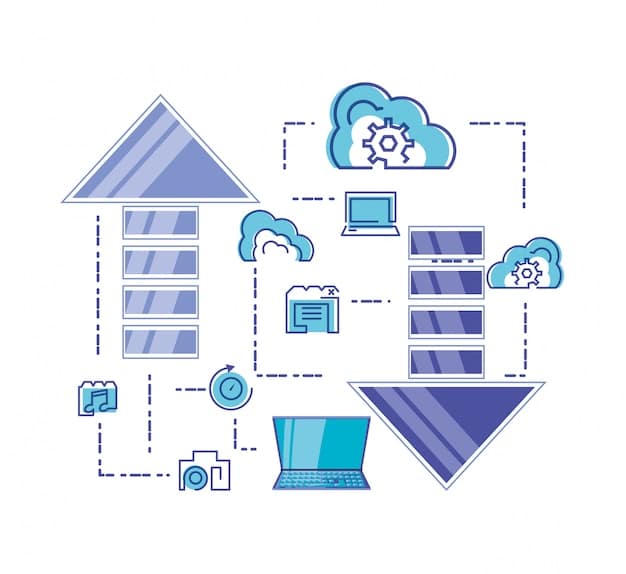
- Improved scalability to handle growing user demands
- Faster deployment cycles for continuous integration and delivery
- Reduced infrastructure costs through efficient resource utilization
The transition to cloud-native architectures will empower businesses to innovate faster and deliver better software solutions. However, it’s important to consider challenges such as vendor lock-in and security when adopting these technologies.
The Focus on User Experience (UX)
User experience (UX) will be a critical differentiator in the future of [Software Category]. Software that offers intuitive, engaging, and seamless experiences will have a competitive edge. Here are some UX trends to watch out for.
Intuitive Interfaces
Clean and intuitive interfaces will be prioritized. Software will be designed to be easy to use and navigate, minimizing the learning curve and maximizing user satisfaction.
Accessibility and Inclusivity
Accessibility and inclusivity will be key considerations. Software will be developed to be accessible to users of all abilities, complying with accessibility standards such as WCAG.
The emphasis on UX will drive developers to adopt human-centered design principles, ensuring software meets the needs and expectations of end-users.
Data Privacy and Compliance
In an era of increasing data breaches and privacy concerns, ensuring data privacy and compliance will be paramount for software providers. The standards for data handling will continue to evolve and become more stringent.
End-to-End Encryption
Implementing end-to-end encryption will be essential. This ensures that data is protected from unauthorized access during transmission and storage, reducing the risk of data breaches.
Transparency and User Control
Providing transparency and user control over data will be crucial. Users will need to have clear visibility into how their data is being used and the ability to control their privacy settings.
Software companies that prioritize data privacy and compliance will build trust with their users and maintain a strong reputation in the market. This includes adhering to regulations like GDPR, CCPA, and any subsequent updates to relevant legal frameworks.
Software Reviews and Selection in 2025
With numerous [Software Category] options available, making informed decisions will be more critical than ever. Software reviews will play a significant role in helping users choose the best solutions that align with their needs and goals.
Expert Reviews and Ratings
Expert reviews and ratings will continue to be a trusted source of information. Independent reviews from industry experts will provide valuable insights into the capabilities, performance, and usability of different software products.
User-Generated Reviews
User-generated reviews will gain more importance. Real-world feedback from actual users will offer practical insights into the pros and cons of different software solutions, helping potential customers make well-informed decisions.
AI-Powered Review Analysis
AI-powered review analysis will become more prevalent. AI algorithms will analyze large volumes of user reviews to identify key themes, sentiment, and trends, providing a comprehensive overview of software performance.
In the future, potential customers will have access to more sophisticated tools and resources to evaluate software options. By leveraging expert reviews, user feedback, and AI-driven analysis, they can make more effective decisions and select the best software solutions for their specific needs.
| Key Point | Brief Description |
|---|---|
| 🤖 AI Integration | AI optimizes automation, personalization, and decision-making. |
| 🛡️ Cybersecurity | Advanced systems protect data from threats. |
| ☁️ Cloud-Native | Cloud architectures enable scalability and flexibility. |
| ✨ User Experience | Intuitive interfaces enhance user satisfaction. |
Frequently Asked Questions
▼
AI will automate routine coding and testing tasks, allowing developers to concentrate on complex and creative work. The process will be made more efficient by implementing AI in the workflow of the business.
▼
Multi-factor authentication, end-to-end data encryption, and enhanced threat detection systems will be crucial. These security measures can easily be implemented, making software more secure.
▼
Cloud-native architecture provides heightened scalability, flexibility and cost-effectiveness. This architecture enables software and applications to be accessed anywhere and through any device needed.
▼
Interfaces will become more intuitive and personalized, focusing on accessibility and inclusivity. This way, a wider variety of clients and customers will be able to access the applications required.
▼
Look for insights from expert reviews, actual user feedback, and AI-driven analysis reports. This well-rounded set of insights will help business owners come to their most accurate and beneficial decision.
Conclusion
The future of [Software Category] in the US by 2025 will be defined by AI integration, heightened cybersecurity, streamlined cloud-native applications, and the necessity of user-friendly design. Staying current with these advancements and using careful software reviews helps business owners ensure they’re prepared for shifts within the tech landscape.