The Impact of AI on Photography: Smartphones as Smart Cameras
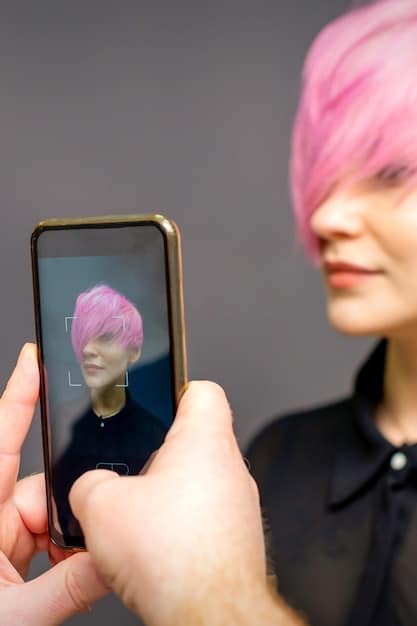
The impact of AI on photography is transforming smartphones into sophisticated cameras, enhancing image quality, automating complex tasks, and offering users unprecedented creative control.
The rise of artificial intelligence has profoundly changed various aspects of our lives, and photography is no exception. The impact of AI on photography: How smartphones are becoming smarter cameras is a fascinating evolution, turning everyday devices into powerful tools for capturing and enhancing images.
The Evolution of Smartphone Photography
Smartphone photography has come a long way since its humble beginnings. Initially, mobile phone cameras were basic, producing images of low quality. However, with advancements in technology, smartphones have evolved into devices capable of rivaling traditional cameras in many scenarios. This evolution is largely due to the integration of AI, which has revolutionized how smartphones capture and process images.
AI’s role in smartphone photography extends beyond just improving image quality. It involves automating complex tasks, providing real-time enhancements, and offering users tools that were once only available to professional photographers. Let’s explore how AI has reshaped smartphone photography, turning these devices into smarter cameras.
Early Days of Mobile Photography
The early days of mobile photography were marked by limitations. Low-resolution sensors, poor image processing, and lack of advanced features meant that mobile phone cameras were primarily used for casual snapshots. Image quality was often compromised, especially in low-light conditions. The limited dynamic range made it difficult to capture scenes with varying levels of brightness.
The Turning Point: Computational Photography
The introduction of computational photography marked a significant turning point. This approach leverages advanced algorithms and processing power to overcome the limitations of traditional camera hardware. By capturing multiple images and merging them into a single, high-quality photo, computational photography enhances details, reduces noise, and improves overall image quality. This innovation laid the groundwork for AI’s integration into smartphone cameras.
In summary, the evolution of smartphone photography from basic cameras to sophisticated imaging devices is a testament to technological advancement. The integration of AI has further propelled this evolution, enabling smartphones to capture stunning images and offer users unprecedented creative control.
How AI Enhances Image Quality
One of the most significant impacts of AI on smartphone photography is the enhancement of image quality. AI algorithms work tirelessly behind the scenes to optimize various aspects of image capture, resulting in photos that are sharper, more vibrant, and clearer than ever before. These enhancements are achieved through a combination of techniques, including noise reduction, dynamic range optimization, and detail enhancement.
AI’s ability to analyze and improve images in real-time has transformed smartphones into powerful photography tools. Let’s delve into the specific ways AI enhances image quality in smartphones.
- Noise Reduction: AI algorithms can effectively reduce noise in images, especially in low-light conditions. By identifying and removing unwanted artifacts, AI ensures that photos remain clear and detailed, even when captured in challenging environments.
- Dynamic Range Optimization: AI enables smartphones to capture a wider dynamic range, allowing them to accurately represent both bright and dark areas in a scene. This results in photos with better contrast and more natural-looking colors.
- Detail Enhancement: AI algorithms can enhance the fine details in images, making them sharper and more defined. This is particularly useful for capturing intricate textures and patterns, ensuring that every detail is preserved.
In conclusion, AI’s role in enhancing image quality is undeniable. Through techniques like noise reduction, dynamic range optimization, and detail enhancement, AI transforms smartphones into powerful tools for capturing high-quality images in various conditions.
AI-Powered Scene Recognition and Optimization
AI-powered scene recognition and optimization is a game-changer in smartphone photography. This technology allows smartphones to intelligently identify the scene being photographed and automatically adjust camera settings to achieve the best possible results. Whether you’re capturing a portrait, landscape, or macro shot, AI ensures that your photos are optimized for the specific scenario.
The real-time scene recognition and optimization offered by AI streamline the photography experience, making it easier than ever for users to capture stunning images. Let’s explore the various scenes AI can recognize and how it optimizes camera settings for each.
Common Scenes Recognized by AI
AI algorithms are trained to recognize a wide range of scenes, including but not limited to:
- Portraits: AI can identify faces and optimize settings for portrait shots, enhancing skin tones and blurring the background for a professional look.
- Landscapes: AI can detect landscapes and adjust settings to capture the vastness and beauty of natural scenery, enhancing colors and details.
- Food: AI can recognize food and optimize settings to make dishes look appetizing, enhancing colors and textures.
- Night Scenes: AI can identify low-light conditions and optimize settings for night shots, reducing noise and increasing brightness.
How AI Optimizes Camera Settings
Based on the recognized scene, AI adjusts various camera settings to achieve the best possible results. These adjustments may include:
- Exposure: AI adjusts the exposure to ensure that the image is neither too dark nor too bright, capturing the perfect balance of light.
- Focus: AI optimizes the focus to ensure that the subject is sharp and clear, creating a professional-looking image.
- White Balance: AI adjusts the white balance to ensure that colors are accurate and natural, capturing the true essence of the scene.
In summary, AI-powered scene recognition and optimization transform smartphones into intelligent photography tools. By automatically recognizing scenes and adjusting camera settings, AI simplifies the photography process and ensures that users capture stunning images in any scenario.
The Role of AI in Portrait Mode
Portrait mode has become a staple feature in modern smartphones, and AI plays a crucial role in its functionality. This mode allows users to capture images with a blurred background, creating a shallow depth of field effect that was once only achievable with professional cameras. AI algorithms analyze the scene, identify the subject, and precisely blur the background to create a stunning portrait.
AI’s ability to accurately identify and isolate subjects in real-time has made portrait mode a user-friendly and effective tool for capturing professional-looking portraits. Let’s explore the various aspects of AI’s role in portrait mode.
AI-Powered Subject Detection
At the heart of portrait mode is AI-powered subject detection. AI algorithms are trained to identify human faces and bodies with remarkable accuracy. This allows smartphones to distinguish between the subject and the background, enabling precise blurring.
Real-Time Bokeh Effects
AI generates realistic bokeh effects, which are the aesthetically pleasing blurred areas in the background. By simulating the depth of field of a professional camera lens, AI creates a natural and visually appealing portrait. The intensity of the blur can often be adjusted by the user, providing greater creative control.
AI continuously refines and improves portrait mode, delivering more accurate subject detection and realistic bokeh effects. This ensures that users can capture stunning portraits with ease, transforming smartphones into powerful portrait photography tools.
In conclusion, the role of AI in portrait mode is essential. Through AI-powered subject detection and real-time bokeh effects, smartphones allow users to capture high-quality portraits with a shallow depth of field, once only achievable with professional equipment.
Enhancing Low-Light Photography with AI
Low-light photography has always been a challenge for smartphone cameras due to their small sensors and limited light-gathering capabilities. However, AI has revolutionized low-light photography, enabling smartphones to capture clear and detailed images even in dark environments. AI algorithms work to reduce noise, increase brightness, and enhance details, resulting in photos that were once impossible to capture with a smartphone.
AI’s role in low-light photography has transformed smartphones into versatile imaging devices, capable of capturing stunning images in any lighting condition. Let’s explore the various techniques employed by AI to enhance low-light photography.
Night Mode and AI Algorithms
Many smartphones now feature a dedicated night mode, which leverages AI algorithms to capture exceptional low-light photos. Night mode typically involves capturing multiple images over a few seconds and merging them into a single, enhanced photo. AI algorithms analyze each image, reduce noise, and align details, resulting in a brighter and clearer image.
Computational Photography Techniques
AI employs various computational photography techniques to enhance low-light images, including:
- Multi-Frame Processing: AI combines multiple frames to reduce noise and increase detail, resulting in a clearer image.
- Pixel Binning: AI combines multiple pixels into one larger pixel, increasing light sensitivity and reducing noise.
- Smart HDR: AI optimizes the dynamic range to ensure that both bright and dark areas are accurately represented, capturing the full range of tones in the scene.
In summary, AI has revolutionized low-light photography, enabling smartphones to capture clear and detailed images in dark environments. Through night mode and various computational photography techniques, AI addresses common challenges like noise and limited brightness, transforming smartphones into powerful low-light imaging devices.
Future Trends in AI and Smartphone Photography
The integration of AI into smartphone photography is an ongoing process, with continuous advancements and innovations on the horizon. As AI technology evolves, we can expect even more impressive capabilities and features in future smartphones. These advancements will likely include improvements in image quality, enhanced scene recognition, and new creative tools.
The future of AI in smartphone photography is bright, with potential advancements that could further blur the line between smartphone and professional camera capabilities. Let’s explore some of the trends to watch in the coming years.
Advanced Computational Photography
Future smartphones will leverage even more advanced computational photography techniques, enabling them to capture images of incredible quality. These techniques may include:
- Super-Resolution Imaging: AI will enhance image resolution beyond the physical limitations of the sensor, creating images with incredible detail.
- Real-Time Semantic Segmentation: AI will segment images in real-time, allowing for customized enhancements to specific parts of the scene.
- AI-Powered Editing Tools: AI will provide users with powerful editing tools that automate complex tasks and offer creative suggestions, streamlining the post-processing workflow.
Personalized Photography Experiences
AI will increasingly personalize the photography experience, tailoring camera settings and editing suggestions to individual preferences and shooting styles. This will make smartphone photography more intuitive and user-friendly, enabling users to capture images that reflect their unique vision.
To summarize, the future of AI in smartphone photography holds tremendous potential. With advancements in computational photography and personalized experiences, smartphones will continue to evolve into powerful and intelligent imaging devices. This will empower users to capture stunning images and express their creativity like never before.
| Key Feature | Brief Description |
|---|---|
| 📸 AI Scene Recognition | Automatically optimizes camera settings for various scenes. |
| 🌃 AI Night Mode | Improves low-light photography with noise reduction and detail enhancement. |
| 👤 AI Portrait Mode | Creates blurred backgrounds for professional-looking portraits. |
| ✨ AI Image Enhancement | Enhances image quality through noise reduction, dynamic range optimization, and detail enhancement. |
AI enhances smartphone photography by optimizing camera settings, reducing noise, enhancing details, and recognizing scenes to capture the best possible images. AI-powered scene recognition allows smartphones to identify the scene being photographed and automatically adjust camera settings for optimal results, such as portraits or landscapes. AI improves low-light photography by using night mode, multi-frame processing, and pixel binning to reduce noise and increase brightness in dark environments. AI powers subject detection and generates bokeh effects in portrait mode, allowing smartphones to capture professional-looking portraits with blurred backgrounds. Future trends include advanced computational photography techniques, super-resolution imaging, real-time semantic segmentation, and AI-powered editing tools for personalized photography experiences. In conclusion, the integration of AI has revolutionized smartphone photography, turning everyday devices into powerful and intelligent imaging tools. From enhancing image quality to optimizing camera settings and providing creative tools, AI has transformed how we capture and share our world through smartphones. As AI technology is continuously advancing, the smartphones are becoming smarter and more capable to compete with the professionals cameras.
▼
▼
▼
▼
▼Conclusion