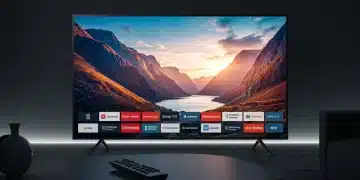
The Ultimate Guide to Setting Up a Smart Home Theater System in 2025
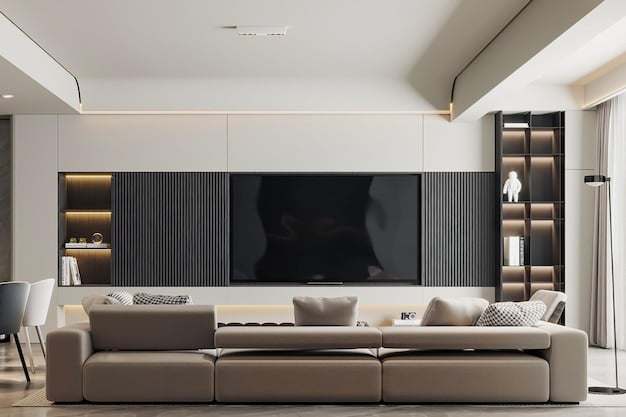
Setting up a smart home theater system in 2025 involves integrating the latest advancements in display technology, audio systems, smart home hubs, and streaming services to create a seamless and immersive entertainment experience.
Ready to transform your living room into a cinematic paradise? This ultimate guide to setting up a smart home theater system in 2025 will walk you through every step, from choosing the right components to integrating them seamlessly with your smart home ecosystem. Get ready for an unparalleled entertainment experience.
Understanding the Core Components of a Smart Home Theater
Creating a truly immersive smart home theater requires careful consideration of several key components. Each element plays a vital role in delivering both stunning visuals and crystal-clear audio, all while being seamlessly integrated with your smart home ecosystem.
Display Technology: Choosing the Right Screen
The heart of any home theater is the display. In 2025, you’ll be faced with a variety of options, each with its own strengths and weaknesses.
- OLED TVs: Offer perfect blacks and incredible contrast, making them ideal for dark room viewing.
- QLED TVs: Provide vibrant colors and excellent brightness, performing well even in brightly lit rooms.
- Projectors: Can create a truly cinematic experience with massive screen sizes, but require a dedicated dark room.
Audio Systems: Immersive Soundscapes
A great visual experience is only half the battle. To truly immerse yourself in the movie or game, you need a high-quality audio system.
- Soundbars: A simple and elegant solution for improving your TV’s audio, with some models offering virtual surround sound.
- AV Receivers and Speakers: A more complex but rewarding solution, allowing you to create a full surround sound system with discrete speakers.
- Dolby Atmos: A cutting-edge audio technology that adds height channels to your surround sound, creating a truly three-dimensional soundscape.
Selecting the right components is crucial for putting together a smart home theater system. Think about the size of your room, how much natural light there is, and how committed you are to a full cinematic experience when selecting your audio system and the display technology.
Integrating Smart Home Hubs for Seamless Control
The “smart” in “smart home theater” comes from integrating your components with a smart home hub. This allows you to control everything from a single interface, making your entertainment experience more convenient and enjoyable.
Popular Smart Home Hub Options
Several smart home hubs are available, each with its own strengths and weaknesses. Some of the most popular options include:
- Amazon Alexa: A versatile hub with excellent voice control capabilities and a wide range of compatible devices.
- Google Assistant: Similar to Alexa, but with closer integration with Google’s ecosystem of services.
- Apple HomeKit: A secure and privacy-focused hub that integrates seamlessly with Apple devices.
Setting Up Your Smart Home Hub
Once you’ve chosen a smart home hub, setting it up is usually a straightforward process. Simply follow the manufacturer’s instructions to connect the hub to your Wi-Fi network and pair it with your smart home devices. Be sure that all of the parts of your smart home theatre are connected to the hub so that you can manage them wirelessly and intelligently.

By integrating your smart home theater components with a hub, you can change the volume, turn down the lights, and start a movie all with your voice or a few taps on your smartphone. This is what being seamless means.
Optimizing Your Home Theater for the Best Visual Experience
Even with the best display technology on the market, your home theater’s visual performance can be affected by external factors. Optimizing your environment can make a world of difference.
Controlling Ambient Light
Ambient light can wash out your screen and reduce contrast. Here are some tips for controlling ambient light:
- Blackout Curtains: Essential for blocking out sunlight.
- Dimmer Switches: Allow you to fine-tune the lighting in your room.
- Strategic Lighting Placement: Avoid placing lights directly in front of the screen.
Calibrating Your Display
Most TVs and projectors come with default settings that aren’t optimized for home theater viewing. Calibrating your display can improve color accuracy, contrast, and overall image quality.
Taking the time to optimize your home theater for the best visual experience will result in stunning and immersive images, whether you’re watching movies or are completely involved in a game.
Selecting the Right Audio Equipment for Immersive Sound
The audio component of your home theater is just as important as the picture. Consider these factors as you select your equipment to make sure your ears are happy.
Choosing Speakers and Placement
Choosing the right speakers and placing them properly is crucial for creating an immersive soundscape. Consider these factors:
- Speaker Type: Bookshelf speakers, floor-standing speakers, and in-wall speakers offer different levels of performance and aesthetics.
- Speaker Placement: Follow Dolby’s recommendations for speaker placement to create a realistic surround sound effect.
- Subwoofer Placement: Subwoofers do well when they are placed in the corner of a room. This intensifies the bass and fills the room with sound.
Setting Up Your Audio System
Once you’ve chosen your speakers and receiver, setting up your audio system is relatively straightforward. Connect your speakers to the receiver, and then connect the receiver to your TV or projector. Calibrating your audio system will result in an immersive and crystal clear soundstage.
Proper home theatre sound can make you believe that you are in the middle of the action.
Streaming Services and Content in 2025
In 2025, streaming services will be the primary source of content for most home theaters. Choosing the right streaming devices and services is crucial.
Popular Streaming Devices
Several streaming devices are available, each with its own strengths and weaknesses.
- Smart TVs: Most modern TVs come with built-in streaming apps.
- Streaming Sticks: Compact and affordable devices that plug directly into your TV’s HDMI port.
- Gaming Consoles: Offer access to streaming apps and games.
Choosing Streaming Services
With so many streaming services available, choosing the right ones can be overwhelming. Consider your viewing habits, budget, and content preferences.

Most streaming services now offer movies in 4K and HDR, so your home theater can truly shine via streaming services. Content is king, and it can really make a great home theatre system.
Future-Proofing Your Smart Home Theater Investment
Investing in a smart home theater is a significant undertaking. To ensure your investment lasts for years to come, it’s important to consider future-proofing your setup.
HDMI 2.1 and Beyond
HDMI 2.1 is the latest version of the HDMI standard, offering increased bandwidth and support for advanced features like 8K resolution and 120Hz refresh rates. Make sure your components support HDMI 2.1 to be ready for future content and devices.
Wireless Standards: Wi-Fi 6E and Beyond
The latest Wi-Fi standards, such as Wi-Fi 6E, offer faster speeds and improved reliability. Upgrading your Wi-Fi router can improve your streaming experience and ensure your smart home devices stay connected.
Future proofing your investment will allow you to experience the greatest home theatre technologies as long as possible. Upgrading to the latest HDMI and Wi-Fi standards ensures that your system can easily deliver everything your home theatre has to offer.
| Key Point | Brief Description |
|---|---|
| 📺 Display Technology | Choose between OLED, QLED, or Projectors for optimal viewing. |
| 🔊 Audio Systems | Integrate soundbars, AV receivers, and Dolby Atmos for immersive sound. |
| 💡 Smart Home Hubs | Use Amazon Alexa, Google Assistant, or Apple HomeKit for unified control. |
| 📡 Streaming Services | Utilize smart TVs and streaming sticks to access desired content. |
Frequently Asked Questions
▼
The display is crucial, whether it’s an OLED TV, a QLED TV, or a projector. Audio equipment is also an important component. Selecting the right one will help you get crystal clear and immersive sounds.
▼
Consider your existing smart home ecosystem. If you use many Apple devices, HomeKit might be best. If you rely on Amazon, Alexa is a logical choice. Choose based on best integration.
▼
Use blackout curtains to block sunlight. Dimmer switches will allow you to fine tune. Finally, be sure to strategically place your lights so that they aren’t distracting when enjoying content.
▼
HDMI 2.1 is the newest version of HDMI. It gives you improved bandwidth and supports 8K resolution, making it a requirement in order to enjoy modern devices and content. Upgrade now!
▼
It depends on preferences, but Disney+ and Netflix are crucial in order to get all the Disney, Marvel, Pixar, and Star Wars content – and other movies and shows. Shop around for what’s best for you.
Conclusion
Setting up a smart home theater system in 2025 is an exciting endeavor that combines cutting-edge technology with personalized entertainment. By carefully selecting your components, integrating a smart home hub, and optimizing your viewing environment, you can create an immersive and enjoyable entertainment experience for yourself and your family. So, grab some popcorn, dim the lights, and prepare to be transported to another world!