Time-tracking Software 2025: Boost US Employee Productivity

Boosting productivity for US employees in 2025 requires effective time-tracking software; this review identifies the best options to monitor work hours, streamline project management, and optimize workforce efficiency.
In today’s fast-paced business environment, optimizing productivity is crucial for success, and for US employers, accurate time-tracking is an ideal avenue for that. Discover how the boosting productivity: a review of the best time-tracking software for US employees in 2025 can transform your business operations, enhance employee accountability, and drive efficiency to new heights.
Top Time-Tracking Software in 2025: An Overview
Time-tracking software is an essential tool for businesses of all sizes, specifically for those in the US, looking to optimize workforce management and improve overall productivity. Understanding how these platforms operate and the features they offer is key to selecting the right solution for your company.
By leveraging time-tracking technology, businesses can gain valuable insights into employee work habits, identify areas for improvement, and streamline processes, all of which contribute to a more efficient and productive work environment.
Key Features of Time-Tracking Software
The capabilities of time-tracking tools extend far beyond basic clock-in and clock-out functions, offering a suite of features designed to boost productivity and streamline workforce management. Here are some essential aspects to look for:
- Real-time tracking: Allows employers to monitor employee work hours as they happen, providing up-to-date insights into project progress and resource allocation.
- Project and task management: Enables businesses to track time spent on specific tasks and projects, facilitating accurate cost allocation and improving project budgeting.
- Reporting and analytics: Generates detailed reports on employee work patterns, highlighting areas of inefficiency and potential bottlenecks.
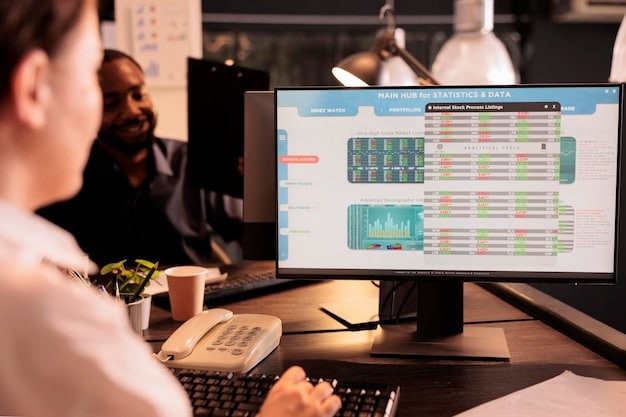
Choosing the appropriate time-tracking solution can provide detailed analytics and insight into time allocation that helps refine business operations and increase profitability.
Evaluating Time-Tracking Software: Criteria for US Businesses
Selecting the best time-tracking software for your US-based business requires a careful evaluation of various factors. The ideal software should align with your specific needs, budget, and technical capabilities. The following aspects can assist in the decision-making process:
Assess your organization’s requirements to ensure that the chosen software not only addresses current challenges but also scales with your future growth.
Factors to Consider When Choosing Software
There are several elements to take into account when shopping for time-tracking solutions.
- Ease of use: The software should be intuitive and user-friendly, ensuring that employees can easily adopt it without extensive training.
- Integration capabilities: Look for software that seamlessly integrates with your existing systems, such as payroll, project management, and accounting tools.
- Compliance: Ensure that the software adheres to US labor laws and regulations, including those related to overtime, breaks, and record-keeping.
Compatibility and conformity are important, as time-tracking software must comply with federal legal standards.
The Best Time-Tracking Software Options for 2025
In 2025, a range of time-tracking software options are available to US employers. Each software offers unique features and benefits, catering to different business needs and industries. We have identified some of the top contenders.
These platforms provide functionalities that streamline workforce management and increase productivity, which are critical to a successful modern business.
Clockify: Free and Versatile
One of the most popular free time-tracking tools, Clockify offers a range of features suitable for small businesses and freelancers. It includes:
- Unlimited users and projects: Ideal for growing businesses with varying needs.
- Task tracking: Facilitates tracking time spent on specific tasks and activities.
- Reporting: Provides detailed reports on employee productivity and project costs.
The scalability of Clockify makes it ideal for adapting to expanding entities and enterprises.
Toggl Track: Simple and User-Friendly
Toggl Track is known for its simplicity and ease of use, making it a great choice for teams that need a straightforward time-tracking solution. Its key features include:
- One-click tracking: Allows employees to start and stop tracking time with a single click.
- Project and client tracking: Helps businesses manage time spent on different projects and clients.
- Integrations: Integrates with various popular tools, such as Asana, Trello, and Slack.
The seamless integrations make Toggl Track a favorite for its smooth usability and easy coordination with third party applications.
Time Doctor: Advanced Monitoring and Accountability
Time Doctor offers more advanced features, such as screen monitoring and website tracking, making it suitable for businesses that require a higher level of accountability. Highlights of its features include:
- Screenshot monitoring: Randomly captures screenshots of employee screens to ensure productivity.
- Website and app tracking: Monitors the websites and applications employees use during work hours.
- Time-use reports: Provides detailed reports on how employees spend their time.
The advanced monitoring function makes Time Doctor appropriate to industries requiring a greater level of employee observation.
Enhancing Productivity with Optimized Time Management
Effective time management is a cornerstone of productivity in any organization. Time-tracking software plays a vital role in helping employees and managers optimize their work habits, leading to better outcomes.
By implementing time-tracking tools, businesses can empower their teams to manage their time more effectively, identify time-wasting activities, and focus on high-value tasks.
Benefits of Improved Time Management
The advantages of improved time management extend beyond individual productivity. The organization also benefits.
- Increased efficiency: When employees are more aware of how they spend their time, they can prioritize tasks and work more efficiently.
- Reduced costs: Accurate time-tracking helps businesses allocate resources effectively, reducing labor costs and improving project profitability.
- Improved employee satisfaction: When employees feel in control of their time, this helps with motivation and job satisfaction.
Therefore, using time management software brings benefits to all areas of a business.
Strategies for Successful Time-Tracking Implementation
Implementing time-tracking software successfully requires careful planning and execution. It’s essential to get employee buy-in, provide adequate training, and establish clear guidelines for usage.
A well-thought-out implementation strategy can minimize resistance and maximize the benefits of time-tracking software, which includes efficiency and profitability.
Best Practices for Time-Tracking Implementation
In order to assure that time-tracking software is used successfully, it’s also important to be thorough. Here are some measures to take into account.
- Communicate the benefits: Clearly communicate the benefits of time-tracking to employees, such as improved project management, fairer workload distribution, and increased opportunities for recognition.
- Provide training: Offer comprehensive training on how to use the software effectively, ensuring that employees understand its features and functionalities.
- Establish guidelines: Develop clear guidelines on how time-tracking data will be used, emphasizing its role in improving productivity and not as a tool for micromanagement.
These considerations will contribute to a smooth and optimized use of the time-tracking software.
| Key Point | Brief Description |
|---|---|
| ⏱️ Real-time Tracking | Monitors employee work hours as they happen. |
| 📊 Reporting & Analytics | Generates detailed reports on work patterns. |
| ✔️ Improved Efficiency | Optimizes task prioritization and work habits. |
| ⚖️ Compliance | Ensures adherence to US labor laws and regulations. |
Frequently Asked Questions
▼
Time-tracking software helps businesses monitor employee work hours, optimize project management, improve productivity, and ensure compliance with labor laws. It also provides valuable insights into workforce efficiency and resource allocation.
▼
Consider your business size, specific needs, budget, technical capabilities, and compliance requirements. Look for software that is easy to use, integrates with your existing systems, and offers the features most relevant to your operations.
▼
Yes, time-tracking software is highly beneficial for remote teams. It helps monitor remote employee productivity, manage project timelines, and ensure fair compensation for work hours, regardless of physical location.
▼
Yes, time-tracking software can improve employee satisfaction by providing transparency in workload distribution, ensuring fair compensation, and allowing employees to manage their time effectively, leading to a better work-life balance.
▼
Communicate the benefits to employees, provide comprehensive training, establish clear guidelines for usage, and emphasize that the software is intended to improve productivity, not micromanage. Get feedback and adjust as required.
Conclusion
In conclusion, selecting and implementing the right time-tracking software can significantly enhance productivity and streamline operations for businesses in the US in 2025. By evaluating available options, considering key features, and following best practices for implementation, companies can optimize workforce management, reduce costs, and improve overall performance. These tools are not just about monitoring time; they’re about empowering employees and improving how businesses operate.