Updates on geopolitical risks to global trade: what to know
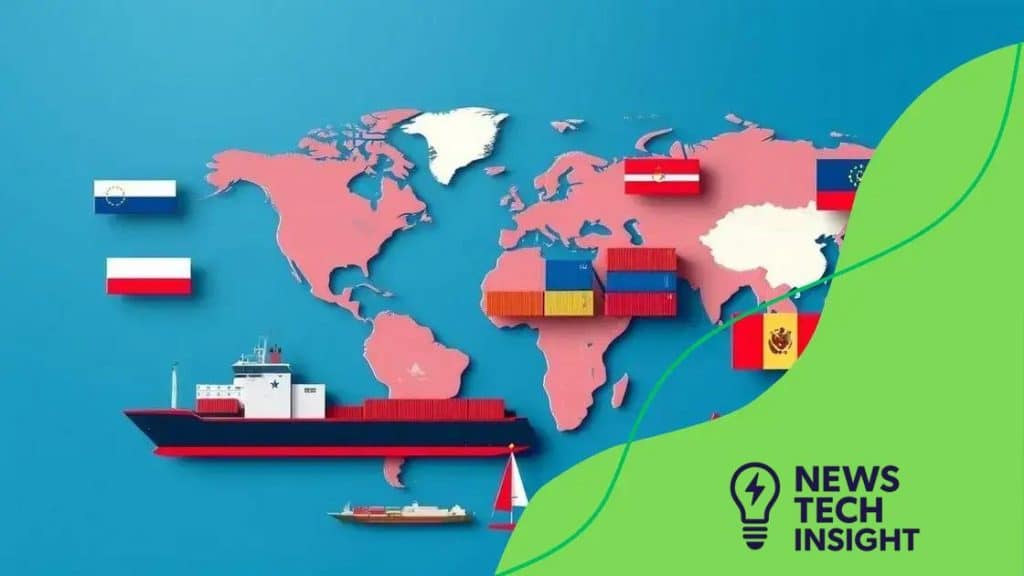
Updates on geopolitical risks to global trade highlight the need for businesses to diversify supply chains, stay informed on political changes, and adapt to emerging consumer trends to navigate complexities effectively.
Updates on geopolitical risks to global trade are crucial to understanding how political shifts can affect the economy. Have you ever wondered how international events impact your daily business operations? Let’s delve into the intricacies of these risks.
Understanding geopolitical risks
Understanding geopolitical risks is essential for businesses operating in a global economy. These risks arise from international events, political changes, and economic shifts that can impact how trade is conducted.
For example, tensions between countries can lead to tariffs, sanctions, or even disruptions in supply chains. Recognizing these factors early can help businesses adjust their strategies accordingly.
Key Factors Influencing Geopolitical Risks
Several elements play a significant role in shaping geopolitical risks. Keeping an eye on these can enhance your understanding.
- Political stability and changes in leadership
- Trade agreements and disputes
- Military conflicts and presence in regions
- Economic sanctions from powerful nations
These factors not only affect countries but also individual companies. For instance, if a country implements sanctions, it can close off markets and increase costs.
Businesses must stay informed about current events and trends in geopolitics. Following reliable news sources and collaborating with experts can provide insights needed to navigate these complexities. Building strong relationships with local authorities and stakeholders can serve as a buffer against sudden changes.
Impact on Global Trade
The implications of geopolitical risks on global trade are vast. Companies might encounter increased freight costs and longer shipping times. Manufacturing facilities operating near conflict zones may be disrupted, which affects the supply chain significantly.
Additionally, consumer behavior can shift based on perception of stability and safety in regions. As concerns grow, businesses may adapt by diversifying suppliers or seeking alternate markets.
Ultimately, understanding geopolitical risks allows businesses to prepare and implement strategies that mitigate potential adverse effects. This proactive approach can lead to improved resilience and adaptability in the face of unforeseen challenges.
Current geopolitical events impacting trade
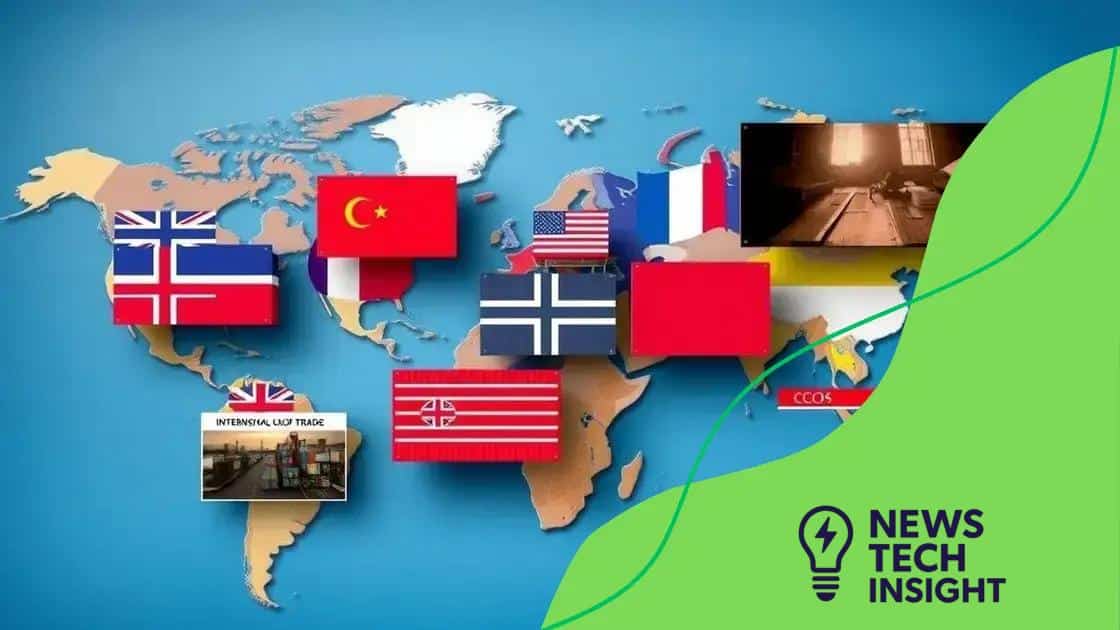
Current geopolitical events are significantly impacting trade in various ways. As nations navigate conflicts and alliances, the repercussions on the global market are immediate and profound.
Recent events demonstrate how tensions between major countries can lead to economic shifts. For instance, diplomatic disputes may cause sanctions that directly affect export and import dynamics.
Recent Key Events
Understanding how specific occurrences influence trade is vital. Notable events include:
- Trade tensions between the United States and China, resulting in tariffs on various goods.
- Political unrest in nations such as Venezuela and Belarus that disrupt international supply chains.
- Regional conflicts in Eastern Europe impacting energy prices and availability.
- New trade agreements emerging in the Asia-Pacific region that can shift market access.
These developments illustrate that businesses must stay informed to adapt quickly. Monitoring the news and analyzing trends can help companies prepare for potential market changes. Communication with partners across borders also enhances collaborative efforts during uncertainties.
The effects of this complex web of **geopolitics** on global trade can lead to both opportunities and challenges. For instance, while some sectors may face hardships due to rising costs, others could find new markets arising from shifting policies.
In the ever-evolving landscape of international trade, knowledge is power. Companies that can anticipate changes will not only survive but may thrive amid the chaos. Understanding the implications of geopolitical events is crucial for strategic planning.
Strategies for businesses to navigate these risks
To effectively navigate geopolitical risks, businesses must adopt proactive strategies. These strategies can help mitigate potential disruptions and enhance stability in operations.
One key approach is to diversify supply chains. By sourcing materials and products from multiple regions, companies can reduce their reliance on a single country. This flexibility can be a significant advantage in times of political uncertainty.
Proactive Strategies
Consider implementing the following strategies to bolster resilience:
- Foster relationships with local suppliers to enhance adaptability.
- Regularly analyze political trends that may affect trade.
- Invest in risk assessment tools to identify potential vulnerabilities.
- Develop contingency plans for quick responses to changes.
In addition to diversifying supply chains, staying informed is crucial. Establishing a network of experts and analysts can provide valuable insights into emerging trends. Regularly reviewing news sources and geopolitical analyses can help businesses anticipate shifts that could impact them.
It’s also beneficial to engage in scenario planning. Companies can create simulations to evaluate how different political situations might affect operations. This preparation allows businesses to devise action plans quickly and efficiently.
Collaboration for Success
Collaboration can play a significant role in navigating risks. Partnering with other businesses, trade associations, and even government agencies can create a support network. Such alliances may lead to shared resources and knowledge, making it easier to adapt to shifts in the geopolitical landscape.
Finally, fostering a culture of adaptability within the organization is vital. Employees should be trained to recognize and respond to changing conditions. By allowing for flexibility in operations, companies can better respond to unforeseen challenges.
Future trends in global trade dynamics
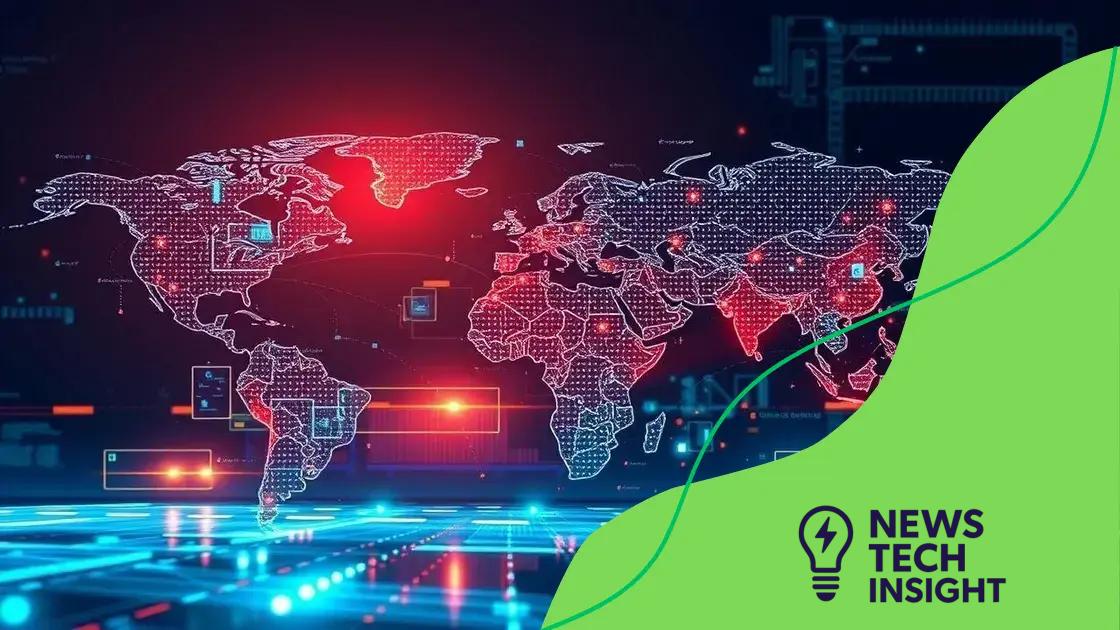
Future trends in global trade dynamics are influenced by various factors, including technological advancements, shifts in consumer behavior, and changing political landscapes. Understanding these trends is vital for businesses looking to thrive in an evolving marketplace.
One significant trend is the rise of digital trade. As e-commerce continues to grow, companies are increasingly selling directly to consumers worldwide. This shift allows businesses to bypass traditional distribution channels and reach new markets more effectively.
Key Trends Shaping Global Trade
Several insights can help outline the future of international trade:
- The increasing importance of sustainability and ethical sourcing.
- Greater reliance on technology, such as automation and AI, to enhance efficiency.
- The need for supply chain resilience in response to recent disruptions.
- Evolving trade agreements that prioritize digital commerce.
Moreover, geopolitical tensions will continue to influence trade routes and partnerships. Companies should remain agile, adapting to changes that may arise from international relations.
Adopting innovative technologies will also play a crucial role in shaping trade. Automation in manufacturing and logistics can improve productivity while reducing costs. Additionally, advancements in data analytics help businesses make informed decisions based on market trends.
Consumer Behavior and Market Adaptation
As consumer preferences shift towards sustainability, businesses must adapt their practices to meet these expectations. Companies seen as environmentally friendly and socially responsible can gain a competitive advantage. This trend calls for transparency in sourcing and production methods.
Additionally, companies must learn to navigate the complexities of global regulations. Understanding various compliance requirements will be essential in avoiding costly fines and penalties. Staying informed about local laws and trade requirements in different regions can facilitate smoother operations.
In summary, the future of global trade dynamics remains fluid and multifaceted. As new trends emerge, businesses that prioritize adaptability and innovation will be better equipped to thrive in an interconnected world.
In conclusion, understanding and managing geopolitical risks is crucial for businesses in today’s global trade environment. Companies that proactively adapt to these challenges can seize opportunities and maintain their competitive edge. By diversifying supply chains, staying informed of political changes, and embracing technology, businesses can navigate the complexities of international trade. As we look ahead, focusing on consumer trends and sustainability will also be key to success.
FAQ – Frequently Asked Questions about Geopolitical Risks and Global Trade
What are geopolitical risks?
Geopolitical risks are potential threats arising from political changes or conflicts that can impact international trade and business operations.
How can businesses prepare for geopolitical risks?
Businesses can prepare by diversifying their supply chains, staying informed about political developments, and developing contingency plans.
Why is technology important in navigating trade dynamics?
Technology helps improve efficiency and adaptability, enabling businesses to respond quickly to changes in the geopolitical landscape.
What role does sustainability play in global trade?
Sustainability is increasingly important to consumers, and businesses that prioritize ethical practices can gain a competitive advantage in the market.