Cybersecurity for US Utilities: 7 Essential Measures for 2024

Protecting Critical Infrastructure: 7 Essential Cybersecurity Measures for US Utilities in the Next 12 Months
The landscape of cyber threats is evolving at an unprecedented pace, and for US utilities, the stakes couldn’t be higher. Critical infrastructure, including electricity grids, water treatment facilities, and gas pipelines, represents a prime target for state-sponsored actors, cybercriminals, and hacktivists. A successful attack on these systems could lead to widespread disruption, economic damage, and even loss of life. In light of this escalating threat, US utilities face immense pressure to bolster their defenses, not just to comply with regulations, but to ensure the continuous, safe, and reliable delivery of essential services. The next 12 months are critical for implementing robust utility cybersecurity measures that can withstand sophisticated attacks.
This comprehensive guide delves into seven essential cybersecurity measures that US utilities must prioritize and implement within the coming year. These measures go beyond basic compliance, focusing on proactive strategies, advanced technologies, and a culture of security that can truly protect our nation’s vital infrastructure.
The Escalating Threat Landscape for US Utilities
Before diving into the solutions, it’s crucial to understand the gravity of the problem. Cyberattacks against critical infrastructure are no longer hypothetical; they are a stark reality. Recent incidents, such as the Colonial Pipeline attack, have demonstrated the devastating impact that even ransomware can have on operational technology (OT) systems. But the threats extend far beyond ransomware. Nation-state actors are constantly probing for vulnerabilities, seeking to gain a foothold in utility networks for espionage, sabotage, or future strategic advantage. Insider threats, supply chain compromises, and increasingly sophisticated phishing campaigns further complicate the security posture.
The interconnectedness of IT (Information Technology) and OT (Operational Technology) environments, while offering efficiencies, also expands the attack surface. Legacy OT systems, often designed without modern cybersecurity principles in mind, present unique challenges. They may run outdated software, lack patching capabilities, and be difficult to monitor without disrupting operations. This complex environment demands a tailored and comprehensive approach to utility cybersecurity measures.
1. Implement Advanced Threat Detection and Response (TDR) for OT/ICS
Traditional IT security tools are often ill-suited for the unique characteristics of OT/ICS environments. These systems require specialized solutions that understand industrial protocols, can operate without impacting sensitive processes, and can detect anomalies indicative of cyber intrusions. The first essential measure is to implement advanced Threat Detection and Response (TDR) capabilities specifically designed for OT and Industrial Control Systems (ICS).
Why it’s Crucial:
- Early Detection: Rapid identification of malicious activity or anomalies before they can cause significant damage.
- Operational Context: Understanding industrial protocols and processes to distinguish genuine threats from normal operational fluctuations.
- Minimized Disruption: Passive monitoring techniques that don’t interfere with critical operations.
- Compliance and Reporting: Providing detailed logs and alerts for regulatory compliance and incident response.
Key Actions for the Next 12 Months:
- Deploy OT-Specific Monitoring Solutions: Invest in and deploy network monitoring and intrusion detection systems (IDS) tailored for OT environments. These solutions should be capable of deep packet inspection of industrial protocols (e.g., Modbus, DNP3, OPC UA).
- Establish Baselines of Normal Behavior: Actively monitor OT networks to establish baselines of normal operational behavior. Any deviation from these baselines can then be flagged as a potential threat.
- Integrate OT Alerts with IT SOC: While OT systems are unique, their security alerts should feed into a centralized Security Operations Center (SOC) to provide a holistic view of the organization’s cybersecurity posture. This requires robust integration mechanisms.
- Develop OT-Specific Playbooks: Create detailed incident response playbooks specifically for OT incidents, outlining steps for containment, eradication, recovery, and post-incident analysis, considering the unique constraints of OT environments.
By focusing on TDR for OT/ICS, utilities can significantly improve their ability to detect and respond to threats that target their most critical operational assets. This measure forms the bedrock of effective utility cybersecurity measures.
2. Strengthen Supply Chain Cybersecurity Risk Management
The supply chain has become a significant vulnerability for critical infrastructure. Software components, hardware devices, and third-party services used by utilities can introduce vulnerabilities if not properly secured. The SolarWinds attack is a stark reminder of how a compromise in the supply chain can ripple through countless organizations, including critical infrastructure providers.
Why it’s Crucial:
- Vulnerability Introduction: Malicious code or hardware can be embedded during manufacturing or development.
- Third-Party Access: Vendors often require privileged access to utility networks, becoming potential entry points for attackers.
- Lack of Visibility: Utilities often lack full visibility into the security practices of their numerous suppliers.
Key Actions for the Next 12 Months:
- Conduct Thorough Vendor Assessments: Implement a rigorous process for assessing the cybersecurity posture of all third-party vendors, especially those providing OT/ICS components or services. This includes reviewing their security policies, incident response plans, and compliance certifications.
- Require Secure Development Practices: Mandate that software and hardware suppliers adhere to secure development lifecycle (SDL) practices, including regular security testing and vulnerability disclosure.
- Implement Supply Chain Monitoring: Explore solutions that can continuously monitor the security of software and hardware components throughout their lifecycle, from procurement to deployment and maintenance.
- Establish Clear Contractual Obligations: Include strong cybersecurity clauses in all vendor contracts, specifying security requirements, incident notification procedures, and audit rights. This is a vital component of robust utility cybersecurity measures.

3. Enhance Network Segmentation and Micro-segmentation
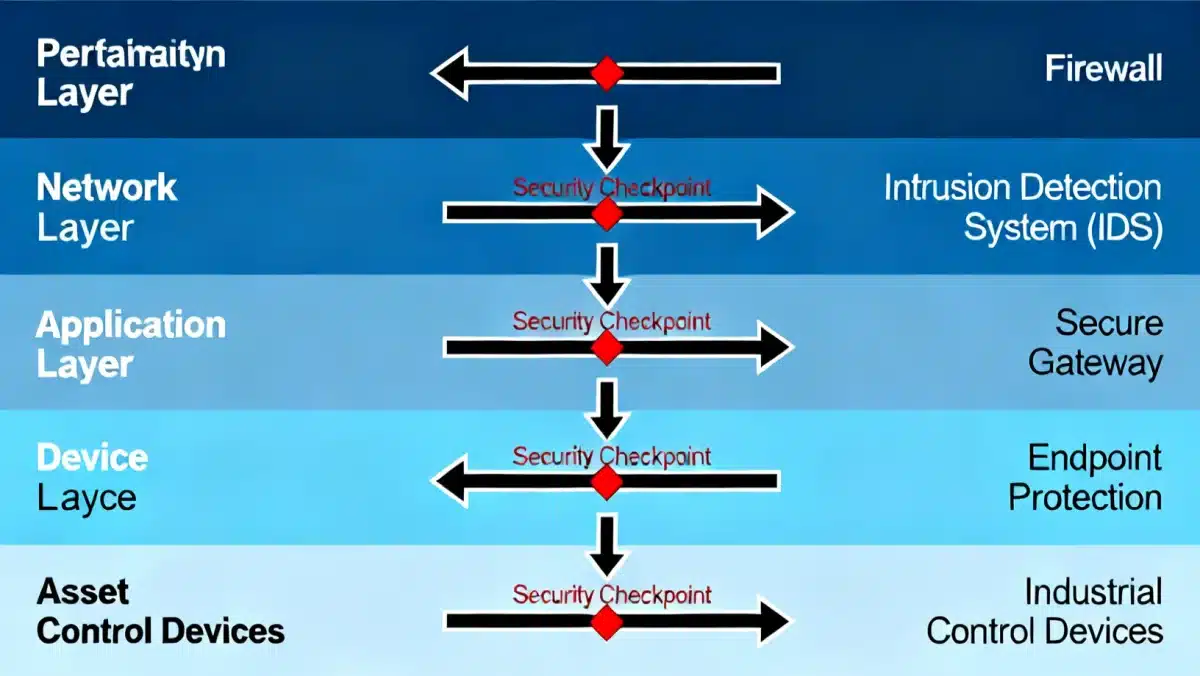
Network segmentation is a fundamental security principle that involves dividing a network into smaller, isolated segments. This limits the lateral movement of attackers within a network, containing breaches to a specific area. For utilities, effective segmentation is paramount, especially between IT and OT networks, and within the OT environment itself.
Why it’s Crucial:
- Containment of Breaches: Prevents an attack on one segment (e.g., corporate IT) from spreading to critical OT systems.
- Reduced Attack Surface: Limits access to sensitive systems and data.
- Improved Monitoring: Makes it easier to monitor traffic and detect anomalies within specific zones.
Key Actions for the Next 12 Months:
- Strict IT/OT Segregation: Ensure a clear and enforced “air gap” or robust unidirectional gateways between IT and OT networks, allowing only necessary and controlled communication.
- Implement OT Micro-segmentation: Further subdivide OT networks into smaller zones based on criticality, function, and trust levels. For example, separate generation, transmission, and distribution systems, and further segment within each.
- Apply Least Privilege Access Controls: Configure firewalls and access control lists (ACLs) to enforce the principle of least privilege, allowing only essential communication between segments.
- Regularly Audit Segmentation Controls: Conduct periodic audits to ensure that segmentation controls are effective and haven’t been circumvented or misconfigured. This is a continuous effort in strengthening utility cybersecurity measures.
4. Establish a Robust Vulnerability Management Program for OT Assets
Vulnerabilities in software and hardware are constantly being discovered. A proactive vulnerability management program is essential to identify, assess, and remediate these weaknesses before attackers can exploit them. This is particularly challenging in OT environments due to the sensitivity of systems and the difficulty of patching.
Why it’s Crucial:
- Proactive Risk Reduction: Identifies and addresses weaknesses before they are exploited.
- Compliance Requirements: Many regulatory frameworks mandate vulnerability management.
- Informed Decision-Making: Provides visibility into the security posture of OT assets.
Key Actions for the Next 12 Months:
- Conduct Regular OT Vulnerability Assessments: Utilize passive vulnerability scanning tools or specialized services that can identify vulnerabilities in OT devices without disrupting operations.
- Prioritize Vulnerabilities Based on Risk: Develop a risk-based approach to prioritize vulnerabilities, considering factors like exploitability, potential impact on operations, and asset criticality.
- Develop a Patch Management Strategy for OT: Create a detailed strategy for patching and updating OT systems, recognizing the need for careful planning, testing (in non-production environments), and scheduled downtime.
- Implement Configuration Management: Ensure that all OT devices are securely configured according to best practices and regularly audited for deviations. This contributes significantly to overall utility cybersecurity measures.
5. Enhance Identity and Access Management (IAM) for OT Environments
Controlling who has access to what, and under what conditions, is a cornerstone of cybersecurity. In OT environments, robust Identity and Access Management (IAM) is critical to prevent unauthorized access and minimize the impact of compromised credentials.
Why it’s Crucial:
- Prevent Unauthorized Access: Ensures only authorized personnel and systems can interact with critical OT assets.
- Mitigate Insider Threats: Limits the damage an insider (malicious or accidental) can inflict.
- Auditability: Provides a clear audit trail of who accessed what and when.
Key Actions for the Next 12 Months:
- Implement Multi-Factor Authentication (MFA) Everywhere Possible: Extend MFA to all remote access points and as many local OT system logins as technically feasible.
- Enforce Principle of Least Privilege: Grant users and systems only the minimum access rights necessary to perform their functions. Regularly review and revoke unnecessary privileges.
- Centralize User Management for OT: Where possible, centralize user accounts and authentication for OT systems to simplify management and enforce consistent policies.
- Monitor and Audit Access Logs: Continuously monitor access attempts to OT systems for suspicious activity and regularly review audit logs to identify unauthorized access or policy violations. Strong IAM is a non-negotiable aspect of effective utility cybersecurity measures.
6. Develop and Practice Comprehensive Incident Response Plans (IRPs)
Even with the best preventative measures, a cyberattack is always a possibility. Having a well-defined, regularly practiced incident response plan (IRP) is crucial for minimizing the impact of a breach and ensuring a swift recovery. For utilities, these plans must specifically address the unique challenges of OT incidents.
Why it’s Crucial:
- Minimize Downtime and Impact: Enables a rapid and coordinated response to contain and mitigate incidents.
- Maintain Trust: Demonstrates preparedness to stakeholders and the public.
- Regulatory Compliance: Many regulations require robust incident response capabilities.
Key Actions for the Next 12 Months:
- Tailor IRPs for OT Incidents: Develop specific playbooks for different types of OT incidents (e.g., ransomware on HMI, unauthorized access to PLCs, denial-of-service on SCADA). These must consider safety implications and operational continuity.
- Conduct Regular Drills and Tabletop Exercises: Periodically test the IRPs through tabletop exercises and simulated drills involving IT, OT, legal, communications, and executive teams.
- Establish Clear Communication Protocols: Define clear communication channels and protocols for internal teams, external stakeholders (e.g., government agencies, law enforcement), and the public during an incident.
- Ensure Data Backup and Recovery Strategies: Implement robust, isolated, and tested backup and recovery strategies for critical OT data and system configurations, including offline backups. This is a critical element of utility cybersecurity measures.
7. Foster a Culture of Cybersecurity Awareness and Training
Human error remains one of the leading causes of security breaches. A well-trained and cyber-aware workforce is an organization’s first and often most effective line of defense. This is especially true in utilities where employees interact directly with critical infrastructure.
Why it’s Crucial:
- Reduce Human Error: Educated employees are less likely to fall for phishing attacks or make security mistakes.
- Empower Employees: Turns employees into active participants in the organization’s security posture.
- Compliance and Best Practice: Aligns with industry best practices and regulatory requirements.
Key Actions for the Next 12 Months:
- Implement Role-Based Security Training: Provide tailored cybersecurity training for different roles within the organization, including specialized training for OT engineers, IT staff, and executive leadership.
- Conduct Regular Phishing Simulations: Continuously test employee susceptibility to phishing attacks and provide immediate feedback and additional training for those who fall for simulations.
- Promote a “See Something, Say Something” Culture: Encourage employees to report suspicious activities or potential security concerns without fear of reprisal.
- Regularly Update Training Content: Ensure that training materials are current and address the latest threat vectors and best practices. A strong security culture is an indispensable part of comprehensive utility cybersecurity measures.
Navigating the Regulatory Landscape
Beyond these essential measures, US utilities must also navigate a complex and evolving regulatory landscape. NERC CIP (North American Electric Reliability Corporation Critical Infrastructure Protection) standards are a cornerstone for electric utilities, dictating requirements for securing bulk electric system assets. However, other sectors, like water and natural gas, also face increasing scrutiny and evolving guidelines from agencies like CISA (Cybersecurity and Infrastructure Security Agency) and NIST (National Institute of Standards and Technology).
Adhering to frameworks like the NIST Cybersecurity Framework can provide a structured approach to managing cybersecurity risk, offering a flexible and scalable guide that can be adapted to specific utility operations and regulatory requirements. Continuous monitoring, auditing, and reporting are integral to demonstrating compliance and maintaining a strong security posture.
The Path Forward: A Call to Action for US Utilities
The cybersecurity challenges facing US utilities are formidable, but not insurmountable. The next 12 months present a critical window for action. By prioritizing and rigorously implementing these seven essential utility cybersecurity measures, organizations can significantly enhance their resilience against cyberattacks. This requires not just technological investments but also a strategic shift towards a proactive, risk-aware, and security-conscious operational model.
Protecting critical infrastructure is a shared responsibility. It demands collaboration between utilities, government agencies, technology providers, and the broader cybersecurity community. By working together and committing to continuous improvement, US utilities can ensure the lights stay on, the water flows, and our nation’s essential services remain secure in an increasingly hostile digital world.
The time for incremental changes is over. The current threat environment demands bold, decisive, and comprehensive action. Utilities that embrace these essential cybersecurity measures will not only protect their assets and operations but will also safeguard the well-being and economic stability of the communities they serve.