VR/AR in immersive learning at universities
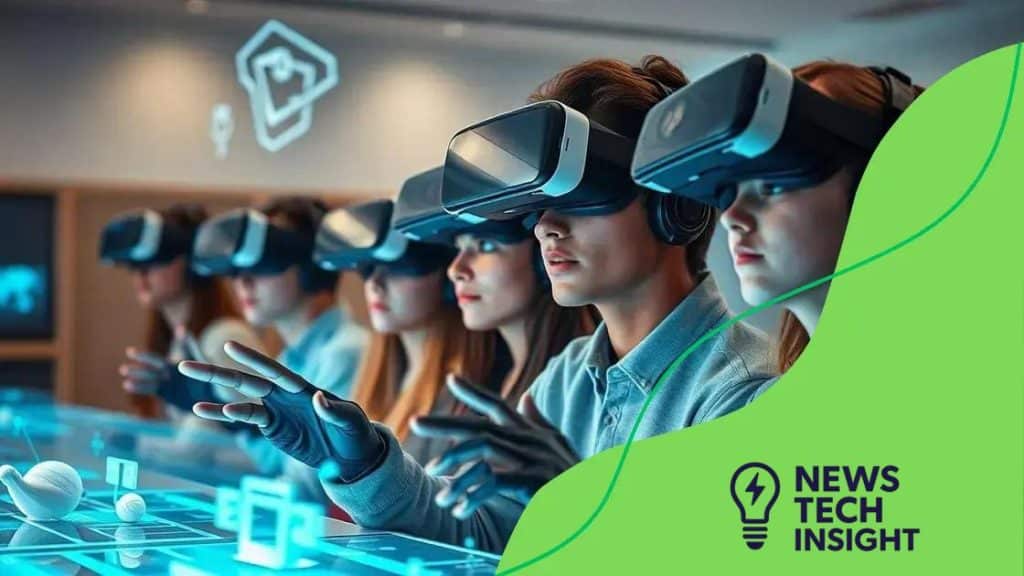
VR and AR technologies significantly enhance immersive learning at universities by increasing student engagement, offering personalized experiences, and fostering collaboration, thus preparing students for a technology-driven future.
VR/AR in immersive learning at universities is changing the educational landscape. Imagine students exploring historical events through virtual reality or collaborating on projects in augmented environments. Curious about how these technologies are being integrated into classrooms? Let’s dive in.
Understanding VR and AR technologies
Understanding VR (Virtual Reality) and AR (Augmented Reality) technologies is essential in today’s educational landscape. These immersive tools provide new ways for students to engage with content, pushing the boundaries of traditional learning methods.
VR offers students the chance to step into entirely virtual worlds, while AR enhances the real-world experience with digital overlays. This combination creates a dynamic learning environment where students can explore and interact beyond the confines of textbooks.
What is Virtual Reality?
Virtual Reality immerses a user in a simulated environment. Using headsets, students can experience different scenarios, from walking on the moon to exploring ancient civilizations. This technology allows for:
- Enhanced engagement: Students become part of the story.
- Realistic simulations: Users can practice skills in a safe environment.
- Access to remote locations: Students can learn about cultures and places far from home.
What is Augmented Reality?
On the other hand, Augmented Reality overlays digital images and information onto the real world. Through smartphones or tablets, students can see additional layers of information, helping them understand complex concepts better. Consider how AR assists in:
- Interactive learning experiences: Turning a static lesson into a lively scenario.
- Visualizing data: Making graphs or scientific models come to life.
- Enhancing creativity: Allowing students to experiment in new ways.
The interplay of VR and AR not only makes learning fun but also improves knowledge retention. For example, students studying biology might observe organisms in a 3D space, making the learning process memorable. As education evolves, understanding these technologies is not just beneficial; it’s essential.
Benefits of immersive learning environments
The benefits of immersive learning environments are numerous, making them vital in modern education. These environments bolster student engagement, allowing learners to participate in their education actively. When students interact with content rather than passively consuming it, they retain information better and make deeper connections.
One of the key advantages of immersive learning is that it facilitates experiential learning. Students can practice skills in a safe setting, which helps them feel more confident. For instance, medical students can perform virtual surgeries, gaining experience without the risks associated with real-life procedures.
Increased Engagement
Immersive environments create excitement around learning. When students use VR or AR, they often feel as if they are part of the action. This sense of presence encourages participation and focus. Some of the key points include:
- Active participation: Students interact with their surroundings directly.
- Enhanced focus: Engaging scenarios lead to reduced distractions.
- Motivation: The excitement of using technology propels students forward.
Improved Retention of Knowledge
Another critical benefit is the improved retention of knowledge. Studies show that experiencing concepts firsthand boosts memory retention. When students see and manipulate information, they are more likely to remember it later. The immersive nature of the learning environment also helps in:
- Visual learning: Seeing is believing; visuals reinforce learning.
- Practical application: Students apply their knowledge in real-world situations.
- Critical thinking: Engaging with material encourages problem-solving skills.
By incorporating immersive technologies, educators can create a dynamic learning atmosphere. This environment not only meets the needs of diverse learners but also prepares them for future challenges. As these tools evolve, they become even more crucial in fostering a love for learning.
Case studies showcasing success in universities
Case studies showcasing success in universities provide tangible examples of how VR and AR technologies improve learning outcomes. These real-world applications demonstrate the transformative impact of immersive learning environments on students and educators alike. They highlight practical benefits that can inspire other institutions to implement similar strategies.
One notable example comes from a university that integrated VR in its nursing program. Students practiced patient care in a simulated environment, allowing them to learn from mistakes without real-life consequences. This innovative approach led to increased confidence and improved performance in actual clinical settings.
Real-World Applications
Another university utilized AR to teach engineering students about complex machinery. By overlaying digital information on physical components, students grasped the intricate workings of equipment quickly. This method faced challenges at first, but the results were remarkable. Here are several key outcomes:
- Higher student engagement: Students were excited to use technology in their studies.
- Greater understanding: Visual aids helped clarify complex concepts.
- Improved exam scores: Students demonstrated better retention of information.
Furthermore, a liberal arts college embraced VR to enhance history courses. By virtually visiting historical sites, students gained a deeper appreciation for different cultures and contexts. This creative approach made the learning experience immersive and enjoyable.
Positive Feedback from Students
Student feedback from these initiatives has been overwhelmingly positive. Many reported feeling more connected to their studies when using VR and AR. They appreciated the interactive components, which made lessons dynamic. Surveys indicated that students were more likely to retain information learned through immersive experiences than traditional methods.
Overall, the successful integration of VR and AR into various academic programs demonstrates the potential benefits of immersive learning environments. These case studies not only show what can be accomplished but also serve as a blueprint for future innovations in education.
Future trends in VR/AR education
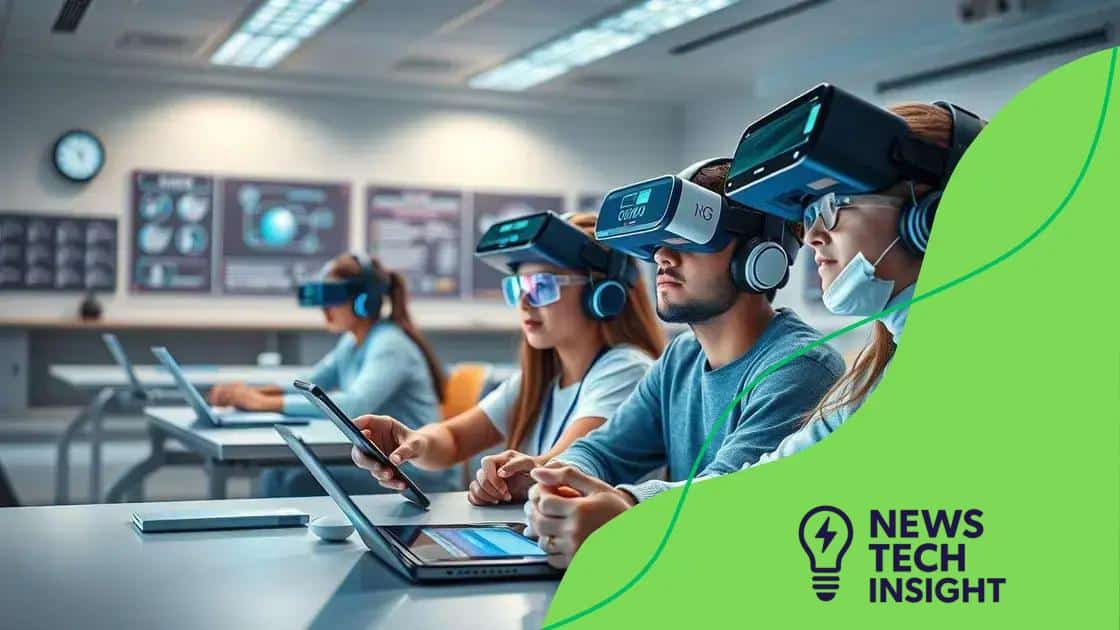
The future trends in VR and AR education show great promise for transforming how students learn. As technology advances, these immersive experiences will become more refined and integrated into everyday learning environments. Educators are discovering new ways to enhance lessons and engage students fully.
One trend is the increasing accessibility of VR and AR tools. As costs decrease and technology becomes more widespread, more schools can adopt these methods. This accessibility opens doors to diverse educational opportunities, allowing schools in various regions to benefit equally.
Personalized Learning Experiences
Another trend is the shift toward personalized learning experiences. With VR and AR, lessons can adapt to each student’s pace and learning style. For example, students who need extra help can receive tailored instruction through virtual scenarios designed specifically for them. This customization leads to:
- Higher engagement: Students are more motivated when lessons suit their interests.
- Enhanced retention: Learning that resonates personally sticks better.
- Increased success rates: Tailored experiences help students achieve their academic goals.
Collaboration and Social Learning
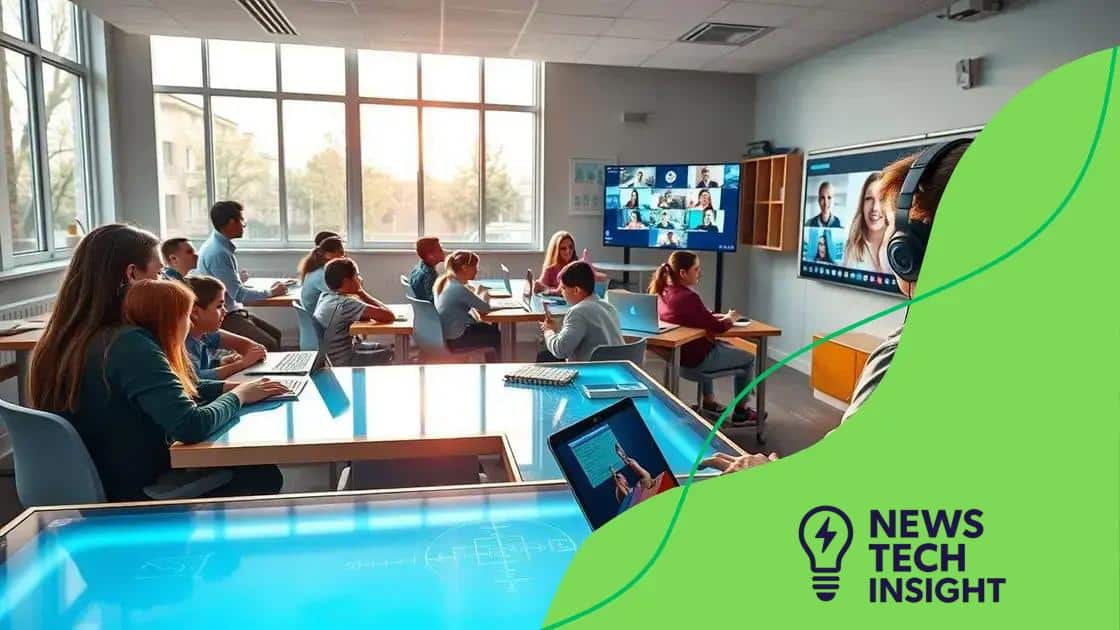
Collaboration is another exciting aspect of the future for VR and AR education. Virtual environments allow students to work together no matter where they are located. This opens a world of possibilities for teamwork, skills development, and global communication. Students can participate in:
- Group projects: Collaborating on scientific experiments or architectural designs in a virtual setting.
- Cultural exchanges: Engaging with peers from different countries through shared virtual experiences.
- Interactive problem-solving: Working together to solve real-world challenges in immersive simulations.
Overall, the future of VR and AR in education presents an exciting horizon. As the technology continues to grow, education will evolve, sparking innovation and enriching the learning experience for all students.
FAQ – Frequently Asked Questions about VR and AR in Education
What are the main benefits of using VR and AR in education?
The main benefits include increased engagement, personalized learning experiences, and improved retention of knowledge, making lessons more enjoyable and effective.
How does personalized learning with VR and AR work?
Personalized learning allows lessons to adapt to each student’s pace and style, helping them learn in a way that suits their individual needs.
Can VR and AR enhance collaboration among students?
Yes, these technologies allow students to work together in virtual environments, promoting teamwork and communication regardless of their physical locations.
What is the future potential for VR and AR in education?
The future of VR and AR in education looks promising, with trends pointing toward greater accessibility, innovative learning experiences, and the preparation of students for a tech-driven world.