Wearable Tech Trends 2025: Next-Gen Smartwatches for US Consumers
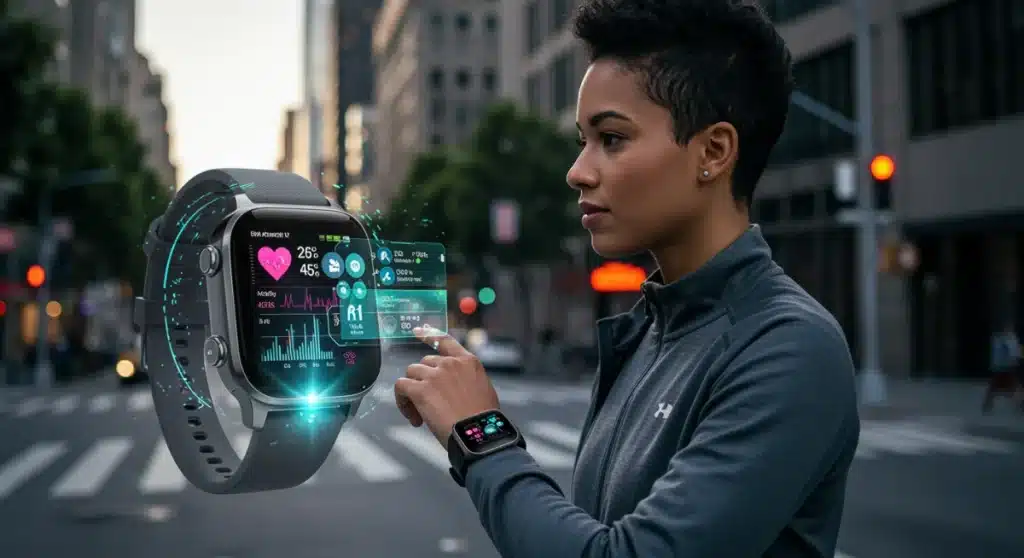
The future of smartwatches in 2025 promises advanced health tracking, enhanced AI integration, and seamless connectivity, fundamentally reshaping how US consumers interact with personal technology.
Wearable tech trends 2025: What US Consumers Need to Know About the Next Generation of Smartwatches is more than just a glimpse into the future; it’s a look at how our daily lives are about to change. These devices are evolving rapidly, moving beyond simple notification tools to become essential health companions and intelligent assistants.
The Evolution of Smartwatch Technology: Beyond Time-Telling
Smartwatches have come a long way from their humble beginnings as glorified pedometers and notification hubs. In 2025, the landscape of wearable technology is set to shift dramatically, with smartwatches leading the charge in integrating sophisticated functionalities that blend seamlessly with our daily routines. This evolution is driven by advancements in miniaturization, battery life, and artificial intelligence, promising an unprecedented level of personalized interaction and utility.
For US consumers, this means a new era of personal tech that is not just convenient but also deeply integrated into their well-being and productivity. The next generation of smartwatches is designed to be proactive, anticipating needs and offering insights rather than merely reacting to user input. This paradigm shift will redefine our expectations of what a wrist-worn device can achieve.
Enhanced Processing Power and Battery Life
- Miniaturized Chipsets: Expect significantly more powerful processors packed into smaller form factors, enabling complex computations directly on the device.
- Extended Battery Life: Innovations in battery technology, including solid-state and micro-fuel cells, will push battery life from days to weeks, reducing charging anxiety.
- Efficient Operating Systems: Optimized software will work in tandem with hardware to maximize energy efficiency and performance.
The foundational improvements in processing power and battery longevity are critical enablers for the more advanced features we anticipate. Without these underpinnings, the ambitious visions for health monitoring, AI integration, and seamless connectivity would remain theoretical. Consumers can look forward to devices that keep up with their busy lives without constant recharging, making them truly indispensable tools.
Ultimately, the continued evolution of smartwatch technology signifies a move towards devices that are not just accessories but integral parts of our digital and physical selves. This foundational shift sets the stage for the more specialized advancements that will define wearable tech trends 2025.
Revolutionizing Health and Wellness Monitoring
One of the most significant areas where next-gen smartwatches will shine is in health and wellness. By 2025, these devices will transcend basic heart rate tracking, offering a comprehensive suite of biometric sensors and analytical capabilities that provide an unparalleled view into our physical state. This proactive approach to health management will empower US consumers to make more informed decisions about their well-being, moving from reactive care to preventative measures.
The integration of advanced sensors and AI-driven analysis means smartwatches will become personal health guardians, capable of detecting subtle changes that might indicate health issues long before symptoms appear. This capability is not just about tracking; it’s about interpreting data and offering actionable insights tailored to individual users.
Advanced Biometric Sensors
- Continuous Glucose Monitoring (CGM): Non-invasive sensors will allow diabetics and health-conscious individuals to track blood sugar levels in real-time without finger pricks.
- Blood Pressure Measurement: Integrated micro-pumps or optical sensors will provide accurate on-demand or continuous blood pressure readings, crucial for cardiovascular health.
- Advanced ECG and Arrhythmia Detection: More precise electrocardiograms will offer early detection of a wider range of heart conditions.
- Body Temperature and Hydration: Real-time tracking of core body temperature and hydration levels will optimize athletic performance and general health.
These advancements in biometric sensing are not just about collecting more data; they are about collecting more meaningful data. The ability to continuously monitor vital signs with medical-grade accuracy will bridge the gap between consumer electronics and clinical health devices, bringing sophisticated diagnostics directly to the user’s wrist. This level of personalized health insight will be a cornerstone of wearable tech trends 2025.
Beyond physical health, the next generation of smartwatches will also delve into mental wellness. Features like stress level monitoring, sleep stage analysis with personalized recommendations, and guided meditation programs will become standard. The goal is to provide a holistic overview of health, recognizing the interconnectedness of physical and mental well-being. This comprehensive approach ensures that users receive support for all facets of their health journey.
The revolution in health and wellness monitoring signifies a profound shift in how we manage our personal health. Smartwatches will evolve from mere gadgets to indispensable health companions, offering unparalleled insights and proactive guidance for a healthier life.
The Rise of AI and Machine Learning in Smartwatches
Artificial intelligence and machine learning are poised to transform smartwatches from data collectors into intelligent personal assistants. In 2025, these technologies will enable smartwatches to understand user behavior, predict needs, and offer highly personalized recommendations, far beyond what current voice assistants provide. This integration will make smartwatches more intuitive, efficient, and truly indispensable for US consumers.
The power of AI lies in its ability to process vast amounts of data collected by the smartwatch’s sensors and derive meaningful, actionable insights. This isn’t just about showing data; it’s about interpreting it contextually and providing guidance that is relevant to the individual user’s lifestyle and goals. The device will learn from your patterns, adapt to your preferences, and even anticipate your next move.
Personalized AI Coaching and Insights
Imagine a smartwatch that not only tracks your workouts but also analyzes your performance trends, identifies areas for improvement, and then suggests specific exercises or recovery protocols. This level of personalized coaching, driven by sophisticated AI algorithms, will become a reality. It will be like having a personal trainer, nutritionist, and health advisor all on your wrist.
Furthermore, AI will enhance the smartwatch’s ability to provide proactive health alerts. For instance, if your sleep patterns or heart rate variability suggest increased stress, the AI might recommend a short breathing exercise or suggest a different bedtime. These intelligent nudges will help users maintain optimal health and well-being without conscious effort.
Seamless Integration with Smart Ecosystems
- Contextual Awareness: Smartwatches will leverage AI to understand your current context (e.g., at work, exercising, sleeping) and adjust notifications, settings, and information delivery accordingly.
- Predictive Analytics: AI will anticipate your needs, such as suggesting routes based on traffic patterns or reminding you about upcoming appointments before you even check your calendar.
- Enhanced Voice Interaction: Voice assistants will become more natural and capable of handling complex queries, understanding nuances, and performing multi-step tasks.
The integration of AI and machine learning will elevate smartwatches from simple tools to intelligent companions. They will seamlessly integrate into smart home ecosystems, synchronize with other devices, and provide a truly connected experience. This intelligence will be a defining characteristic of wearable tech trends 2025, making life simpler and more efficient for US consumers.
The future of smartwatches is intelligent, adaptive, and deeply personal, thanks to the continuous advancements in AI and machine learning. These devices will not just respond to our commands but will actively contribute to our overall quality of life.
Connectivity and Communication: Beyond the Smartphone
The next generation of smartwatches in 2025 will significantly reduce their reliance on smartphones, achieving greater independence through advanced connectivity options. This shift will empower US consumers with more freedom and flexibility, allowing them to stay connected and productive even when their phone isn’t readily accessible. The goal is to provide a seamless and uninterrupted communication experience directly from the wrist.
Improved cellular capabilities, advanced Wi-Fi, and new ultra-low-power communication protocols will ensure that smartwatches are always connected, capable of handling calls, messages, and data streaming independently. This independence will be particularly beneficial for activities like exercising, commuting, or quick errands where carrying a smartphone might be cumbersome.
Advanced Cellular and Satellite Connectivity
- Integrated 5G Modems: Direct 5G connectivity will enable ultra-fast data speeds and low latency, supporting high-bandwidth applications like video calls and real-time data streaming.
- Satellite Communication: Emergency satellite communication capabilities will become more common, offering a lifeline in remote areas where cellular networks are unavailable.
- Seamless Handover: Smartwatches will intelligently switch between Wi-Fi, cellular, and other networks to maintain optimal connectivity without user intervention.
These enhanced connectivity options mean that your smartwatch will truly be a standalone communication device. You’ll be able to leave your phone at home and still receive important notifications, make calls, stream music, and even access cloud-based services directly from your wrist. This level of independence marks a significant leap forward in wearable technology.
Beyond traditional communication, smartwatches will also play a crucial role in enabling new forms of interaction. Augmented reality (AR) overlays and haptic feedback systems will create immersive communication experiences, allowing users to interact with digital content in novel ways. Imagine receiving directions projected onto your field of vision or feeling distinct haptic patterns for different types of notifications.
The future of smartwatch connectivity is about more than just staying in touch; it’s about creating a more fluid, integrated, and independent digital experience. This enhanced connectivity will be a core component of wearable tech trends 2025, redefining how US consumers interact with their personal technology and the world around them.
Design, Materials, and User Experience Innovations
Beyond technological advancements, the next generation of smartwatches in 2025 will also see significant innovations in design, materials, and user experience. Manufacturers are focusing on creating devices that are not only powerful but also aesthetically pleasing, comfortable to wear, and intuitively designed. This holistic approach ensures that smartwatches are both functional and desirable for US consumers.
The trend is towards thinner, lighter, and more durable devices that blend seamlessly with personal style. Customization will be key, with a wider array of materials, finishes, and strap options available to suit diverse tastes and preferences. The objective is to make smartwatches feel less like a gadget and more like a natural extension of the wearer.
Sustainable and Advanced Materials
- Eco-Friendly Composites: Increased use of recycled plastics, biodegradable polymers, and ethically sourced metals will appeal to environmentally conscious consumers.
- Self-Healing Coatings: Innovative coatings will minimize scratches and minor damage, extending the lifespan and maintaining the aesthetic appeal of the device.
- Flexible Displays: Advances in flexible screen technology will allow for curved designs that conform better to the wrist and potentially even foldable watch faces.
The focus on sustainable and advanced materials reflects a broader industry trend towards environmental responsibility and enhanced product longevity. These materials will not only improve the durability and comfort of smartwatches but also align with consumer values, making the devices more appealing. This commitment to both form and function is a hallmark of wearable tech trends 2025.
User experience (UX) will also undergo a significant transformation. Intuitive gesture controls, advanced haptic feedback, and improved voice interfaces will minimize the need for direct screen interaction, making smartwatches easier and safer to use on the go. Augmented reality elements may also be integrated into the display, offering contextual information directly within the user’s field of vision.
The future of smartwatch design and user experience is about creating devices that are not only technologically superior but also a pleasure to wear and interact with. This blend of innovation and thoughtful design will ensure that next-gen smartwatches are both powerful tools and stylish accessories.
Security and Privacy in the Wearable Ecosystem
As smartwatches become more integrated into our lives and collect increasingly sensitive data, the importance of robust security and privacy measures cannot be overstated. In 2025, manufacturers will prioritize advanced encryption, secure authentication, and transparent data handling practices to build trust with US consumers. Protecting personal health information and financial data will be paramount.
The proliferation of biometric sensors and continuous data collection from smartwatches raises legitimate concerns about how this information is stored, processed, and shared. Next-gen devices will feature enhanced hardware-level security, ensuring that data is encrypted from the moment it’s collected and remains secure throughout its lifecycle.
Enhanced Security Protocols
- Biometric Authentication: Multi-factor authentication, including advanced fingerprint, facial, and even vein pattern recognition, will secure device access and transactions.
- Hardware-Level Encryption: Dedicated secure enclaves within the smartwatch’s processor will protect sensitive data, making it virtually inaccessible to unauthorized parties.
- Decentralized Data Storage: Options for storing some health data locally or on decentralized networks could provide users with greater control over their information.
These sophisticated security protocols are essential for safeguarding the vast amount of personal data that smartwatches will handle. From payment information to highly sensitive health metrics, users need assurance that their data is protected against breaches and misuse. This focus on security is a critical aspect of wearable tech trends 2025, fostering confidence in the technology.
Privacy will also be addressed through greater transparency and user control. Smartwatch operating systems will offer granular permissions, allowing users to precisely control what data is collected, how it’s used, and with whom it’s shared. Clear privacy policies and easy-to-understand settings will empower consumers to make informed choices about their data.
Furthermore, regulations like HIPAA in the US will continue to influence how health data collected by wearables is handled, ensuring that consumer privacy rights are upheld. Manufacturers will need to adhere to these standards, providing a framework of trust and accountability. The combination of advanced security tech and clear privacy policies aims to make smartwatches a trustworthy part of our digital identity.
The Future Impact on US Consumer Lifestyles
The advancements in wearable tech trends 2025, particularly in next-generation smartwatches, are poised to profoundly impact the lifestyles of US consumers. These devices will move beyond being mere accessories to become integral tools that enhance productivity, improve health, and streamline daily activities. The integration of cutting-edge technology will redefine convenience and personal empowerment.
From fitness enthusiasts to busy professionals, smartwatches will offer tailored functionalities that cater to diverse needs. The shift towards proactive health monitoring will encourage healthier habits, while enhanced connectivity will keep individuals more connected and informed, regardless of their location. This transformation will touch nearly every aspect of daily life.
Redefining Convenience and Efficiency
- Seamless Payments: Advanced NFC and biometric authentication will make smartwatch payments even faster and more secure, reducing reliance on physical wallets.
- Smart Home Control: Direct control over smart home devices from the wrist will become standard, offering unparalleled convenience in managing home environments.
- Travel and Navigation: Intuitive navigation, real-time translation, and digital ticketing directly from the smartwatch will simplify travel experiences.
The added convenience and efficiency offered by these next-gen smartwatches will free up valuable time and mental space for consumers. Tasks that once required multiple devices or manual effort will be streamlined, allowing individuals to focus on more important aspects of their lives. This seamless integration into daily routines is a key driver of adoption.
Beyond individual benefits, the widespread adoption of advanced smartwatches could also have broader societal impacts. Improved public health data, more efficient emergency response systems, and new forms of social interaction could emerge. The data collected from these devices, when aggregated and anonymized, could provide valuable insights for public health initiatives and urban planning.
Ultimately, the future impact of smartwatches on US consumer lifestyles will be characterized by greater personalization, enhanced well-being, and unprecedented levels of convenience. These devices are not just technological marvels; they are tools that will empower individuals to live healthier, more connected, and more efficient lives.
| Key Trend | Brief Description |
|---|---|
| Advanced Health Monitoring | Non-invasive CGM, accurate blood pressure, and comprehensive ECG for proactive health management. |
| AI and Machine Learning | Personalized coaching, predictive analytics, and enhanced voice interaction for intelligent assistance. |
| Independent Connectivity | Integrated 5G and satellite communication for smartphone-free operation and enhanced reliability. |
| Enhanced Security & Privacy | Robust biometric authentication, hardware encryption, and transparent data control for user trust. |
Frequently Asked Questions About 2025 Smartwatch Trends
Next-gen smartwatches are expected to feature non-invasive continuous glucose monitoring, highly accurate blood pressure readings, and advanced ECG capabilities for comprehensive heart health. They’ll move towards proactive health management, offering early detection and personalized insights for US consumers.
AI will transform smartwatches into intelligent personal assistants, offering personalized coaching based on user behavior, predictive analytics for daily needs, and significantly more natural voice interactions. This will make devices more intuitive, adaptive, and integrated into smart ecosystems.
Yes, improved connectivity like integrated 5G modems and even satellite communication will allow smartwatches to operate with greater independence. Users will be able to make calls, send messages, and stream data directly from their wrist without needing a smartphone nearby.
Expect thinner, lighter designs using eco-friendly and advanced materials like self-healing coatings and flexible displays. Customization options will expand, offering a blend of durability, comfort, and aesthetics that align with personal style and environmental consciousness.
Manufacturers will prioritize robust security through hardware-level encryption and advanced biometric authentication. Users will gain greater control over their data with granular privacy settings and transparent policies, ensuring sensitive health and financial information is securely managed and protected.
Conclusion
The landscape of wearable tech trends 2025 paints a picture of smartwatches that are far more than just timepieces. They are evolving into sophisticated health guardians, intelligent personal assistants, and independent communication hubs, poised to profoundly impact the daily lives of US consumers. With advancements in health monitoring, AI integration, connectivity, design, and robust security, these next-generation devices promise to deliver unparalleled convenience, personalized insights, and a holistic approach to well-being. As these technologies mature, smartwatches will seamlessly integrate into our lifestyles, offering an intuitive and powerful extension of our digital and physical selves, making them indispensable tools for the future.