Wi-Fi 7: What the New Standard Means for Your 2025 Home Network
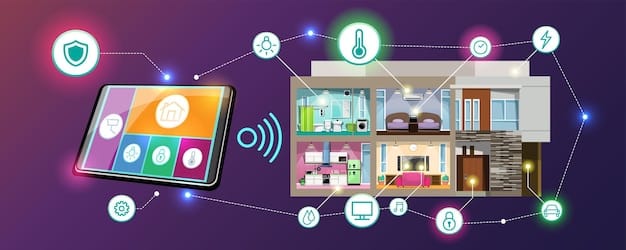
Understanding the Latest Wi-Fi 7 Standard: What It Means for Your Home Network in 2025 involves a significant upgrade promising faster speeds, lower latency, and greater network efficiency, capable of transforming home connectivity experiences and supporting bandwidth-intensive applications like 8K streaming and virtual reality.
Get ready to upgrade your home network! Understanding the Latest Wi-Fi 7 Standard: What It Means for Your Home Network in 2025 is crucial as we approach its widespread adoption. This new standard promises to revolutionize our connected lives, delivering faster speeds, lower latency, and a more efficient use of bandwidth.
What is Wi-Fi 7 and Why Should You Care?
Wi-Fi 7, also known as IEEE 802.11be, is the latest iteration of the Wi-Fi standard, building upon the advancements of Wi-Fi 6 and Wi-Fi 6E. It’s designed to address the growing demands of modern homes and businesses, where multiple devices are constantly vying for bandwidth.
But why should you care? Simple: Wi-Fi 7 promises a significant improvement in your overall internet experience. Think faster downloads, smoother streaming, lag-free gaming, and the ability to seamlessly connect more devices without performance degradation.
Key Features of Wi-Fi 7
Wi-Fi 7 introduces several key technological advancements that contribute to its superior performance:
- 320 MHz Channel Bandwidth: Doubles the channel bandwidth compared to Wi-Fi 6, allowing for more data to be transmitted simultaneously.
- 4096-QAM (Quadrature Amplitude Modulation): Increases the amount of data that can be encoded in each signal, resulting in higher data rates.
- Multi-Link Operation (MLO): Enables devices to simultaneously connect to multiple frequency bands, reducing latency and improving reliability.
- Multi-Resource Units (MRUs): Optimizes the use of available bandwidth by allocating resources more efficiently.
These features combined result in a theoretical maximum data rate of up to 46 Gbps, a significant jump from Wi-Fi 6’s 9.6 Gbps. In real-world scenarios, you can expect to see substantially faster speeds and a more responsive network.
In conclusion, Wi-Fi 7 isn’t just another incremental upgrade; it’s a game-changer that has the potential to transform how we use and experience the internet in our homes.
Wi-Fi 7 vs. Wi-Fi 6: Key Differences and Improvements
While Wi-Fi 6 and Wi-Fi 6E brought notable improvements to wireless connectivity, Wi-Fi 7 takes things to a whole new level. Understanding the key differences between these standards can help you appreciate the advancements Wi-Fi 7 offers.
The most significant advancements focus on speed, efficiency, and the ability to handle multiple devices simultaneously. Let’s break down the key improvements Wi-Fi 7 brings to the table.

Increased Speed and Bandwidth
The most noticeable difference is the sheer speed. Wi-Fi 7 offers a theoretical maximum data rate of 46 Gbps, compared to Wi-Fi 6’s 9.6 Gbps. This increase is largely due to:
- Wider Channel Bandwidth: Wi-Fi 7 supports 320 MHz channels, double the 160 MHz channels of Wi-Fi 6.
- Higher QAM: Wi-Fi 7 utilizes 4096-QAM, which allows for more data to be packed into each signal, further boosting speeds.
These improvements translate to significantly faster download and upload speeds, making it easier to stream high-resolution video, download large files, and participate in online gaming.
Enhanced Efficiency and Reduced Latency
Wi-Fi 7 also introduces features that improve network efficiency and reduce latency:
- Multi-Link Operation (MLO): Allows devices to connect to multiple frequency bands simultaneously, reducing latency and improving reliability.
- Multi-Resource Units (MRUs): Enables more efficient allocation of bandwidth, ensuring that all devices receive adequate resources.
These features are particularly beneficial in homes with numerous connected devices, as they help to prevent congestion and ensure a smooth, responsive network experience.
In short, Wi-Fi 7 offers a substantial upgrade over Wi-Fi 6, providing faster speeds, greater efficiency, and reduced latency. These improvements make it an ideal choice for homes with demanding network requirements.
The Impact of Wi-Fi 7 on Home Entertainment and Gaming
For entertainment enthusiasts and gamers, Wi-Fi 7 is set to be a game-changer. The enhanced speed, reduced latency, and improved reliability of Wi-Fi 7 can significantly enhance your entertainment and gaming experiences.
Think smoother 8K streaming, lag-free online gaming, and the ability to seamlessly connect multiple devices without any performance hiccups. Let’s explore the specific benefits in more detail.
Enhanced Streaming Quality
- 8K Streaming: Wi-Fi 7 provides the bandwidth necessary to stream 8K video content without buffering or interruptions.
- Multiple Streams: You can stream multiple high-definition videos simultaneously on different devices without experiencing any slowdowns.
- Improved Reliability: Multi-Link Operation (MLO) ensures a more stable and reliable connection, minimizing the risk of dropouts or interruptions.
Unleashing the Potential of Online Gaming
Gamers will particularly appreciate the lower latency and improved responsiveness that Wi-Fi 7 offers:
- Reduced Lag: MLO helps to minimize lag and ensure a smooth, responsive gaming experience.
- Faster Response Times: The faster speeds and lower latency of Wi-Fi 7 can give you a competitive edge in online games.
- Enhanced VR/AR Gaming: Wi-Fi 7 provides the bandwidth and low latency necessary to support immersive virtual and augmented reality gaming experiences.
With Wi-Fi 7, gamers can say goodbye to frustrating lag and enjoy a more immersive and responsive online gaming experience.
Ultimately, Wi-Fi 7 unlocks new possibilities for home entertainment and gaming, delivering a more immersive, responsive, and enjoyable experience for everyone.
Preparing Your Home Network for Wi-Fi 7 in 2025
While Wi-Fi 7 promises a wealth of benefits, it’s important to ensure that your home network is properly prepared to take advantage of this new standard. Upgrading your router is just the first step; there are other factors to consider as well.
Here are some key steps you can take to prepare your home network for Wi-Fi 7 in 2025:
Upgrade Your Router
The most obvious step is to upgrade to a Wi-Fi 7 compatible router. Keep in mind that Wi-Fi 7 routers are still relatively new to the market, so you may need to do some research to find the best option for your needs. Consider factors such as:
- Coverage Area: Choose a router that provides adequate coverage for your entire home.
- Number of Ports: Ensure that the router has enough Ethernet ports to connect your wired devices.
- Security Features: Look for a router with robust security features to protect your network from threats.
Update Your Devices
To take full advantage of Wi-Fi 7, you’ll also need to upgrade your devices to support the new standard. This includes laptops, smartphones, tablets, and other connected devices.
However, you don’t necessarily need to replace all of your devices at once. Wi-Fi 7 is backward compatible with older Wi-Fi standards, so you can gradually upgrade your devices over time.
Optimize Your Network Layout
The placement of your router can have a significant impact on your network performance. To optimize your network layout:
- Place the Router in a Central Location: Position your router in a central location to ensure even coverage throughout your home.
- Avoid Obstructions: Keep the router away from walls, metal objects, and other obstructions that can interfere with the signal.
- Consider a Mesh Network: If you have a large home, consider using a mesh network to extend your Wi-Fi coverage.
By taking these steps, you can ensure that your home network is ready to embrace the full potential of Wi-Fi 7 in 2025.
The Cost of Upgrading to Wi-Fi 7: Is It Worth It?
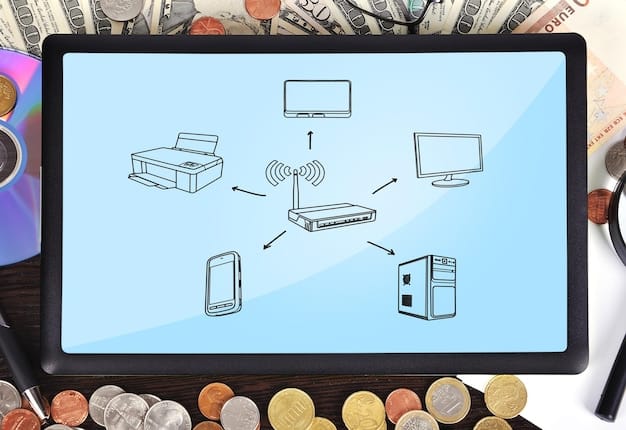
Upgrading to any new technology comes with a cost, and Wi-Fi 7 is no exception. Before making the leap, it’s crucial to consider the financial implications and determine whether the benefits justify the expense.
Let’s analyze the potential costs involved in upgrading to Wi-Fi 7 and weigh them against the advantages it offers.
Router Costs
The most significant expense will likely be the cost of a new Wi-Fi 7 router. As with any new technology, early adopters can expect to pay a premium. High-end Wi-Fi 7 routers could initially range from $300 to $500 or more.
However, prices are expected to decline as the technology matures and more manufacturers enter the market.
Device Upgrade Costs
If you want to take full advantage of Wi-Fi 7’s capabilities, you’ll also need to upgrade your devices. The costs of device upgrades can vary widely depending on the type of device and its specifications.
Installation Costs (Optional)
In some cases, you may need to hire a professional to install your new Wi-Fi 7 router and configure your network. This can add to the overall cost of the upgrade.
These costs are worth it if you value faster speeds, improved reliability, and the ability to handle multiple devices seamlessly. If you’re a heavy internet user or have a large family with numerous connected devices, the investment could be well worth it.
Ultimately, the decision of whether to upgrade to Wi-Fi 7 depends on your individual needs and priorities. Weigh the costs against the benefits and make an informed decision.
The Future of Home Networking with Wi-Fi 7 and Beyond
Wi-Fi 7 is not just a step forward; it’s a leap into the future of home networking. This new standard lays the groundwork for even more advanced wireless technologies to come.
Let’s explore the potential future developments in home networking and how Wi-Fi 7 is paving the way for these advancements.
Beyond Wi-Fi 7
While Wi-Fi 7 represents the pinnacle of current Wi-Fi technology, research and development are already underway for the next generation of wireless standards. Some potential future developments include:
- Wi-Fi 8 (802.11bn): The successor to Wi-Fi 7, likely focusing on even higher speeds, lower latency, and improved efficiency.
- Terahertz (THz) Wireless: A new frontier in wireless communication that could potentially deliver speeds up to 100 times faster than Wi-Fi 7.
The Smart Home of the Future
Wi-Fi 7 and future wireless technologies will play a crucial role in enabling the smart home of the future. Imagine a home where all of your devices are seamlessly connected and communicate with each other in real-time:
- Smart Appliances: Appliances that can automatically adjust their settings based on your preferences and energy consumption.
- Home Automation: Systems that can automatically control your lighting, temperature, and security.
- Immersive Entertainment: Virtual and augmented reality experiences that are seamlessly integrated into your home environment.
Wi-Fi 7 is helping to make this vision a reality, providing the bandwidth and low latency necessary to support these advanced applications.
In conclusion, Wi-Fi 7 is a major step towards the future of home networking, enabling a new generation of smart homes and immersive experiences. As wireless technology continues to evolve, we can expect even more exciting developments in the years to come.
| Key Point | Brief Description |
|---|---|
| 🚀 Increased Speed | Delivers up to 46 Gbps, significantly faster than Wi-Fi 6. |
| 📶 Wider Bandwidth | Uses 320 MHz channels for more efficient data transfer. |
| 🎮 Low Latency | Multi-Link Operation reduces lag, ideal for gaming. |
| 🏠 Smart Home Ready | Supports numerous connected devices for future smart homes. |
Frequently Asked Questions About Wi-Fi 7
▼
The main benefit is significantly faster speeds, reaching up to 46 Gbps, enabling smoother 8K streaming, quicker downloads, and low-latency online gaming experiences for multiple devices simultaneously.
▼
Yes, Wi-Fi 7 is designed to be backward compatible. Older devices using Wi-Fi 6 or earlier versions can still connect to a Wi-Fi 7 router, though they won’t experience speeds or efficiencies gains.
▼
While some devices were available in 2024, wider availability is expected throughout 2025, as more manufacturers integrate Wi-Fi 7 into their products from routers to smartphones and laptops.
▼
No, upgrading all devices isn’t necessary to benefit from Wi-Fi 7. However, to experience the full potential of Wi-Fi 7, you’ll need devices that support the new standard to enjoy the optimized performance.
▼
Wi-Fi 7 implements advanced security protocols, including WPA3, enhancing protection against cyber threats and unauthorized access, ensuring a more secure home network environment for all connected devices.
Conclusion
In conclusion, Understanding the Latest Wi-Fi 7 Standard: What It Means for Your Home Network in 2025 signifies a substantial leap forward in wireless technology, promising faster speeds, reduced latency, and greater network efficiency. While upgrading requires investment, the enhanced connectivity experiences and support for bandwidth-intensive applications make it a compelling choice for modern homes.