Wireless Charging Revolution: New Standards Boost Speeds by 50%

The wireless charging revolution is accelerating with new standards promising to increase charging speeds by up to 50%, offering faster and more convenient power solutions for smartphones, wearables, and other electronic devices, revolutionizing how we keep our devices powered.
The future of charging is wireless, and it’s about to get a whole lot faster. A **wireless charging revolution: How New Standards Will Increase Charging Speeds by 50%** is on the horizon, promising to change how we power our devices.
Understanding the Current Wireless Charging Landscape
Wireless charging has been around for a while, but it’s often been seen as slower and less efficient than plugging in. This perception is about to change. The current landscape is dominated by the Qi standard, which has served as the foundation for most wireless charging devices. However, limitations in speed and efficiency have hindered its widespread adoption.
The Limitations of Existing Standards
Early wireless charging technologies like Qi-based systems struggled with charging speed. Users often experienced significantly longer charging times compared to wired solutions. This inconvenience stemmed from inefficiencies in energy transfer and limitations in power delivery.
Another significant issue was heat generation. Inefficient wireless charging processes often led to devices overheating, which could affect battery life and overall device performance. This was a major concern for users, impacting the reliability and longevity of their devices.
Qi Standard Evolution
Despite its initial limitations, the Qi standard has continuously evolved. Later versions of Qi improved charging speeds and efficiency, addressing some of the earlier concerns. These advancements paved the way for faster wireless charging capabilities, making it more competitive with conventional wired charging.
- Enhanced power transfer through optimized coil designs.
- Improved thermal management to reduce overheating during charging.
- Integration of foreign object detection to enhance safety.
The evolution of the Qi standard has been instrumental in making wireless charging a more viable option. As technology advances, these standards will continue to adapt, offering even greater efficiency and convenience.
In conclusion, while earlier wireless charging technologies had their drawbacks, ongoing advancements in standards like Qi are addressing these issues. The industry is moving towards faster, more efficient, and safer wireless charging solutions, setting the stage for a broader adoption of this technology.
The Promise of New Wireless Charging Standards
The future of wireless charging is bright, thanks to the emergence of new standards designed to overcome the limitations of previous technologies. These advancements promise faster charging speeds, greater efficiency, and improved user experiences. Let’s delve into what these new standards entail.
Key Features of Next-Gen Standards
One of the primary focuses of the new standards is to significantly increase charging speeds. This will be achieved through higher power delivery capabilities, allowing devices to charge much faster than with older Qi standards.
Improved efficiency is another critical feature. The new standards aim to minimize energy loss during the charging process, ensuring that more power is directed to the device’s battery. This not only reduces charging times but also improves overall energy conservation.

Major Players and Consortiums
Several industry players and consortiums are at the forefront of developing and promoting these new wireless charging standards. The Wireless Power Consortium (WPC), responsible for the Qi standard, continues to innovate and release updated versions. Additionally, other organizations are exploring alternative technologies to further enhance wireless charging.
- Qualcomm: Developing Quick Charge Wireless technology to boost charging speeds.
- MediaTek: Integrating wireless charging capabilities into their chipsets for enhanced compatibility.
- AirFuel Alliance: Promoting resonant wireless charging technologies for flexibility and scalability.
With multiple entities contributing to the advancement of wireless charging, the industry is poised for rapid innovation and widespread adoption of these new standards.
To sum up, the new wireless charging standards are set to revolutionize how we power our devices. By focusing on faster speeds, improved efficiency, and innovative technologies, these advancements will make wireless charging a more attractive and practical option for consumers worldwide.
Technical Innovations Driving the Speed Increase
The anticipated 50% increase in wireless charging speeds is not just a marketing claim; it’s the result of significant technical innovations. These innovations are revolutionizing how energy is transferred wirelessly and are paving the way for a faster, more efficient charging experience.
Higher Frequency Operation
One of the key factors contributing to the speed increase is the higher operating frequencies of newer wireless charging systems. By operating at higher frequencies, these systems can transfer more power in a shorter amount of time, leading to faster charging speeds.
Additionally, higher frequency operation often leads to improved energy efficiency. This is because the higher frequency helps reduce energy loss during transmission, ensuring that more power reaches the device being charged.
Advanced Coil Designs
Coil design is critical to optimizing wireless power transfer. Innovations in coil technology have led to more efficient and effective energy transfer. Advanced coil designs minimize energy leakage, increase power density, and optimize the magnetic field for better alignment.
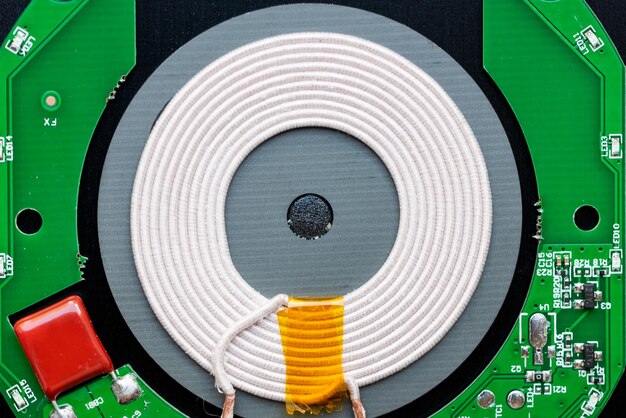
- Multi-layer coils for increased power density.
- Optimized coil geometry for better alignment and reduced energy loss.
- Use of advanced materials to enhance magnetic field strength.
These design enhancements ensure that more power is effectively transferred from the charging pad to the device, resulting in faster charging times.
In conclusion, the surge in wireless charging speeds is driven by a combination of higher frequency operation and advanced coil designs. These technical innovations are improving energy transfer efficiency and power density, making wireless charging faster and more reliable. As these technologies continue to evolve, we can expect even more significant enhancements in the future.
Impact on Different Devices and Applications
The advancements in wireless charging technology are set to have a widespread impact across various devices and applications. From smartphones to electric vehicles, the benefits of faster and more efficient wireless charging are poised to transform several industries.
Smartphones and Wearables
For smartphones, faster wireless charging means less time tethered to a charging pad. Users can quickly top up their devices without the inconvenience of waiting for extended periods. This is particularly beneficial for those who use their phones heavily throughout the day.
Wearable devices, such as smartwatches and fitness trackers, will also benefit significantly. Efficient wireless charging can extend battery life and make it easier to keep these devices powered up. This ensures uninterrupted monitoring of health and fitness metrics.
Electric Vehicles
Wireless charging technology is making inroads in the electric vehicle (EV) sector, offering a convenient and hands-free alternative to traditional charging cables. Faster charging speeds are a crucial component for making wireless EV charging more practical and attractive to consumers.
- Improved convenience with automatic charging when parked over a charging pad.
- Opportunity for dynamic charging while driving on equipped roadways.
- Potential for reducing range anxiety with more accessible charging options.
Wireless charging for EVs promises to streamline the charging process and enhance the overall driving experience.
Overall, the impact of faster wireless charging spans across numerous devices and applications. Enhanced charging speeds and efficiency will provide significant benefits to consumers and industries alike, paving the way for a more wirelessly powered future.
Challenges and Considerations for Implementation
While the future of wireless charging looks promising, several challenges and considerations need to be addressed for seamless implementation. Overcoming these hurdles is essential to ensure the widespread adoption and reliability of these technologies.
Ensuring Compatibility Across Devices
One of the primary challenges is ensuring compatibility across different devices. With multiple wireless charging standards and proprietary technologies, consumers may face issues with interoperability. Standardizing protocols and technologies will be crucial to ensure universal compatibility.
Another aspect is backward compatibility. Newer wireless charging standards should ideally be compatible with older devices to avoid rendering existing charging pads obsolete. This can be achieved through adaptive charging technologies that adjust power output based on the device’s capabilities.
Addressing Heat Management and Safety
Heat management remains a critical concern in wireless charging. Inefficient energy transfer can lead to excessive heat generation, which can potentially damage batteries and reduce their lifespan. Implementing robust thermal management solutions is essential.
- Advanced cooling systems to dissipate heat effectively.
- Use of thermally conductive materials to minimize heat buildup.
- Integration of safety sensors to monitor temperature and prevent overheating.
Prioritizing safety measures is essential to build consumer confidence and ensure the long-term viability of wireless charging technology.
To summarize, successful implementation of advanced wireless charging requires addressing compatibility issues, managing heat efficiently, and prioritizing safety. Overcoming these challenges will drive the widespread adoption of these technologies and unlock their full potential.
Future Trends and the Road Ahead
The wireless charging revolution is just beginning, and several future trends promise to further enhance and expand its capabilities. These advancements will not only improve charging speeds and efficiency but also unlock new possibilities for wireless power transfer.
Resonant Wireless Charging
Resonant wireless charging is an emerging technology that offers greater flexibility and range compared to traditional inductive charging. Resonant systems can transfer power over larger distances and do not require precise alignment, making them ideal for various applications.
Furthermore, resonant charging allows for multiple devices to be charged simultaneously from a single power source. This can simplify charging setups and reduce clutter, making it a convenient option for homes and offices.
Wireless Power Networks
The concept of wireless power networks involves creating interconnected systems that can wirelessly distribute power throughout a space. This could revolutionize how we power our homes and offices, eliminating the need for traditional power outlets and cables.
- Seamless integration of power into furniture and architectural elements.
- Ability to power multiple devices simultaneously and dynamically.
- Reduced reliance on batteries with continuous wireless power supply.
Wireless power networks have the potential to transform our environments and create more efficient and convenient living and working spaces.
In conclusion, the future of wireless charging is marked by exciting trends such as resonant charging and wireless power networks. These innovations promise to enhance the convenience, flexibility, and efficiency of wireless power transfer, paving the way for a truly wirelessly powered world.
| Key Point | Brief Description |
|---|---|
| ⚡ Faster Speeds | New standards aim for a 50% increase in wireless charging speeds. |
| ✅ Improved Efficiency | Minimizing energy loss during wireless charging for better conservation. |
| 🚗 EV Applications | Wireless charging revolutionizing electric vehicle charging convenience. |
| 🌐 Compatibility | Ensuring compatibility across devices is crucial for widespread adoption. |
Frequently Asked Questions
▼
The new standards aim to increase wireless charging speeds by up to 50% compared to current Qi standards. This means you can charge your devices much faster wirelessly.
▼
Compatibility varies, but newer standards often include adaptive charging technologies. This allows them to adjust power output based on what the device can handle, ensuring some level of backward compatibility.
▼
Efficient thermal management is critical. New charging systems are designed with advanced cooling solutions to minimize heat buildup and prevent damage to batteries.
▼
Smartphones, wearables, and electric vehicles (EVs) will see significant benefits. Faster charging will improve convenience for smartphones and wearables and make wireless EV charging more practical.
▼
Key innovations include higher operating frequencies and advanced coil designs. These enhancements optimize energy transfer and minimize power leakage, leading to faster and more efficient charging.
Conclusion
The wireless charging revolution: How New Standards Will Increase Charging Speeds by 50% represents a significant leap forward in convenience and efficiency for powering our devices. As these technologies continue to develop, we can expect even faster charging speeds, broader device compatibility, and more widespread adoption across various industries, paving the way for a truly wirelessly powered future.